
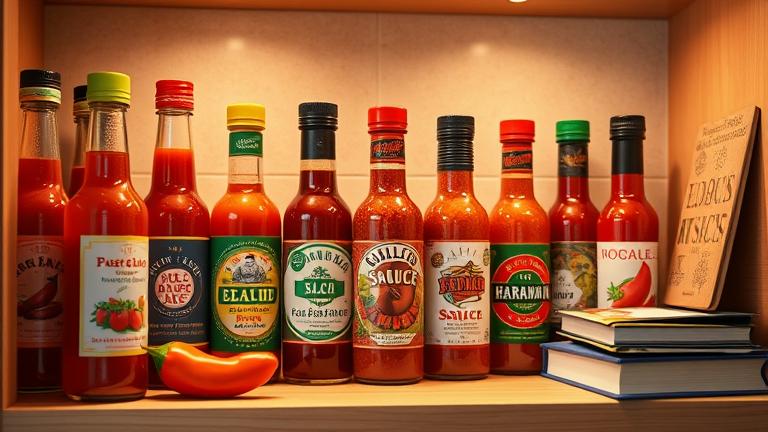
Best Containers for Hot Sauce
Finding the right container for hot sauce is important to keep it fresh, flavorful, and safe to enjoy. Whether you like to make your own spicy sauces or prefer store-bought varieties, the container you choose can make a significant difference. The goal is to pick a vessel that preserves the sauce’s taste and prevents spoilage or contamination.
When selecting a container for hot sauce, consider materials that won’t react with the acidity of the sauce. The most popular options include glass, certain plastics, and stainless steel. Each has its advantages and some drawbacks to watch out for.
Glass Bottles and Jars
Glass is a top choice for hot sauce storage because it is non-reactive. That means it won’t change the flavor or color of your sauce over time. Glass also doesn’t absorb odors, so your hot sauce stays as fresh as when you first made or bought it. You can use small glass bottles with dropper tops for precise pouring or larger jars for easy access.
Look for bottles with tight-fitting lids to prevent air from entering. Aromatic or flavored hot sauces benefit from dark-colored glass bottles, which block light that can degrade the quality. Reusing glass jars from store-bought sauces is a common and eco-friendly option. Just be sure to thoroughly wash and sterilize them before refilling.
Plastic Containers
Plastic bottles and squeeze tubes are convenient for quick use and travel. Food-grade plastics are safe and won’t react with the hot sauce if they are BPA-free. They are lightweight and less prone to breakage, which makes them a practical choice if you handle the sauce frequently or take it on the go.
However, plastics can absorb odors over time and may stain if the sauce is particularly colorful or acidic. It’s best to replace plastic containers regularly once they show wear or odors. Also, ensure the plastic is designed for food storage to avoid any health concerns.
Stainless Steel
Stainless steel bottles are another durable option. They are great for keeping hot sauces fresh and are often used in professional kitchens. Stainless steel is non-reactive and extremely sturdy, making it a good long-term choice. They usually come with a screw-top lid and are easy to clean.
Keep in mind that stainless steel bottles might be more expensive and less widely available for home use. They are ideal if you store hot sauce in bulk or want a stylish, modern container.
Tips for Choosing the Right Hot Sauce Container
- Pick a container that tightly seals to prevent air from getting in, which can spoil the sauce.
- If you make your own hot sauce, opt for sterilized bottles to keep bacteria out.
- Dark glass or opaque containers protect the sauce from light, extending shelf life.
- Ensure the container size matches your usage. Smaller bottles are better if you don’t use the hot sauce often.
- Clean and dry your container thoroughly before refilling to avoid mold or bacteria growth.
Choosing the right container for your hot sauce isn’t just about storage; it’s about keeping the flavor vibrant, the sauce safe, and your kitchen organized. With the right bottle or jar, your hot sauce will stay tasty and ready whenever you need a spicy kick.
Proper Storage Tips
Storing hot sauce properly is key to keeping it fresh, flavorful, and safe to enjoy over time. Whether you have a homemade batch or a store-bought bottle, the right storage methods can make a big difference. Here, you’ll find simple, friendly tips to help you maintain the quality of your hot sauce for as long as possible.
The first step is to consider temperature control. Hot sauce should generally be kept in a cool, dark place. A pantry or cupboard away from direct sunlight is ideal. Bright light and heat can cause the flavors to deteriorate and may even affect the sauce’s safety. If your hot sauce contains fresh ingredients or is homemade, refrigeration is often recommended to prevent spoilage. Check the label or recipe instructions for specific guidance.
Sealing Techniques
Proper sealing is crucial to prevent air from getting into the bottle, which can cause spoilage and flavor loss. For store-bought hot sauce, make sure the cap is tightly closed after each use. If you have homemade hot sauce, transfer it to a clean, airtight container with a tight-fitting lid. You can also use a small funnel when pouring to avoid unnecessary exposure to air. Additionally, some people prefer to keep hot sauce in glass bottles or jars over plastic because glass does not absorb flavors or odors over time.
Placement Tips
Where you store your hot sauce matters. Keep it away from sources of heat like near the stove, oven, or microwave. Heat can cause the sauce to spoil faster and weaken its flavors. Instead, choose a cool, dark corner of your pantry or a cellar if you have one. If refrigeration is necessary, store the hot sauce in the door or on a middle shelf where temperature fluctuations are minimal.
Additional Tips for Freshness
- Always use clean utensils or pour directly from the bottle to avoid introducing bacteria.
- Check expiration dates on store-bought hot sauce and discard any that smell off or look unusual.
- If your hot sauce develops mold, an off smell, or discoloration, it is safest to throw it away.
Common Mistakes to Avoid
- Leaving hot sauce in a hot, sunny spot for too long.
- Reusing bottles without thorough cleaning, which can introduce bacteria.
- Supposing homemade hot sauce does not need refrigeration some types do, especially those with fresh ingredients.
By following these friendly, practical storage tips, you can enjoy your hot sauce at its best flavor and safety. Proper storage not only extends shelf life but also preserves the rich, spicy taste you love. Remember, a little attention today keeps your hot sauce fresh and delicious for many meals to come.
Shelf Life and Storage Duration
Hot sauce is a popular condiment that adds flavor and heat to many dishes. Knowing how long it can be stored safely is important to enjoy it at its best. Typically, unopened bottles of hot sauce can last for years when stored properly. Once opened, it usually remains good for several months to a year, depending on how it’s kept.
Several factors influence the shelf life of hot sauce. These include the ingredients used, the presence of preservatives, the acidity level, and storage conditions. For example, hot sauces with vinegar tend to last longer because the acid acts as a natural preservative. Homemade hot sauces without preservatives might have a shorter shelf life and need more careful storage.
Proper storage is key to keeping hot sauce fresh. Always keep the bottle tightly sealed after each use. Store hot sauce in a cool, dark place like a pantry or cupboard, away from direct sunlight and heat sources. Light and heat can cause the flavors to degrade faster and may lead to spoilage. If you prefer, you can also keep hot sauce in the refrigerator. This is especially helpful for homemade varieties or if the label recommends refrigeration.
To extend the freshness of your hot sauce, follow these simple tips:
- Always use clean utensils to scoop out hot sauce, avoiding contamination.
- Keep the bottle tightly sealed to prevent air and bacteria from entering.
- Store in a consistently cool place, ideally below 75°F (24°C).
- If you notice any change in smell, color, or texture, consider discarding the sauce.
Signs that hot sauce may be going bad include an off or sour smell, a change in color, a strange texture, or the presence of mold. If any of these appear, it’s safest to throw the hot sauce away to prevent stomach upset or food poisoning.
Some hot sauces, especially those with high vinegar content, can last longer than their expiration date. However, it’s best to rely on your senses and storage practices to determine if they are still good to use. Proper storage not only extends shelf life but also ensures you enjoy hot sauce at its full flavor and heat.
Signs of Spoiled Hot Sauce
Hot sauce is a flavorful condiment that can last a long time if stored properly, but like all food products, it can spoil. Knowing the signs of spoiled hot sauce helps you stay safe and enjoy your meals without worries. Occasionally, bacteria or mold can grow, or the sauce may change in appearance or smell. Keep an eye out for these common warning signs to know when it’s time to toss your hot sauce.
Visual Clues
First, check the appearance of your hot sauce. Fresh hot sauce usually has a consistent color and texture. If you notice any changes, it could indicate spoilage.
- Discoloration: Look for any dark spots, dullness, or unusual colors that weren’t there before. If the sauce turns a strange shade or appears cloudy, it’s a red flag.
- Mold: Visible mold is a sure sign that the sauce is no longer safe to eat. Mold may look fuzzy, green, white, or black and often appears on the surface.
- Separation or sediment: While some separation can happen naturally, excessive settling or thick clumps that don’t mix back in may suggest spoilage.
Smell Test
Hot sauce has a characteristic spicy and tangy aroma, but spoilage can alter its scent. Take a cautious sniff before using it.
- Off or sour odor: If your hot sauce smells sour, rancid, or just off from its usual tangy spiciness, it’s best to discard it.
- Funky or moldy smell: A strange, musty, or moldy odor indicates bacterial growth or mold contamination.
Taste Cues
If the hot sauce passes the visual and smell tests but you’re still unsure, testing a small amount is a last resort. Be cautious.
- Unexpected sourness or bitterness: An unusual taste shows that fermentation or bacterial processes may have occurred, and it’s safer to throw it away.
- Change in flavor: If the hot sauce tastes bland, bitter, or significantly different from its usual flavor, it’s a sign it has gone bad.
When in Doubt, Throw It Out
Hot sauce generally has a long shelf life, especially if refrigerated after opening. However, if you notice any of the above signs, it’s a good idea to play it safe. Relying on your senses is the best way to determine if your hot sauce is still good to enjoy.
To prolong freshness, keep hot sauce sealed tightly and stored in a cool, dark place. Always check for signs of spoilage before using old condiments. Remember, a little caution keeps your meals tasty and safe!
Making Your Own Hot Sauce at Home
Creating your own hot sauce at home is a fun and rewarding project that lets you customize flavors and heat levels to your liking. Whether you prefer mild and tangy or fiery and bold, making hot sauce from scratch is easier than you might think. Plus, it’s a great way to use fresh peppers and add a personal touch to your meals.
Before you start, gather some basic ingredients and tools. Most homemade hot sauces use chili peppers, vinegar, salt, and sometimes additional flavorings like garlic, onions, or spices. You’ll also need a blender or food processor, a sieve or strainer, and sterilized bottles or jars for storage. Making hot sauce involves a mix of chopping, blending, fermentation (if you choose to ferment), and storing properly to keep it safe and fresh.
Choosing Your Ingredients
The star of your hot sauce is, of course, the peppers. You can choose sweet peppers for milder sauces, such as bell peppers, or pick fiery varieties like habaneros, cayenne, or jalapenos. Combining different peppers adds depth and complexity to the flavor. Fresh garlic and onions are common add-ins for extra zing, and spices like cumin, smoked paprika, or coriander can give your sauce a unique twist.
For the liquid base, vinegar is essential as it preserves the sauce and adds acidity. White vinegar, apple cider vinegar, or even malt vinegar work well. Salt is necessary for flavor and fermentation. If you want your hot sauce to develop a deeper flavor, consider fermenting it for a few days before blending.
Basic Hot Sauce Recipe
- Start by washing and chopping about 1 pound of chili peppers. Remove seeds if you prefer less heat.
- Place peppers, 2 cloves of garlic, 1 tablespoon of salt, and 1/2 cup of vinegar in your blender.
- Blend until smooth. Taste and adjust ingredients if needed add more vinegar for tang, or more peppers for heat.
- If you wish to ferment, transfer the blended mixture to a jar, cover with a cloth, and let it sit at room temperature for 3 to 7 days. Be sure to check daily and stir if needed.
- Once fermented (or if skipping fermentation), strain the mixture through a sieve to remove solids, pressing gently to extract all the liquid.
- Transfer the strained hot sauce into sterilized bottles or jars. Seal tightly.
- Store in the refrigerator. Homemade hot sauce will typically last up to 6 months when kept chilled.
Tips for Success
- Always use fresh, high-quality ingredients for the best flavor.
- Adjust heat levels by controlling the type and amount of peppers used.
- Fermentation adds complexity but requires patience and cleanliness to prevent spoilage.
- Label your bottles with the date to keep track of freshness.
- If your hot sauce tastes too harsh, simmer it gently with a splash of honey or a bit more vinegar to mellow out sharpness.
Safety and Storage
Proper storage is crucial for safe, tasty hot sauce. Always sterilize your bottles and jars before filling to prevent bacterial growth. Keep the sauce refrigerated, especially if it’s not fermented. Regularly check for signs of spoilage such as mold, off-odor, or changes in appearance. If anything seems off, discard the sauce to stay safe.
Making hot sauce at home lets you experiment with flavors and heat levels. With some practice, you’ll produce delicious, personalized sauces perfect for spicing up tacos, eggs, or grilled meats. Enjoy your homemade creations and share them with friends for a spicy gift!
Additional Tips for Fresh Hot Sauce
Once you’ve opened your jar of hot sauce, keeping it fresh and flavorful is easier with a few simple tips. Proper storage and handling will help preserve the vibrant taste and prevent spoilage. Whether you’re a hot sauce enthusiast or just enjoy a dash now and then, these practical suggestions can make a big difference.
First, always store your hot sauce in the refrigerator after opening. The cool temperature slows down the growth of bacteria and mold, especially since many homemade or natural sauces don’t contain preservatives. A sealed, airtight container is ideal to prevent exposure to air and contaminants. If you’re using a glass jar with a tight lid, make sure it’s properly sealed each time you close it.
Shaking or stirring your hot sauce regularly helps maintain its consistency and evenly distributes the flavors. This is especially useful if your sauce contains ingredients like oil or fruit pieces that may settle at the bottom. Just a quick shake or stir each time before use keeps everything well mixed and fresh.
Using clean utensils when scooping out hot sauce is vital to prevent introducing bacteria. Avoid dipping your fingers or leaving a spoon or knife that has touched other foods in the jar. Instead, use a clean spoon or squeeze bottle to portion your sauce. This simple habit significantly reduces the risk of contamination and bacteria growth, preserving your hot sauce’s freshness.
Check your hot sauce periodically for any changes in smell, color, or texture. If you notice a sour or off smell, or if mold appears, it’s best to discard the sauce. Proper storage can extend the life of your hot sauce by weeks or even months, but always trust your senses to determine freshness.
For homemade hot sauces, keeping ingredients fresh during storage is just as important. Use fresh peppers, garlic, and other ingredients, and consider sterilizing your jars beforehand. Also, label your hot sauce with the date it was made so you know how long it’s been stored.
If you’re traveling or eating out, carry hot sauce in a small, leak-proof container to avoid contamination and spills. Keep it refrigerated until needed, and try to consume it within a reasonable time frame to enjoy the best flavor and safety.
- Don’t leave hot sauce out at room temperature for long periods.
- Store in a cool, dark place if the sauce is unopened or homemade with natural ingredients.
- Shake the bottle before each use to keep flavors evenly distributed.
- Use clean utensils every time to avoid bacteria.
Following these friendly and practical tips will help you keep your hot sauce tasting fresh and safe every time you reach for it. Enjoy your spicy additions without worry, knowing they’ll stay vibrant and delicious longer.