
How Long Is Leftovers Safe to Eat?
If you have leftover spaghetti sauce with meat and want to enjoy it later, it’s important to know how long it remains safe to eat. Proper storage and understanding the recommended timeframes can help prevent foodborne illnesses. Leftovers are convenient and tasty, but they must be handled with care.
Generally, cooked meat and sauce leftovers should not be kept in the refrigerator for more than three to four days. This timeframe helps ensure that any bacteria or spoilage organisms don’t grow to dangerous levels. After this period, the risk of food poisoning increases, even if the leftovers look and smell fine.
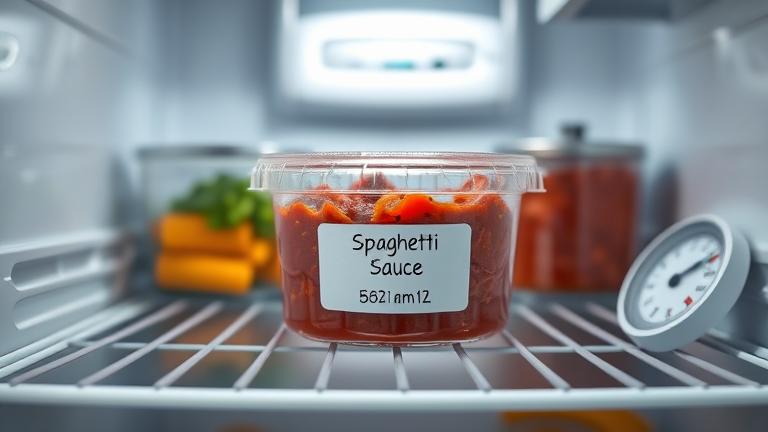
When storing your spaghetti sauce, use airtight containers to keep it fresh longer. Make sure your refrigerator is set to 40°F (4°C) or below, as this temperature slows bacterial growth. Label the container with the date you stored it so you can keep track of how long it has been in the fridge. Remember, once it hits the four-day mark, it’s safest to discard the leftovers.
Signs Leftovers Are No Longer Safe
- Bad odor: If the sauce smells sour, off, or rotten, it’s best to toss it.
- Changes in appearance: Mold, slime, or a strange color means it should be thrown away.
- Unusual texture: If the sauce feels sticky or slimy, it’s a sign of spoilage.
If you’re unsure about the safety of your leftovers, it’s always better to err on the side of caution. When in doubt, throw it out to avoid risking food poisoning.
Reheating Leftovers Safely
When reheating your spaghetti sauce, make sure to heat it thoroughly until it is steaming hot all the way through. Aim for an internal temperature of at least 165°F (74°C). Use a food thermometer if you have one. Stir the sauce during reheating so that heat is evenly distributed, reducing the chance of cold spots where bacteria can survive.
Reheat only the amount you plan to eat. If you have leftovers that you won’t finish in one sitting, reheat only what you need and return any unused portion to the fridge promptly. This keeps your leftovers safe for another day and helps prevent bacterial growth.
Key Takeaways
- Leftover spaghetti sauce with meat should be consumed within three to four days.
- Store leftovers in airtight containers at or below 40°F (4°C).
- Check for signs of spoilage like bad smell, mold, or sliminess before eating.
- Always reheat leftovers to at least 165°F (74°C) for safety.
- If in doubt about freshness, throw leftovers away to avoid foodborne illness.
By following these simple tips, you can enjoy your leftover spaghetti sauce safely and avoid health risks. Keeping track of storage time and proper reheating makes all the difference in maintaining food safety at home.
Signs Your Sauce Has Gone Bad
Cooking spaghetti sauce with meat can be a delicious meal, but it’s important to know how to tell if your sauce has spoiled. Recognizing the signs early can help you avoid food poisoning and waste. Usually, your senses sight, smell, and touch are the best tools to determine if your sauce is still good to eat.
Visual Cues
Start by inspecting the sauce closely. Fresh sauce typically has a vibrant color, whether it’s a deep red or tomato-based. If you notice a significant change in color, such as a dull or grayish hue, it could be a sign of spoilage. Look for mold or fuzzy growth on the surface or along the sides of the container. Sometimes, a slimy or oily film might appear on top, which indicates bacteria growth. Additionally, if you see bubbles that are not typical of a simmering sauce or any unusual separation of liquids, it’s best to discard the sauce.
Smell Test
Smell is a quick and effective way to detect spoilage. Fresh spaghetti sauce with meat should have a pleasant, savory aroma with hints of herbs and spices. If the sauce smells sour, sourish, rotten, or just off in any way, it’s a sign that bacteria or mold may have grown. Do not taste the sauce to confirm if it smells bad, it’s safest to throw it out.
Texture Checks
Feel the sauce if possible. A fresh sauce should be smooth or slightly chunky, depending on your recipe. If it feels slimy or sticky, this is a clear indication of spoilage. Also, if the sauce has become excessively watery or has a strange, irky texture like clumps or a grainy feel it’s better not to consume it. Keep in mind that the texture might change slightly over time, so always compare it with how it looked and felt when freshly made.
Additional Tips for Evaluating Spoilage
- Check the storage container and date. If it’s been more than 3 to 4 days in the fridge, consider whether it’s time to toss it, especially if in doubt.
- When reheating, if the sauce sizzles excessively or releases a strange smell, discard it.
- Trust your instincts if anything about the sauce seems off, it’s better to be safe than sorry.
- Remember that meats are more prone to spoilage, so sauces with meat require even more careful inspection.
Common Mistakes to Avoid
- Never taste a sauce if you suspect it’s gone bad. It’s better to check visually and by smell first.
- Don’t forget to store leftovers in airtight containers to prevent contamination.
- Reheat leftovers thoroughly to kill bacteria if in doubt about freshness, it’s safest to discard.
Being vigilant about signs of spoilage helps keep your meals safe and tasty. When in doubt, it’s always safer to throw out sauce that shows any of these signs rather than risk foodborne illness. Better to start fresh than to eat spoiled food!
Best Storage Tips for Meat Sauce
Storing your meat sauce properly is key to keeping it fresh, flavorful, and safe to eat. Whether you have leftovers or made a large batch, understanding the best storage techniques helps prevent spoilage and maintains the quality of your spaghetti sauce with meat.
First, let’s talk about containers. Use airtight containers or resealable plastic bags to store your sauce. Always choose non-reactive materials like glass or BPA-free plastic, as metal cans or containers can sometimes alter the taste or cause spoilage. Make sure the containers are clean and leave some space at the top for expansion if freezing.
Temperature control is also important. Keep the meat sauce refrigerated at 40°F (4°C) or below. A refrigerator thermometer can help you ensure your fridge stays at the right temperature. If you plan to store the sauce for longer periods, freezing is the best option. Freezers should be set to 0°F (-18°C) or lower to keep the sauce safe and fresh.
How Long Can You Store Meat Sauce?
| Storage Method | Maximum Duration |
|---|---|
| Refrigerator | 3 to 4 days |
| Freezer | 3 to 4 months |
If you’re short on time or want to save leftovers for a special day, freezing is your best bet. For best results, let the sauce cool to room temperature before transferring it to containers. Avoid leaving hot sauce out for more than two hours to prevent bacteria growth.
How to Freeze Meat Sauce Properly
- Remove as much air as possible from the container or bag to prevent freezer burn. Using a straw to suck out excess air can help with bags.
- Label your containers with the date so you know how long it’s been stored.
- Place the containers flat in the freezer until solid. Once frozen, you can stack or organize them more easily.
When you’re ready to enjoy your stored meat sauce, thaw it in the refrigerator overnight. Reheating is simple: warm it in a saucepan over medium heat, stirring occasionally, until hot. Do not reheat repeatedly or refreeze leftovers, as this can compromise flavor and safety.
Tips for Safe and Fresh Storage
- Always cool the sauce rapidly after cooking by dividing it into smaller portions or using ice baths. This helps prevent bacteria growth.
- Keep your refrigerator and freezer clean to avoid cross-contamination.
- Check stored sauce regularly for signs of spoilage, such as bad smell, mold, or changes in color or texture.
Following these simple storage tips will help keep your meat sauce fresh, tasty, and safe to enjoy days or even months after cooking. Proper storage not only saves food but also ensures every bite tastes just as delicious the second time around.
How to Reheat Meat Sauce Properly
Reheating meat sauce, like spaghetti sauce with meat, is easy when you know the right methods. To enjoy your leftovers safely and tastefully, it’s important to heat the sauce evenly and reach the right temperature. Proper reheating helps kill any bacteria and keeps the flavor fresh.
Choose the Best Reheating Method
There are a few good ways to reheat meat sauce, depending on how much time you have and what equipment you use. The most common methods are on the stovetop, in the microwave, or in the oven. Each method has its benefits and tips for best results.
Reheating on the Stove
Reheating meat sauce on the stove is a gentle way to warm it evenly. Here are the steps:
- Place the sauce in a saucepan or skillet.
- Heat over medium-low heat. Stir frequently to prevent sticking and heated unevenly.
- Once the sauce starts steaming, turn the heat to low. Keep stirring and cook until it reaches an internal temperature of 165°F (74°C).
- This method takes about 10-15 minutes, depending on the amount of sauce.
Tip: Use a lid to help retain moisture and heat evenly. You can add a splash of water or broth if the sauce seems thick or starts sticking.
Reheating in the Microwave
The microwave is quick and convenient for reheating smaller portions. Follow these tips:
- Transfer the sauce to a microwave-safe bowl or container.
- Cover loosely with a microwave cover or a paper towel to prevent splatters.
- Heat on medium power in 30- to 60-second bursts.
- Stir well after each burst to distribute heat evenly.
- Check the temperature with a food thermometer. Make sure it reaches at least 165°F (74°C).
Tip: Let the sauce rest for a minute after microwaving before serving, to allow heat to distribute completely.
Reheating in the Oven
If you have a larger batch or want to reheat the sauce evenly without monitoring constantly, the oven works well. Here’s how:
- Preheat your oven to 350°F (175°C).
- Put the sauce in an oven-safe dish and cover with foil.
- Heat for about 20-30 minutes, stirring halfway through.
- Use a food thermometer to check that the sauce hits 165°F (74°C).
Tip: This method is best for reheating large quantities and can prevent the sauce from drying out if you add a little water or broth before covering.
Important Safety Tips
- Always reheat meat sauce to at least 165°F (74°C) to kill any bacteria.
- Avoid reheating multiple times. Eat leftovers within 3-4 days for safety and best flavor.
- Stir frequently during reheating to ensure even temperature distribution and prevent burning or sticking.
- If the sauce develops an unusual odor or appearance, discard it to avoid foodborne illness.
Freezing Leftover Spaghetti Sauce
If you have leftover meat spaghetti sauce and want to keep it fresh for later, freezing is a great option. Proper freezing helps extend its shelf life while preserving flavor and quality. Whether you made a big batch or cooked extra for future meals, freezing your sauce is an easy way to save time and reduce waste.
Before freezing, make sure the sauce has cooled down to room temperature. Hot sauce can raise the temperature inside your freezer, which might affect other foods and cause ice crystals to form. It’s best to let the sauce sit for about 30 minutes or until it’s no longer steaming.
Best Practices for Packaging
- Choose airtight containers or freezer-safe bags. Plastic containers with tight lids, glass jars designed for freezing, or specially made freezer bags work well.
- If you use bags, remove as much air as possible before sealing. This helps prevent freezer burn and keeps the sauce tasting fresh.
- For containers, leave about an inch of space at the top to allow for expansion when the sauce freezes.
- Portion the sauce into small containers or bags if you plan to use it in smaller amounts later. This way, you won’t have to thaw and re-freeze the entire batch each time.
Labeling and Storage
Always label your containers or bags with the date before putting them in the freezer. Use a permanent marker or a label maker so you can easily track how long the sauce has been stored.
Spaghetti sauce typically stays good in the freezer for up to 3 to 4 months. For best flavor, try to use it within this time frame. Arrange the containers so that older sauces are at the front, making it easy to grab the oldest batch first.
Thawing and Reheating
When you’re ready to enjoy your frozen leftover spaghetti sauce, thaw it safely. The best method is to transfer the sauce from the freezer to the refrigerator overnight. This slow thaw keeps the sauce at a safe temperature and helps retain its texture and flavor.
If you’re in a hurry, you can reheat the frozen sauce directly on the stove. Place the sealed bag or container in a bowl of warm water to gently thaw, or pour the frozen sauce into a saucepan and heat over medium heat, stirring occasionally until hot. Always reheat to an internal temperature of at least 165°F (74°C).
Helpful Tips
- Avoid freezing sauce stored in large quantities if you only need a small portion. Smaller servings freeze and thaw more evenly.
- Use a straw to suck out excess air when sealing freezer bags to prevent freezer burn.
- If you notice any ice crystals or freezer burn on your sauce, you can still eat it, but the texture may be affected. To avoid this, always use airtight containers and consume within recommended storage times.
Freezing leftover spaghetti sauce is simple with the right packaging and storage methods. With a little care, your sauce will taste just as delicious after being frozen and reheated, making mealtime easier and more enjoyable.
Tips for Extending Shelf Life
Keeping your spaghetti sauce with meat fresh for as long as possible can save you time and help prevent waste. Whether you have leftovers or want to prepare in advance, there are several simple storage tips and ingredient considerations to preserve the quality of your sauce over time.
First, proper storage is key. After cooking, let the sauce cool down to room temperature within two hours. Putting hot sauce directly into the fridge can raise the temperature and promote bacterial growth. Use airtight containers or glass jars to store the sauce. These seal in freshness and prevent odors from seeping in or out.
Dividing large quantities into smaller portions can also help. Smaller containers cool faster and make it easier to reheat only what you need. Remember to leave some space at the top of the container to allow for expansion if freezing. Label each container with the date of storage so you can keep track of how long it’s been in the fridge or freezer.
For longer storage, freezing is your best friend. Place the sauce in freezer-safe containers or heavy-duty zip-top bags. When using bags, squeeze out excess air before sealing to avoid freezer burn. Frozen spaghetti sauce with meat can typically last up to three to four months without losing flavor or quality.
When you’re ready to enjoy your stored sauce, thaw it in the fridge overnight. Avoid leaving it out at room temperature for long periods. Reheat gently on the stove or in the microwave, stirring occasionally to ensure even heating. Make sure the sauce reaches a safe internal temperature of at least 165°F (74°C) before serving.
Ingredient Considerations for Better Preservation
- Minimize added moisture: Excess water or liquid can cause spoilage, so drain oily or watery ingredients well before mixing.
- Use fresh ingredients: Quality ingredients like fresh garlic, onions, and herbs help maintain flavor and safety during storage.
- Consider adding natural preservatives: Ingredients such as vinegar or lemon juice can increase acidity, which helps slow bacterial growth.
Additional tips include avoiding contamination. Always use clean utensils when serving or reheating the sauce. Do not double-dip into the same container this introduces bacteria and shortens shelf life.
Another common mistake is storing the sauce at room temperature or in warm areas, which encourages bacteria growth. Keep your sauce refrigerated or frozen promptly after cooling down.
To ensure safety, check your sauce before eating stored leftovers. Look for signs like a sour smell, mold, or a slimy texture. If anything seems off, it’s safer to discard it.
By following these easy tips proper cooling, airtight storage, freezing, ingredient choices, and good hygiene you can extend the shelf life of your spaghetti sauce with meat. This way, you’ll always have delicious, safe sauce ready for your next meal.