
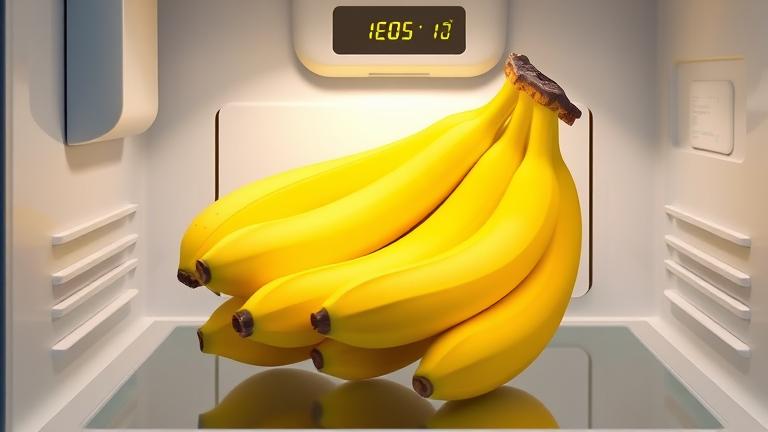
How Long Do Bananas Last in the Fridge?
Many people wonder how long bananas can stay fresh when stored in the refrigerator. Bananas are a popular fruit that ripen quickly at room temperature, but refrigerating them can slow down this process. However, refrigeration also affects their appearance and texture, so it’s good to know what to expect.
When you place ripe bananas in the fridge, the cold temperature can pause their ripening. The peel may turn brown or black, but the fruit inside usually stays firm and fresh longer. Typically, you can keep bananas in the fridge for about 5 to 7 days after they reach your desired ripeness.
Unripe bananas should generally stay at room temperature, as refrigeration can slow their ripening or cause them to turn dark inside without becoming sweet. Once they are ripe, however, the fridge becomes a handy tool to extend their shelf life and reduce waste.
It’s important to understand how refrigeration impacts bananas:
- Peel discoloration: The skin may darken or turn black, which can alarm some, but it doesn’t mean the fruit inside has spoiled.
- Texture and flavor: The cold can make the bananas a bit softer or mushier over time, especially if left too long.
- Spoilage signs: Look out for mold, an off smell, or a very slimy texture. If any of these appear, it’s best to discard the banana.
To get the most out of refrigerated bananas, consider peeling and storing them in an airtight container or resealable bag. This helps prevent them from absorbing fridge odors and protects their surface from damage.
Here are some practical tips on storing bananas:
- If your bananas are very ripe and you want to keep them longer, place them in the fridge immediately after they reach your preferred ripeness.
- For unripe bananas, keep them on your counter until they ripen fully. Then, move them to the fridge.
- Remember that the peel might turn dark, but the banana inside is usually still good to eat.
In summary, bananas can last about a week in the fridge once they are ripe. The cold helps slow down spoilage but can affect their appearance and texture. Keep an eye out for signs of spoilage, and enjoy your bananas at their freshest. Refrigeration is a great way to extend their shelf life and reduce waste, especially if you bought more than you can eat right away.
Best Ways to Store Bananas
Bananas are a popular fruit loved for their sweet flavor and convenience. To keep them fresh and tasty for longer, knowing how to store bananas properly is key. Whether you want to slow down ripening or keep them ready for snacking, there are several simple and effective methods to consider.
Choose the Right Storage Environment
The environment where you store your bananas significantly affects how quickly they ripen. Typically, bananas ripen faster at room temperature. So, keep them on the counter or in a fruit bowl away from direct sunlight and heat sources. This helps the bananas develop their natural sweetness gradually while staying fresh.
If you know your bananas are ripe and you want to slow down the process, refrigeration is a good option. The cool temperature slows down ripening enzymes, so your bananas stay good for several extra days. Keep in mind, the peel might turn dark in the fridge, but the fruit inside remains fresh and firm.
Proper Storage Techniques
- Keep bananas separate from other fruits: Many fruits emit ethylene gas, which accelerates ripening. To prevent bananas from overripening quickly, store them apart from apples, tomatoes, or other ethylene producers.
- Use a paper bag for faster ripening: If your bananas are still green and you want them ripened sooner, place them in a paper bag. Add an apple or tomato inside to boost ethylene levels and speed up ripening.
- Wrap the stems: To slow down the ripening process, loosely wrap the banana stems with plastic wrap or aluminum foil. This limits ethylene release from the stems, delaying overripening.
Innovative Storage Tips
For longer-term storage or special situations, consider these ideas:
- Freezing bananas: Peel ripe bananas and freeze them in a sealed container or bag. They’re perfect for smoothies, baking, or oatmeal later. Frozen bananas can last up to three months.
- Dehydrate for snacks: Thinly slice bananas and dry them to create nutritious snack chips. Store in an airtight container away from light and moisture.
Common Mistakes to Avoid
- Storing green bananas in the fridge: This halts ripening but can cause uneven texture or green patches inside when they ripen later.
- Overcrowding: Too many bananas piled together can bruise easily and ripen unevenly.
- Keeping bananas in plastic bags at room temperature: This traps moisture and can promote mold or rot.
Summary of Storage Times
| Storage Method | Ripening Time | Notes |
|---|---|---|
| At room temperature | 2-5 days, depending on ripeness | Best for ripening if fruit is green |
| In the fridge | Extra 2-4 days | Peel darkens but inside stays fresh |
| Frozen | Up to 3 months | Perfect for smoothies and baking |
Tips for Keeping Bananas Fresh
Bananas are a popular fruit that many of us enjoy daily. But sometimes, they ripen too quickly and become too soft or brown. Thankfully, there are simple tricks to help keep your bananas fresh for longer. With a few easy tips, you can extend their shelf life and enjoy them at their best.
First, how you store your bananas makes a big difference. A common mistake is leaving them out in the open on the counter, especially if they are already ripe. Bananas release ethylene gas, which speeds up ripening. To slow this process, consider wrapping the stem end of the bananas with plastic wrap. This helps contain the ethylene and can delay ripening by several days.
If you have bananas that are still green and firm, you can also store them in the fridge. The cool temperature slows down ripening. However, the skins may turn brown or black, but the fruit inside remains fresh and firm. Just remember, once bananas are cut, it’s best to refrigerate them in an airtight container or wrap them tightly with plastic wrap to prevent browning.
Storing Ripened Bananas
- If your bananas are perfectly ripe and you can’t eat them right away, consider peeling and freezing them. Frozen bananas are great for smoothies or baking.
- Drop peeled bananas into a resealable bag or an airtight container before freezing. This prevents freezer burn and keeps them fresh.
- Note: Use frozen bananas within 2-3 months for the best flavor and texture.
Tips for Extending Freshness
- Keep bananas separated from other fruits. While ethylene helps bananas ripen, other fruits might be damaged or ripen unevenly if stored together.
- Store bananas away from direct sunlight and heat sources, which can speed up ripening.
- If you notice brown spots forming, your banana is ripening. To prevent over-ripening, consume them sooner or store in the fridge.
- For a quick fix to keep bananas longer, you can rub a small amount of lemon or lime juice on the skins. The citric acid helps prevent browning.
Common Mistakes to Avoid
- Don’t leave bananas in a warm place or near heat, as this causes rapid ripening.
- Avoid stacking bananas in a huge bunch in warm environments. Too many bananas together promote faster ripening due to concentrated ethylene gas.
- Don’t peel bananas before storing them in the fridge if you plan to keep them longer. The peel acts as a barrier, slowing spoilage.
Remember, a little planning and proper storage can make your bananas last longer and stay fresher. Whether you prefer eating them ripe or using them in smoothies, these tips help you enjoy bananas at their best. Keep experimenting with different storage methods to find what works best for your kitchen and routine.
Signs Your Bananas Are Ripe
Knowing when bananas are perfectly ripe can make a big difference in how enjoyable they taste. Ripe bananas are sweeter, easier to peel, and have the best texture for eating or cooking. So, how can you tell when your bananas are ready? Let’s look at some simple visual and tactile signs.
Color of the Peel
The most obvious sign that bananas are ripe is their color. When they first arrive at the store, bananas are usually green and hard. As they ripen, their peel turns yellow. For many people, a bright yellow banana is just right for eating. If you see brown spots or speckles appearing on the peel, that’s a good sign they are very ripe and sweet. Some bananas can be completely yellow with little to no green, which means they are perfectly ripe.
Spotting and Browning
Bananas with small brown spots on the peel are often at the peak of ripeness. These spots indicate the fruit has developed sugars and flavor. If the entire peel has brown patches or is mostly brown, the banana is very ripe and may be too soft for some. These bananas are excellent for baking, smoothies, or eating immediately if you like very sweet and soft fruit.
Firmness and Texture
Touch is another way to assess ripeness. Gently press on the banana with your fingers. A ripe banana will yield slightly to gentle pressure but shouldn’t feel overly soft or mushy. If it feels firm, it might need a few more days to ripen. On the other hand, if it feels very soft or is squeezing easily, it is very ripe or overripe. Overripe bananas are great for banana bread or smoothies but may not be ideal for eating as is.
Additional Tips for Picking Ripe Bananas
- If you want bananas to ripen faster, place them in a paper bag. This traps ethylene gas, which speeds up ripening.
- To slow ripening, keep bananas in the fridge after they are ripe. The peel may turn dark, but the fruit inside stays fresh longer.
- If you see bananas with many brown spots but feel firm, they are very sweet and ready to eat. If they are very soft, they are overripe and best for baking.
By keeping an eye on these simple visual and tactile signs, you’ll always know when your bananas are at their best. Whether you want to enjoy them fresh, slice them on cereal, or use them in baking, choosing bananas at the right moment makes a tasty difference.
Common Mistakes in Banana Storage
Storing bananas seems simple, but many people make small mistakes that can cause bananas to spoil quickly or ripen unevenly. Knowing what to avoid can help you keep your bananas fresh and at their best longer.
One common error is leaving bananas out in direct sunlight or in hot areas. Bananas are sensitive to temperature, and heat accelerates ripening, making them turn yellow or brown faster than expected. Instead, store bananas in a cool, dry place away from direct sunlight, such as a pantry or a kitchen counter away from appliances that emit heat.
Another mistake is not paying attention to bunches versus individual bananas. If you leave an entire bunch on the counter, the bananas will ripen more uniformly. But if you remove a single banana and store it alone in the fridge, it might develop brown spots faster. Also, ripening bananas emit a natural gas called ethylene. When you store individual bananas separately, they tend to ripen at different rates, causing unsightly brown spots and spoilage.
Many people make the error of refrigerating bananas too early. While refrigeration can slow down the ripening process, putting bananas in the fridge when they are still green or just starting to ripen can disrupt their natural ripening cycle. The peel may turn brown, but the inside remains firm and less sweet. The best time to refrigerate bananas is when they are already ripe and you want to extend their freshness.
Some folks forget to check bananas regularly. Leaving bananas unturned or unnoticed can cause them to overripen and spoil before you get a chance to enjoy them. Make it a habit to inspect your bananas every couple of days. If you notice ripening happens too fast, consider moving them to the fridge or using them sooner.
Another mistake is storing bananas near other fruits or vegetables. Many fruits release ethylene gas, which speeds up ripening. Keeping bananas near apples, tomatoes, or other produce can cause bananas to overripen faster. To avoid this, store bananas separately from other produce to control their ripening process better.
Finally, many home cooks forget that overripe bananas are still useful. Instead of throwing out bananas that are turning brown, use them for banana bread, smoothies, or freezing for later snacks. This prevents waste and makes good use of bananas that might otherwise spoil.
- Store bananas in a cool, shaded spot away from heat sources.
- Keep bunches together to promote even ripening.
- Refrigerate only ripe bananas you want to keep longer.
- Check your bananas regularly to prevent overripening.
- Keep bananas away from other ethylene-producing fruits.
- Use overripe bananas in recipes or freeze them for later.
By avoiding these typical mistakes, you’ll enjoy fresher, tastier bananas for longer. Proper storage helps you make the most out of this versatile fruit and prevents unnecessary waste.
How to Extend Banana Freshness
Bananas are a popular fruit that many people love to keep on hand for smoothies, snacks, or baking. But they tend to ripen quickly, making it tricky to enjoy them over several days. Luckily, there are simple strategies to extend the freshness of your bananas and keep them looking and tasting great for longer.
The key to prolonging banana freshness is controlling how quickly they ripen. Bananas release a natural gas called ethylene, which speeds up ripening. Managing this process can help you delay the fruit’s spoilage. Let’s explore some effective methods to keep your bananas fresher for more days.
Store Bananas at the Right Temperature
Keeping bananas at a cool, but not cold, temperature helps slow down ripening. Keep them in a pantry or a cupboard away from direct sunlight and heat sources. If your bananas are already ripening faster than you’d like, placing them in the refrigerator can help. The cold slows down the ripening and keeps the peel from turning brown too quickly.
Be aware that storing bananas in the fridge may cause the peel to darken, but the fruit inside stays fresh and firm. So if you see your bananas turning ripe faster, pop them in the fridge. The skins may turn dark but the bananas inside will stay good for a few extra days.
Separate the Bananas
If your bunch of bananas is ripe or ripening quickly, separating individual bananas from the bunch can slow down the overall ripening. Ethylene gas builds up when bananas are kept together, speeding up ripening. By keeping bananas apart, you reduce this effect and extend their freshness.
Wrap the Stems
Wrap the stems of each banana with plastic wrap or aluminum foil. This limits ethylene release from the stem area, which is where most of the gas escapes. Doing this can slow down ripening and help the bananas stay fresh longer. Remember to do this soon after purchasing or when the bananas are just ripe.
Use a Banana Keeper or Container
Specialized banana storage containers or keepers are designed to reduce airflow and ethylene exposure. These containers help maintain a more controlled environment. If you frequently buy bananas and want to extend their shelf life, investing in one of these can pay off.
Freeze Extra Bananas
When your bananas become too ripe to eat fresh, freeze them for later use. Peel the bananas first, then place them in an airtight container or freezer bag. Frozen bananas are perfect for smoothies, baking, or making banana ice cream. Freezing stops the ripening process entirely and keeps bananas good for up to six months.
Tips to Remember
- Check bananas frequently for ripeness and adjust storage methods as needed.
- Keep bananas away from other fruits to avoid ripening others quickly.
- Label frozen bananas with the date to use them while still fresh.
- Don’t store bananas in sealed plastic bags at room temperature, as trapped ethylene can hasten spoilage.
By using these simple tips, you can enjoy bananas a bit longer and reduce waste. Whether you choose to store them in the fridge, separate the bunch, or freeze extra fruit, managing ethylene and temperature is your best bet for extending banana freshness effectively.
When’s the Best Time to Eat Bananas?
Bananas are a favorite fruit for many, thanks to their sweet flavor and creamy texture. But did you know that the best time to eat a banana depends on how ripe it is? The ripeness level can make a big difference in taste, texture, and even how your body digests it. Knowing when to enjoy your banana can help you get the most flavor and nutrition out of it.
Generally, bananas go through several stages of ripeness, starting from green and firm to bright yellow and then to brown-spotted. Each stage offers a different eating experience. Let’s explore what each stage means and the best time to indulge.
Green Bananas
When bananas are still green, they are underripe. At this stage, they are quite firm and less sweet. The flavor tends to be more bitter or starchy, similar to a potato. If you prefer a mild, less sugary taste or need a banana for cooking – like baking or frying – green bananas are a good choice.
Yellow Bananas
Once the peel turns bright yellow, the banana is ripe and ready to eat. The flavor becomes sweeter, and the texture softens slightly. This is the ideal stage for many people because it offers a nice balance of sweetness and firmness. You can enjoy a yellow banana on its own, slice it onto cereal, or blend it into smoothies.
Spotted and Brown Bananas
As bananas develop brown spots, they become very ripe. The flavor intensifies and becomes extra sweet, almost with a caramel-like richness. The texture also softens further, sometimes becoming quite mushy. Many love to eat these bananas because of their rich flavor, especially in baking or for making banana bread.
When’s the Best Time to Eat Bananas?
The answer depends on your taste and how you plan to use the banana. For snacking, most people prefer bananas that are yellow with a few brown spots. They are perfectly sweet and easy to peel and eat. If you like a milder flavor or want a firmer texture, stick with the green, underripe bananas.
If you enjoy very sweet bananas for smoothies or baking, go for the spotted or brown ones. They’ll mash smoothly and add plenty of flavor. Keep in mind that ripe bananas are also a bit easier to digest, which might be a plus if you have sensitive stomachs.
Tips for Ripe Bananas
- If your bananas become too ripe and very brown, you can peel and freeze them for smoothies or baking later.
- To slow ripening, store bananas in the fridge. The peel may turn dark, but the fruit inside stays fresh longer.
- If you want to ripen bananas faster, place them in a paper bag with an apple or another ripe fruit.
Picking the right ripeness ensures you enjoy your bananas at their best flavor and texture. Whether you like them firm or super sweet, timing is everything for a tasty snack or ingredient.