
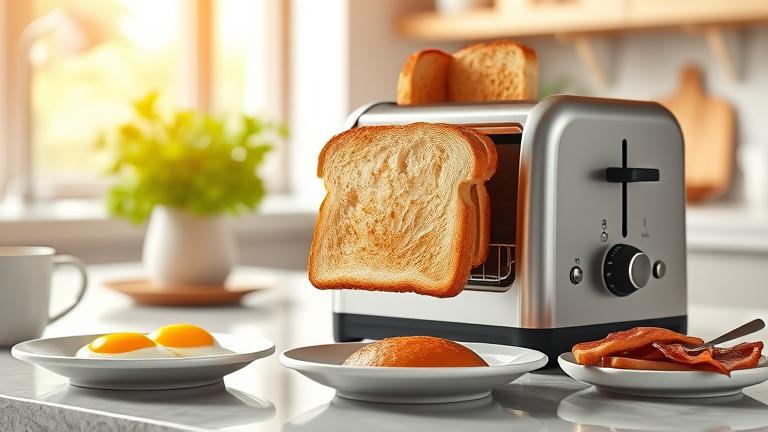
How to Choose the Right Toaster
Picking the perfect toaster can seem overwhelming with so many options available. Whether you’re making breakfast for one or feeding a family, choosing a toaster that fits your needs is important. Think about your kitchen space, how often you toast, and what features matter most to you. A good toaster should make breakfast easy, efficient, and enjoyable.
The first thing to consider is the size of the toaster. If you have a small kitchen or limited counter space, look for compact models that don’t take up too much room. On the other hand, if you often toast large batches or bagels, a wider slot design might be better. These larger slots allow you to toast thicker bread or multiple slices at once without hassle.
Features to Think About
Next, evaluate the features that can improve your toasting experience. Standard toasters typically have adjustable browning controls, allowing you to select how light or dark you want your toast. Some models have extra features like defrost settings, which are handy if you keep bread frozen and want to toast it directly without defrosting first.
Many modern toasters come with extra functions such as reheat buttons, which warm up toast without further toasting, and cancel buttons to stop the toasting process at any time. For convenience, look for models with extra wide slots if you like to toast bagels or thick bread slices. Some toasters also offer removable crumb trays for easy cleaning, which helps keep your kitchen tidy and prevents buildup that could cause smoke or fire hazards.
Material and Build Quality
The material and build quality determine how durable your toaster will be. Stainless steel models tend to last longer and resist fingerprints better than plastic ones. Consider a toaster with a solid feel and quality construction, especially if you’ll be using it daily. Also, check reviews for feedback on issues like uneven toasting or parts breaking down over time.
Budget and Price Range
Toasters come in a wide range of prices, from simple models under $30 to premium high-tech options costing over $100. Decide your budget first. For basic needs, a basic model with adjustable browning and easy-to-clean features will suffice. If you’re willing to spend more, look for extra features like dual controls, advanced browning settings, or sleek designs that match your kitchen decor.
Energy Efficiency and Safety
It’s also good to think about energy use and safety features. Most toasters are energy-efficient, but check for models with automatic shut-off for safety. This feature turns the toaster off once your toast is ready or if it overheats. Also, look for cool-touch sides to prevent burns when touching the toaster after use.
When choosing a toaster, balancing size, features, and budget helps you find the best fit. Think about how you’ll use it daily, what kind of bread you prefer, and your aesthetic style. Taking a little extra time to compare options ensures you get a toaster that will serve you well for years to come.
Steps to Prepare Your Toaster
Getting your toaster ready for perfect toasting starts with some simple but important steps. Taking a few minutes to set up your toaster properly can improve your results and extend its lifespan. Whether you’re new to using a toaster or just want a quick refresher, these easy steps will help ensure your toasting experience is smooth and tasty.
1. Unpack and Inspect Your Toaster
If you’ve just bought a new toaster, start by unboxing it carefully. Check for any packaging debris or protective films on the outer surface. Make sure all parts, such as crumb trays and levers, are included. Examine the cord and plug for damage. It’s a good idea to read the manufacturer’s instructions so you know how to operate your specific model safely.
2. Clean Your Toaster Before First Use
Before you start toasting bread, give your toaster a quick clean. Turn off the toaster and unplug it from the wall. Remove the crumb tray, wash it with warm soapy water, then dry thoroughly. Shake out any loose crumbs from inside the toaster slots by holding the device upside down over the sink or trash. Wipe the exterior with a damp cloth, avoiding any openings. Cleaning helps remove dust, dust, or manufacturing residues that might affect the flavor. It also prevents potential fire hazards from accumulated crumbs.
3. Adjust Your Toasting Settings
Every toaster has settings to control how lightly or darkly your bread is toasted. Start with a middle setting, such as a number 3 or 4 out of 6, if available. If your toaster has a toast shade control, set it to the level you prefer. For first-time use, it’s better to start with a moderate setting and adjust later based on your taste. Remember, darker settings add more time and heat, so use them cautiously. Some toasters also have functions like bagel, defrost, or reheating familiarize yourself with these options as well.
4. Prepare Your Bread or Items for Toasting
Use fresh, dry bread or items suited for toasting. Thinner bread slices will toast faster than thick ones, so choose accordingly. Remove any toppings or spreads that might melt or cause a mess during toasting. For toasting bagels or English muffins, cut them in half beforehand for even toasting. If you like experimenting, try toasting different items like waffles, bread slices with butter, or even certain bagels with toppings. Always ensure items fit comfortably inside the slots without forcing them in, which can damage the device.
5. Safety Tips Before Toasting
- Ensure the toaster is on a stable, heat-resistant surface away from water or liquids.
- Keep a close eye the first few times you use it, especially for new or unfamiliar models.
- Never insert metal objects into the toaster to retrieve stuck items; instead, unplug and carefully remove them.
6. Test Your Toaster
Once everything is set, plug in your toaster, insert a slice of bread, and select your preferred browning level. Press down the lever gently and observe. If the toast is too light or too dark, adjust the settings for next time. It’s a good idea to keep an eye on the first few toasts to get a feel for your toaster’s timing and heat level.
Following these steps will help you set up your toaster correctly, leading to consistently great results. With a little practice, toasting bread will become a quick, easy part of your breakfast routine. Enjoy your perfectly toasted slices every time!
Proper Toasting Techniques
Getting the perfect toast can really enhance your breakfast or snack. To achieve that ideal level of browning, it helps to understand some simple techniques and how to adjust your toaster or oven settings. With a little attention, you’ll be able to make consistently tasty toast, whether you like it lightly golden or richly browned.
The first step is to choose the right browning level. Most toasters have a dial or slider that ranges from light to dark. Start with a medium setting and check your toast after a minute or two. Remember, ovens and toasters vary, so it might take a few tries to find your perfect setting.
How to Adjust Browning Levels
- Begin with a medium setting this gives you a good baseline.
- If the toast is too pale, increase the browning level gradually. Move the dial up and toast again.
- If it becomes too dark or burns, dial it back down slightly for the next slice.
- For very thick or dense bread, you might need extra time or a higher setting.
- If you prefer your toast very crispy, go for a darker setting but keep a close eye to prevent burning.
Positioning of Bread
Ensuring proper placement inside the toaster is key. Place slices so they sit flat against the heating elements without being pushed down too hard. This allows even heating on both sides.
If your toaster has removable or adjustable racks, position the bread closer to the heat source for faster toasting. For uneven toasting, try flipping the slices halfway through. For example, if one side is browning faster than the other, flip to even out the color.
Timing and Monitoring
Most toasters provide a timer or a “pop-up” mechanism. However, it’s good to keep an eye on the process. When the toast reaches your desired level, press the stop button if available, or listen for the pop-up sound. Don’t walk away; leaving toast unattended can lead to burning.
For oven toasting, set a timer and check periodically. Flip the bread regularly for even browning, especially if using a baking sheet or broiler. Keep in mind that oven bread may need a few extra minutes compared to a toaster.
Tips for Consistent and Delicious Toast
- Always use fresh bread for even toasting and good texture.
- Don’t overload the toaster too many slices can prevent even browning.
- If bread is very thick, consider slicing it thinner for more uniform results.
- For bread that tends to burn easily, lower the temperature or toast for a shorter time.
Practicing these techniques will help you get consistent results every time. Adjusting browning levels, positioning nicely, and monitoring timing are simple steps that make a big difference. Soon, you’ll be making toast just the way you like it perfectly browned and delicious every morning.
Cleaning and Maintenance Tips
Keeping your toaster clean is key to maintaining its performance and safety. Regular cleaning removes crumbs and residue that can build up over time, preventing fire hazards and ensuring your toast stays delicious. With a few simple steps, you can extend your toaster’s lifespan and keep it functioning like new.
Regularly Remove Crumbs
The most common issue with toasters is accumulated crumbs at the bottom. These crumbs can cause smoke or even fires if left unchecked. To prevent this, make it a habit to unplug your toaster and turn it upside down over the trash every few days. Gently shake or tap to loosen any loose crumbs.
Some toasters have removable crumb trays. If yours does, take it out and wash it with warm soapy water. Make sure it’s completely dry before replacing it to avoid rust or mold.
Cleaning the Interior Parts
Besides crumbs, burnt bits or food splatters inside the toaster can affect performance. To clean the interior, unplug the appliance first for safety. Use a soft, damp cloth or a small brush to wipe away any stuck particles. Avoid using abrasive cleaners or scouring pads, as they can damage the surfaces.
If your toaster has slots that are difficult to reach, use a toothpick or a soft brush to gently dislodge crumbs from the corners. Never insert anything sharp or metallic into the slots to avoid damaging the heating elements.
Exterior Cleaning and Upkeep
The outside of your toaster can accumulate dust and fingerprints. Wipe it down with a damp cloth and a mild detergent if needed. For stubborn spots, a mixture of water and vinegar works well. Make sure to dry thoroughly to prevent electrical issues.
Check the cord and plug regularly for frays or damage. If you notice any wear, stop using the toaster and replace or repair the cord to stay safe.
Additional Maintenance Tips
- Use the toaster on a stable, heat-resistant surface to prevent accidents.
- Never put your toaster in the dishwasher or submerge it in water.
- Periodically inspect the heating elements for any damage or irregularities. If they look worn or broken, it’s best to replace the toaster rather than risk a malfunction.
- Follow the manufacturer’s instructions for specific cleaning routines and safety guidelines.
Safety First
Always unplug your toaster before cleaning or performing maintenance. Avoid using harsh chemicals or abrasive materials, as these can damage the appliance or pose safety risks. Regular upkeep not only keeps your toast tasting better, but it also makes sure you’re using the appliance safely for years to come.