
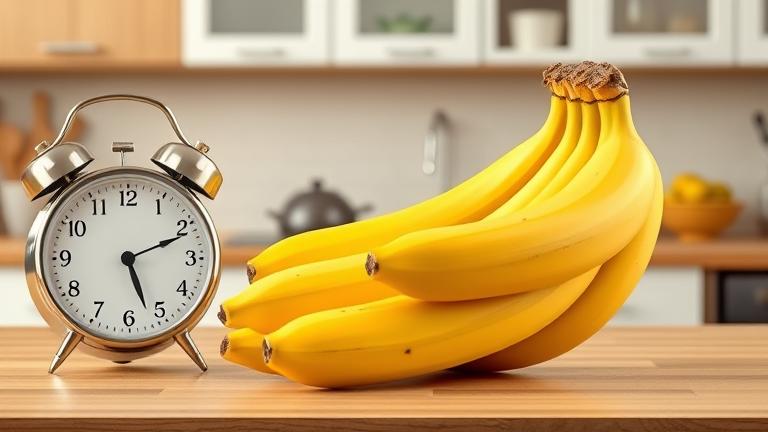
Benefits of Eating Bananas at Different Times
Eating bananas at various times of the day can offer different health benefits and help you stay energized and balanced. Bananas are a versatile fruit that can be enjoyed in the morning, afternoon, or evening, depending on your needs. Understanding when to eat them can make a positive difference in your overall well-being.
In the morning, bananas provide a quick energy boost and set a positive tone for the day. During the afternoon, they help maintain energy levels and curb cravings. In the evening, bananas support relaxation and better sleep. Incorporating bananas into your routine at appropriate times can enhance your health and vitality.
Morning: Boost Your Energy for the Day
Starting your day with a banana is a smart move. Bananas are packed with natural sugars, fiber, and essential nutrients like potassium and vitamin B6. These elements help give you a quick energy boost and support brain function. They are easy to digest, making them a gentle yet effective breakfast option.
If you add a banana to your morning cereal or blend it into a smoothie, you’ll notice sustained energy levels without feeling sluggish. The fiber in bananas also helps regulate blood sugar levels, preventing the common mid-morning energy crashes. For busy mornings, grabbing a banana on the go is a practical choice.
Afternoon: Maintain Energy and Prevent Cravings
Eating a banana in the afternoon can keep your energy steady during the long hours between lunch and dinner. It is a healthy alternative to sugary snacks and helps curb sugar cravings. The natural sugars provide a quick, healthy energy boost, while the fiber keeps you full longer.
Having a banana as part of your snack can also help avoid the slump that often hits mid-afternoon. Plus, the potassium in bananas supports muscle function, which is helpful if you’re feeling tired after physical activity or long periods of sitting. Making this a routine snack can improve your focus and mood.
Evening: Support Your Sleep and Recovery
Eating a banana in the evening can help relax your muscles and promote better sleep. The magnesium and potassium in bananas act as natural muscle relaxants and can ease tension after a busy day. Bananas also contain tryptophan, which the body converts to serotonin and melatonin hormones that regulate sleep.
For a calming bedtime snack, try slicing a banana and adding a sprinkle of cinnamon or pairing it with a small handful of nuts. Just be mindful not to eat too much too late, as the natural sugars might give you a gentle boost that can interfere with sleep for sensitive individuals. This makes bananas a gentle, nourishing option before bed.
Summary
- Eating bananas in the morning energizes and prepares you for the day ahead.
- Midday banana snacks help maintain energy levels and prevent cravings.
- Evening bananas support relaxation and better sleep, aiding recovery.
Overall, the timing of your banana consumption can enhance your health and energy in different ways. Whether you want a quick morning boost, an afternoon pick-me-up, or a relaxing evening treat, bananas are a convenient and nutritious choice at any time.
Best Time in the Morning for Bananas
Eating bananas in the morning can be a great way to start your day with natural energy and essential nutrients. But when exactly is the best time to enjoy a banana for maximum health benefits and sustained energy? The answer depends on your routine, but generally, there are a few ideal times to include bananas in your morning.
Many people find that eating a banana shortly after waking up is an excellent choice. This is because bananas are rich in simple carbohydrates, which are quick to digest and provide instant energy. Having a banana about 15 to 30 minutes after waking up can give you a nice boost without feeling too heavy in your stomach. It’s especially handy if you are rushing out the door or need a quick snack that won’t cause a sugar crash later.
If you prefer to have a more substantial breakfast, consider adding a banana to your meal. For example, slicing a banana into oatmeal or yogurt merges the benefits of fiber, vitamins, and minerals with your other breakfast favorites. Eating a banana along with protein and healthy fats helps to keep your blood sugar steady and prevent mid-morning dips in energy. This combination is ideal if you want to stay full and focused until lunch.
Timing also matters when it comes to exercise and bananas. Many athletes or active morning exercisers enjoy eating a banana about 30 minutes before their workout. The natural sugars provide quick fuel, and the potassium helps with muscle function and preventing cramps. After exercising, having a banana with some protein can help your body recover and replenish lost electrolytes.
Be aware that eating a banana on an empty stomach might cause some people to experience discomfort or bloating. If you find this happens to you, try pairing your banana with other foods or waiting a little longer after waking up to eat it. Listening to your body will help you find the best timing that works for you.
For those who wake up feeling hungry or have morning blood sugar concerns, having a banana with a small handful of nuts or some whole-grain toast can balance out the sugar and boost lasting energy. On the other hand, if you’re managing diabetes or blood sugar issues, consult with your healthcare provider about the best timing and portion sizes for bananas in your diet.
To summarize, the best time in the morning to enjoy a banana is generally shortly after waking up for quick energy, or before a workout for optimal performance. Incorporating bananas into your breakfast or snack plan at the right time ensures you harness their full benefits boosting energy, aiding digestion, and providing essential nutrients all morning long.
Eating Bananas for Quick Energy
Bananas are a natural and convenient way to boost your energy quickly, making them perfect for busy mornings or before a workout. They are rich in natural sugars, fiber, and important nutrients that give you a gentle but effective energy boost without a crash afterward.
When you need a quick pick-me-up, eating a banana can be a smart choice. Its carbohydrate content provides immediate fuel for your muscles and brain. Plus, the potassium in bananas helps prevent muscle cramps and keeps your energy levels steady throughout the day.
Why Bananas Work Well for Energy
- Natural sugars: The sugars in bananas are simple carbohydrates, meaning they digest quickly and release energy fast.
- Fiber: This helps slow down the release of sugar into your bloodstream, providing sustained energy and helping you avoid sugar crashes.
- Potassium and other nutrients: These minerals support muscle function and hydration, which are essential during physical activity.
Best Times to Eat a Banana for Energy
For a quick boost, try eating a banana about 15 to 30 minutes before your workout. It will give your muscles the energy they need without feeling too heavy in your stomach. If you have a busy morning, grabbing a banana to eat on the go can help you stay alert and productive.
Additionally, combining a banana with a small handful of nuts or a spoonful of peanut butter can boost the protein content, helping you feel full longer and supporting sustained energy release.
How to Incorporate Bananas Into Your Routine
- Pre-workout snack: Peel and eat a banana about 20 minutes before exercising. For added energy, pair it with some nuts or a slice of whole-grain bread.
- Morning booster: Slice a banana onto your cereal, yogurt, or oatmeal for a nutritious start that keeps your energy going all morning.
- On-the-go option: Carry a banana in your bag or pocket. It’s mess-free and ready to eat whenever you need a quick lift.
Tips for Maximizing the Energy Benefits
- Choose ripe bananas they’re sweeter and easier to digest, providing quick energy.
- Store bananas at room temperature. Once ripe, you can refrigerate them to slow spoilage.
- Avoid overripe bananas if you prefer less sweetness or easier digestion.
- If you have sensitive stomachs, start with half a banana to see how your body responds.
Potential Mistakes to Avoid
- Eating a banana too close to intense exercise if you’re prone to stomach discomfort. Give yourself about 15 minutes to digest.
- Relying solely on bananas for energy. While they are great, adding protein or healthy fats helps maintain your energy longer.
- Skipping hydration. Pair a banana with water to stay fully energized and hydrated during physical activity.
Next time you need a quick energy boost, reach for a banana. It’s a simple, nutritious, and portable option to keep you active and alert throughout your busy day.
Bananas and Weight Loss Timing Tips
Including bananas in your weight loss journey can be a smart choice, thanks to their natural sweetness and useful nutrients. However, timing your banana consumption properly can help you get the most benefit and stay on track with your goals. Let’s explore some practical tips to help you incorporate bananas into your daily routine effectively.
First, consider eating bananas earlier in the day. Having a banana in the morning or as part of your breakfast provides a quick source of energy that can keep you full longer. Because bananas are rich in fiber and natural sugars, they help stabilize blood sugar levels and prevent midday crashes. For example, pairing a banana with a tablespoon of peanut butter or a handful of nuts makes a satisfying, balanced snack.
Another useful tip is to consume bananas before or after workouts. Their carbohydrate content supplies quick energy for physical activity, making them a great pre-workout snack. After exercise, bananas help replenish glycogen stores and restore potassium levels, which are often depleted during sweating. This can aid muscle recovery and reduce cramps. Keep in mind, timing your banana intake around exercise sessions can boost your performance and recovery.
It’s also helpful to watch portion sizes when you’re trying to lose weight. While bananas are nutritious, they do contain natural sugars and calories. A medium-sized banana typically has around 100 calories. Including it as a snack rather than part of a larger meal can prevent calorie overload. If you’re watching your intake closely, opt for smaller bananas or half a banana to keep calories in check.
Some people find that eating bananas late at night can interfere with their weight loss goals. The natural sugars might cause a slight insulin spike or lead to late-night cravings. If you prefer to have a banana in the evening, do so a few hours before bed and in moderation. Combining it with protein or healthy fats can also help slow digestion and keep you satisfied.
Timing aside, it’s important to listen to your body’s hunger cues. Bananas are satisfying and can curb cravings when you feel hungry between meals. However, avoid using them as a distraction or eating them excessively, as calories still add up. The key is to enjoy bananas as part of a balanced diet and healthy lifestyle.
- Start your day with a banana to fuel your morning.
- Eat a banana before or after workouts to enhance performance and recovery.
- Control portion sizes to avoid consuming too many calories.
- Limit late-night banana snacks to prevent unnecessary calorie intake.
- Pair bananas with protein or fats for better satiety and steady blood sugar.
By planning when to enjoy bananas, you can add a delicious, nutritious fruit to your weight loss plan without compromising your goals. Experiment with timing and see what works best for your routine and energy needs. Remember, consistency and mindful eating are key to success on your weight journey.
Nighttime Banana: Good or Bad?
Many people wonder if eating a banana at night is a good idea or something to avoid. Bananas are popular, nutritious, and easy to grab, making them a convenient late-night snack. But is it really beneficial or could it interfere with your sleep? Let’s explore the pros and cons to help you decide if a banana before bed fits your lifestyle.
Benefits of Eating Bananas at Night
Bananas can be a healthy choice to enjoy at night. They are rich in potassium and magnesium, minerals that help relax muscles and promote better sleep. If you often wake up feeling tense or sore, a banana might help soothe those muscles naturally.
Another advantage is their content of tryptophan, an amino acid that your body converts into serotonin and melatonin, hormones involved in regulating sleep cycles. Eating a banana can provide these building blocks, potentially helping you fall asleep faster.
Plus, bananas contain natural sugars and carbohydrates that can increase serotonin, a calming neurotransmitter. This may contribute to a relaxed mood at bedtime. They’re also easy to digest, so they won’t upset your stomach during the night.
Potential Drawbacks of Banana Eating at Night
On the flip side, some people might find that eating bananas late causes discomfort or disrupts sleep. Bananas contain natural sugars, which, if eaten in excess, could cause a spike in blood sugar levels. This might lead to a quick energy boost that keeps you awake rather than sleepy.
If you’re watching your carbohydrate intake for health reasons, having a banana at night might not fit into your diet plan. Also, for some, eating too late can cause digestive issues like acid reflux or indigestion, especially if you tend to lie down soon after eating.
Another concern is that consuming any food close to bedtime might lead to weight gain if it becomes a habit. Although bananas are relatively low in calories, regular late-night snacking can add up over time.
Practical Tips for Eating Bananas at Night
- Keep portions control in mind. One small to medium banana is enough to enjoy benefits without overdoing it.
- Try pairing a banana with a small handful of nuts or a spoon of peanut butter for added protein, which can help keep you full longer and stabilize blood sugar.
- If you’re sensitive to sugar before bed, consider eating a banana earlier in the evening rather than right before sleep.
- Listen to your body. If eating a banana makes you wake up feeling restless or causes discomfort, it might be best to avoid it at night.
In conclusion, whether a banana at night is good or bad depends on your personal health, digestion, and sleep patterns. For most, a banana can be a healthy, sleep-supporting snack if enjoyed in moderation and at the right time. As with any food, pay attention to how your body responds and adjust accordingly.
Eating Bananas Before Bed for Sleep
Eating bananas before bed is a simple and tasty way to help promote better sleep. Many people wonder if snacking on this yellow fruit can actually improve their rest. The good news is that bananas contain nutrients that support relaxation and can help you wind down at the end of the day.
Bananas are rich in magnesium and potassium. These minerals play a key role in relaxing muscles and reducing cramps, making it easier to fall asleep peacefully. Magnesium, in particular, helps regulate neurotransmitters that calm the nervous system. When your body is relaxed, sleep tends to come more easily and stay deeper through the night.
Another helpful aspect of bananas is their natural content of tryptophan. This amino acid is converted into serotonin in the brain. Serotonin is a hormone that helps regulate mood and promotes feelings of calmness, which are important for falling asleep. Once transformed, serotonin can be further converted into melatonin, the hormone that controls your sleep-wake cycle.
Eating a banana before bed can also prevent nighttime hunger. Sometimes, feeling hungry or having a stomach growl can disturb your sleep. Instead of reaching for heavy or processed snacks, a banana provides a light, nutritious option. It’s easy to digest and won’t cause discomfort or indigestion, which are common issues that disturb sleep.
To incorporate bananas into your bedtime routine, consider preparing a simple snack. For example, peel a banana and eat it plain or add some nuts for extra protein and healthy fats. You could also blend it into a small smoothie with milk or yogurt for a soothing drink. Adding a pinch of cinnamon can make it taste even better and may have additional health benefits.
While eating bananas before bed can help, it’s important to do so in moderation. Overeating any food late at night might disrupt sleep or cause stomach issues. Aim for one banana or a small portion as part of your evening routine. Eating too much sugar or processed foods close to bedtime can also interfere with restful sleep.
Sleep Tips with Bananas
- Eat a banana about 30 to 60 minutes before sleeping.
- Combine it with a source of protein like nuts or yogurt for extra nutrients.
- Avoid adding too much sugary syrup or processed toppings.
- If you have acid reflux, monitor how your body reacts to bananas at night.
Remember, everyone’s body responds differently. While many find bananas helpful for sleep, it’s good to listen to your own body and make adjustments as needed. Incorporating bananas in a balanced dinner or bedtime snack routine can be a simple, natural way to support restful sleep every night.
How to Avoid Banana Cravings
Bananas are a popular fruit known for their natural sweetness and convenience. However, sometimes cravings for bananas can become excessive, making it hard to stick to a balanced diet. If you find yourself reaching for bananas too often, don’t worry there are simple strategies to help manage those cravings and keep your eating habits in check.
First, it helps to understand why you crave bananas. Often, cravings are your body’s way of signaling a need for specific nutrients. Bananas are rich in potassium, vitamin B6, and fiber, which can boost energy and improve digestion. If you’re craving them, your body might be low on potassium or needing a quick energy source. Recognizing this can guide you to choose healthier alternatives or balanced snacks that satisfy your needs without overdoing it on bananas.
Replace the Craving with Other Healthy Snacks
If you’re craving bananas, try swapping them out with other nutritious options. Fresh fruit like berries, apples, or oranges can provide sweetness and vitamins without the same craving-inducing urge. Nuts and seeds offer healthy fats and protein, which can satisfy your hunger longer. Greek yogurt with a drizzle of honey can also be a filling, sweet alternative that gives you similar energy boosts.
Balance Your Meals
Eating balanced meals throughout the day can prevent sudden sugar or carb cravings. Incorporate a mix of protein, healthy fats, and complex carbohydrates in your breakfast, lunch, and dinner. For example, include eggs, whole grains, and vegetables in your meals. When your body gets the nutrients it needs from balanced foods, the urge for sweet or carb-heavy snacks, like bananas, diminishes.
Stay Hydrated
Sometimes, cravings are linked to dehydration. Drinking enough water throughout the day can reduce the urge to snack unnecessarily. If a craving hits, try drinking a glass of water first and wait a few minutes. Often, thirst can be mistaken for hunger or a sweet craving.
Manage Stress and Emotions
Emotional eating can trigger cravings for comfort foods like bananas. If you notice you crave bananas more during stressful times, try to find alternative ways to cope. Deep breathing, a short walk, or practicing mindfulness can help reduce emotional triggers and prevent impulsive eating.
Practice Mindful Eating
Pay attention to why and when you crave bananas. Are you hungry or just bored? Taking a moment to pause and reflect can help you choose healthier options. Eat slowly and enjoy each bite, which can make smaller portions feel more satisfying and reduce excessive snacking.
Limit Access
If you find it hard to resist bananas when they’re in your kitchen, consider not keeping large quantities around. Store bananas out of sight or in a different room, and opt for smaller quantities or portions. This simple step can help you control your intake and prevent spontaneous cravings from taking over.
- Keep a variety of healthy snacks handy.
- Eat balanced meals regularly to stabilize blood sugar levels.
- Drink plenty of water throughout the day.
- Manage stress with calming activities.
- Practice mindful eating to better understand your cravings.
Remember, it’s okay to enjoy bananas sometimes. The goal is to prevent over-reliance on them, especially if it’s leading to unbalanced eating habits. With these tips, you can satisfy your sweet tooth in moderation and maintain a healthier, more mindful approach to snacking.