
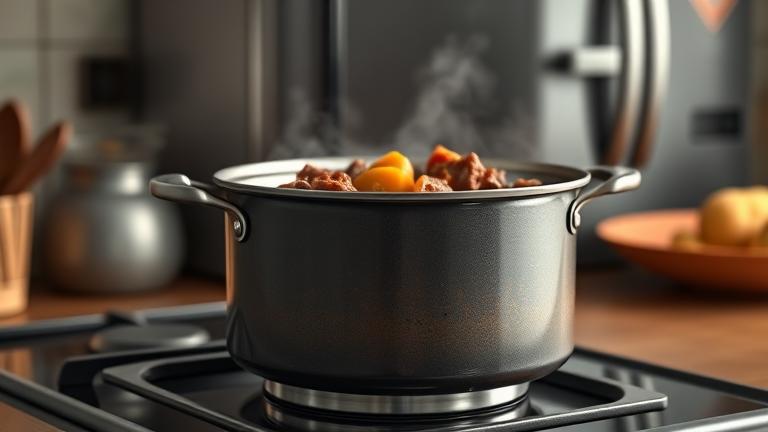
Can You Freeze Beef Stew? Basics
If you’ve cooked a hearty beef stew and want to save some for later, you might be wondering, “Can I freeze beef stew?” The good news is, yes, you can! Freezing is a great way to extend the shelf life of your stew and enjoy it at a later time without fuss.
Freezing beef stew is quite common and works well because the ingredients hold up nicely when frozen and reheated. It’s a practical option for busy weeknights or leftovers that you want to keep fresh. Before you get started, it’s helpful to understand some basic principles so your stew stays tasty and safe to eat.
One important thing to remember is that the quality depends on how you prepare and store it. Properly cooled and stored stew will freeze better and taste more like freshly made when you reheat it. So, whether you’ve made a batch for meal prep or just want to save some for another day, these guidelines will help you get the best results.
First, ensure your stew has cooled down to room temperature before freezing. Filling a hot or warm container can create condensation, which might lead to ice crystals or freezer burn. Use airtight containers or heavy-duty freezing bags to prevent air from reaching the food, which helps keep the flavor and texture intact.
Generally, beef stew can be frozen for up to three months. While it’s safe to eat beyond that, the flavor and texture may decline over time. Label your packages with the date so you know how long it’s been stored. When you’re ready to enjoy your stew, thaw it in the refrigerator overnight or use the defrost setting on your microwave. Reheat the stew thoroughly until it’s steaming hot all the way through to ensure safety.
Keep in mind that some ingredients, like potatoes, may change in texture after freezing and reheating. They might become softer or slightly grainy. To avoid this, you can cook the stew without potatoes, or add fresh potatoes later when reheating if you prefer a firmer texture.
Here are a few quick tips for freezing beef stew:
- Use shallow containers to freeze in thin layers for faster cooling and easier reheating.
- Avoid overfilling containers; leave some space for expansion during freezing.
- Let the stew cool completely before sealing and putting it in the freezer.
- Thaw in the fridge for best results, then reheat on the stove or in the microwave.
By following these simple tips, you can enjoy your homemade beef stew even days or weeks after cooking. Freezing makes meal planning easier and reduces waste. Just remember, proper storage and reheating are key to maintaining its delicious flavor and safety.
Best Tips for Freezing Stew with Potatoes
Freezing beef stew with potatoes can be a great way to get ahead on meal prep and enjoy homemade comfort food anytime. To ensure your stew stays tasty and the potatoes keep their texture, follow these practical tips.
First, think about the timing. It’s best to let the stew cool completely before freezing. This prevents excess moisture and ice crystals from forming, which can make the stew watery when reheated.
When it comes to portioning, divide the stew into single or family-sized containers. Using airtight containers or heavy-duty freezer bags helps prevent freezer burn. Label each with the date, so you know exactly how long it’s been frozen. Keep in mind that frozen stew with potatoes is best enjoyed within 2 to 3 months for optimal flavor and texture.
To preserve the taste and texture of the potatoes, consider cooking the stew until the potatoes are just tender before freezing. Potatoes tend to become mushy after freezing and reheating, especially if they are overcooked initially. If you prefer the potatoes to stay chunkier, you can add raw potatoes and cook the stew until the potatoes are fully tender after reheating, but this can be tricky. Usually, pre-cooked potatoes give better results.
Tips for Freezing and Reheating
- Allow the stew to cool to room temperature before transferring it to containers. This reduces condensation and ice crystals.
- Remove excess air from freezer bags to prevent freezer burn. Use a straw to suck out air if needed.
- Freeze in flat layers if using freezer bags. Flat bags stack well and freeze faster.
- Label each container with the date and contents. Include instructions such as “Reheat thoroughly.”
- For best flavor, reheat the stew slowly on the stove or in the microwave until it’s steaming hot. Stir occasionally to distribute heat evenly.
- If the stew develops a watery consistency after freezing, just simmer it a bit longer to thicken. You can add a little cornstarch slurry if needed for extra thickening.
Common Mistakes to Avoid
- Adding raw potatoes before freezing. Raw potatoes can turn grainy or mushy after freezing and reheating.
- Filling containers too full. Leave some space at the top of each container to allow for expansion during freezing.
- Forgetting to label containers with the date. It’s easy to forget how long something has been in the freezer.
- Reheating cold stew directly from frozen. Always thaw in the fridge overnight or reheat from the fridge to ensure even heating and food safety.
By following these simple tips, your frozen beef stew with potatoes will taste just as good as fresh. Properly stored and reheated, it can become your go-to dish for busy days or when you want a comforting homemade meal in minutes.
How to Store Stew Properly
Storing stew the right way is key to keeping it fresh and delicious for later. Whether you plan to enjoy it the next day or freeze it for future meals, proper storage helps preserve flavor, texture, and safety. Let’s explore simple and effective methods to store your stew properly.
First, the choice of container is important. Use airtight containers or resealable freezer bags to prevent air from reaching the stew. Glass or plastic containers with tight-fitting lids work well. If using freezer bags, squeeze out as much air as possible before sealing. This reduces the risk of freezer burn, which can dry out or ruin the flavor of your stew. Avoid shallow containers if you plan to freeze for a long time, as they freeze more quickly and evenly.
Before storing, let your stew cool down to room temperature. Hot stew put into the fridge or freezer can raise the temperature inside, risking bacteria growth. To cool it quickly, transfer the stew into smaller portions. This speeds up cooling and makes it easier to reheat later. Do not leave stew out at room temperature for more than two hours, especially in warm weather, to avoid bacteria buildup.
Once cooled, portion your stew into meal-sized servings. Label each container with the date, so you know how long it has been stored. Most cooked stews are safe in the fridge for 3 to 4 days. If you want to store it longer, freezing is the best option. In the freezer, stew can last for about 2 to 3 months while maintaining quality. For best results, store in small portions—this makes reheating easier and faster without defrosting the entire batch.
When freezing stew, leave some space at the top of containers or bags. The liquid expands when frozen, and leaving space prevents container breaking. Seal containers tightly, ensuring no air gets inside. For freezer bags, squeeze out excess air and lay them flat. Flat bags stack better and save space in your freezer.
Reheating stew is simple but do it safely. When reheating from the fridge, heat it thoroughly on the stove or in the microwave until it reaches a rolling boil or 165°F (74°C). When reheating from frozen, it’s best to thaw it in the fridge overnight first. If you’re in a rush, use the microwave’s defrost setting, then reheat until steaming hot. Stir frequently during reheating to ensure even heating and prevent sticking or burning.
A common mistake is reheating only part of the stew without heating it evenly. Always make sure every bite reaches a safe temperature before eating. Also, avoid refreezing thawed stew unless it has been reheated completely, as repeated freezing and thawing can degrade quality and increase safety risks.
- Use airtight containers or freezer bags for best preservation.
- Cool stew quickly before storing to prevent bacteria growth.
- Label containers with the date to track freshness.
- Freeze in small portions for easier reheating.
- Thaw in the fridge when possible for even reheating.
By following these simple storage tips, your stew stays tasty, safe, and ready to enjoy whenever your stomach demands a comforting meal.
Thawing and Reheating Techniques
Thawing and reheating beef stew properly is key to enjoying its rich flavor and ensuring food safety. When done right, you can savor your leftovers just as delicious as the first time you made it. Improper handling, however, can lead to bacteria growth or a loss of texture and taste. Here are simple, safe, and effective methods to thaw and reheat your beef stew.
Thawing Beef Stew Safely
The safest way to thaw beef stew is in the refrigerator. Place the frozen stew in a leak-proof container or sealable bag and set it on a plate or tray. Allow it to thaw slowly in the fridge for about 24 hours per five pounds of stew. This slow process keeps bacteria at bay and maintains quality.
If you’re in a rush, you can use the cold water method. Place the stew in a sealed bag, then submerge it in cold water, changing the water every 30 minutes. This usually takes about an hour or two, depending on the amount. Remember, stew thawed with this method must be cooked immediately afterward.
A third option is using a microwave for quick thawing. Use the defrost setting, checking and turning the stew often. Keep in mind, some parts might start to cook, so it’s best to cook the stew right after microwave thawing.
Reheating Beef Stew for the Best Taste
When reheating beef stew, your goal is to bring it up to a safe temperature without overcooking. The ideal reheating temperature is at least 165°F (74°C), which kills any bacteria that may have grown.
- Stovetop: Pour the thawed stew into a pot. Heat on medium-low, stirring occasionally to distribute heat evenly. Cover the pot to keep the moisture in. Check the temperature with a food thermometer and ensure it hits 165°F.
- Microwave: Transfer the stew into a microwave-safe container. Cover loosely with a microwave lid or paper towel. Reheat on medium power in 1-2 minute intervals, stirring between intervals. Use a thermometer to confirm it has reached 165°F.
- Oven: Place the stew in an oven-safe dish, cover with foil, and warm at 350°F (177°C). It will take about 20-30 minutes, depending on the amount. Stir occasionally for even heating.
For the best flavor, avoid reheating multiple times. Reheat only the portion you plan to eat and store the leftovers promptly in airtight containers. If the stew has been left out at room temperature for more than two hours, it’s safer to discard it to prevent foodborne illness.
Tips for Perfect Reheating
- Always check the internal temperature before eating. If it’s below 165°F, reheat until it reaches this safe temperature.
- Avoid reheating multiple times, as each cycle can degrade quality and safety.
- If the stew looks or smells off, it’s best to discard it, even if it passes temperature checks.
Following these thawing and reheating methods will help you enjoy your beef stew at its best, maintaining both safety and flavor. Happy cooking!
Storage Duration and Safety Tips
When it comes to leftover beef stew with potatoes, knowing how long it stays safe in the freezer can help prevent food waste and keep your meals safe. Typically, properly stored beef stew can last in the freezer for up to 3 to 4 months. After this time, the quality may decline, and there’s a higher chance of freezer burn or flavor loss. To ensure your stew stays fresh and safe to enjoy later, proper storage techniques are essential.
First, always let the stew cool to room temperature before placing it in the freezer. Hot or warm food can raise the freezer’s temperature temporarily, risking other frozen items. Use shallow containers or freezable bags to help the stew cool evenly and quickly. Make sure the containers are airtight, as air exposure can cause freezer burn and spoilage.
Label each container with the date of freezing. This way, you can easily keep track of how long the stew has been stored. When reheating, always make sure the stew is heated thoroughly to a temperature of at least 165°F (74°C). This kills any bacteria that might have grown during storage. Use a food thermometer to check, particularly when reheating in the microwave or on the stove.
In addition to keeping your stew safe, be mindful of signs that it may no longer be good to eat. If the stew develops an off smell, has a slimy texture, or shows discoloration, it’s best to discard it. Similarly, if the freezer was accidentally left open or experienced a power outage, the safety could be compromised, even if the stew was initially stored correctly.
Tips to Keep Your Beef Stew Safe in the Freezer
- Always cool the stew before freezing to prevent ice crystals and freezer burn.
- Use airtight containers or freezer bags to minimize air exposure.
- Leave some space in the container for expansion when the stew freezes.
- Label containers with date and contents for easy identification.
- Reheat thoroughly, stirring well to ensure even heating.
- Consume within 3 to 4 months for best quality and safety.
Following these tips can help ensure your beef stew remains delicious and safe, giving you a handy meal option for busy days or when you want leftovers. Proper storage and safety precautions are simple but crucial steps to enjoy your homemade stew securely long after the cooking.
Common Freeze and Reheat Mistakes
Freezing and reheating are great ways to save time and reduce waste, but they can sometimes lead to less-than-perfect results if not done carefully. Knowing the common mistakes helps you avoid ruining your food or losing flavor and texture. Let’s look at some typical errors home cooks make during freezing and reheating, along with simple tips to get the best results.
One common mistake is **freezing food before it’s fully cooled**. Warm or hot dishes placed directly into the freezer can cause the temperature inside the freezer to rise, which may risk other foods thawing or spoiling. Always let cooked foods cool to room temperature before freezing them. This usually takes about 30 minutes for most dishes. If you’re in a rush, spread the food out in a shallow container to cool faster.
Another mistake is **not properly packaging foods for freezing**. Using the wrong containers or leaving too much air in bags can cause freezer burn. Freezer burn happens when food is exposed to air and becomes dry and tough, affecting taste and texture. Use airtight containers or sealable freezer bags, and remove as much air as possible before sealing. For added protection, wrap items tightly with plastic wrap or foil before placing them in a bag.
Repeatedly freezing and reheating food is a common error that can impact safety and quality. Each time food is frozen and thawed, its texture can change, and bacteria can grow if not handled correctly. It’s best to freeze only what you need and plan to reheat in one go. If you have leftovers, divide them into smaller portions before freezing. This way, you only reheat what you’ll eat in one meal, reducing waste and risk.
Misjudging reheating times and temperatures is another mistake that can lead to uneven heating or dried-out food. Always reheat leftovers until they reach a safe internal temperature of 165°F (74°C). Use a food thermometer to be sure. When reheating in the microwave, stir or rotate the food to promote even heating. Cover dishes with a microwave-safe lid or wrap to keep moisture in, preventing dryness.
An often overlooked mistake is **overcooking during reheating**. Overheating not only makes food dry or rubbery but can also destroy some nutrients. To avoid this, reheat slowly and in short intervals, checking frequently. For casseroles and stews, reheating on low or medium power helps maintain texture.
Lastly, don’t forget about **labeling and dating** your frozen foods. Without proper labels, it’s easy to forget how long something has been stored. Use waterproof markers or labels to include the name and date. This helps you use older items first and prevents food from sitting in the freezer beyond its best quality.
By avoiding these common freeze and reheat mistakes, you’ll keep your meals tasting fresh and delicious. Proper cooling, packaging, portioning, and reheating techniques are key to enjoying your frozen fare without hassles or surprises.
Delicious Variations and Recipes
Beef stew is a comforting classic, but did you know you can easily mix things up after freezing it? Adding different ingredients or spices can transform your leftovers into exciting new meals. Whether you want to enhance the flavor or change the texture, experimenting with beef stew is a fun way to keep your meals interesting.
One simple way to add variety is by incorporating fresh herbs and spices. For example, stirring in some chopped parsley or thyme just before serving can brighten up the flavor. If you’re looking for a little heat, a pinch of red pepper flakes or a dash of cayenne pepper works well. These additions can be made after reheating, giving your dish a fresh, gourmet touch.
Creative Ideas for Beef Stew Variations
- Vegetable Boost: Add cooked or fresh vegetables like carrots, peas, green beans, or spinach to give your stew more color and nutrients. You can toss in frozen peas directly after reheating, or sauté some fresh spinach until wilted for a vibrant finish.
- Thicker or Thinner Stew: Adjust the consistency by adding more broth or a small amount of cornstarch mixed with cold water. If you prefer a thicker stew, simmer it uncovered for a few extra minutes after reheating, letting it reduce naturally.
- Flavor Variations: Try a splash of Worcestershire sauce, a dollop of tomato paste, or even a splash of red wine for depth. These ingredients can be added after reheating to boost the flavor profile without needing to cook them from scratch.
- Spicy or Sweet: For a spicy kick, stir in hot sauce or diced jalapeños. To add a touch of sweetness, incorporate a small amount of honey or maple syrup during reheat. These small changes can turn your classic stew into something entirely new.
Reinventing Beef Stew with Recipes
- Beef Stew Shepherd’s Pie: Use your frozen beef stew as a filling for a savory shepherd’s pie. Scoop the stew into a baking dish, top with mashed potatoes, and bake until golden on top. It’s a cozy dish with a new twist.
- Beef Stew Pasta: Mix reheated stew with cooked pasta, like penne or rotini. Top with grated cheese and bake briefly for a hearty beef pasta bake, perfect for quick weeknight dinners.
- Beef Stew Tacos: Warm up the stew and spoon it into soft tortillas. Add toppings like shredded cheese, sour cream, chopped cilantro, and a squeeze of lime. This makes an easy, flavorful taco that’s different from the traditional stew.
- Beef Stew Soup: Thin the stew with extra broth and stir in cooked beans or rice to make a hearty soup. Garnish with fresh herbs and a squeeze of lemon to brighten the canned or frozen flavors.
Tips for Enhancing Your Beef Stew After Freezing
- Let your stew fully thaw before reheating for even heating and better flavor absorption.
- Taste the stew after reheating and before adding new ingredients to better gauge what it needs.
- Add fresh ingredients towards the end of cooking or reheating to maintain their texture and vibrancy.
- Use versatile seasonings but avoid over-salting, especially if the stew was seasoned before freezing. You can always add more seasoning later.
With these ideas, your frozen beef stew can become a springboard for a variety of delicious, creative meals. Don’t be afraid to experiment and enjoy the process of enhancing your leftovers into something new and tasty!