
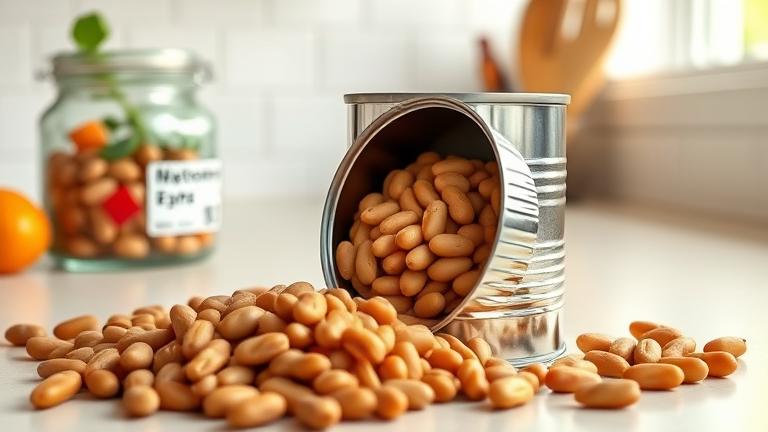
How to Tell if Pinto Beans Are Fresh
Knowing whether your pinto beans are fresh is important for making sure your dishes turn out tasty and safe to eat. Fresh pinto beans should have a vibrant color, a clean smell, and feel firm to the touch. When buying or opening a bag of dried beans, it’s a good idea to check these signs so you can cook with confidence.
First, take a close look at the beans themselves. Fresh pinto beans are typically a light brown with a speckled pattern. The beans should have a consistent color without any dark spots, mold, or discoloration. If you notice any beans that look shriveled, broken, or appear moldy, it’s best to set those aside or discard the whole batch. Dried beans that are old may look dull or cracked, which can affect how they cook and their flavor.
Next, consider the smell. Fresh pinto beans should smell neutral or slightly earthy. If your beans have a sour, musty, or off-putting odor, it’s a sign they may be spoiled or contaminated with mold or moisture. When in doubt, give them a quick sniff. Beans that smell fresh will have a mild, natural scent without any strong or unpleasant odors.
Feeling the beans can also tell you a lot. Good, fresh pinto beans should feel firm and dry. If they feel soft, gummy, or sticky, they might be spoiled or have been exposed to moisture. Moisture can cause beans to develop mold or ruin their texture when cooked. To test this, gently squeeze a few beans between your fingers. They should feel sturdy and dry, not squishy or damp.
Another useful tip is to perform a simple water test. Place a handful of beans in a glass of water. Fresh beans generally sink to the bottom, indicating they are dry and intact. Beans that float may be older or have internal cracks that cause them to be less sturdy. If many beans float, it could be a sign that they are not at their best and may not cook evenly.
It is also helpful to check the expiration date if purchasing packaged beans from the store. Many dried beans have a best-by date printed on the package. While dried beans can last a long time if stored properly, consuming them before the date ensures better flavor and texture.
- Store dried pinto beans in a cool, dark place in an airtight container to maintain freshness.
- Inspect the beans regularly for signs of spoilage before cooking.
- If beans are old, consider soaking them longer or adding baking soda to help improve their texture.
By keeping an eye on the color, smell, texture, and storage date of your pinto beans, you can easily tell if they are still fresh and suitable for cooking. Making these simple checks helps ensure your bean dishes are delicious and safe to enjoy.
Signs That Pinto Beans Have Gone Bad
Being able to tell if your pinto beans are no longer good to eat is important for your health and safety. Pinto beans that have spoiled can cause food poisoning or make you sick. Fortunately, there are some clear signs you can look for to spot if your beans have gone bad.
1. Visible Mold or Discoloration
One of the first signs is the appearance of mold on the beans or their packaging. If you see fuzzy, green, black, or white patches on the beans, it means mold has started to grow. Also, look for significant color changes. Fresh pinto beans should have a consistent light to dark brown color. If they appear dull, slimy, or have dark spots, it’s best to discard them.
2. Off or Sour Odor
Sniff the beans carefully. Fresh pinto beans have a mild, earthy smell. If you detect a sour, rancid, or unpleasant odor, it indicates bacterial growth or spoilage. Sometimes, the odor might be similar to spoiled food or have a musty scent. Trust your nose it’s often the quickest way to detect bad beans.
3. Presence of Insects or Pest Damage
Inspect your beans visually. If you notice tiny insects, web-like silk, or small holes in the beans, it’s a sign they might be infested or have been stored improperly. Insects such as pantry beetles or weevils are common pests that target dried beans. If the infestation is severe or the beans have larvae, it’s safest to throw them away.
4. Slimy or Moist Texture
If the beans feel slimy, sticky, or overly moist even after cooking, they are likely spoiled. Fresh pinto beans should feel dry and firm. Sliminess often indicates bacterial or fungal growth, which can cause illness if ingested.
5. Unusual Taste or Texture After Cooking
If you notice that your cooked pinto beans taste off or have an unusual texture such as a bitter or sour flavor do not eat them. Even if there are no visible signs, a strange taste can signal spoilage. Always trust your senses and when in doubt, it’s safer to discard the beans.
Tips to Prevent Pinto Beans from Spoiling
- Store dried beans in an airtight container in a cool, dark place to prevent moisture and pests.
- Keep them away from direct sunlight and moisture to extend their shelf life.
- Regularly check stored beans for signs of pests or mold.
- Cook beans thoroughly to kill bacteria that may develop during storage.
By paying close attention to these signs, you can avoid eating spoiled beans and keep your meals safe and tasty. When in doubt, it’s better to err on the side of caution and discard pinto beans if you suspect they’ve gone bad. Your health is worth it!
How Long Do Pinto Beans Stay Good?
Pinto beans are a versatile and nutritious pantry staple. When stored properly, they can last quite a while, making it easy to keep them on hand for delicious meals. To ensure your pinto beans stay fresh and safe to eat, it helps to understand how long they can stay good and the best storage practices.
Typically, dried pinto beans can last for about 1 to 2 years when stored in a cool, dark, and dry place. Proper storage is key to maintaining their quality and preventing spoilage. Once cooked, pinto beans will last longer in the refrigerator usually about 3 to 5 days if kept in an airtight container. It’s also helpful to know the signs of spoiled beans so you can avoid eating anything past its prime.
Proper Storage Conditions
For dried beans, the ideal storage spot is a pantry or cupboard away from heat, light, and moisture. Keep them in an airtight container, such as a glass jar or a sealed plastic bag, to prevent exposure to humidity and pests. If you prefer, you can store dried pinto beans in their original packaging if it’s airtight, but transferring them to a sealed container can add extra protection.
Cooked pinto beans should go into an airtight container and be refrigerated promptly. Use a clean container to avoid introducing bacteria and keep the beans fresh longer. If you want to store cooked beans for a longer period, consider freezing them in freezer-safe bags or containers, where they can last up to 6 months.
How Long Do Dried Pinto Beans Last?
| Storage Condition | Duration | Notes |
|---|---|---|
| Pantry (cool, dark, dry) | 1-2 years | Best for keeping their flavor and nutritional quality |
| Refrigerator (for cooked beans) | 3-5 days | Store in an airtight container |
| Freezer (for cooked beans) | Up to 6 months | Use freezer-safe containers or bags |
Signs of Spoiled Pinto Beans
- Unpleasant or sour smell
- Presence of mold or bugs
- Discoloration or slimy texture on cooked beans
- Persistent hard or dry appearance after soaking or cooking
If you notice any of these signs, it’s safest to discard the beans. Spoiled beans can develop bacteria that cause foodborne illnesses, so it’s better to be cautious than risk health issues. When in doubt, when beans reach their maximum storage time or show signs of spoilage, don’t hesitate to throw them out and restock fresh ones. Proper storage and vigilant checks can help you make the most of your pinto beans and enjoy many tasty meals.
Proper Storage Tips for Pinto Beans
Keeping pinto beans fresh and flavorful starts with the right storage. Whether you buy dried beans or cooked leftovers, storing them properly ensures they stay safe to eat and maintain their quality for longer. Here are some friendly, practical tips to help you store pinto beans effectively.
Choose the Right Containers
For dried pinto beans, the best storage container is an airtight jar or a resealable plastic bag. These containers prevent air, moisture, and pests from getting in. If you prefer using containers with lids, make sure they seal tightly. For cooked pinto beans, transfer leftovers to an airtight container to keep them fresh in the fridge.
Glass jars, plastic containers, or even sturdy zip-top bags work well. Clear containers are helpful because you can see how many beans are left without opening them. Always label the containers with the date you stored the beans, so you know what to use first.
Control Humidity and Temperature
Pinto beans are best stored in a cool, dry place. Aim for a temperature around 50-70°F (10-21°C). Avoid storing them near heat sources like stoves, ovens, or direct sunlight, as heat can cause beans to spoil or sprout prematurely.
Humid environments can encourage mold or pests. Use a dehumidifier in very damp areas or keep beans in a pantry or cupboard that stays dry. If you notice moisture inside your storage container, dry it out before sealing the beans again.
Environmental Considerations
Light can degrade the quality of dried beans over time, so store your pinto beans in a dark place or inside an opaque container. Exposure to prolonged sunlight can make beans lose their flavor and nutrients.
For dried beans, a cool, dark pantry or cupboard is ideal. For cooked beans, refrigeration is best. Cooked pinto beans should be eaten within 3 to 4 days if stored in the fridge. Keep cooked beans in a sealed container and avoid leaving them out at room temperature for extended periods, which can risk bacterial growth.
Additional Tips for Longer Storage
- Keep beans dry: Moisture is a leading cause of spoilage. Before storing dried beans, make sure they are completely dry.
- Check regularly: Periodically inspect your stored beans for signs of pests or mold. Discard any beans that look unusual.
- Prevent pest access: Using a sealed container and storing in a clean area helps keep out bugs like weevils. If you find pests, discard the affected beans and clean the storage area.
By following these simple storage tips, your pinto beans will stay fresh, flavorful, and ready for your next delicious meal. Proper storage not only extends their shelf life but also preserves their nutritional benefits and taste.
Can Spoiled Pinto Beans Make You Sick?
Eating spoiled pinto beans can definitely lead to health problems. Like any other food, beans can go bad if they are not stored properly or kept for too long. Consuming spoiled beans may cause symptoms like stomach pain, nausea, vomiting, or diarrhea.
It is important to recognize the signs of spoiled pinto beans before you decide to cook or eat them. If you suspect the beans are no longer good, it’s safer to discard them rather than risk getting sick. Proper storage and using beans in a timely manner are key to avoiding illness and enjoying your meals safely.
Signs of Spoiled Pinto Beans
- Unpleasant Odor: If the beans smell sour, sour, or otherwise off, they are likely spoiled. Fresh cooked or dry beans should have a mild, earthy smell.
- Change in Color or Texture: Look for any mold, sliminess, or a fuzzy surface on dried or cooked beans. Mold or greenish spots indicate spoilage.
- Swollen or Leaking Packaging: If you keep dry beans in a package and notice it is swollen or leaking, bacteria may be growing inside.
- Off Taste: If beans taste sour or strange when cooked, do not eat them. Always trust your senses.
Health Risks of Eating Spoiled Pinto Beans
Consuming spoiled pinto beans can cause food poisoning, sometimes called foodborne illness. The main risk comes from bacteria like Salmonella or molds that develop when the beans go bad. These germs can cause symptoms like stomach cramps, diarrhea, fever, and vomiting.
In severe cases, food poisoning can lead to dehydration or other complications, especially for young children, older adults, or people with weakened immune systems. That is why it is essential to be cautious when handling beans.
How to Prevent Spoiling and Keep Beans Safe
- Store Dry Beans Properly: Keep dry pinto beans in a cool, dark, dry place in an airtight container. This slows down spoilage and prevents pests.
- Cook and Consume in Time: If you cook pinto beans and store leftovers, aim to eat them within 3 to 4 days. Keep them in the refrigerator, covered, to maintain freshness.
- Freeze for Long-Term Storage: For longer storage, freeze cooked beans in airtight containers. They can last for up to 6 months.
- Check Before Use: Always inspect dried or cooked beans before eating. If anything seems off, it is safest to discard them.
Tips for Safe Cooking
- Rinse Dry Beans: Wash dry pinto beans thoroughly before cooking to remove dirt and any potential contaminants.
- Cook Thoroughly: Ensure beans are cooked completely. Undercooked beans may harbor bacteria or toxins.
- Avoid Cross-Contamination: Keep raw beans separate from cooked or ready-to-eat foods in your kitchen.
By paying attention to these simple safety steps, you can enjoy delicious pinto beans without worries. When in doubt about their freshness, it’s always best to be cautious and discard questionable beans. Your health benefits most from good habits in storage, handling, and cooking.
Best Practices for Keeping Pinto Beans Safe
Keeping pinto beans safe and fresh is important to enjoy their great flavor and nutritional value over time. Proper handling, storage, and monitoring help prevent spoilage, pests, and contamination. Here are some friendly and practical tips to help you maintain the quality of your pinto beans.
Cleaning Before Storage
Always start by inspecting your pinto beans and removing any debris, stones, or damaged beans. Rinse the beans thoroughly under cold running water. This removes dirt, dust, and any potential contaminants. Washing beans also helps reduce the risk of mold or bacteria growth during storage. Once cleaned, spread the beans on a clean towel or paper towel to dry completely before storing. Moisture can cause beans to spoil or develop mold, so ensure they are dry.
Choosing the Right Storage Containers
Use airtight containers to store pinto beans. Glass jars, plastic storage bins with tight-fitting lids, or metal cans with proper sealing are good options. These containers prevent air, moisture, and pests from reaching the beans. Avoid storing beans in flimsy plastic bags or containers that do not seal well, as these can lead to spoilage or infestation. Label each container with the date you stored the beans to keep track of freshness.
Ideal Storage Conditions
Pinto beans should be kept in a cool, dark, and dry place. A pantry or cupboard away from direct sunlight, heat sources, and humidity works best. High temperatures and humidity can cause beans to sprout or develop mold. Keep the storage area clean and well-ventilated. If you live in a humid climate, consider storing beans in the refrigerator or freezer to extend their shelf life.
Monitoring and Maintenance
Regularly check your stored pinto beans for signs of spoilage. Look out for any discoloration, off-odor, or the presence of insects. If you notice moisture inside the container, remove the beans immediately and dry them out if possible. Pests like flour beetles or weevils can sometimes infest dried beans, so inspect your containers periodically and discard any beans that seem suspect. Keeping the storage area clean and dry helps prevent these issues.
Freezing for Long-Term Storage
If you want to store pinto beans for several months or more, freezing is a great option. Place cleaned and dried beans in airtight, freezer-safe containers or resealable bags. Label with the date and pack in small portions for easy use. Freezing stops insects and slows down any potential spoilage, keeping beans fresh for up to a year. Just make sure the beans are completely dry before freezing to prevent ice crystals from forming.
Common Mistakes to Avoid
- Storing beans in damp or humid areas
- Using unsealed containers that allow pests or air in
- Not drying beans thoroughly before storage
- Leaving beans exposed to sunlight or heat
- Ignoring signs of spoilage or pests during inspections
By following these best practices, you can ensure your pinto beans stay safe, fresh, and full of flavor. A little care upfront makes a big difference in maintaining quality and enjoying your beans in delicious dishes for months to come.
Quick Tips to Extend Pinto Bean Shelf Life
Keeping your pinto beans fresh for longer is easy with a few simple tricks. Proper storage not only prevents spoilage but also saves you money and reduces waste. Whether you buy dried beans or cooked leftovers, these tips will help you extend their shelf life and maintain their flavor and texture.
First, always store dried pinto beans in an airtight container. Use a glass jar with a seal, a plastic storage bin, or a vacuum-sealed bag. Keep the container in a cool, dark, dry place such as a pantry or cupboard. Exposure to light, heat, and humidity can cause beans to spoil or lose their quality quickly.
If you prefer to prepare cooked pinto beans in advance, let them cool completely before storing. Transfer leftovers into a clean, airtight container. This prevents moisture and air from spoiling the beans. Label the container with the date so you can keep track of how long they’ve been stored.
Freezing Pinto Beans
Freezing is one of the best ways to extend the shelf life of cooked or dried pinto beans. For cooked beans, allow them to cool completely after cooking. Then, portion them into freezer-safe containers or resealable bags. Remove as much air as possible before sealing. This prevents freezer burn and preserves their texture and flavor.
For dried beans, consider blanching them briefly before freezing to kill bacteria and pests. Store dried beans in airtight bags or containers, then place them in the freezer. They can last up to a year or even longer when properly frozen. When ready to use, simply thaw the beans in the refrigerator or add them directly to your cooking pot.
Additional Tips for Longer Storage
- Use oxygen absorbers inside your storage containers to remove residual air and prolong freshness.
- Keep dried beans away from strong smells like spices or cleaning products to prevent odor absorption.
- Check stored beans periodically for signs of mold, pests, or bad odors. Discard immediately if any spoilage is detected.
Common Mistakes to Avoid
- Storing beans in damp or humid environments, which can lead to mold growth.
- Leaving cooked beans at room temperature for more than two hours, increasing the risk of bacteria growth.
- Not labeling stored beans, making it hard to track their freshness over time.
By following these easy tips, you can keep your pinto beans fresh, flavorful, and ready to use whenever you need them. Good storage practices help prevent waste and ensure every meal is delicious!