
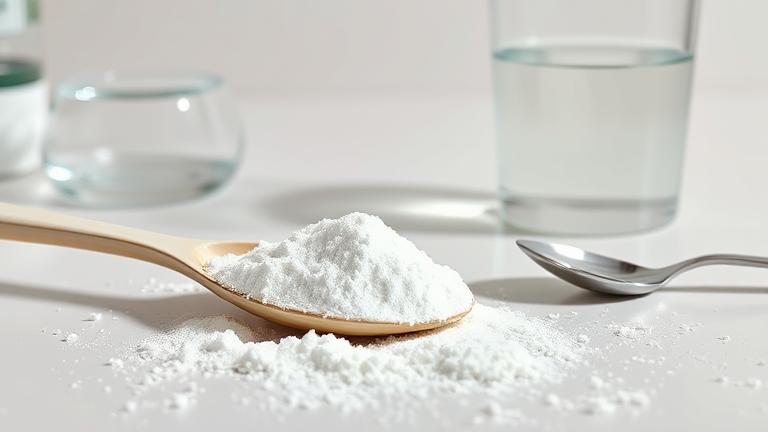
Is Raw Baking Soda Safe to Eat?
Many people wonder if it’s safe to eat baking soda in its raw form. Baking soda, also known as sodium bicarbonate, is a common ingredient in baking and cleaning. While it’s safe to use in recipes when properly measured, eating it straight can be a different story. It’s important to understand the safety considerations before tasting or consuming raw baking soda.
In small amounts, baking soda is generally considered safe for most people. It’s often used as an antacid to relieve indigestion or heartburn. A pinch of baking soda mixed with water can help neutralize stomach acid and provide temporary relief. However, eating large quantities or consuming it regularly can lead to health problems. That’s because baking soda is highly alkaline, and too much can upset the natural pH balance of your body.
Some common safety concerns related to eating raw baking soda include stomach upset, nausea, and vomiting. In more serious cases, it can cause an imbalance in your electrolytes, which are vital minerals like sodium and potassium. Excessive intake can even lead to a condition called metabolic alkalosis, which makes your blood too alkaline. Symptoms include confusion, muscle twitching, and even seizures in extreme cases.
It’s also important to note that baking soda is high in sodium. Consuming it in large amounts regularly can contribute to high blood pressure or other cardiovascular issues. People on a low-sodium diet should exercise caution and avoid eating baking soda directly.
Some tips for safe use of baking soda include:
- Use only small quantities if adding to food or drink. For example, a pinch or half a teaspoon is usually safe.
- Never consume an entire spoonful of baking soda without medical advice. It’s not meant to be eaten like candy.
- If you experience any adverse effects after eating baking soda, seek medical attention promptly.
- Keep baking soda out of children’s reach to prevent accidental ingestion.
While baking soda can be helpful for certain health issues in tiny doses, eating it in its raw form as a snack or regular supplement is not recommended. It’s always best to use it as intended in recipes or under the guidance of a healthcare professional. If in doubt, talk to a doctor before adding baking soda to your diet in any form.
Health Risks of Eating Baking Soda
Many people use baking soda in baking and cleaning, but it’s important to understand the health risks of eating baking soda. While small amounts are generally safe for occasional use, consuming too much or regularly ingesting baking soda can lead to health problems. Knowing these risks helps you use baking soda wisely and safely in your kitchen.
One common issue from eating baking soda is digestive problems. Baking soda is an alkaline substance that can help neutralize stomach acid, which is why some people use it as a home remedy for heartburn. However, taking too much baking soda at once can cause upset stomach, nausea, and even vomiting. It can also make you feel bloated or gassy because it reacts with stomach acid to produce carbon dioxide gas, leading to bloating or discomfort.
In more serious cases, eating large amounts of baking soda can cause an imbalance in your body’s pH levels. This condition, called metabolic alkalosis, occurs when your blood becomes too alkaline. Symptoms include muscle twitching, hand tremors, confusion, and in extreme cases, seizures. For people with kidney problems or high blood pressure, consuming baking soda can worsen these conditions because of its sodium content.
Because baking soda contains a lot of sodium, consuming it excessively can also raise your blood pressure. This is especially risky for people who need to watch their salt intake due to heart disease or hypertension. Regular intake of baking soda can lead to a buildup of sodium in your body, causing water retention and swelling.
It’s also important to be cautious if you are pregnant or have underlying health issues. Pregnant women should avoid eating large amounts of baking soda because it might affect electrolytes and cause dehydration or other complications. Likewise, people with heart or kidney conditions should consult their doctor before using baking soda as a remedy or supplement.
Finally, accidental overdose is possible if baking soda is used improperly. This can happen if someone tries to treat indigestion with excessive doses of baking soda or if children accidentally swallow it. Overdose can lead to serious complications, including electrolyte imbalances or even a medical emergency.
To stay safe, always use baking soda in moderation. Follow recommended doses if you are taking it for health reasons. For example, a common safe dose for indigestion is about half a teaspoon mixed in a glass of water, and this should not be done regularly or in large amounts. If you experience symptoms like persistent stomach upset, confusion, or muscle weakness after consuming baking soda, seek medical attention immediately.
- Avoid consuming large quantities of baking soda without medical guidance.
- Use small, controlled amounts if you’re using it as a home remedy.
- Be aware of your health conditions that might make baking soda riskier, such as kidney or heart issues.
- Consult your healthcare provider if you’re unsure about using baking soda for health reasons.
Baking Soda as a Medicine
Many people know baking soda not just for baking, but also as a handy remedy for certain health issues. One common use is for relieving indigestion or heartburn. When stomach acid causes discomfort, a small amount of baking soda can help neutralize that acid and soothe your tummy.
However, it is important to use baking soda properly and in moderation. If used incorrectly or too frequently, it can lead to side effects or other health problems. Knowing the right dosage and precautions can help you benefit from baking soda safely.
First, let’s talk about how to use baking soda for indigestion. Usually, a common dose is about half a teaspoon of baking soda mixed into a glass of water. Stir well until the powder dissolves completely. Drink this mixture slowly, and wait a few minutes to see if your symptoms improve.
It’s best to take no more than one dose every two hours if needed, and don’t exceed seven doses in a 24-hour period. If your symptoms persist longer than two weeks, or if you experience severe pain, vomiting, or blood in your stool or vomit, see a healthcare professional. Baking soda is not a cure for underlying conditions and should be used as an occasional relief, not a regular treatment.
When preparing to take baking soda medicinally, pay attention to a few safety tips. Always measure carefully. Using too much baking soda can cause an increase in blood pressure, swelling, or other serious side effects. People on a low-sodium diet should avoid using baking soda for indigestion because it contains a significant amount of salt.
- Start with a small dose to see how your body reacts.
- Use it only for occasional relief, not daily or long-term.
- Do not give baking soda to children or elderly without consulting a doctor.
- Avoid using it if you have high blood pressure, kidney disease, or heart issues.
While baking soda can be a quick fix for minor indigestion, it is not suitable for everyone. It’s important to understand the potential risks and to use it wisely. If you find yourself relying on it often, or if your symptoms are severe, always seek medical advice instead of trying to self-treat.
Remember, baking soda is a simple, inexpensive remedy, but like any medicine, it should be used thoughtfully and responsibly. When in doubt, check with your healthcare provider to ensure it’s safe for you to use.
How to Use Baking Soda Properly
Baking soda is a versatile ingredient often found in kitchens. It can be used for baking, cleaning, and even health remedies. However, using baking soda the right way is important to stay safe and get the best results.
First, understand that baking soda is a natural leavening agent. When added to recipes, it produces carbon dioxide bubbles that help dough or batter rise. But too much baking soda can cause a bitter taste or upsetting your stomach. So, it’s key to use the correct amount and follow proper methods.
Recommended Amounts
- For baking, a typical teaspoon or less is enough for most recipes. Usually, 1/4 to 1 teaspoon per cup of flour is enough to help baked goods rise.
- If you are using baking soda as an antacid or health remedy, follow the dosage instructions on the label or those given by a healthcare provider. Usually, a small half teaspoon mixed with water is enough, but do not exceed the recommended dose.
- For cleaning, a few tablespoons dissolved in water often work well to scrub surfaces or deodorize areas. Adjust based on the task and the amount of cleaning needed.
How to Incorporate Baking Soda Into Recipes
- Mix thoroughly: Always combine baking soda with other dry ingredients before adding liquids. This ensures even distribution and a uniform rise.
- Use fresh baking soda: Check if your baking soda is active by adding a small amount to vinegar or water. If it fizzes, it’s still good to use.
- Don’t overdo it: Excess baking soda can cause your baked goods to taste bitter and spoil the texture. Stick to the recommended amount in your recipe.
Safety Tips for Using Baking Soda
- Store properly: Keep baking soda in a sealed container in a cool, dry place to prevent clumping and ensure freshness.
- Be cautious with consumption: Do not exceed the advised dose when taking baking soda internally. Too much can cause stomach upset or other health issues.
- Avoid using on damaged skin or large skin areas: Baking soda can be harsh on skin, so test in a small area first or dilute well if used as a remedy.
- Keep away from children: Store baking soda out of reach to prevent accidental ingestion or misuse.
Common Mistakes to Avoid
- Using expired baking soda, which may have lost its effectiveness.
- Adding too much baking soda to recipes, causing an unpleasant taste or poor texture.
- Not dissolving baking soda completely in food or cleaning solutions, which can reduce its effectiveness.
By following these guidelines, you can safely enjoy the many benefits of baking soda in your cooking, cleaning, and health routines. Remember, moderation and proper storage are key to using baking soda properly every time.
Tips for Safe Baking Soda Consumption
Baking soda, also known as sodium bicarbonate, is a common ingredient in baking and home remedies. While it has many useful applications, it’s important to use it safely to avoid health risks. In this guide, you’ll find practical tips to help you enjoy baking soda safely and know when to seek professional advice.
Use in Moderation
The key to safe baking soda use is moderation. Small amounts are generally safe for baking and occasional remedies. For example, a teaspoon in baked goods or mixed with water for indigestion can be okay. However, overusing baking soda can lead to health problems like an upset stomach, nausea, or more serious issues such as low potassium levels and high blood pressure.
- Always stick to recommended amounts listed in recipes or instructions.
- Be cautious with homemade remedies; excessive use can harm your health.
Follow Proper Dosage Guidelines
When using baking soda as a remedy, for instance, to relieve heartburn, follow clear dosage instructions. Typically, a half teaspoon dissolved in a glass of water is enough. Do not exceed the suggested dose and never take it continuously for several days without consulting a healthcare professional.
- Read labels and instructions carefully.
- Consult your healthcare provider if unsure about the correct amount.
Know When to Consult a Healthcare Professional
Though baking soda is often used safely in small doses, certain people should avoid it or seek medical advice before using it regularly. This includes:
- People with high blood pressure or heart disease because baking soda contains sodium that can raise blood pressure.
- Individuals with kidney problems, as excess sodium can worsen their condition.
- Pregnant women should consult their doctors before using baking soda as a remedy.
- If you experience symptoms like persistent nausea, vomiting, or abdominal pain after using baking soda, seek medical attention immediately.
Store Baking Soda Safely
Proper storage prevents accidental ingestion or misuse. Keep baking soda in a cool, dry place, tightly sealed. Store it away from children and pets, as it can look like baking powder or other powders, creating a risk of confusion.
Use Baking Soda for Intended Purposes
While baking soda is versatile, only use it for safe culinary and household applications. Do not use it as a deodorant or for cleaning without proper guidance. Keep remedies and applications separate to prevent any accidental misuse.
Watch for Allergic Reactions
Although rare, some people may develop skin irritation or allergic reactions. If you notice redness, itching, or swelling after applying baking soda topically or ingesting it, stop use immediately and consult a doctor.
Summary of Precautionary Measures
| Tip | Important Note |
|---|---|
| Use small amounts | Follow recommended doses for baking and remedies |
| Follow dosage guidelines | Never exceed suggested amounts |
| Seek medical advice | Especially if you have health conditions or experience adverse effects |
| Store safely | Keep out of children’s reach and in a sealed container |
| Use appropriately | Only for intended culinary or household purposes |
By following these simple tips, you can enjoy the benefits of baking soda safely. Remember, when in doubt, always check with a healthcare provider to protect your health while using this common household item.