
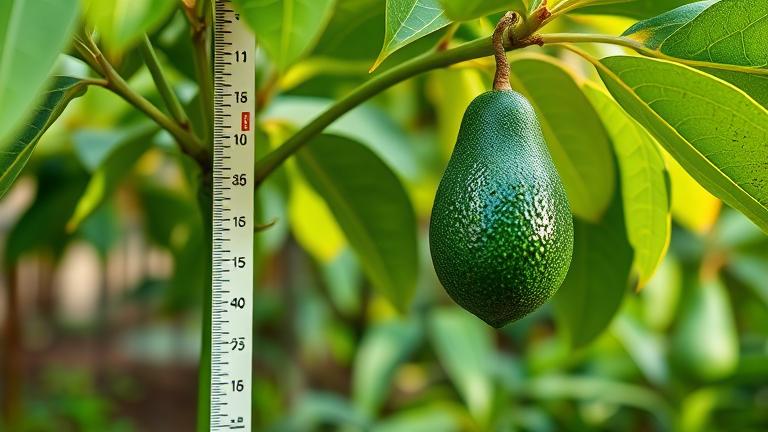
How Long Does It Take to Grow Avocado Trees?
Growing an avocado tree is an exciting journey that can bring delicious fruit to your home for years to come. If you’re wondering how long it takes from planting to harvest, you’re not alone. The timeline for an avocado tree to start bearing fruit varies depending on several factors, but understanding the general expectations can help you plan and stay patient.
Typically, it takes about three to four years for a grafted avocado tree to produce fruit. Grafted trees are those that have been propagated by joining a young tree with a mature rootstock, which speeds up fruit production. If you choose to grow from seed, your tree might take anywhere from five to thirteen years before it bears fruit. That’s a big difference, but growing from seed can be a rewarding process even if it takes longer.
Growth Factors That Influence Timeline
- Type of avocado: Some varieties grow faster than others. For example, Bacon and Pinkerton tend to fruit sooner than others like Fuerte or Hass, which are popular and may take longer to mature.
- Growing conditions: A healthy, well-maintained tree in ideal weather will grow faster. Warm, subtropical climates with plenty of sunlight promote quicker growth, while cooler or less sunny areas might slow things down.
- Soil quality: Well-draining soil rich in nutrients supports strong root development, which is key for growth and flowering. Poor soil can delay fruiting.
- Watering and fertilizing: Consistent moisture and proper fertilization encourage healthy growth. Too little water can stress the tree, while too much can cause issues like root rot.
Expected Growth Timeline
| Tree Type | Time to Fruit | Notes |
|---|---|---|
| Grafted tree | 3 to 4 years | Fastest route to fruiting; most common for home growers |
| Seed-grown tree | 5 to 13 years | Longer wait, but rewarding if you’re interested in growing from seed |
Patience and Practical Tips
Remember, patience is key when growing avocados. Every tree is unique, and factors like weather, soil, and care impact the growth rate. To encourage healthy early development, ensure your tree gets enough water, sunlight, and nutrients. Regularly pruning the tree can also promote better air circulation and growth.
Most importantly, enjoy the process. Watching your avocado tree grow is a satisfying experience, and with proper care, you’ll be rewarded with delicious fruit before long. Keep in mind that even if your tree takes a few extra years, the effort is well worth it for fresh, home-grown avocados.
Key Factors Influencing Avocado Fruit Production
Growing avocados can be a rewarding experience, but knowing when your tree will start to bear fruit depends on several important factors. These include the variety of avocado, the climate where it is planted, the soil conditions, and how you care for the tree. Understanding these elements will help you predict when your avocado tree might begin producing fruit and how to support healthy growth.
1. The Avocado Variety
Different avocado varieties have different timelines for fruit production. For example, the popular Hass variety usually starts producing fruit between 3 to 4 years after planting. In contrast, some newer or less common varieties might take longer, often 4 to 6 years.
Choose a variety suited to your climate and growing conditions for better results. Some varieties, like Bacon or Fuerte, might bear fruit earlier or later than Hass. Researching the specific variety helps set expectations and plan your patience accordingly.
2. Climate and Temperature
Avocado trees thrive in warm, subtropical or tropical climates. They need temperatures generally between 60°F and 85°F (15°C to 29°C). Frost can damage young trees, delaying their fruiting, or even kill them if severe. If you live in a cooler area, consider planting your tree in a protected spot or using frost blankets during cold snaps.
Consistent warm temperatures promote healthy flowering and fruit set. Extremely hot weather above 90°F (32°C) can cause stress and reduce fruit production. Rainfall and humidity levels also impact flowering. Too much rain can hinder pollination, while dry periods may require supplemental watering for optimal growth.
3. Soil Quality and Drainage
Avocado trees prefer well-draining soil rich in organic matter. Heavy clay soils that hold water can cause root rot, delaying or reducing fruit production. You can improve drainage by planting in sandy soil or amending your soil with organic compost and sand.
Ensure the soil’s pH level is between 6 and 7 for optimum nutrient uptake. Proper soil health encourages strong roots and healthy flowers, which are essential for fruit development.
4. Care Practices and Maintenance
Regular watering, fertilizing, and pruning play key roles in encouraging fruit production. Water deeply but infrequently to keep the roots healthy without oversaturating them. Mulching around the base helps retain moisture and suppress weeds.
Feeding your tree with a balanced fertilizer formulated for fruit trees supports flowering and fruit growth. Pruning helps shape the tree, remove dead branches, and increase air circulation, which benefits flowering. Be patient during the first few years as the tree matures and builds a strong foundation for fruiting.
5. Pollination and Flowering
Most avocado trees are either Type A or Type B flowers, meaning they open at different times. Planting both types nearby or choosing a self-fertile variety can improve pollination chances. Better pollination results in more and larger fruit crops.
Timing is crucial. Usually, the tree flowers in late winter or early spring, depending on your climate. Good weather during flowering ensures a higher chance of pollination and ultimately, successful fruit set.
By considering these factors the variety you choose, the climate, soil health, and your care practices you can better understand when your avocado tree might start to produce fruit. Patience and attentive care are key to enjoying a fruitful harvest in the coming years.
Best Practices for Growing Healthy Avocado Trees
Growing a healthy avocado tree can be a rewarding experience, especially when you see it thrive and produce delicious fruit. To help your tree grow strong and healthy, it’s important to follow some key tips and techniques. From watering and fertilizing to pruning and pest control, each step plays a part in the success of your avocado tree.
Watering Your Avocado Tree
Proper watering is crucial for avocado health. These trees prefer deep, thorough watering rather than frequent shallow ones. Aim to water your tree deeply once or twice a week, depending on the weather and soil type. During hot, dry periods, you might need to water more often. In cooler months, reduce watering to prevent overwatering and root rot.
Always check the soil before watering. If the top inch feels dry, it’s time to water. Avoid letting the soil stay soggy, as avocado roots are sensitive to excess moisture.
Fertilizing for Growth and Fruit Production
Feeding your avocado tree with the right nutrients helps it grow strong and produce fruit. Use a balanced fertilizer with nitrogen, phosphorus, and potassium. Apply fertilizer every 6 to 8 weeks during the growing season, typically spring and summer.
If your tree is not flowering or growing poorly, it might need more nitrogen. For trees showing signs of deficiencies, such as yellow leaves, consider using a slow-release fertilizer or supplement with micronutrients like magnesium or zinc.
Always follow the manufacturer’s instructions to avoid overfeeding, which can harm your tree. Organic options like compost or kelp extract can also promote healthy growth.
Pruning Your Avocado Tree
Pruning keeps your avocado tree healthy and helps shape it for better air circulation and light exposure. Remove dead, damaged, or crossing branches regularly. Pruning encourages new growth and can improve fruit quality.
Start pruning when the tree is young by trimming the top to promote a strong structure. As the tree matures, thin out crowded branches to prevent disease and pests. Be gentle and avoid removing more than 25% of the canopy in one go.
Tip: Use clean, sharp tools to make clean cuts, which heal faster and reduce the risk of infection.
Pest Management and Disease Prevention
Keeping pests and diseases at bay is key to maintaining a healthy avocado tree. Common pests include aphids, mites, and borers. Inspect your tree regularly and treat infestations early.
You can use organic treatments like neem oil or insecticidal soap to control pests. Remove any fallen leaves or fruit that show signs of disease to prevent spread.
Good sanitation, proper watering, and avoiding overcrowding also reduce the likelihood of fungal infections and other problems. If you notice unhealthy spots or severe pest damage, consulting a local extension office or arborist can help identify the issue and suggest effective solutions.
- Carefully monitor soil moisture levels and avoid overwatering.
- Feed your tree with appropriate fertilizer during the active growing season.
- Prune to shape your tree and remove unhealthy branches regularly.
- Inspect for pests often and act quickly to control infestations.
Troubleshooting Common Growing Issues
Growing your own fruits can be incredibly rewarding, but sometimes problems can slow down or stop fruit production. Knowing how to spot and fix common issues like pests, diseases, poor pollination, and environmental stresses can help ensure a healthy, fruitful harvest. Let’s explore some practical solutions to these challenges.
Pests That Attack Fruit Plants
Pests are one of the main troublemakers for fruit plants. Common pests include aphids, fruit flies, and spider mites. These insects suck sap or damage leaves, which weakens the plant and reduces fruit yield. To prevent pest problems, regularly inspect your plants for signs of infestation.
- If you see tiny insects on leaves or stems, gently wash them off with water or use insecticidal soap.
- Encourage beneficial insects like ladybugs and lacewings, which naturally prey on pests.
- For stubborn infestations, consider organic pesticides or neem oil, following the product instructions carefully.
Remember, healthy plants are more resistant to pests. Proper watering, fertilizing, and spacing can also make your plants less attractive to bugs.
Diseases That Can Harm Fruit Crops
Fungal and bacterial diseases can cause leaves to spot, fruit rot, or plants to weaken. Common issues include powdery mildew, fire blight, and fruit rot. Preventing disease is key to keeping your plants productive.
- Remove and dispose of infected plant parts promptly to stop the spread.
- Ensure good air circulation around your plants by spacing them properly.
- Water at the base of plants instead of overhead to minimize leaf wetness where fungi thrive.
- If disease appears, apply organic fungicides or appropriate treatments, and follow guidance carefully.
Prevention starts with selecting disease-resistant varieties and maintaining healthy, stress-free plants, which are less susceptible to infections.
Poor Pollination and Its Effects
Many fruits depend on pollination from bees, butterflies, or wind. If flowering is abundant but fruits aren’t setting, poor pollination might be the culprit. This results in fewer or misshapen fruits.
- Encourage pollinators by planting flowers nearby or avoiding pesticide use during bloom time.
- Manually pollinate by gently transferring pollen from flower to flower using a small brush or cotton swab.
- Ensure plants are properly spaced and not overcrowded to maximize pollinator access.
Timing matters too. Pollination usually happens when flowers are open and pollinators are active. If your plants bloom early or late, consider hand-pollination to boost fruit set.
Environmental Stresses That Affect Growth
Factors like extreme temperatures, drought, or excessive rain can stress plants and delay fruit production. Heatwaves can cause flowers to drop, while drought limits water available for fruit development.
- Water consistently during dry spells, aiming to keep soil evenly moist but not waterlogged.
- Provide shade or mulch around plants during hot days to protect flowers and fruit from intense sun.
- Use frost cloths or row covers to shield plants from cold snaps in early or late seasons.
- Ensure proper drainage to prevent root rot caused by standing water.
Monitoring weather forecasts and adjusting your care routines accordingly can help minimize environmental stress and keep your plants healthy and productive.
When and How to Harvest Avocado Fruits
Knowing when and how to harvest avocado fruits is key to enjoying their best flavor and texture. Avocados don’t ripen on the tree, so you’ll want to pick them at the right time for optimal ripeness. Understanding the signs that indicate when your avocado is ready to harvest makes all the difference in achieving delicious, high-quality fruit.
Most avocado varieties are ready to be harvested between 9 and 18 months after flowering, depending on the type and local climate. The best way to determine if your avocados are ripe is by observing their color, size, and firmness. Keep in mind that some varieties, like Bacon or Fuerte, change color when ripe, while others, such as the Haas, remain dark and develop a softer texture.
Signs That Your Avocado is Ready to Pick
- The fruit changes color, especially in varieties like Haas, which turn dark purple or black when ripe. Other types, such as Fuerte, stay green but develop a slight softening.
- The avocado yields gentle pressure when pinched. If it feels soft but not mushy, it’s likely ready for harvest. If it’s too firm, give it a few days before picking.
- The skin of some varieties begins to slightly soften and may show a slight gloss or shine. Avoid harvesting too early, as unripe avocados won’t have the best flavor or texture.
- The fruit easily separates from the tree with a gentle twist or lift. This indicates it’s mature enough to be harvested.
Best Time to Harvest
The ideal harvesting window varies by variety and location. Usually, avocados are ripe when they reach their typical size and color. It’s best to start checking your fruit a few weeks before the expected harvest time. Remember, avocados do not ripen on the tree; they only ripen after picking.
Let’s say you have a Haas avocado; it’s usually ready to harvest in late winter or early spring. If your tree produces Fuerte varieties, they often mature in late fall or early winter. Keep a close eye on your fruits around these times for signs of ripeness.
Proper Harvesting Technique
- Use clean, sharp tools such as pruning shears or a sharp knife to cut the fruit from the tree. Leave a small stem attached to prevent damage to the skin.
- Avoid pulling or twisting the fruit off the tree, as this can damage the tree or cause fruit to fall prematurely.
- For larger or heavy fruits, gently support the tree limb to prevent breakage while harvesting.
- If the fruit is difficult to reach, use a fruit picker pole with a soft grabbing mechanism to avoid bruising the avocado.
Storage Tips After Harvest
Once picked, avocados will continue to ripen off the tree. To speed up ripening, store them at room temperature in a paper bag. Adding ripe bananas or tomatoes can help accelerate the process. For slow ripening, keep avocados refrigerated but only after they have softened to your liking.
By paying attention to color, firmness, and ease of picking, you can harvest your avocados at just the right moment. This will ensure you enjoy the rich, buttery flavor that makes avocados a favorite for many dishes.