
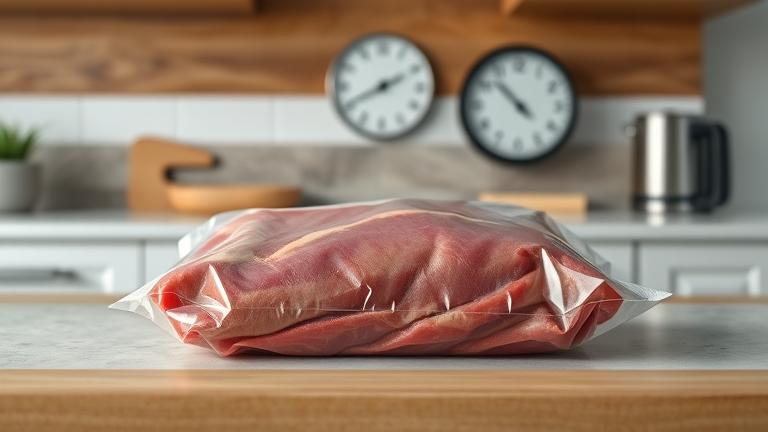
Understanding Meat Storage and Shelf Life
Storing meat properly is essential to keep it fresh and safe to eat. Knowing how long meat stays good and the best ways to store it can help prevent food waste and foodborne illnesses. Many factors influence how quickly meat spoils, so understanding these can help you make better choices in your kitchen.
Fresh meat, whether beef, chicken, pork, or fish, can spoil if it isn’t stored correctly. The main goal is to slow bacterial growth and oxidation, which cause spoilage. The temperature at which meat is kept is the most critical factor. Bacteria grow rapidly at room temperature, so always keep meat refrigerated or frozen until you are ready to cook.
Refrigeration is suitable for short-term storage. Generally, raw meat should be kept in the coldest part of your fridge, usually at 40°F (4°C) or lower. Cooked meat can be stored in the fridge for 3 to 4 days. Raw meat like beef or pork usually lasts 1 to 2 days, while poultry and fish spoil faster and should be cooked or frozen within a day or two.
Freezing extends the shelf life significantly. When properly frozen at 0°F (-18°C), most meats stay safe for months. For best quality, consume beef within 6 to 12 months, chicken within 9 months, and fish within 3 to 6 months. Always use airtight packaging, such as freezer bags or vacuum sealing, to prevent freezer burn.
The packaging and storage conditions make a big difference in how long meat stays fresh. If meat is exposed to air or improper wrapping, it can dry out, develop freezer burn, or spoil faster. Use clean containers or resealable bags that remove as much air as possible. Label packages with the date to keep track of storage time.
Another important factor is handling. Always wash your hands and surfaces before and after touching raw meat. Cross-contamination can lead to bacteria spreading to other foods or surfaces. Keep raw meat separate from ready-to-eat foods, and store it on the bottom shelf of the fridge to prevent drips. Proper handling and hygiene are critical to prevent foodborne illnesses.
Knowing the signs of spoiled meat can save you from eating something unsafe. Look for a sour or foul smell, slimy texture, or discoloration. If in doubt, it’s best to discard questionable meat to avoid health risks.
| Type of Meat | Refrigerator (Fresh) | Frozen (Long-term) |
|---|---|---|
| Beef, steaks, roasts | 3-5 days | 6-12 months |
| Pork, chops, roasts | 3-5 days | 4-12 months |
| Chicken, whole or parts | 1-2 days | 1 year |
| Fish, fillets | 1-2 days | 3-6 months |
Tips for safe meat storage include always checking your fridge and freezer temperatures regularly, keeping raw meat in leak-proof containers, and planning meals so that you use older meat first. By following these storage rules, you help ensure your meat stays fresh longer and remains safe to enjoy.
How Vacuum Sealing Extends Freshness
Vacuum sealing is a great way to keep meat fresh for a longer time. When you vacuum seal meat, you remove most of the air around it. This helps slow down the process of spoilage caused by bacteria and mold. It’s a simple trick that can make your meat last much longer in the refrigerator or freezer.
One of the biggest benefits of vacuum sealing is that it prevents freezer burn. Freezer burn happens when air hits the surface of frozen meat, causing dehydration and oxidation. This can make the meat dry, tough, and less tasty. By sealing the meat tightly, you create a barrier that keeps moisture in and air out. As a result, the texture and flavor stay better for longer.
Vacuum sealing also helps maintain the meat’s quality by reducing exposure to light and oxygen. Oxygen can cause the meat to oxidize, which leads to spoilage and bad odors. Removing the air limits this process and keeps the meat looking and smelling fresh. For example, vacuum-sealed steaks may keep their bright color and juicy texture for weeks longer than unsealed ones.
Another advantage is that vacuum sealing allows you to portion meat ahead of time. Instead of storing large cuts that may spoil faster, you can divide meat into smaller portions. Seal each portion separately. This way, you only thaw what you need, reducing waste and keeping the rest sealed in perfect condition. It’s especially useful for busy households or those who like to stockpile for future meals.
- Always clean the meat thoroughly before sealing to remove any bacteria or dirt.
- Use high-quality vacuum seal bags designed for freezer use to prevent punctures and tears.
- Do not overstuff the bag; leave enough space for a proper seal.
- For extra protection, you can add a layer of plastic wrap around particularly delicate cuts before sealing.
- Keep your vacuum sealer clean and check the seals regularly to ensure they stay airtight.
While vacuum sealing is a fantastic way to extend freshness, remember that it doesn’t replace proper handling and storage. Keep your freezer at the right temperature, ideally below 0°F (-18°C), to prevent bacteria from growing. Also, always thaw meat safely in the refrigerator or using a microwave. This prevents bacteria from multiplying and improves the taste and safety of your meat when cooking.
Signs That Meat Has Spoiled
Figuring out if your meat is still good to cook and eat can sometimes be tricky. Spoiled meat not only tastes unpleasant but can also cause food poisoning, so it’s important to spot the signs early. Fortunately, there are several clear cues you can look for to determine if the meat has gone bad.
One of the most obvious signs is appearance. Fresh meat usually has a bright, vibrant color, like red for beef or pink for chicken. If you notice the meat has turned a dull, grayish-brown color or has developed patches of discoloration, it might be spoiled. Sometimes, mold or slimy spots appear, which are strong indicators that the meat is no longer safe to eat.
Next, give the meat a sniff test. Fresh meat often has a mild, almost neutral smell. If the meat emits a strong, sour, or rancid odor, it is a sign that bacteria have multiplied and the meat is past its prime. Don’t rely solely on the smell, especially since some packaging can mask odors, but it’s usually a reliable indicator.
Checking the texture is also helpful. Fresh meat feels firm and moist but not slimy or sticky. If you touch the meat and it feels sticky, gooey, or slimy, it is a strong indication that it has spoiled. This slimy coating is caused by bacteria and tends to develop quickly once the meat begins to degrade. Always pay attention to any excessive moisture or a slippery surface on the meat’s surface.
Additionally, consider how long the meat has been stored. Meat kept in the fridge for more than 2 to 3 days for raw meat or beyond its recommended storage time in the freezer may start to spoil even if it looks and smells okay. Check the use-by or sell-by dates on pre-packaged meat as a helpful guideline.
To summarize, here are the main signs to watch for:
- Color change from bright red or pink to dull gray or brown
- Unpleasant, sour, or rancid smell
- Slime or sticky texture on the surface
- Discoloration with mold or strange spots
- Exceeding recommended storage time
If your meat shows one or more of these signs, it’s best to err on the side of caution and discard it. Consuming spoiled meat can cause foodborne illnesses like salmonella or E. coli, which can make you very sick. When in doubt, remember: when something seems off, it’s safer to throw it out and start fresh. Your health and safety are worth it!
Risks of Leaving Meat at Room Temperature
Leaving meat out at room temperature can be tempting, especially when you’re rushing through meal prep or trying to thaw meat quickly. However, it’s important to understand that this practice comes with significant health risks. Bacteria thrive in warm environments, and room temperature offers the perfect conditions for their rapid growth. This can lead to serious foodborne illnesses, which might cause symptoms like stomach cramps, diarrhea, fever, and vomiting.
When meat is left out for too long, especially for more than two hours, bacteria such as Salmonella, E. coli, and Clostridium perfringens can multiply quickly. The danger increases if the ambient temperature is above 90°F (32°C). In these conditions, bacteria can double in number every 20 minutes, turning the meat into a breeding ground for pathogens. Consuming meat contaminated with these bacteria can result in food poisoning, which can sometimes be severe, especially for young children, pregnant women, seniors, and individuals with weakened immune systems.
One common mistake home cooks make is thinking that cooked meat can be left out to cool or sit before serving. The truth is, cooked meat should be refrigerated within two hours of cooking to prevent bacterial growth. If the room temperature is hot, like during summer picnics or outdoor barbecues, this window shrinks to just one hour. After this time frame, bacteria can develop to levels that make the meat unsafe to eat.
Another risk involved in leaving meat at room temperature is the potential for cross-contamination. When raw meat sits out, juices can drip onto countertops, utensils, or other foods, spreading bacteria beyond the original meat. This contamination can lead to the unintentional ingestion of harmful germs even if the meat looks and smells fine.
To keep your meals safe, always store meat properly. Use a refrigerator set at 40°F (4°C) or below and freeze meat if you won’t cook it within a few days. When thawing meat, do so in the refrigerator, in cold water, or in the microwave never leave it out on the counter for hours. If you need to bring meat to room temperature before cooking, limit the time it’s out to just 30 minutes to an hour.
Remember, food safety is about control. Keeping meat out of the danger zone between 40°F (4°C) and 140°F (60°C) helps prevent bacterial growth. By being mindful of how long meat sits out and storing it correctly, you can avoid many unnecessary health risks and enjoy your meals with peace of mind.
Safe Practices for Meat Storage
Storing meat properly is essential to keep it fresh and safe to eat. Whether you buy fresh cuts or leftovers, following simple guidelines helps prevent spoilage and foodborne illnesses. Making sure your meat is stored at the right temperature and for the correct amount of time can make a big difference in quality and safety.
First, always keep meat refrigerated at or below 40°F (4°C). Use a refrigerator thermometer to check the temperature regularly. If the fridge is too warm, bacteria can grow faster, increasing the risk of spoilage. Keep raw meat on the bottom shelf to avoid cross-contamination with other foods, especially ready-to-eat items like salads or cooked dishes.
For longer storage, freezing meat is the best option. Wrap meat tightly in plastic wrap, aluminum foil, or store it in airtight containers. This prevents freezer burn, which can dry out the meat and affect taste. Label packages with the date you froze them so you’ll know how long they’ve been stored.
Storage Duration Tips
- Fresh cuts of beef, pork, lamb, or veal can stay in the fridge for 3 to 5 days.
- Ground meat, such as beef or turkey, should be used within 1 to 2 days for best quality.
- Cooked meat leftovers can be stored in the fridge for 3 to 4 days.
- Frozen meat remains safe beyond these times but is best used within recommended periods for optimal flavor: beef or lamb for 6 to 12 months, poultry for 1 year, and ground meat for about 3 to 4 months.
Remember, these times are guidelines. If meat develops a sour smell, slimy texture, or odd color, it’s safest to discard it. Trust your senses and don’t risk eating spoiled meat.
Additional Best Practices
- Always defrost meat safely. The best method is in the refrigerator, allowing it to thaw gradually. You can also use the microwave or cold water method, but cook the meat immediately after.
- Avoid leaving meat out at room temperature for more than two hours. Bacteria grow quickly in the danger zone between 40°F (4°C) and 140°F (60°C).
- Use a clean plate and utensils when handling raw meat. Wash your hands thoroughly after touching raw meat to prevent cross-contamination.
- When storing leftovers, place them in shallow containers. This helps them cool quickly and evenly, reducing bacteria growth.
By following these safe storage practices, you can enjoy delicious meat dishes without worry. Proper management keeps your meat fresh longer and helps protect your family from foodborne illnesses. Remember, when in doubt, it’s better to be safe and discard suspicious-looking meat.