
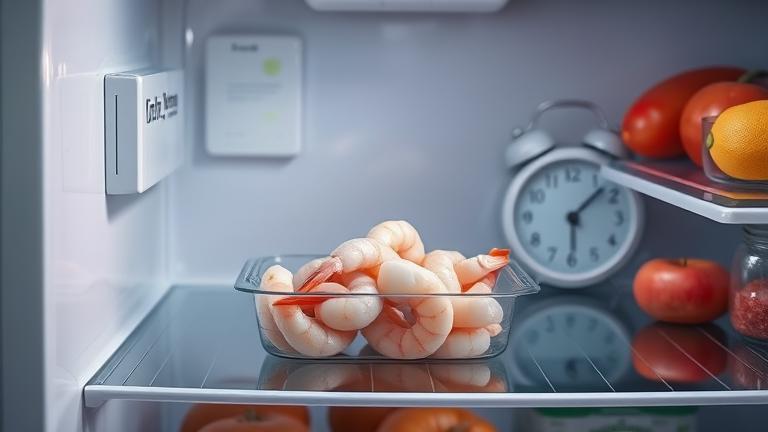
How to Store Thawed Shrimp Safely
Once you have thawed shrimp, it is crucial to store them properly to maintain their freshness and ensure they are safe to eat. Freshly thawed shrimp are more delicate and perishable, so correct storage helps prevent spoilage and foodborne illnesses. Following simple guidelines guarantees your shrimp remains tasty and safe until you’re ready to cook or enjoy them.
The first step is to transfer the shrimp to a clean container or dish. Avoid leaving them in the original packaging if it is not airtight or if some liquid has accumulated. Instead, use a shallow, airtight container or resealable plastic bag. Squeezing out excess air helps slow down spoilage and keeps the shrimp from absorbing other odors from the fridge.
Keep your shrimp cold. Store them in the coldest part of the refrigerator, usually on the bottom shelf or in a special crisper drawer. The temperature should be at or below 40°F (4°C). Use a refrigerator thermometer if you’re unsure. Proper cold storage inhibits bacteria growth and maintains shrimp quality.
It’s best to cook or eat thawed shrimp within one or two days. After that, the risk of spoilage and food poisoning increases. If you cannot use them within this time frame, consider cooking the shrimp and then freezing the cooked leftovers for later use.
Tips for Proper Storage
- Always store shrimp in a covered container or sealed plastic bag to prevent cross-contamination with other foods.
- Place the container on the bottom shelf of the fridge to avoid drips onto other items.
- Label the storage container with the date of thawing, so you know how long they have been in the fridge.
- If you need to extend the shelf life, cook the shrimp first and then freeze the cooked shrimp in an airtight container.
- Avoid leaving thawed shrimp at room temperature for extended periods. Bacteria thrive in warm environments.
How Long Can Thawed Shrimp Last in the Fridge?
| Storage Method | Duration | Notes |
|---|---|---|
| In the refrigerator (raw) | 1 to 2 days | Keep at or below 40°F. Best eaten within this window. |
| Cooked shrimp | 3 to 4 days | Stored in an airtight container. |
| Frozen after thawing | Not recommended to refreeze raw shrimp | If cooked first, can be frozen again for longer storage. |
Remember, always rely on your senses to check shrimp quality. If they smell sour or have a slimy texture, it’s safest to discard them. Proper storage practices help ensure your shrimp stays delicious and safe to enjoy, so good habits lead to tasty results!
Signs Shrimp Has Spoiled After Thawing
When you thaw shrimp, it is important to check whether it is still good to eat. Spoiled shrimp can cause food poisoning, so knowing the signs is key to staying safe. After thawing, examine the shrimp carefully by looking at it, smelling it, and feeling its texture to determine if it has gone bad.
First, assess its appearance. Fresh shrimp should be firm, shiny, and have a pink or grayish color depending on the variety. If the shrimp looks dull, slimy, or has turned a dull gray or brownish hue, it may be spoiling. Sometimes, spoiled shrimp develop dark spots or discoloration, which are abnormal. If the shell is slimy or sticky, that indicates bacteria growth.
Next, give it a sniff. Fresh shrimp should have a mild, ocean-like smell. If you detect a strong, sour, fishy, or ammoniacal odor, it is a red flag. These unpleasant smells can indicate bacteria and spoilage. Trust your nose if it smells off even slightly, it is safest to discard it. Remember, seafood odors are quite noticeable even in small amounts.
Check the texture by gently pressing the shrimp; it should feel firm and spring back. If it feels mushy, slimy, or sticky, that is a sign it has gone bad. Spoiled shrimp often develop a slimy coating, which you can easily feel with your fingers. Avoid eating shrimp that feels overly soft or leaves a slimy residue on your hand.
Spoiled shrimp might also display unusual appearance or smell that develops over time, especially if stored too long after thawing. Always pay attention to storage time. When in doubt, it is safer to discard questionable seafood. For example, if cooked or raw shrimp have been in the fridge more than a day or two, check them carefully before consuming.
Here are some quick tips:
- Always thaw shrimp in the refrigerator, not at room temperature.
- Use the shrimp within one or two days after thawing.
- Follow the rule: “When in doubt, throw it out.”
Consuming spoiled seafood can lead to food poisoning, which causes symptoms such as nausea, vomiting, and stomach cramps. It is better to be cautious and avoid eating shrimp showing any of these signs. By carefully checking appearance, smell, and texture after thawing, you can enjoy your seafood safely. Always trust your senses they are your best tools for keeping food safe and tasty.
Best Containers for Putting Thawed Shrimp
When storing thawed shrimp, selecting the right container is key to keeping it fresh longer and preventing cross-contamination in your refrigerator. Fresh, properly stored shrimp can last a day or two after thawing, so having suitable containers significantly improves quality and safety.
Look for containers that are airtight and leak-proof. Shrimp are delicate and can absorb other flavors or leak liquids, which could spoil other foods. The goal is to contain all their juices and keep out bacteria or odors from other items in your fridge.
Types of Containers to Use
- Glass containers: These are an excellent choice as they seal tightly, do not stain or retain odors, and are easy to clean. Use ones with snap-on lids or rubber gaskets for a secure seal.
- Plastic containers: Choose BPA-free, food-grade plastic with tight-fitting lids. Select containers with lids that snap or screw on firmly to prevent leaks.
- Vacuum-sealed bags: If you have a vacuum sealer, these are ideal for storing shrimp. They remove air and extend freshness, plus save space in the fridge.
Tips for Proper Storage
Ensure your shrimp are dry before placing them in the container to prevent excess moisture, which can accelerate spoilage. Arrange the shrimp in a single layer if possible, to allow for even cooling and easy removal.
If storing a larger amount, divide it into smaller portions. This helps you thaw only what you need without repeatedly exposing the entire batch. Label your containers with the date so you can track how long they have been stored.
Safety and Freshness Tips
- Always keep thawed shrimp in the coldest part of your fridge, typically on the bottom shelf at or below 40°F (4°C).
- Use the shrimp within one or two days after thawing to ensure it remains fresh and safe to eat.
- If you notice any off smell, sliminess, or discoloration, discard the shrimp immediately.
Summary
Choosing the right container for thawed shrimp is simple but crucial. Airtight, leak-proof options like glass containers, plastic containers, or vacuum bags help maintain freshness and prevent cross-contamination. Proper storage and prompt use are your best tools to enjoy delicious, safe shrimp every time.
Safe Thawing Methods for Fresh Shrimp
Thawing fresh shrimp safely is important to conserve their flavor and texture while also preventing foodborne illness. There are several reliable methods you can use, each with its own benefits. The choice of method depends on how much time you have and how you plan to cook the shrimp later. With a little care, you can prepare your shrimp safely and easily.
Refrigerator Thawing
The safest way to thaw shrimp is in the refrigerator. This method keeps the shrimp at a steady, safe temperature to prevent bacteria growth. To do this:
Place the shrimp in a covered bowl or sealed plastic bag to prevent drips onto other foods. Set it on a plate or in a shallow dish to catch any liquid. Then, put it in the refrigerator, ideally on the bottom shelf where temperatures are most consistent.
Allow about 24 hours for every pound of shrimp to thaw properly. Smaller amounts may thaw overnight, while larger quantities might take longer. Plan ahead so the shrimp are ready without rushing. Once thawed, cook the shrimp within one or two days for optimal freshness.
Cold Water Thawing
This method is faster than refrigerator thawing and still safe if done properly. Here’s how:
- Place the shrimp in a sealed, leak-proof plastic bag to prevent water from damaging the texture and to avoid contamination.
- Fill a large bowl or sink with cold water. Never use warm or hot water because it can promote bacterial growth.
- Submerge the sealed bag of shrimp in the cold water. Use a plate or weight to keep the bag fully submerged if needed.
- Change the water every 30 minutes to keep it cold. This ensures even and safe thawing.
- Small amounts may thaw in 30 minutes to an hour, while larger quantities might take several hours.
Once fully thawed, cook the shrimp immediately. Do not refreeze thawed shrimp unless cooked first.
Microwave Thawing
Using a microwave is the quickest method but requires care. Follow these steps:
- Remove the shrimp from any packaging and place them on a microwave-safe dish.
- Select the defrost setting on your microwave. If your microwave lacks a defrost option, set it to 30% power.
- Thaw in short intervals, about 30 seconds each, checking regularly. Turn or rearrange the shrimp during thawing for even defrosting.
- Avoid starting to cook the shrimp during this process. If edges begin to cook, stop immediately.
Cook the shrimp right after microwave thawing to ensure safety and the best quality. This method is handy when you’re in a hurry, but it requires close attention.
Tips for Safe Thawing
- Avoid leaving shrimp at room temperature, as this promotes bacterial growth.
- Always thaw shrimp in the refrigerator, cold water, or microwave not on the countertop.
- Cook shrimp promptly after thawing to keep them fresh and safe.
- Never refreeze shrimp that has been thawed using cold water or microwave methods unless cooked first.
Following these safe thawing methods, you can enjoy delicious, fresh seafood with peace of mind. Whether thawed in advance in the refrigerator or quickly in the microwave, prioritize safety to ensure quality results.
Tips to Keep Shrimp Fresh Longer
Fresh shrimp are a delicious, versatile seafood option, but they can spoil quickly if not stored properly. Whether purchased fresh or thawed, keeping shrimp fresh longer in the fridge is straightforward with a few simple tips. Proper handling and storage can help preserve their quality, flavor, and safety for several days.
First, always store shrimp in the coldest part of your refrigerator, usually near the back or on the bottom shelf. The ideal temperature for storing raw shrimp is below 40°F (4°C). To ensure this, regularly monitor the temperature with a refrigerator thermometer.
Next, keep the shrimp in their original packaging if unopened. If the package has been opened, transfer the shrimp to an airtight container or resealable plastic bag. You can also place them in a bowl covered tightly with plastic wrap. This prevents exposure to air, which can dry out the shrimp and hasten spoilage.
For extra freshness, place the shrimp on a bed of crushed ice inside a shallow dish or container, then cover them. Changing the ice daily keeps the shrimp cold and inhibits bacteria growth. This method is especially useful if you plan to store the shrimp for more than a day or two.
Cooked shrimp should also be stored in airtight containers and kept refrigerated. They typically last 3 to 4 days when stored properly. Remember to label the container with the date so you can use them before they spoil.
Be mindful of storage durations: raw or cooked shrimp should be consumed within 1 to 2 days after thawing or cooking. Beyond this timeframe, bacterial growth is more likely, and the shrimp might develop an off smell or slimy texture. Always check carefully for signs of spoilage before eating.
When storing thawed shrimp, avoid leaving them at room temperature for extended periods. Thaw in the refrigerator overnight or under cold running water if needed sooner. Never thaw shrimp in hot water or leave them out on the counter, as this encourages bacteria growth.
In summary, maintaining a consistently cold fridge temperature, using airtight containers, utilizing ice when possible, and adhering to safe timeframes are key to keeping shrimp fresh longer. These simple practices help preserve quality, flavor, and safety, ensuring your seafood remains delicious and ready for your recipes.