
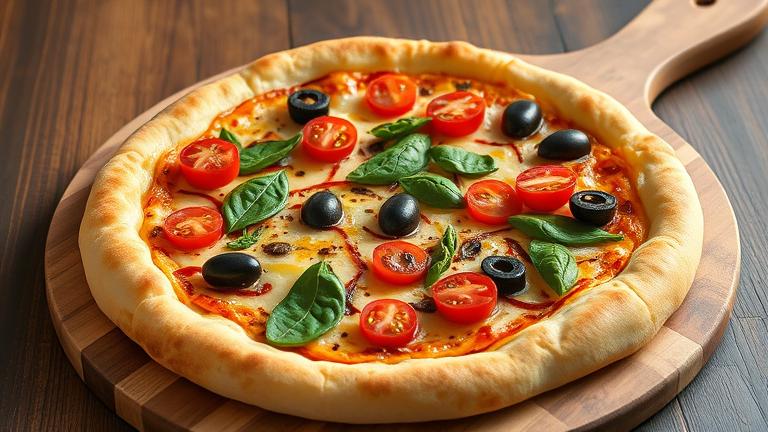
Vegan Pizza Dough: How to Make It
Making vegan pizza dough from scratch is easier than you might think. With a few simple ingredients and some practice, you can create a soft, chewy crust that is perfect for your favorite toppings. This guide will walk you through the basic steps to prepare a delicious vegan pizza dough, along with helpful tips on ingredients and kneading techniques.
Start by gathering your ingredients. You will need flour, plant-based milk, olive oil, yeast, a pinch of salt, and a little sugar or maple syrup. For the flour, all-purpose or bread flour works well. Using warm plant-based milk helps activate the yeast, which is essential for the dough to rise and become light and airy. The oil adds flavor and makes the crust tender. Remember, always use fresh yeast for the best results.
Step 1: Activate the Yeast
In a small bowl, combine warm plant-based milk (around 110°F or 43°C) with a teaspoon of sugar or maple syrup. Stir it gently and sprinkle the yeast on top. Let it sit for about 5 to 10 minutes until it becomes frothy. This step is called proofing, and it shows that the yeast is active and ready to work.
Step 2: Mix the Dough
In a large mixing bowl, put your flour and salt. Make a well in the center and pour in the activated yeast mixture and olive oil. Using a spoon or your hands, mix everything together until a shaggy dough forms. If the dough feels too sticky, sprinkle in a little more flour. If it’s too dry, add a splash more plant-based milk.
Step 3: Knead the Dough
This is a key step for creating a stretchy, chewy crust. Transfer the dough to a lightly floured surface. Knead it by pressing down with the heel of your hand, folding it over, and turning it. Continue kneading for about 8 to 10 minutes. The dough should become smooth and elastic.
If the dough is sticking too much, dust it lightly with flour. Avoid adding too much, as this can make the crust dense. Kneading develops gluten in the dough, giving your pizza structure and chewiness. Remember, patience is key good dough takes a little time to develop.
Step 4: Let the Dough Rise
Shape the dough into a ball and place it in a lightly oiled bowl. Cover the bowl with a damp towel or plastic wrap. Let it sit in a warm spot for about 1 to 2 hours, or until it doubles in size. Rising is when the yeast ferments, producing gas that makes the dough expand and become fluffy.
Tips for Perfect Vegan Pizza Dough
- Use warm, not hot, liquids to activate the yeast. Hot liquids can kill the yeast.
- Don’t rush the rising process. Patience results in better texture.
- If your dough is tough or not rising well, check the yeast’s freshness or adjust the water temperature.
- For a whole wheat or gluten-free version, substitute part of the flour and be prepared for different textures.
Once your dough has doubled in size, it’s ready to be shaped and topped with your favorite vegan ingredients. With a little practice, your homemade vegan pizza crust will become a go-to for delicious, plant-based pizza nights.
Best Vegan Toppings for Pizza
When it comes to making delicious vegan pizza, choosing the right toppings can really elevate the flavor and make your pizza stand out. Thankfully, there’s a wide variety of plant-based options that taste great and keep your pizza entirely vegan. Whether you love fresh vegetables, hearty plant-based meats, or flavorful sauces, there’s something for everyone.
Start with a good base your pizza sauce and cheese alternatives and then sprinkle on your favorite toppings. The key is to balance textures and flavors so each bite is satisfying. Let’s explore some of the best vegan toppings you can try to create a tasty veggie-loaded or meatless pizza.
Fresh Vegetables
- Bell Peppers: Bright, sweet, and crunchy, bell peppers brighten up any pizza. Use red, yellow, or green for a colorful touch.
- Red Onions: Thinly sliced red onions add a mild, sweet sharpness. They soften nicely when baked.
- Mushrooms: A classic pizza topping, mushrooms bring umami flavor. Try button, cremini, or portobello slices.
- Olives: Black or green olives add a salty punch that complements other toppings well.
- Spinach or Kale: Leafy greens are nutritious and soften as they cook, adding a nice textural contrast and a boost of nutrients.
- Cherry Tomatoes: For a burst of sweetness and moisture, slice cherry tomatoes and scatter them on top before baking.
Plant-Based Proteins and Cheeses
- Vegan Meats: Try plant-based sausage, pepperoni, or shredded chicken alternatives for a hearty feel. Brands like Beyond Meat or Lightlife offer popular options.
- Tofu or Tempeh: Cubed or sliced, these proteins absorb flavors well. Marinate them beforehand for extra taste.
- Vegan Cheese: Use shredded vegan mozzarella, cheddar, or spicy cheeses to mimic traditional cheese toppings. They melt nicely and taste creamy.
Flavor Enhancers and Unique Toppings
- Fresh Herbs: Basil, oregano, and thyme add aromatic flavor when added after baking.
- Garlic: Minced or sliced thin, garlic boosts flavor and aroma.
- Crushed Red Pepper Flakes: For those who like a touch of heat, sprinkle some on top.
- Nutritional Yeast: This cheesy-tasting powder can be sprinkled over the top for extra umami and nutrients.
Creative and Gourmet Toppings
- Vegan Pesto: Drizzle over the pizza before or after baking for a fresh, herby flavor.
- Artichoke Hearts: Marinated artichokes add a tangy, tender bite.
- Sun-dried Tomatoes: Concentrated tomato flavor that pairs well with greens and herbs.
Mix and match these toppings to craft your ideal vegan pizza. Keep in mind that adding too many wet ingredients, like fresh tomatoes early on, might make the crust soggy. To avoid this, consider adding delicate toppings towards the end of baking or after the pizza is out of the oven. With these tasty toppings, your pizza will be packed with flavor and totally vegan-friendly!
Delicious Vegan Sauce Options
If you’re looking to elevate your vegan pizza with tasty sauces, you’re in the right place. Vegan sauces are a wonderful way to add flavor, moisture, and freshness to your dish. From classic tomato-based sauces to vibrant pestos and other creative options, there are plenty of choices to suit every taste.
Tomato-Based Sauces
The most traditional vegan pizza sauce is a simple tomato sauce. Made from canned or fresh tomatoes, garlic, olive oil, and herbs, it’s both easy and flavorful. You can keep it smooth or slightly chunky, depending on your preference.
- Basic Recipe: Sauté minced garlic in olive oil until fragrant. Add crushed canned tomatoes, salt, pepper, and herbs like basil and oregano. Simmer for 15-20 minutes to develop flavors.
- Tips: For extra richness, add a teaspoon of maple syrup or a splash of balsamic vinegar. To make it extra smooth, blend the sauce after simmering.
- Storage: Store in an airtight container in the fridge for up to 4 days or freeze for longer storage.
Pesto and Green Sauces
Vegan pesto is a vibrant and herby sauce that pairs wonderfully with many pizzas. Traditional pesto uses cheese, but vegan versions swap nuts and herbs for a delicious, cheesy flavor without dairy.
- Vegan Pesto: Blend fresh basil, garlic, pine nuts or walnuts, olive oil, lemon juice, and nutritional yeast or vegan Parmesan until smooth. Adjust the consistency with more oil or water.
- Other Green Sauces: Try cilantro-lime or parsley-tomatillo sauces for a fresh twist. These can be blended with olive oil, garlic, lime juice, and a pinch of salt.
- Uses: Spread on dough before baking or drizzle on top after baking for a fresh flavor boost.
Other Flavorful Vegan Sauces
Beyond tomato and pesto, there are many other sauces that add excitement to your vegan pizza. Consider using hummus, tapenade, or even a coconut curry sauce for a unique twist.
- Hummus: Spread a layer of your favorite hummus on the crust. It adds creaminess and a boost of protein.
- Tapenade: Made from blended olives, capers, and herbs, tapenade provides a salty, savory punch. Use sparingly as a base or drizzle on top.
- Coconut Curry: For an adventurous option, try a mild coconut curry sauce. Use coconut milk, curry spices, and a splash of lime for a smooth, flavorful base.
Practical Tips for Vegan Sauces
- Start with small amounts and adjust to taste. It’s easier to add more than to fix too much sauce.
- Make sauces ahead of time. Many recipes, like pesto or tomato sauce, taste better after sitting for a day.
- Experiment with flavors. Adding a touch of chili, smoked paprika, or lemon juice can elevate your sauces.
- Store leftover sauces in airtight containers in the fridge for up to a week or freeze for longer storage.
Tips for a Perfect Vegan Pizza
Making a vegan pizza that tastes great and looks tempting is easier than you might think. The key is to pay attention to baking techniques, ingredient choices, and presentation. With a few simple tips, you can create a delicious vegan pizza every time.
Choosing the Right Dough
Start with a good vegan pizza dough. You can buy pre-made or make your own at home. When making your own, use simple ingredients like flour, yeast, water, salt, and a splash of olive oil. Let the dough rise until it doubles in size, which develops flavor and makes it easier to stretch. For a crispy crust, preheat your oven to a high temperature, around 475°F (245°C), and use a pizza stone or baking sheet to get that authentic crunch.
Smart Ingredient Pairings
Picking the right toppings is important for flavor and texture. Use a vibrant tomato sauce or even a pesto base for extra flavor. When it comes to cheese, opt for vegan cheeses like cashew-based, coconut oil-based, or store-bought varieties that melt well. Layer your toppings thoughtfully: avoid overloading to prevent sogginess, and include a mix of vegetables like bell peppers, red onions, spinach, and mushrooms for color and nutrition.
Handling the Toppings
Spread your sauce evenly over the dough, leaving a small border around the edges for the crust. Add cheese on top of the sauce, then distribute your chosen toppings. For best results, cut thicker vegetables like bell peppers or zucchini into small pieces so they cook evenly. A drizzle of olive oil over the top before baking adds flavor and helps toppings brown nicely.
Baking for Perfection
Baking temperature is critical. Preheated oven at high heat allows the crust to crisp up while melting the toppings perfectly. Bake for about 12-15 minutes, or until the crust is golden and toppings look bubbly. Keep an eye on your pizza during the last few minutes to prevent burning. To ensure even baking, consider rotating the pizza halfway through cooking if using a traditional oven.
Presentation Tips
Presentation makes your vegan pizza even more appealing. Let the pizza cool for a few minutes after baking so toppings set. Garnish with fresh herbs like basil or arugula for a burst of color and flavor. Cutting the pizza with a sharp pizza cutter makes neat slices. Serve with a side salad for a complete meal. Remember, a well-presented pizza encourages everyone to dig in and enjoy.
- Use quality ingredients for the best flavor.
- Don’t overload toppings to prevent sogginess.
- Preheat your oven and baking surface well for crispy crusts.
- Experiment with different vegan cheeses and toppings for variety.
- Let your pizza rest a few minutes after baking for cleaner slices.
Creative Ideas Without Cheese
If you’re making a vegan pizza or simply want to try new flavor combinations without cheese, there are plenty of tasty options to explore. Adding vibrant toppings and flavorful sauces can transform your pizza into a delicious, satisfying meal that doesn’t rely on dairy. Don’t worry you won’t miss the cheese when you try these creative ideas.
One of the easiest ways to boost flavor is with an array of fresh vegetables. Sliced bell peppers, red onions, cherry tomatoes, and thinly sliced zucchini bring color and crunch. You can also add some roasted vegetables like eggplant or mushrooms seasoned with herbs for extra depth.
If you want a bit more richness, consider plant-based spreads or drizzles. Pesto made from basil, garlic, pine nuts, and olive oil can add a herby punch. Sun-dried tomatoes blended with olive oil create a bold, tangy sauce that pairs beautifully with other toppings.
Creative Toppings To Try
- Grilled pineapple chunks for a sweet and savory twist
- Thin slices of marinated artichoke hearts
- Pickled jalapenos for a spicy kick
- Fresh basil leaves or arugula added after baking
- Crushed walnuts or pine nuts for crunch and richness
Flavorful Sauce Ideas
- Vegan hummus spread under the toppings adds creaminess and flavor
- Garlic-infused olive oil brushed on before baking creates a fragrant crust
- Sweet chili sauce or sesame sauce for an Asian-inspired twist
- Marinara or tomato sauce with extra herbs like oregano and basil for a classic base
Tips for Success
- Use a high-quality crust to hold your toppings well. A sturdy base makes a huge difference.
- Mix textures by combining crispy toppings with softer ones, like roasted veggies with fresh greens.
- Pre-cook dense vegetables like carrots or squash to prevent sogginess.
- Apply dressings or oils after baking to keep their flavors vibrant and fresh.
- Don’t be afraid to experiment with spices and herbs to suit your taste. A sprinkle of smoked paprika or fresh thyme can elevate even simple toppings.
Remember, a cheese-free pizza is a blank canvas. With a little creativity, you can craft flavors and textures that surprise and delight your taste buds. So, gather your favorite veggies, sauces, and seasonings, and get ready to enjoy a delicious, dairy-free pizza experience.