
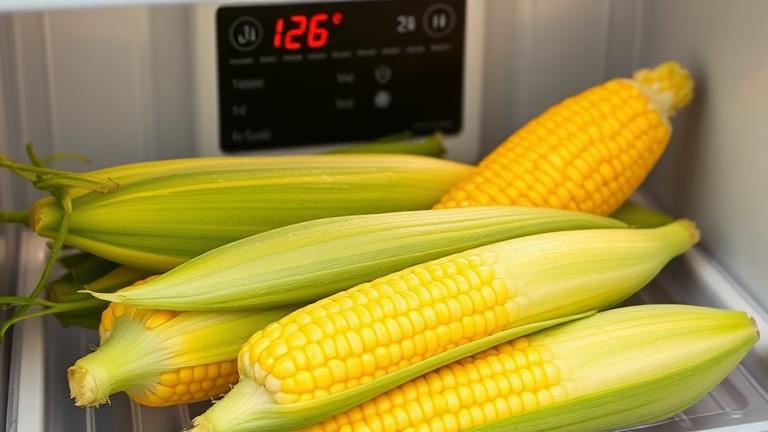
How Long Can Fresh Corn Last in the Fridge?
If you’ve just bought fresh corn from the market or picked it from your garden, you probably want to enjoy it while it’s still sweet and tender. Knowing how long fresh corn can last in the fridge is key to keeping it flavorful and safe to eat. Fresh corn is best enjoyed soon after harvest, but with proper storage, you can make it last a few days.
Typically, fresh corn can stay good in the refrigerator for about 1 to 3 days. The closer to the pick or purchase date, the better the flavor and texture will remain. After this period, the sugars in the corn may start to convert to starch, making it less sweet and more starchy. Always check for signs of spoilage before consuming, even if it’s within the recommended time frame.
To maximize freshness, it’s best to store corn properly. Keep the husks on the ears of corn whenever possible. The husks help protect the kernels and retain moisture, which keeps the corn fresh longer.
- Wrap the corn tightly in plastic wrap or store it in an airtight container. This helps prevent moisture loss and keeps out odors from other foods.
- If you prefer, you can place the ears in a plastic bag with the husks still on, then seal it tightly.
- Store the corn in the crisper drawer. This part of the fridge is designed to maintain a slightly higher humidity, which is ideal for fresh vegetables and corn.
- Try to consume the corn as soon as possible for the best flavor. If you can’t eat it within a few days, consider freezing it instead.
Remember, corn is highly perishable. You can tell it’s starting to spoil if you notice a sour or rotten smell, slimy kernels, or mold on the husks. If any of these signs are present, it’s best to discard the corn to stay safe.
In summary, store fresh corn in the refrigerator for 1 to 3 days for optimal taste and freshness. Always keep it well-wrapped, in the right part of your fridge, and check for signs of spoilage before eating. By following these simple tips, you’ll enjoy the sweetest, freshest corn possible.
Best Tips for Storing Corn Properly
Storing corn the right way helps keep it fresh, sweet, and delicious for as long as possible. Whether you have fresh, sweet corn on the cob or loose kernels, proper storage makes a big difference. Here are some friendly and practical tips to help you store corn properly and prevent spoilage.
1. Keep Corn Cool and Dry
The most important factor in storing fresh corn is temperature. Corn is best kept in a cool, humid environment. If you plan to use it within a day or two, keep it in the refrigerator. The ideal temperature is around 36 to 40 degrees Fahrenheit. Also, corn likes a little humidity, so don’t dry it out by leaving it out in the open air too long.
2. Store in the Refrigerator
For short-term storage, keep whole corn on the cob wrapped in plastic wrap or in a perforated plastic bag. This helps trap moisture and keeps the corn from drying out. Place it in the vegetable crisper drawer, where humidity levels are higher. Use the corn within 1 to 3 days for maximum freshness.
If you won’t eat the corn quickly, consider removing the husks and wrapping the kernels in airtight containers or freezer bags. This prevents air exposure and preserves flavor.
3. Freeze for Long-Term Storage
If you have extra corn or want to store it longer, freezing is your best option. First, blanch the kernels in boiling water for about 4 to 6 minutes. This step stops enzyme actions that cause spoilage and helps lock in flavor. Drain and cool the kernels quickly in ice water.
After blanching, drain thoroughly and pack the corn into freezer bags or airtight containers. Remove as much air as possible to prevent freezer burn. Label and date the packages. Frozen corn stored properly can last up to 8-12 months but tastes best within 3-6 months.
4. Avoid Certain Storage Mistakes
- Don’t store corn at room temperature for more than a few hours, as it quickly loses sweetness and quality.
- Avoid washing corn before storing it in the fridge moisture encourages mold and spoilage. Wash just before cooking or eating.
- Don’t peel off the husks until you’re ready to cook. The husks help protect the kernels and retain moisture during storage.
5. Keep an Eye Out for Spoilage
Inspect stored corn regularly. Signs of spoilage include mold, an off smell, or slimy kernels. If you notice any of these, it’s best to discard that batch to prevent foodborne illness.
Summary
By keeping corn cool, dry, and properly wrapped, you can enjoy its fresh flavor longer. Use refrigeration for speedy consumption, and freeze excess for later. Proper storage techniques can make your corn taste as good as the day you bought it. Just remember these simple tips, and your corn will stay fresh and sweet for days to come!
Recognizing Spoiled Corn: Signs to Watch For
Fresh corn is a tasty and nutritious addition to many meals, but it can spoil quickly if you’re not careful. Knowing how to spot spoiled corn is important to avoid eating something that might make you sick. There are several key signs to look for, including changes in appearance, smell, and texture. By paying attention to these clues, you can keep your meals safe and delicious.
Check the Appearance
Start by inspecting the corn kernels. Fresh corn kernels are plump, shiny, and uniform in color. If you notice kernels that are shriveled, soft, or discolored, it’s a sign they may be going bad. Look for any dark spots, mold, or a slimy film on the surface, which all indicate spoilage. The husk should also look fresh, green, and moist. If it appears dry, brown, or wilted, the corn may be past its prime.
Smell the Corn
Trust your nose when checking corn. Fresh corn has a mild, sweet smell. If you detect a sour, sour, or sourish odor, it means the corn has started to spoil. A strong, unpleasant smell is a clear sign that the corn should be discarded. Don’t rely on appearance alone sometimes, the signs of spoilage are only obvious once you smell it.
Feel the Texture
Gently touch the kernels. Fresh corn is firm and juicy. If the kernels are soft, mushy, or sticky to the touch, it signals that the corn is developing bacteria or mold. When you buy pre-shucked corn, the texture of the kernels should be smooth and resilient. Avoid any corn that feels slimy or sticky, as this is a common indicator of spoilage.
Additional Tips to Spot Spoiled Corn
- If the corn is past the expiration date or has been stored for more than a week in the fridge, it is more likely to spoil.
- Check for an increase in liquid in the packaging, which can suggest fermentation or decomposition.
- Trust your senses: if anything about the corn seems off such as an unusual color, bad smell, or sticky feel it’s best to toss it.
Always remember, when in doubt, throw it out. Eating spoiled corn can cause food poisoning, which leads to unpleasant symptoms like stomach pain, nausea, or diarrhea. Keeping an eye on appearance, smell, and texture are simple ways to make sure your corn stays fresh and safe to eat. Following these signs will help you enjoy your meals without worry about spoiled produce.
Quick & Easy Ways to Cook Fresh Corn
Fresh corn is a tasty, sweet treat that’s perfect for summer and anytime you crave that fresh, natural flavor. Cooking it doesn’t have to be complicated or time-consuming. Whether you want tender kernels quickly or a slightly smoky flavor from grilling, there are simple methods to enjoy fresh corn in no time.
Boiling Fresh Corn
Boiling is one of the fastest and easiest ways to cook fresh corn. It takes just a few minutes and requires minimal prep. To start, fill a large pot with enough water to cover the corn. Bring the water to a rolling boil over high heat.
While waiting for the water to boil, husk the corn by peeling away the green leaves and removing the silk, the fine threads inside. Rinse the ears under cold water to clean off any remaining silk or debris.
Once the water boils, carefully place the corn into the pot. Cover with a lid and let it cook for about 4 to 6 minutes. You want the kernels to become tender and sweet, but not mushy. Use tongs or a slotted spoon to remove the corn from the water.
Let it cool slightly before serving. For added flavor, you can brush the hot corn with butter and a sprinkle of salt. This method is quick, straightforward, and perfect for busy weeknights or casual gatherings.
Grilling Fresh Corn
If you’re looking for a smoky, charred flavor, grilling fresh corn is a fantastic option. Start by preheating your grill to medium-high heat. Husk the corn or leave the husks on for a more steamed effect it’s up to your preference.
If you choose to leave the husks, soak the ears in water for about 10 minutes beforehand. This prevents the husks from burning and helps steam the corn as it grills.
Place the corn directly on the grill grates. Turn every few minutes to get even charring on all sides. It usually takes about 10-15 minutes. The kernels will develop a beautiful golden-brown color, with some blackened spots for that authentic grilled flavor.
Once done, carefully remove the corn from the grill. If the husks were removed, you may want to brush the hot ears with butter and add herbs or spices. Grilled corn pairs beautifully with outdoor cookouts or even as a stand-alone snack.
Steaming Fresh Corn
Steaming preserves most of the corn’s natural sweetness and moisture, making it another quick method. Fill a pot with a couple of inches of water and insert a steamer basket or a colander that fits inside without touching the water. Bring the water to a boil.
Husk the corn and cut off any excess silk. Place the ears in the steamer basket, cover the pot, and reduce the heat to medium. Steam for about 4 to 6 minutes, until the kernels are tender.
You can check for doneness by piercing a kernel with a fork. Once steamed, remove the corn carefully and season as desired. Butter, salt, lime juice, or herbs all work well. Steaming is a gentle cooking method that keeps the corn’s bright flavor intact.
Tips for Perfect Corn Every Time
- Choose fresh, firm ears with bright green husks and moist silk for the best flavor.
- Don’t overcook kernels become tough if left too long in boiling or steaming water.
- Experiment with seasoning. Try butter and salt, or spice things up with chili powder or Parmesan cheese.
- For grilling, soaking the husks helps prevent burning and keeps the corn moist.
- Enjoy your cooked corn immediately for the best texture and flavor.
FAQs About Corn Storage and Freshness
If you love fresh corn, you probably wonder how to keep it as good as when you just bought it. Proper storage can make a big difference in keeping corn tasting sweet and fresh. Here are some common questions and helpful tips to help you store your corn the right way.
How long can I keep fresh corn in the fridge?
Fresh corn is best enjoyed as soon as possible, ideally within 1 to 2 days after you buy it. The sugars in corn start to convert to starch quickly, which can reduce its sweetness. If you need to keep it longer, store it properly in the fridge.
Wrap the corn in plastic wrap or put it in a plastic bag to help retain moisture. Keep it in the coldest part of your refrigerator, usually the crisper drawer. Even then, try to use it within 3 to 5 days for the best flavor and texture.
Can I freeze corn to keep it for later?
Absolutely! Freezing is a great way to preserve corn for several months. For sweet corn, it’s best to blanch it first. This process involves boiling the corn for a few minutes and then quickly cooling it in ice water.
Once cooled, cut the kernels off the cob if you prefer, or freeze the cobs directly. Pack the corn or cobs in airtight containers or freezer bags, removing as much air as possible. Label them with the date, and they can last up to 8-12 months in your freezer.
What’s the best way to tell if corn is still fresh?
Look for bright green husks and moist, healthy-looking silk at the top. The kernels should be plump and tightly packed. When you pierce a kernel, if it feels milky or juicy, it’s likely fresh. If it’s dry or the kernels feel tough, the corn may be past its prime.
Give the ear a smell fresh corn should smell sweet and grassy. Avoid corn with any mold, discoloration, or shriveled kernels, as these are signs of spoilage.
Are there any tips for keeping corn sweet and tender longer?
- Buy corn with husks that are fresh and green, not brown or dried out.
- Keep the husks on until you’re ready to cook, as they help lock in moisture and sweetness.
- If you’ve shucked the corn, store it in an airtight container or plastic bag in the fridge.
- Cook corn as soon as possible for the best flavor, but if storing, avoid leaving it out at room temperature for too long.
What mistakes should I avoid when storing corn?
- Don’t leave fresh corn out at room temperature for more than a few hours, especially in warm weather.
- Avoid washing the corn before storing, as excess moisture can promote mold and spoilage.
- Don’t peel back the husks before storing unless you plan to cook immediately. Husk helps preserve freshness.
- Never freeze corn without blanching if you want to maintain quality over time.