
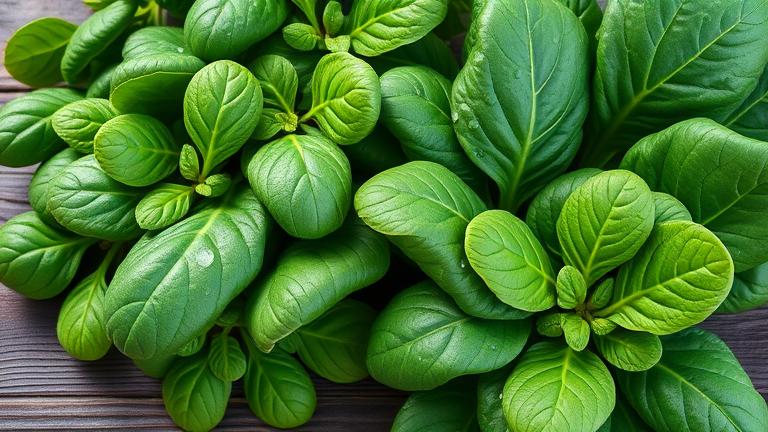
Why Choose Fresh Spinach and Kale?
Fresh spinach and kale are fantastic choices for your meals because they bring vibrant flavor, appealing texture, and a wealth of nutrients. When you pick fresh greens from the grocery store or farmers’ market, you’re getting ingredients at their best, which can truly elevate your dishes. Unlike processed or pre-packaged greens, fresh spinach and kale provide more taste and nutritional value that can make a real difference in your cooking.
One reason to go for fresh greens is their flavor. Fresh spinach has a delicate, slightly sweet taste, while fresh kale offers a hearty, earthy flavor. Both are versatile and can blend well into salads, sautés, smoothies, or soups. When greens are fresh, they are often more vibrant in color and have a crisp or tender texture that enhances your dishes. Over time, processed or wilted greens lose their flavor and can become slimy or bitter, which might spoil your meal.
Texture is another important benefit. Fresh spinach leaves are tender and easy to work with, making them perfect for salads or quick sautés. Kale leaves, on the other hand, are tougher and require a bit more preparation like massaging or cooking. Fresh greens retain their crunch and firmness better than pre-packaged options, giving your dishes a satisfying bite. Plus, fresher greens tend to have a better appearance, adding visual appeal to your plate.
Nutritional Benefits of Fresh Greens
Eating fresh spinach and kale is a smart way to boost your intake of important nutrients. Both greens are packed with vitamins, minerals, and antioxidants that support your overall health. For example, spinach is rich in iron, vitamin K, and folate, which help your blood and bones stay strong. Kale is high in vitamin C, vitamin A, and calcium nutrients that are essential for immune health, vision, and bone strength.
Fresh greens also retain more of their natural antioxidants and phytochemicals, which can diminish over time when greens are processed or stored improperly. Antioxidants help fight free radicals in your body, reducing the risk of chronic diseases. The more fresh and lively your greens are, the more of these helpful compounds they contain.
Why Fresh Is Usually Better Than Processed
- Fresh greens are generally free of preservatives or added chemicals that some processed options might contain.
- They tend to have a brighter color, fresher smell, and better flavor.
- Fresh spinach and kale are more likely to retain their full nutritional profile, including delicate vitamins and antioxidants.
- Buying fresh encourages seasonal eating and supports local farmers, which can be better for the environment and your community.
There are some practical tips to keep in mind when choosing fresh greens. Look for leaves that are vibrant in color, free of slimy spots, and without excessive wilting. If possible, buy from reputable sources like farmers’ markets or trusted grocery vendors. Store your greens in a perforated plastic bag or wrap them in a damp paper towel and keep them in the crisper drawer of your fridge. Proper storage helps prolong their freshness so you can enjoy their flavor and nutrition for several days.
Nutritional Benefits of Leafy Greens
Leafy greens like spinach and kale are powerhouse foods packed with essential nutrients that support your overall health. Adding these vibrant greens to your meals can boost your energy, improve your immune system, and help prevent chronic diseases. Let’s explore what makes them so good for you.
First, leafy greens are rich in vitamins, especially vitamin A, C, and K. Vitamin A is important for good eyesight and healthy skin. Vitamin C helps your body fight off colds and supports your immune system. Vitamin K plays a key role in blood clotting and maintaining strong bones. Eating a handful of spinach or kale daily can ensure you get enough of these vital vitamins.
Next, they’re loaded with minerals like iron, calcium, magnesium, and potassium. Iron is essential for creating red blood cells, which carry oxygen throughout your body. Calcium and magnesium are important for healthy bones and teeth, while potassium helps control blood pressure. Leafy greens provide these minerals in a natural, easily absorbable form, making them a great addition to your diet.
Antioxidants are another major benefit of leafy greens. These compounds help fight free radicals unstable molecules that can damage cells and contribute to aging and diseases like cancer. Kale and spinach contain antioxidants such as beta-carotene, lutein, and flavonoids. Consuming these greens regularly can support your body’s ability to stay healthy and ward off illnesses.
Eating leafy greens can also support your digestive health. They’re high in fiber, which aids in digestion and helps prevent constipation. Fiber also promotes a feeling of fullness, making greens a good choice for weight management. Including greens in your meals can contribute to a healthy gut and better nutrient absorption.
Supporting Disease Prevention
Regular consumption of leafy greens has been linked to a lower risk of many chronic illnesses. For example, the anti-inflammatory properties of kale and spinach may help reduce the risk of heart disease. Their high antioxidant content also supports brain health and may lower the risk of neurodegenerative diseases like Alzheimer’s.
Moreover, because they are low in calories but high in nutrients, leafy greens are an excellent choice for maintaining a healthy weight. Incorporating spinach and kale into salads, smoothies, or cooked dishes can make your meals more nutritious without adding extra calories.
Practical Tips for Incorporating Leafy Greens
- Wash greens thoroughly under cold water to remove dirt and pesticides.
- Try adding kale or spinach to smoothies for a quick nutrient boost.
- Sauté greens with garlic and olive oil for a tasty side dish.
- Use greens as a base for salads or add them to soups and stews.
- Store fresh greens in a plastic bag in the fridge to keep them crisp longer.
By including a variety of leafy greens in your diet, you’re giving your body the nutrients it needs for vitality and long-term health. Whether you prefer raw or cooked, these greens are versatile and easy to incorporate into your daily meals.
Easy Ways to Prepare Spinach and Kale
Fresh spinach and kale are packed with nutrients and can be quickly prepared for meals, even on busy days. These leafy greens are versatile and can be easily added to many dishes or enjoyed on their own. Here are some simple and quick methods to get them ready for your plate.
Cleaning Your Greens
Before cooking, it’s important to wash your spinach and kale thoroughly. Dirt and grit can hide in the leaves, so rinse them well under cold running water. Fill a large bowl with water and soak the leaves for a few minutes, then gently swish them around. Lift the greens out of the water, leaving any dirt behind. Repeat if necessary. Use a salad spinner or pat dry with clean towels to remove excess moisture. Proper cleaning ensures every bite is fresh and free of grit.
Sautéing Spinach and Kale
Sautéing is one of the fastest ways to prepare your greens. It takes just a few minutes and enhances their flavor. Here’s how:
- Heat a tablespoon of olive oil or butter in a large skillet over medium heat.
- Add minced garlic or your favorite seasonings for extra flavor. Stir for about 30 seconds until fragrant.
- Place the washed greens in the skillet. For spinach, it will wilt quickly, so add a handful at a time if needed. Kale takes a bit longer to soften.
- Cook, stirring occasionally, until the greens are tender about 2-4 minutes for spinach, 5-7 minutes for kale.
- Season with salt, pepper, lemon juice, or a pinch of red pepper flakes. Serve warm.
This method is perfect for a quick side dish or adding greens to pasta or rice.
Steaming for a Gentle Cook
Steaming preserves the bright color, nutrients, and delicate texture of spinach and kale. It’s simple and keeps the greens tender without losing flavor. Here’s what to do:
- Fill a pot with about an inch of water and bring it to a boil.
- Place a steaming basket or a heatproof colander over the boiling water, making sure it doesn’t touch the water.
- Add washed greens to the basket. Cover the pot with a lid.
- Steam for about 2-3 minutes for spinach and 4-5 minutes for kale, or until tender.
- Remove carefully and season as desired. A squeeze of lemon or a dash of soy sauce pairs nicely.
This method is great for keeping greens light and healthy, ready to toss into salads or pasta.
Adding Greens to Dishes
If you’re short on time, incorporate spinach or kale directly into other meals. Add chopped greens to soups, stews, omelets, or stir-fries in the last few minutes of cooking. They will wilt quickly and add a boost of nutrition. Alternatively, toss raw spinach into sandwiches and wraps, or mix kale into smoothies for a nutritious boost.
Remember, the key to enjoying spinach and kale is not just how you prepare them, but also how quickly you can get them from the fridge to your plate. These methods make it simple and fast to enjoy healthy, fresh greens during busy days.
Delicious Recipes Using Fresh Greens
Fresh spinach and kale are versatile greens that can elevate many dishes with their vibrant flavors and rich nutrients. Incorporating these greens into your daily meals is easy and rewarding. Whether you want a quick salad, a nourishing smoothie, or a creative side dish, there are plenty of tasty ways to enjoy fresh greens.
Let’s explore some simple and delicious recipes that showcase the best of spinach and kale. These ideas are perfect for busy mornings, lunch, or dinner, and they help you reap the health benefits of these superfoods.
Salads Packed with Fresh Greens
A salad is one of the quickest ways to enjoy fresh spinach or kale. To start, wash the greens thoroughly under cold water to remove dirt and grit. Spinach tends to be tender, so it doesn’t need long to wilt, while kale benefits from a little massaging to soften its tough leaves.
For a simple spinach salad, combine fresh spinach leaves with cherry tomatoes, thinly sliced red onions, and crumbled feta cheese. Drizzle with olive oil and lemon juice for a light, flavorful dressing. You can also add nuts like walnuts or almonds for extra crunch.
If kale is your choice, try making a massaged kale salad. Tear the leaves into bite-sized pieces, add a pinch of salt, and massage with your fingers for a few minutes until the leaves darken and soften. Mix in slices of apple, dried cranberries, and toasted sesame seeds. Toss with a balsamic vinaigrette for a tangy finish.
Healthy and Filling Smoothies
Green smoothies are a fantastic way to start the day or have as a nutritious snack. Both spinach and kale blend well with fruits and other flavorful ingredients. For a simple green smoothie, combine a handful of fresh greens, one banana, a cup of frozen berries, and a cup of milk or yogurt in a blender. Blend until smooth.
If you want to boost the nutrition, add a spoonful of chia seeds or flaxseed. For a creamier texture, include a little honey or a splash of coconut water. Greens are mild in flavor when blended with fruit, making this a kid-friendly way to introduce them into your diet.
Creative Uses and Tips
- Stir-fry: Sauté kale or spinach with garlic and olive oil for a quick side dish. Add a dash of soy sauce or lemon juice to enhance the flavor.
- Soups: Toss chopped greens into vegetable or chicken soup during the last few minutes of cooking for added nutrition.
- Wraps and Sandwiches: Use fresh spinach or kale leaves as a crunchy, nutritious layer in wraps and sandwiches.
Remember to store your greens properly keep them in a breathable bag in the fridge, and wash them right before use to keep them fresh longer.
With these easy and tasty recipes, you’ll find it fun and simple to incorporate fresh spinach and kale into your daily meals. Experiment with different flavors and enjoy the healthy benefits of leafy greens every day!
Tips for Growing Your Own Spinach and Kale
Growing spinach and kale at home is a rewarding way to enjoy fresh, nutritious greens all year round. These leafy vegetables are relatively easy to grow, even for beginners. With some simple steps and a bit of care, you can have a continuous supply right in your backyard or balcony garden.
First, choose a good location for planting. Both spinach and kale prefer full sun, which means at least six hours of direct sunlight daily. If you live in a hot climate, provide some afternoon shade to prevent the leaves from wilting. Ensure the soil is well-draining and rich in organic matter. Adding compost or aged manure before planting will give your greens a nutritious boost and help them grow strong.
If you’re planting outdoors, start by sowing seeds directly into the soil about ½ inch deep. Space spinach seeds 2 inches apart, and kale seeds about 4 inches apart. For container gardening, use a pot that is at least 6 inches deep and has drainage holes. Fill it with quality potting mix, and plant seeds similarly. Keep the soil moist but not waterlogged to encourage germination.
Temperature is important for spinach and kale to thrive. Spinach prefers cooler weather and can bolt (go to seed) quickly in heat, so try planting in early spring or fall. Kale tolerates a wider range of temperatures but still prefers cooler seasons for the best flavor and texture. If planting in summer, consider using shade cloth or growing indoors near a sunny window.
Water your greens regularly, aiming to keep the soil evenly moist. Deep watering encourages strong root development. Mulching around plants helps retain moisture, suppress weeds, and keep the roots cool. Be cautious of overwatering, which can lead to root rot, especially in poor-draining soil.
Fertilize sparingly. Spinach benefits from a nitrogen-rich fertilizer, which promotes leafy growth. Apply a balanced or organic fertilizer once or twice during the growing season. Kale is a hardy plant and may not need frequent feeding if your soil is fertile, but a supplement of compost tea or diluted fish emulsion can support vigorous growth.
Watch for pests such as aphids, slugs, or caterpillars. You can remove pests by hand or use organic controls like neem oil or insecticidal soap. Practice crop rotation and cleaning up plant debris to prevent disease buildup.
Harvest spinach leaves when they reach a good size, typically 4 to 6 inches tall. Pick the outer leaves first, which encourages new growth. Kale is ready to harvest when the leaves are large and firm, usually about 8 inches long. Cut the older, lower leaves first, and leave the center to continue growing.
Regular harvesting not only provides fresh greens but also keeps your plants healthy and productive. With proper care, you can enjoy continuous harvests from your garden or containers. Keep an eye on weather conditions and adjust watering or shading as needed to ensure your spinach and kale stay lush and delicious all year round.