
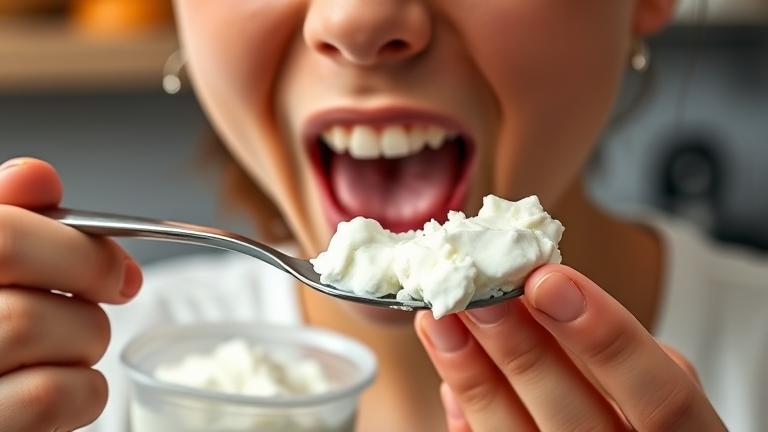
Is Raw Ricotta Cheese Safe to Eat?
Many people enjoy ricotta cheese in dishes like lasagna, cannoli, or spread on toast. But when it comes to eating ricotta raw, it’s natural to wonder if it’s safe. Raw ricotta cheese is cheese that has not been cooked or pasteurized before you buy it. While it may taste fresh and creamy, there are some safety considerations to keep in mind.
Just like other raw dairy products, raw ricotta can contain bacteria that may cause foodborne illnesses. These bacteria include Salmonella, Listeria, and E. coli. These germs can be present naturally in milk, especially if the milk is not properly handled or stored. Eating raw ricotta that’s contaminated can sometimes lead to stomach cramps, diarrhea, or more serious health issues, especially for vulnerable groups like pregnant women, young children, older adults, or anyone with a weakened immune system.
How to Decide If Raw Ricotta Is Safe
- Check the source: Always buy ricotta from trusted stores or providers who follow strict hygiene practices. Reputable brands often pasteurize their milk, which kills harmful bacteria before making the cheese.
- Look for pasteurized labels: Many ricotta cheeses are sold as pasteurized, which means the milk has been heat-treated to make it safer. If you’re unsure if a raw ricotta is safe, look for this label or ask the seller.
- Inspect the cheese carefully: Fresh ricotta should look creamy, moist, and smell clean. If it smells sour, off, or has an unusual discoloration, it’s better to avoid eating it raw.
Handling and Storage Tips for Raw Ricotta
Proper handling and storage can reduce the risk of bacteria growth. Keep ricotta refrigerated at or below 40°F (4°C). Always store it in a clean, airtight container and consume it by the expiration date listed on the packaging.
Use clean utensils when serving and avoid leaving ricotta out at room temperature for extended periods. If you’re planning to use raw ricotta in a dish that will be served hot, such as baked pasta, the heat will kill bacteria and make it safer to eat. But for eating directly, raw, you should trust the source and handle it carefully.
Is Eating Raw Ricotta Ever Safe?
Eating raw ricotta cheese can be safe if it’s made from pasteurized milk or if you purchased it from a reputable source. Many store-bought ricotta options are pasteurized, even if they are sold as “fresh” cheese. If you prefer raw or unpasteurized ricotta, be extra cautious about where it comes from and how it’s stored.
For the best safety, consider cooking or heating raw ricotta before consuming it raw. This simple step can help eliminate harmful bacteria and make the cheese safer, especially for vulnerable groups. When in doubt, always follow guidelines from food safety authorities or talk to your local cheese expert.
Health Risks of Eating Ricotta Raw
While ricotta cheese is a delicious and versatile ingredient, eating it raw can sometimes pose health risks. Because ricotta is a fresh cheese made from milk, it can contain harmful bacteria if not prepared or stored properly. Consuming it raw increases the chance of foodborne illnesses, especially if the cheese has been left out at unsafe temperatures or is past its expiration date.
One common concern is the presence of bacteria such as Salmonella, Listeria, or E. coli in raw dairy products. These bacteria can cause symptoms like stomach cramps, diarrhea, fever, and vomiting. In some cases, especially for vulnerable groups, they can lead to severe health complications. For example, pregnant women, young children, older adults, and those with weakened immune systems should be extra cautious because they are more at risk of serious infections.
Ricotta cheese is generally considered safe when purchased from reputable sources and stored correctly. However, it is important to remember that fresh cheese, unless specifically pasteurized, can carry bacteria. That’s why many brands use pasteurized milk, which significantly reduces these risks. Always check the label to see if your ricotta has been pasteurized before eating it raw.
To minimize health risks when eating ricotta raw, follow these practical tips:
- Check the expiration date on the packaging before use.
- Store ricotta in the coldest part of the refrigerator, ideally below 40°F (4°C).
- Use clean utensils and hands when handling the cheese to prevent cross-contamination.
- Buy from trusted suppliers known for proper food safety standards.
- Consume the cheese within a few days of opening to ensure freshness.
If you’re preparing dishes that require heating, such as baked lasagna or stuffed pasta, cooking the cheese thoroughly can eliminate most bacteria. Remember, heating ricotta to at least 160°F (71°C) is enough to kill harmful pathogens, making it safer to eat in cooked forms. However, if you prefer raw, fresh ricotta, always prioritize cleanliness and freshness.
Lastly, always trust your senses. If the ricotta looks, smells, or tastes off, it’s better to discard it. No dish is worth risking your health over spoiled dairy products. When in doubt, it’s safer to choose pasteurized options and cook with the cheese to enjoy your favorite recipes without worry.
Delicious Recipes with Ricotta Cheese
Ricotta cheese is a versatile ingredient that can enhance both your sweet and savory dishes. Its creamy texture and mild flavor make it perfect for a variety of recipes, whether you enjoy it raw or cooked. In this section, you’ll find some tasty ideas for incorporating ricotta into your meals, along with helpful tips to get the best results.
Sweet Ricotta Desserts
One of the easiest ways to enjoy ricotta is in desserts. Its smooth, mild flavor pairs well with fruits, honey, and nuts. A classic option is ricotta spread on toast topped with fresh berries and a drizzle of honey. For something a bit more indulgent, try making ricotta cheesecake or stuffed pastries like cannoli.
To make a simple ricotta filling for desserts, combine ricotta cheese with a little sugar and vanilla extract. Mix until smooth and creamy. You can also fold in chocolate chips, lemon zest, or chopped nuts for added flavor. Ricotta-based desserts are quick to whip up and always popular at gatherings.
Savory Ricotta Dishes
Ricotta is a wonderful addition to pasta, lasagna, and stuffed vegetables. Its mildness balances well with herbs, garlic, and other cheeses. For a quick meal, try mixing ricotta with chopped spinach, salt, pepper, and a squeeze of lemon juice. Spread it on slices of bread or use as a filling for stuffed shells.
Another favorite is ricotta pancakes. Just add ricotta to your pancake batter for a fluffy texture and richer flavor. Serve with fresh fruit or a dollop of yogurt for a satisfying breakfast.
When cooking with ricotta, be careful not to overheat it, as high temperatures can cause it to become grainy. Gently fold it into hot dishes toward the end of cooking for the best results.
Tips for Preparing Ricotta-Based Meals
- Drain excess moisture if your ricotta feels too watery. Place it in a fine mesh sieve or wrap it in a clean cloth and gently press to remove extra liquid. This helps prevent dishes from becoming too runny.
- Mix well to incorporate ricotta evenly in your recipes. A good stir ensures a smooth, consistent flavor and texture.
- Use fresh ricotta whenever possible for the best taste. Check the expiration date and smell it before using.
- Experiment with herbs and spices like basil, oregano, or nutmeg to enhance the flavor of your ricotta dishes.
Storage and Safety Tips
| Storage Method | Duration |
|---|---|
| Refrigerator (unopened) | up to 1 week past the printed date |
| Refrigerator (opened) | 3 to 4 days |
| Freezing | Not recommended, as texture may change |
Always check the smell and appearance before using ricotta. If it develops a sour smell or mold, discard it immediately for safety.
Nutritional Benefits of Ricotta
Ricotta cheese is a delicious and versatile ingredient that can add a creamy texture and mild flavor to many dishes. Besides its wonderful taste, ricotta offers several important nutrients that can support a healthy diet.
One of the key benefits of ricotta is its high protein content. Protein is essential for building and repairing tissues, supporting muscle growth, and keeping you full longer. A typical serving of ricotta provides about 7 grams of protein, making it a great choice for breakfast, lunch, or dinner.
Ricotta is also rich in calcium, a mineral vital for strong bones and teeth. Consuming enough calcium can help prevent osteoporosis as you age. In a 1/2 cup serving, you can get around 150 milligrams of calcium, which is about 15% of the daily recommended intake for adults.
Another important nutrient found in ricotta is vitamin A. This vitamin supports good vision, healthy skin, and a strong immune system. Ricotta’s vitamin A content varies but typically provides a small percentage of your daily needs in each serving.
Besides these main nutrients, ricotta contains other vital vitamins and minerals such as phosphorus, which works with calcium to strengthen bones, and small amounts of B vitamins, which aid in energy production.
It is also relatively low in fat compared to some other cheeses, especially if you choose part-skim ricotta. While full-fat ricotta offers more flavor, opting for the lower-fat variety can be a good way to enjoy its nutritional benefits without excess saturated fat.
Incorporate ricotta into your diet with simple ideas like spreading it on whole grain toast, blending it into smoothies, or mixing it into pasta sauces. It pairs well with fruits, herbs, and vegetables, adding both nutrition and flavor.
- Tip: When buying ricotta, check the label for added sugars or preservatives to choose the healthiest option.
- Tip: Keep ricotta refrigerated and use within 2-3 days of opening to ensure freshness and safety.
While ricotta is nutritious, it’s best enjoyed as part of a balanced diet that includes a variety of foods from all food groups. Combining ricotta with fresh produce, lean proteins, and whole grains can help you get the most health benefits from your meals.
How to Use Ricotta Safely in Cooking
Ricotta cheese is a delicious and versatile ingredient that can add creaminess to many dishes, from lasagna to dessert. However, to enjoy ricotta at its best and safest, it’s important to handle, store, and cook it properly. This helps prevent foodborne illness and keeps your recipes flavorful and fresh. Here’s a friendly guide to using ricotta safely in your kitchen.
Understanding Ricotta and Its Safety Basics
Ricotta is a soft, fresh cheese made from dairy whey. Because of its high moisture content, it can spoil quickly if not stored properly. Always check the expiration date on the packaging before buying. Once opened, use the cheese within a week to ensure safety and quality.
Keep in mind that homemade ricotta, if prepared at home, should be handled with extra care. Use fresh, pasteurized milk or dairy products to minimize the risk of bacteria. Follow proper cooking and storage procedures to keep it safe to eat.
Proper Handling and Storage
- Refrigerate promptly: Store ricotta in the coldest part of your refrigerator, ideally at 40°F (4°C) or below.
- Use airtight containers: Keep ricotta in its original packaging or transfer it to a sealed container to prevent contamination and drying out.
- Check for spoilage: Before using, look for signs like sour smell, slimy texture, or mold. If any are present, discard the cheese.
- Don’t leave out too long: Avoid leaving ricotta out at room temperature for more than two hours, especially if the room is warm. Bacteria can grow quickly at warm temperatures.
Cooking Tips for Safety and Quality
When cooking with ricotta, keep these safety tips in mind:
- Cook thoroughly when needed: While ricotta is typically used as an additive or topping, some recipes, like baked dishes, benefit from thorough cooking. Baking at the right temperature helps eliminate any bacteria.
- Avoid cross-contamination: Use clean utensils and cutting boards when handling ricotta to prevent spreading bacteria from raw meats or other ingredients.
- Beware of heat exposure: Ricotta should not be boiled directly without protection. When adding it to hot dishes, stir well and heat evenly.
- Cook from pasteurized sources: Most store-bought ricotta is pasteurized, making it safe for raw or cooked consumption. Always check labels if unsure.
Special Tips for Different Uses
When spreading, stuffing, or blending ricotta into recipes, remember:
- To thin out thick ricotta: Mix with a little milk or cream to improve texture for spreading or mixing into sauces.
- For stuffed dishes: Make sure the fillings are handled with clean utensils, and cook the dish thoroughly to kill any bacteria.
- When using in raw preparations: Use fresh, unopened ricotta for the best quality and safety.
Summary of Storage Times
| Type of Ricotta | Stored in Refrigerator | Recommended Use Time |
|---|---|---|
| Opened Store-Bought Ricotta | Up to 1 week | Consume within this time for best quality |
| Homemade Ricotta | Up to 4-5 days | Use promptly to ensure safety |
By following these simple safety tips and handling guidelines, you can enjoy ricotta cheese in your cooking with confidence. Proper storage, timely use, and safe cooking practices will keep your dishes both delicious and safe to eat!