
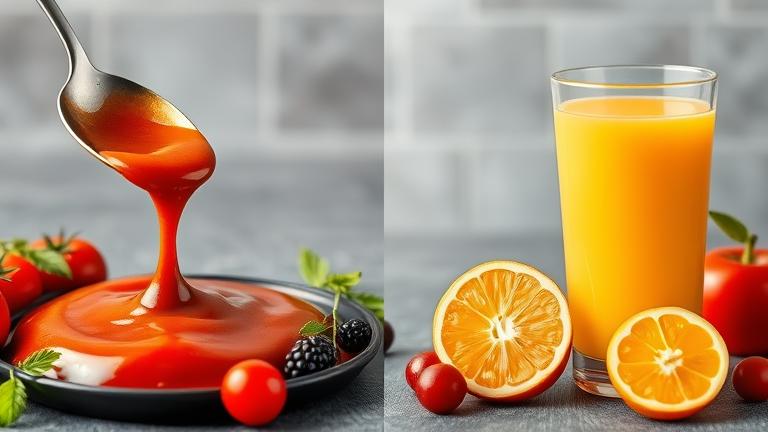
What Are Sauces and Juices?
Many home cooks enjoy adding sauces and juices to their meals to boost flavor and make dishes more exciting. But what exactly are these kitchen staples? Understanding the basic differences can help you use them more confidently in your cooking.
Sauces are liquids or semi-liquid mixtures that enhance or complement the taste of a dish. They can be smooth or chunky, hot or cold. Common examples include tomato sauce, gravy, or creamy mushroom sauce. Most sauces are made by combining ingredients like herbs, spices, stock, or dairy, then simmering or thickening them to develop rich flavors.
Juices, on the other hand, are natural liquids extracted from fruits, vegetables, or meats. They are usually eaten on their own or used as a base for other recipes. For example, orange juice is made by squeezing fresh oranges. Meat juices, often called drippings or au jus, are the natural liquids released when meat is cooked, helping to add moisture and flavor to a dish.
What Are Typical Ingredients?
For sauces, ingredients vary widely based on the type of sauce you want to make. Common base ingredients include liquids like broth, wine, or cream. You might add vegetables like onions, garlic, or tomatoes. Herbs and spices are essential for flavor, such as basil, thyme, or pepper. Thickeners, like flour, cornstarch, or butter, help achieve the right consistency.
Juices tend to be simple and straightforward. Fruit juices are pressed or squeezed from fresh produce, capturing the natural sugars, vitamins, and flavors. Vegetable juices, like carrot or beet juice, are pressed from the fresh vegetables. Meat juices are the natural fluids released during cooking, especially when roasting or grilling, often collected from the pan or roasting tray.
Key Differences Between Sauces and Juices
- Sauces are usually cooked and often have added thickeners, herbs, and spices to develop flavors and texture.
- Juices are typically raw or freshly pressed liquids taken directly from fruits, vegetables, or meats.
- Sauces serve as flavor amplifiers, drizzles, or dips, while juices are often consumed on their own or used as a base for other dishes.
Practical Tips for Using Sauces and Juices
- Always taste your sauce before serving to adjust seasoning if needed.
- When making fruit or vegetable juices, invest in a good juicer to get clear, flavorful juice.
- Use juices from cooking meat as a natural gravy base, adding herbs or flour to thicken.
- Keep sauces refrigerated and use within the recommended time to ensure freshness and safety.
- Experiment with mixing juices into smoothies or using them in salad dressings for a fresh twist.
Culinary Uses and Examples
Sauces and juices are essential ingredients in many kitchens around the world. They add flavor, moisture, and richness to a variety of dishes, making them more delicious and exciting to eat. Understanding how to use these liquids can help you elevate your cooking and try new recipes with confidence.
In everyday cooking, sauces serve multiple purposes. They can be used as a condiment to serve alongside your meals, a marinade to tenderize and infuse flavor into meats, or a finishing touch to enhance a dish just before serving. Juices, whether fruit or vegetable, often add brightness and natural sweetness or tang to recipes.
Common Uses of Sauces
- As a dipping sauce: Think of classics like ketchup with fries, soy sauce for sushi, or hummus for veggie sticks. Dipping sauces make snacks more tasty and fun to eat.
- In cooking and braising: Sauces like tomato sauce for pasta, curry sauces, or gravy are cooked along with the main ingredients. They help keep the food moist and add layers of flavor.
- As a finishing touch: A drizzle of pesto over pasta, a splash of salsa on tacos, or a swirl of cream on soup can bring a dish to life and add a professional finish.
- For marinating: Sauces like teriyaki or citrus-based marinades help tenderize meats and infuse them with flavor before cooking. Marinated dishes are often more flavorful and juicy.
Common Uses of Juices
- In beverages: Fresh fruit juices like orange or apple juice are popular for drinking on their own or in cocktails and smoothies.
- In cooking and baking: Citrus juices such as lemon or lime are often used in salad dressings, marinades, and even in baking cakes and pastries for a tangy kick.
- To add moisture and flavor: Vegetable juices like carrot or tomato juice can be added to soups, stews, or sauces for extra depth and natural sweetness.
- In reducing sauces: Juices can be simmered down to create concentrated flavor bases, like a thick cherry reduction or apple cider glaze for meats.
Practical Examples from Different Cuisines
| Cuisine | Common Sauce/Juice Use | Example Dish |
|---|---|---|
| Italian | Tomato sauce | Spaghetti Bolognese |
| Mexican | Salsa and lime juice | Tacos with fresh salsa and lime wedges |
| Japanese | Soy sauce and rice vinegar | Sushi and stir-fries |
| American | Barbecue sauce | Grilled ribs or chicken |
| Middle Eastern | Yogurt sauces and lemon juice | Shawarma wraps and salads |
Using sauces and juices correctly can make your dishes more flavorful and authentic. Experiment with different types in your favorite recipes to discover what works best for you. Don’t be afraid to try new combinations or adjust the amount to suit your taste buds. Remember, the key is to taste as you go and enjoy the process of creating delicious food.
Key Differences in Preparation
When it comes to preparing sauces and juices, the steps involved can vary quite a bit. Understanding these primary methods helps you choose the right technique for what you want to achieve. Both sauces and juices add flavor and moisture to dishes, but their preparation processes are quite different.
Let’s start with sauces. Sauces are usually thick, flavorful additions made by combining various ingredients like liquids, herbs, spices, and thickeners. The main goal is to create a smooth, rich consistency that complements the main dish. Common methods for preparing sauces include simmering, reducing, and blending.
In contrast, juices are mostly liquids extracted from fruits or vegetables. They are typically prepared by pressing, crushing, or blending produce to extract their natural liquids. The focus here is on extracting maximum flavor and juice without adding too many thickeners or ingredients that change the liquid’s natural state.
Preparation Methods for Sauces
- Sautéing and Searing: Often, sauces start with sautéing onions, garlic, or other aromatics in oil or butter to build flavor. This step releases essential flavors and creates a good base.
- Simmering: Many sauces are simmered over low heat to meld flavors and thicken the mixture. For example, tomato sauce or gravy benefit from gentle simmering to develop depth.
- Reducing: Reducing involves cooking a sauce uncovered to evaporate excess liquid. This concentrates flavors and thickens the sauce, making it richer and more intense.
- Blending and Pureeing: Some sauces, like creamy or tomato-based ones, are blended until smooth. This process can involve using a blender or immersion blender for a silky texture.
Preparation Methods for Juices
- Pressing: A common and straightforward method—using a juicer to press fruits or vegetables extracts their liquid with minimal effort. It’s quick and preserves most nutrients.
- Crushing and Blending: For softer produce, crushing or blending can extract juice. After blending, the mixture is often strained through a sieve or cheesecloth to remove pulp and solids.
- Refrigeration and Storage: Once extracted, juices are typically kept refrigerated and consumed quickly to retain freshness. Some juice types can be frozen for longer storage.
Contrasting Techniques and Process Outcomes
| Aspect | Sauces | Juices |
|---|---|---|
| Primary Process | Cooking, simmering, reducing, blending | Pressing, crushing, blending, straining |
| Texture | Thick, smooth, or chunky depending on ingredients | Thin, liquid, often clear or slightly cloudy |
| Flavor Concentration | Can be intensified through simmering and reduction | Mostly preserved, but may lose some nuances when strained |
| Preparation Time | Varies from quick to slow, depending on ingredients and method | Generally quick, especially with a good juicer |
| Cooking requirement | Usually involves heat to develop flavors and thicken | Minimal cooking; mostly extraction and filtration |
Understanding these differences helps you decide the best method for your recipe. If you want a rich, flavorful sauce, focus on simmering and reducing. For fresh juices packed with fruit or vegetable flavors, pressing and straining are your go-to techniques. Knowing the process details ensures better results and more delicious meals every time.
Health Benefits and Nutrition
Sauces and juices are popular additions to many meals, adding flavor and moisture that can make dishes more enjoyable. Beyond their taste, they also offer various nutritional benefits. It’s important to choose and enjoy them wisely as part of a balanced diet. Understanding what these condiments and drinks provide can help you make smarter choices in your daily eating habits.
Many fruit and vegetable juices, such as orange juice, carrot juice, or berry smoothies, are packed with essential vitamins and minerals. For example, orange juice is renowned for its high vitamin C content, which supports your immune system and helps your body heal. Similarly, vegetable juices can contribute to your intake of nutrients like potassium, folate, and antioxidants, which are beneficial for your heart, skin, and overall health. Juices can be a convenient way to increase your daily fruit and vegetable servings, especially if you find it hard to consume enough whole produce.
Sauces, on the other hand, often contain ingredients like herbs, spices, and sometimes healthy fats, which can add nutritional value and flavor to your meals. For instance, pesto made with olive oil provides healthy monounsaturated fats that promote heart health. Tomato-based sauces contain lycopene, an antioxidant linked to reducing the risk of certain cancers. However, some sauces can be high in sugar, salt, or preservatives, so it’s wise to read labels or prepare them at home to control added ingredients.
While sauces and juices have many benefits, there are some considerations to keep in mind. Store-bought juices can sometimes contain added sugars, which increase calorie intake and may impact your blood sugar levels. Excessive consumption of sugary drinks can lead to weight gain, insulin resistance, and dental issues over time. It’s best to choose 100% fruit juices with no added sugars or make your own fresh juice at home for a healthier option.
Similarly, sauces can be calorie-dense if they contain lots of butter, cream, or sugar. Using them in moderation is key. Try to balance rich sauces with plenty of vegetables or lean proteins to keep your meal nutritious. You can also experiment with homemade sauces using fresh ingredients, herbs, and spices. This not only enhances flavor but also reduces unwanted additives and improves nutritional quality.
Here are some tips for incorporating sauces and juices into a healthy diet:
- Drink juices in moderation—about a small glass (4-6 ounces) per day.
- Pick juices labeled “100% juice” to avoid added sugars.
- Use sauces to add flavor without overusing, especially those high in salt or sugar.
- Opt for homemade sauces where you can control ingredients.
- Balance your meals with plenty of vegetables, lean proteins, and healthy fats.
By paying attention to the ingredients and portions of sauces and juices, you can enjoy their flavors and nutritional benefits without compromising your health. Remember, moderation and smart choices are the keys to a balanced diet that supports your overall well-being.
Tips for Storage and Differentiation
Storing sauces and juices properly is essential to keep their flavor fresh and prevent spoilage. Many cooks find it tricky to tell them apart at times, especially when they look similar in bottles or jars. This section offers practical, friendly tips to help you store your sauces and juices correctly and differentiate between them during your cooking adventures.
Proper Storage Tips
- Use the right containers: Store sauces and juices in airtight containers or bottles with secure lids. Glass jars or bottles are ideal because they don’t absorb odors. If you’re using plastic, ensure it’s food-safe and BPA-free.
- Keep at the right temperature: Most sauces benefit from refrigeration, especially those with dairy, garlic, or fresh herbs. Juices, depending on their ingredients, can be stored in the fridge or in a cool, dark pantry if unopened and shelf-stable.
- Label your containers: Always label with the name and date of storage. Use a permanent marker or sticky labels. This helps you track freshness and prevents mixing up sauces and juices.
- Store in small portions: Divide sauces and juices into smaller containers if you only need a little at a time. This minimizes exposure to air and extends shelf life.
How to Differentiate Between Sauces and Juices
It can be confusing when bottles look similar or when storing multiple types of liquids. Here are practical ways to tell them apart easily:
- Color and consistency: Sauces tend to be thicker and often have a richer color or added ingredients like herbs, spices, or pulp. Juices are usually clearer, thinner, and more liquid-like. For example, tomato sauce is deep red and thick, while apple juice is clear and light.
- Label clearly: Always write the name on the bottle or jar. Use bold, easy-to-read lettering so you can grab what you need without second-guessing.
- Use distinct containers: Dedicate specific bottles for juices and others for sauces. For instance, keep all juice bottles in one area and sauce jars in another. Using different colored caps or labels can also help visually distinguish them quickly.
- Smell and taste test cautiously: If unsure, smell a small amount before using. Juices usually have a fresh, fruity, or citrus aroma. Sauces may smell savory, spicy, or tangy. Never taste directly from a large bottle — use a spoon first to check.
Additional Practical Tips
- Store open sauces and juices in the refrigerator and tightly sealed. Use within the recommended time frames to ensure freshness—usually within a week or two for most sauces and juices.
- If you notice an unusual smell, mold, or a change in appearance, discard the product to avoid food safety issues.
- For homemade sauces and juices, keep a note of preparation and storage date, so you can use them up before they spoil.
- When cooking, double-check your bottles or jars to confirm which liquid is which. This will save you from accidental mix-ups that can affect the flavor of your dish.
With a little organization and clear labeling, storing and differentiating sauces and juices becomes straightforward. Keep your kitchen neat, label everything clearly, and you’ll always have the right liquid at hand, ready to enhance your culinary creations.