
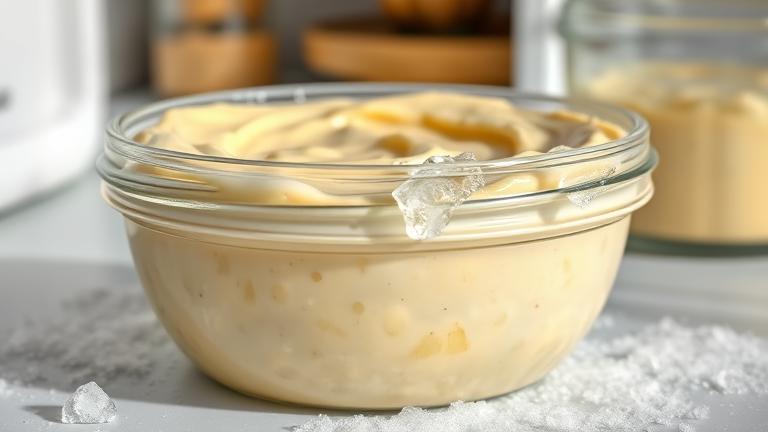
Understanding Aioli: What Is It?
Aioli is a delicious, creamy sauce that originated in the Mediterranean region, especially popular in France and Spain. It is known for its rich flavor and versatile use in many dishes. At its core, aioli is a type of garlic mayonnaise, made with simple ingredients and packed with flavor.
The main ingredients of traditional aioli are garlic, egg yolks, and oil. Some recipes also include lemon juice or vinegar for a touch of acidity and flavor. The garlic gives aioli its signature pungent aroma and bold taste, while the egg yolks act as an emulsifier, helping the oil and garlic blend smoothly into a thick sauce.
Most commonly, aioli is served as a condiment or dip. It pairs beautifully with crispy fries, grilled vegetables, seafood, or even as a spread on sandwiches and burgers. Its rich, garlicky flavor can elevate many meals, making it a favorite for both casual and fancy occasions. You can also customize aioli by adding herbs like parsley or spices such as paprika, tailoring it to your taste preferences.
In addition to its flavor profile, aioli’s texture is creamy and velvety, which makes it a delightful accompaniment to various dishes. Because it’s made from simple ingredients, it’s easy to prepare at home, and it’s often healthier than store-bought versions with unnecessary preservatives.
While traditional aioli is made mainly with garlic and oil, plenty of modern recipes incorporate mayonnaise or other ingredients to simplify the process. However, homemade aioli that uses fresh ingredients tends to have better flavor and a more natural texture.
In summary, aioli is a garlic-flavored emulsion with a rich, creamy consistency. Its versatility makes it a staple in many kitchens, whether you’re looking to add a punch of flavor to your fries or create a flavorful sauce for grilled meats. Understanding its core ingredients and uses helps you appreciate its role in cooking, especially if you’re considering making or storing it yourself.
Is Freezing Aioli Safe?
Many home cooks wonder if freezing aioli is a safe way to store this creamy sauce. Aioli is made with ingredients like eggs, oil, lemon juice, and garlic, which can be sensitive to freezing and thawing. Understanding whether it’s safe and how to do it properly can help you avoid food safety issues and keep your aioli tasting great.
In general, freezing aioli can be safe, but there are some important considerations. The main concern is the stability of the ingredients, especially the eggs and oil. Freezing and thawing can cause the emulsion the creamy mix of oil and egg to break down, leading to a texture that may become separate or watery once thawed.
However, if you want to freeze aioli to extend its shelf life, it is possible with proper precautions. Make sure the aioli is fresh and made with fresh ingredients. Avoid freezing if the aioli has been left out at room temperature for too long or shows signs of spoilage such as a sour smell or discoloration.
Considerations When Freezing Aioli
- Texture Changes: Freezing can cause the emulsion to break, making the aioli watery or grainy when thawed. Stirring vigorously after thawing can help restore some of its original texture, but it may not get perfectly smooth again.
- Food Safety: Because aioli contains raw eggs or egg yolks, there is a small risk of bacteria growth if it is not handled properly. Freezing halts bacterial activity, but make sure you store aioli in an airtight container to prevent contamination and freezer burn.
- Timing: Use frozen aioli within 1 to 2 months for the best quality. After that, it might lose flavor and texture, even if still safe to eat.
Steps to Freeze Aioli Correctly
- Prepare the aioli: Make sure your aioli is fresh and well-mixed. For best results, consider making small batches to avoid waste.
- Use airtight containers: Transfer the aioli into a freezer-safe container or a resealable plastic bag. Leave some space at the top for expansion.
- Label and date: Write the date on the container so you can keep track of how long it has been frozen.
- Freeze: Place the container flat in the freezer. Keeping it flat makes it easier to thaw and store.
Thawing and Using Frozen Aioli
When you’re ready to use the frozen aioli, thaw it slowly in the refrigerator overnight. Avoid thawing at room temperature to prevent bacterial growth. Once thawed, stir the aioli vigorously to help restore its creamy consistency. If it remains runny or separates, you can try whisking in a fresh egg yolk or a little lemon juice to help re-emulsify.
Remember, frozen aioli is best used as a spread or dip rather than for recipes requiring perfect creamy texture. Always check for any off smells or signs of spoilage before using thawed aioli. If in doubt, discard it to be safe.
How to Properly Freeze Aioli
Freezing aioli can be a great way to extend its shelf life, especially if you’ve made a big batch or want to keep some for later. However, because aioli is an emulsion of oil, egg yolks, and sometimes lemon juice or vinegar, it can respond differently to freezing compared to other sauces. With the right approach, you can preserve its flavor and texture so it remains tasty when thawed.
The key is to understand that aioli can sometimes separate or become a little watery after freezing and thawing. But don’t worry there are simple steps you can follow to minimize these changes and keep your aioli as close as possible to fresh.
Steps for Freezing Aioli
- Choose the right container: Use a freezer-safe airtight container or a sturdy resealable plastic bag. For best results, opt for a container that allows some room for expansion, since liquids tend to expand when frozen.
- Portion the aioli: Divide the aioli into smaller portions if you don’t plan to use it all at once. This makes it easier to thaw only what you need, reducing waste and improving preservation quality.
- Leave some headspace: When filling your container, leave about half an inch of space at the top. This gives room for the aioli to expand without breaking the container or bag.
- Seal tightly: Make sure the container or bag is sealed very well. Remove excess air from the bag to prevent freezer burn and flavor loss.
- Label and date: Clearly label the container with the contents and the date you froze it. Aioli can generally be stored in the freezer for up to 2 months for best flavor.
Tips for Thawing and Using Frozen Aioli
- Thaw slowly: Transfer the frozen aioli into the refrigerator and let it thaw overnight. Avoid thawing at room temperature, as this can lead to bacterial growth.
- Stir well: Once thawed, give the aioli a good stir or whisk it vigorously. This helps reincorporate any separation and improves the texture.
- Expect some change in texture: Remember that frozen and thawed aioli may be slightly thinner or less creamy than fresh. You can fix this by whisking in a little fresh oil or lemon juice if needed.
- Use in cooked dishes: Because of potential texture changes, thawed aioli is best used in cooked dishes or mixed into salads, rather than as a fresh, standalone dip.
Common Mistakes to Avoid
- Freezing homemade aioli with raw eggs: If your aioli contains raw egg yolks, freezing might increase food safety risks. Consider using pasteurized eggs or commercial mayonnaise as a more stable base for freezing.
- Freezing in large quantities without stirring: Large, unshaken portions may separate more during thawing. Stir thoroughly after thawing to restore consistency.
- Refreezing leftovers: Don’t refreeze aioli once it has been thawed. Doing so can worsen separation and safety issues.
By following these simple steps, you can successfully freeze aioli and enjoy it later without losing too much of its rich flavor and smooth texture. Just remember to handle it carefully, thaw it slowly, and give it a good stir before using. With practice, freezing aioli will become a handy kitchen trick for whenever you need a delicious, time-saving condiment.
Thawing and Using Frozen Aioli
Frozen aioli can be a great time-saver, especially if you like to prepare it in advance. However, to keep its creamy texture and fresh flavor, proper thawing is important. The key is to do it gently and carefully so the aioli doesn’t break or lose its quality.
The best way to thaw frozen aioli is in the refrigerator. This slow method helps preserve the sauce’s smooth texture. Simply transfer the container from the freezer to the fridge and let it sit for several hours or overnight. Avoid rushing the process by using a microwave or leaving it at room temperature, as quick thawing can cause separation or spoilage.
Once thawed, check the aioli’s consistency. If it looks thicker or separates slightly, don’t worry. Freshly frozen aioli often does this, and it can be fixed by stirring it well. Use a spoon or a whisk to blend the ingredients back together until smooth and creamy. If it remains very thick, a small splash of lemon juice or a few drops of olive oil can help loosen it up.
When you’re ready to use the thawed aioli, consider how it will fit into your dish. Thawed aioli is perfect for dipping, spreading on sandwiches and burgers, or dressing salads. However, because freezing can sometimes alter its texture, avoid using thawed aioli in recipes that require the sauce to be heated, such as in hot pasta or baked dishes. Heating may cause it to split or become watery.
Tips for Best Results
- Always thaw aioli in the fridge for the best texture and safety.
- If the aioli separates after thawing, stirring or whisking usually restores its creaminess.
- Use thawed aioli within 2 to 3 days for optimal freshness and quality.
- Give it a quick taste before serving to ensure the flavor remains strong and fresh.
If you find that the thawed aioli isn’t quite as good as fresh, don’t despair. You can often revive it by adding a tiny bit of lemon juice, a pinch of salt, or a squeeze of fresh garlic. Remember, quality ingredients and gentle handling help keep your aioli tasting its best.
Tips for Freshness and Storage
Keeping aioli fresh and flavorful can be simple with the right storage tips. Whether you plan to enjoy it within a few days or store it for longer, proper handling helps maintain its taste and safety.
First, always store aioli in an airtight container. A glass jar with a tight-fitting lid works well. This prevents air from entering, which can cause the aioli to spoil faster or develop an off taste.
Refrigeration is the best way to keep aioli fresh. Place it in the fridge as soon as you make or open it. For optimal freshness, try to consume it within three to four days. After this period, the risk of spoilage increases, especially since aioli contains eggs and other perishable ingredients.
When storing, avoid leaving aioli at room temperature for long periods. Bacteria grow quickly in warm environments, so it’s best to keep it chilled until you’re ready to serve. If you’re planning a big meal or picnic, consider packing smaller portions that you can use first and keep the rest refrigerated.
Additional Tips for Storage
- **Use clean utensils:** Always scoop out aioli with a clean spoon or knife. This prevents introducing bacteria or other contaminants into the jar.
- **Label your container:** If you make a large batch, write the date on the container. This helps you keep track of how long it’s been stored.
- **Avoid cross-contamination:** Keep aioli away from raw meats, seafood, or other raw ingredients. Use separate utensils and containers to prevent bacteria transfer.
- **For longer storage, freeze in portions:** While fresh aioli is best kept refrigerated, small amounts can be frozen if needed. Transfer it to an airtight, freezer-safe container, and it can last for about one to two months.
- **Thaw carefully:** When ready to use frozen aioli, thaw it in the fridge overnight. Stir well after thawing, as separation can occur during freezing.
Freezing and Thawing Tips
Although aioli is best fresh or refrigerated, freezing can be an option if you want to save leftovers. Keep in mind that freezing may alter the texture and flavor slightly. To freeze, spoon the aioli into small portions using an ice cube tray or freezer bag. When you need some, just defrost in the fridge and give it a good stir.
Avoid freezing it in large quantities, as thawed aioli might be less creamy. Be sure to label the containers with the date so you can keep track of freshness. Remember, the quality might decrease a little after freezing, but it can still serve well as a sauce or dip.
Making sure aioli stays fresh is about proper storage and good habits. Using airtight containers, refrigerating promptly, and handling with clean utensils will keep your aioli tasting delicious for as long as possible. Whether you’re using it this week or a few months down the line, these tips help preserve its flavor, texture, and safety.