
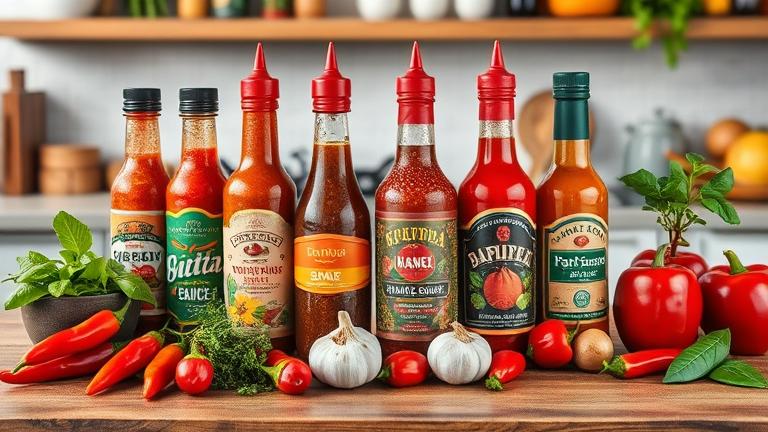
Best Substitutes for Green Chili Sauce
If you love the flavor and heat of green chili sauce but don’t have any on hand, don’t worry. There are plenty of ingredients and sauces you can use as good substitutes to keep your dishes flavorful and fiery. Whether you’re out of green chili sauce or want to try a different twist, these options will help you achieve that spicy, tangy kick.
The key to finding a good substitute is matching the heat level and flavor profile. Green chili sauce typically offers a fresh, slightly tangy, and spicy taste made from green chilies, herbs, and sometimes vinegar. Look for ingredients that mimic these qualities to prevent your dish from losing its signature zing.
Common Substitutes for Green Chili Sauce
- Jalapeno Pepper Sauce: This sauce gives you a similar heat level and fresh flavor. It’s usually made from jalapenos blended with vinegar and spices. To get closer to green chili sauce, choose a version with added herbs or lime juice.
- Serrano Pepper Salsa: Serrano peppers are hotter than jalapenos but have a similar bright, fresh flavor. When turned into a salsa, they provide a spicy, tangy component that can replace green chili sauce nicely.
- Hot Green Chilis in Vinegar: Pickled green chilis or chopped fresh green chilis mixed with a splash of vinegar can mimic the tangy and spicy notes. Use finely chopped chilis or blend them for a smoother texture.
- Green Curry Paste: Though thicker and more aromatic, green curry paste stems from green chilies and herbs. Use a small amount to add heat and flavor to your dish, adjusting quantities based on spice preference.
- Sriracha or Hot Sauce: For a quick substitute, sriracha or other hot sauces work well. They may lack the freshness of green chili sauce but compensate with a satisfying heat and flavor punch. Mix with lime or vinegar to enhance tanginess.
- Fresh Green Chili and Lime Juice: If you have fresh green chili peppers, blend them with lime juice, garlic, and herbs. This creates a bright, spicy sauce with the tang of lime, very similar to many store-bought green chili sauces.
Tips for Substituting Green Chili Sauce
- Start with small amounts and taste as you go some substitutes can be spicier or milder than expected.
- If you want a smooth sauce, blend or process your ingredients until silky.
- Add vinegar or lime juice to replicate the tanginess often found in green chili sauce.
- Remember that substitutes may alter the overall flavor slightly, so adjust seasonings like salt, garlic, or cilantro according to your taste.
In the end, your choice depends on what ingredients you have available and the flavor profile you want. These alternatives can help you craft delicious dishes without losing that spicy, fresh kick of green chili sauce. Experimenting with different substitutes can also add new exciting flavors to your cooking!
Top Alternatives for Different Recipes
Green chili sauce adds a wonderful spicy kick and tang to many dishes. But what do you do if you don’t have it on hand or want to try a different flavor? Luckily, there are several tasty substitutes that can work well in various recipes. Choosing the right alternative depends on the dish you’re making and the flavor profile you’re aiming for. Here, we’ll explore some popular green chili sauce substitutes suited for different types of recipes.
Simple Swaps for General Use
If you’re baking, making a marinade, or preparing a simple stir-fry, you can often substitute green chili sauce with ingredients that still add that spicy, tangy touch. A good option is hot sauce, like Cholula or Tabasco, which offers a similar heat level and acidity. Just start with a small amount and taste as you go.
Another versatile choice is jarred jalapeños or pickled green chilies. These add a mild to moderate heat and a slight vinegary flavor that mimics the tanginess of green chili sauce. Blend them with a bit of water or oil if needed to reach desired consistency.
For Indian and Southeast Asian Recipes
If you’re preparing curries, chutneys, or dipping sauces inspired by Indian or Southeast Asian cuisine, you might consider using fresh green chilies combined with herbs. For example, blend chopped green chilies with cilantro, garlic, and a splash of lime juice. This creates a fresh, spicy, and tangy sauce that complements many dishes.
Another option is green curry pastes or Thai chili sauces, which often have garlic, lime, and herbs mixed in. Use these in smaller quantities as they tend to be more concentrated than typical green chili sauces.
For Mexican Dishes
In Mexican recipes such as tacos or enchiladas, you can substitute green chili sauce with roasted poblano peppers or serrano peppers blended with lime juice and a pinch of salt. This gives a smoky and slightly spicy flavor profile similar to many commercial sauces.
If you want a quick fix, avocado salsa verde made with tomatillos, green chilies, and cilantro can also serve as a flavorful alternative.
Special Tips for Choosing the Right Substitute
- Consider the heat level you need. If a dish is mild, avoid overly spicy substitutes.
- Adjust the acidity if the original sauce has a tangy flavor. Try adding lime or vinegar if necessary.
- Start with small amounts of your substitute and taste before adding more, especially with fiery ingredients.
- Think about the overall flavor. For example, smoky roasted peppers can add depth, while fresh herbs provide brightness.
Summary Table of Common Substitutes
| Substitute | Best For | Flavor Notes |
|---|---|---|
| Hot sauce (Tabasco, Cholula) | General use, marinades, stir-fries | Spicy, tangy, vinegar-based |
| Pickled green chilies or jalapeños | Sandwiches, salsas, salads | Mild to hot, vinegary |
| Fresh green chilies + herbs | Curries, chutneys | Fresh, spicy, herbaceous |
| Roasted poblano or serrano peppers | Mexican dishes, roasting | Smoky, spicy |
| Avocado salsa verde | Mexican recipes, dips | Creamy, tangy, mildly spicy |
With these alternatives, you can keep your recipes flavorful even if you’re missing green chili sauce. Experiment with different substitutes to find what best fits your taste and the dish you’re preparing. Have fun exploring new flavor combinations and enjoy your cooking journey!
Healthier Options to Replace Green Chili Sauce
If you love the spicy kick of green chili sauce but want a healthier twist, you’re in the right place. Many store-bought green chili sauces contain added preservatives, high sodium levels, or extra calories that might not fit into your balanced diet. Luckily, there are plenty of tasty and wholesome alternatives that keep the flavor alive without the unnecessary additives.
One simple option is to make your own green chili sauce at home. Fresh ingredients give you control over what’s inside and can be customized to suit your taste buds. A basic homemade recipe might include jalapeños or serrano peppers for heat, fresh cilantro, garlic, lime juice, and a splash of olive oil. Blend everything together until smooth, and voilà you have a fresh, flavorful sauce that’s free from preservatives and extra salt.
For a lower-calorie alternative, consider using Greek yogurt as a base. Mix chopped green chilies with Greek yogurt, adding lime juice and fresh herbs like cilantro or mint. This creates a creamy, tangy sauce that offers protein and probiotics, making it a nutritious replacement. Plus, it complements many dishes such as grilled chicken, tacos, or roasted vegetables.
If you prefer a liquid but reduced-sodium option, try blending fresh green chilies with a splash of vegetable broth or water, adding a dash of vinegar for acidity. This skinny version keeps the flavor punch but cuts back on salt and preservatives found in many bottled sauces. Remember to taste and adjust the seasoning, especially the acidity, to match your dish.
Another healthy substitute is avocado-based sauces. Mash ripe avocado with chopped green chilies, lime juice, and a sprinkle of salt-free seasoning. The creamy texture adds richness without unhealthy fats, and it pairs wonderfully with grilled meats, salads, or wraps. Plus, avocados provide healthy monounsaturated fats important for heart health.
For those interested in a spicy kick with added nutrients, consider incorporating roasted vegetables. Roasted green beans or peas blended with a small amount of chili can create a flavorful, nutrient-rich sauce. These options not only boost your vegetable intake but also add depth to the flavor profile.
Incorporating these healthier alternatives into your meals can help you enjoy the vibrant taste of green chili sauce while supporting your health goals. Keep in mind that adjusting spice levels and ingredients is easy, so don’t hesitate to experiment until you find what suits your palate best.
Here are some quick tips:
- Always taste your homemade sauces before serving to balance the flavors.
- Use fresh, high-quality ingredients for the best flavor.
- Store homemade sauces in airtight containers and consume within a few days for freshness.
- Feel free to add herbs or spices to enhance flavor without added salt.
By choosing these healthier options, you can enjoy the zest and heat of green chili sauce while keeping your meals nutritious and satisfying.
Flavor Variations Without Green Chili
If you love the style of a dish but want to skip the green chili sauce, don’t worry. You can still enjoy a vibrant and flavorful meal by experimenting with other ingredients and spices. Substituting green chili allows you to customize the dish to your taste and even make it milder or more aromatic.
One easy way to add heat without green chili is by using red chili powder or cayenne pepper. These spices deliver a fiery kick and deepen the color of your dish. Just start with a small amount, such as half a teaspoon, and adjust to your preferred spice level. Keep in mind that different chili powders vary in heat, so taste as you go.
If you prefer a milder flavor, consider using ingredients like roasted bell peppers or smoked paprika. These provide a rich, smoky flavor without the heat. For example, blending roasted red peppers into a smooth paste can add sweetness and depth that balances well with other spices.
Fresh herbs also bring a vibrant dimension to your dish. Cilantro, basil, or mint can enhance the aroma and introduce a fresh, green note. They work particularly well when added towards the end of cooking to preserve their brightness.
Another flavorful option is lemon juice or vinegar. A splash of acidity can brighten the dish and give it a lively edge, similar to what green chili provides. Lime juice is especially popular in many cuisines and pairs well with spicy or smoky flavors.
For a more complex flavor profile, try mixing spices like cumin, coriander, or turmeric. These add earthiness and warmth. For example, a teaspoon of cumin seeds or ground turmeric can transform the dish into a different culinary experience.
You might also incorporate ingredients like ginger or garlic for added punch. Fresh minced garlic adds sharpness, while ginger provides a spicy, aromatic note. Both work seamlessly in many recipes as substitutes or complements to chili.
Think about using hot sauces that are milder or more flavorful than green chili sauce. Many brands offer varieties with fruity, smoky, or tangy profiles. Add a few drops at a time and taste to ensure you achieve the right balance.
Here are some practical tips for experimenting with flavor variations:
- Start small: when adding new spices or ingredients, begin with a little and increase gradually.
- Balance flavors: combine smoky, sweet, acidic, and spicy elements for a well-rounded taste.
- Adjust cooking times: some ingredients like fresh herbs are best added at the end to keep their flavor lively.
- Keep notes: if you enjoy a specific variation, write down the measures so you can replicate it later.
By exploring these options, you can create a variety of flavorful dishes without relying on green chili. Whether you want a milder, smoky, or zesty profile, there’s a substitute to suit your preferences and make your cooking exciting.
Tips to Adjust Recipes Without Green Chili
If you’re out of green chili or want to reduce the heat, don’t worry. There are plenty of ways to adjust your recipes so they stay flavorful and balanced, even without the green chili sauce. With a few simple tips, you can create delicious dishes that suit your taste and spice tolerance.
First, think about the role green chili plays in your recipe. It adds heat, a bit of tang, and a fresh, vibrant flavor. To replace the heat, you can use other spicy ingredients. For example, cayenne pepper, red pepper flakes, or hot sauce can provide the fiery kick you’re missing. Start with small amounts, taste, and add more if needed. Remember, it’s easier to add spice than to tone it down once it’s too hot.
If the recipe relies on green chili for flavor beyond heat, consider adding fresh herbs and aromatics. Cilantro, lime juice, or a splash of vinegar can bring brightness and freshness, mimicking some of the green chili’s tangy note. For a smoky undertone, smoked paprika or chipotle powder works well. These spices add depth and complexity to your dish, compensating for the missing flavor element.
In some recipes, the texture of green chili is important. If your dish calls for chopped green chilies, substitute with similar ingredients. Fresh bell peppers chopped finely can add crunch and color without heat. If you want a bit of spiciness, diced jalapeños (seeds removed for less heat) are a good option. Alternatively, you can use pickled green chilies for a tangy twist that enhances flavor.
Balancing flavors is key. If you are reducing heat, taste as you go. Add a pinch of sugar or honey if the dish becomes too sour from citrus or vinegar. Dairy products like yogurt, sour cream, or coconut milk can mellow out heat and add creaminess. These are especially useful in curries or spicy sauces.
Here are some practical tips to successfully modify your recipes without green chili:
- Begin with less heat than you think you need. You can always add more, but you can’t remove excess spice.
- Use milder substitutes like bell peppers or mild chili powders if you want to keep some color and flavor without too much heat.
- Add acidity with lemon, lime, or vinegar to brighten dishes and mimic the freshness of green chili.
- Incorporate aromatic herbs like cilantro or mint for fresh flavor notes that complement the dish.
- Balance the heat with dairy or sweeteners to keep the dish pleasant to the palate.
Every dish is different, so don’t be afraid to experiment a little. Adjusting recipes is all about finding the right balance for your taste. With these tips, you can easily cook delicious, flavorful meals even when green chili isn’t available. Happy cooking!