
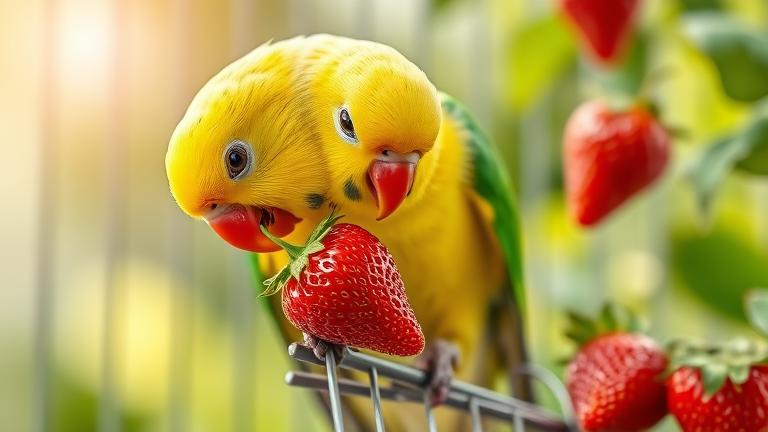
Are Strawberries Safe for Your Parakeet?
If you want to treat your parakeet to something sweet and colorful, strawberries might come to mind. These juicy berries are generally safe for parakeets to eat in moderation. They are a good source of vitamins, especially vitamin C, which can support your bird’s immune system. However, it’s important to prepare strawberries properly and watch for any signs of trouble.
Before giving strawberries to your parakeet, make sure they are fresh and free from pesticides or chemicals. Always wash the berries thoroughly under running water. Avoid strawberries that appear moldy, slimy, or overly ripe, as spoiled fruit can cause digestive issues. Removing the green leaves, or calyx, is also a good idea because they can be tough for small birds to chew and digest.
When offering strawberries, start with a small piece to see how your parakeet reacts. Some birds love the taste, while others may be hesitant at first. Remember, strawberries should only be a treat and not a staple part of your bird’s diet. Their diet should mainly consist of bird seeds, pellets, and fresh vegetables.
While strawberries are safe, there are some precautions to keep in mind. Too much fruit, including strawberries, can lead to upset stomach or diarrhea in small birds. Because of their natural sugar content, it’s best to give strawberries occasionally, not every day. A good rule is to offer fruit as part of a balanced diet, no more than once or twice a week.
Potential Risks to Watch Out For
- Allergic reactions: Some birds might have a sensitivity to certain fruits. Watch for any signs of itching, swelling, or unusual behavior after offering strawberries.
- Pesticides or chemicals: Always opt for organic strawberries if possible. If not, wash thoroughly to remove residues.
- Overfeeding: Too many strawberries can cause digestive upset due to their sugar content.
Benefits of Feeding Strawberries
- Rich in vitamin C, which supports immune health
- High in antioxidants, helping reduce oxidative stress
- Offers a hydrating treat, especially important during hot weather
Remember, every bird is different. Watch your parakeet closely when introducing new foods like strawberries. If you notice any unusual symptoms such as lethargy, decreased appetite, or digestive issues, stop feeding strawberries and consult an avian vet. When given in moderation and properly prepared, strawberries can be a tasty and healthy treat for your small feathered friend.
Benefits of Strawberries in Bird Diets
Adding strawberries to your parakeet’s diet can provide a range of nutritional benefits that support their overall health and well-being. Strawberries are a delicious and nutritious treat that many birds enjoy, and they offer essential vitamins and minerals. Including strawberries in your bird’s diet can help boost their immune system, improve feather quality, and keep them happy and energized.
One of the main advantages of strawberries is their high vitamin C content. This vitamin is vital for maintaining a healthy immune system in birds. Unlike humans, parrots and other birds cannot produce vitamin C on their own, so they need it from their diet. Providing strawberries ensures your bird gets this crucial nutrient, especially during times of stress or illness.
Strawberries are also rich in antioxidants, which help fight free radicals that can damage cells. Antioxidants are important for supporting your bird’s immune health and preventing age-related issues. The natural compounds found in strawberries can contribute to a longer, healthier life for your feathered friend.
In addition to vitamins and antioxidants, strawberries contain essential minerals like manganese and potassium. Manganese plays a role in bone development and metabolism, while potassium supports proper nerve function and muscle health. These minerals are important for keeping your bird active and spry.
Furthermore, strawberries are low in calories but high in fiber. The fiber helps regulate your bird’s digestion, preventing constipation and promoting a healthy gut. Because strawberries are mostly water, they also contribute to hydration, especially in warmer weather or dry environments.
However, it’s important to remember that strawberries should be offered as a treat and not a main part of your bird’s diet. Too many strawberries can cause digestive upset or excess sugar intake. Always wash strawberries thoroughly to remove pesticides or chemicals before giving them to your bird. Cutting strawberries into small pieces makes them easier and safer to eat, particularly for smaller birds like parakeets.
- Offer strawberries in moderation, about once or twice a week.
- Remove any stems and leaves, as they can be difficult to digest.
- Observe your bird for any adverse reactions stop giving strawberries if you notice any upset or discomfort.
Incorporating strawberries into your bird’s diet naturally enhances their nutritional intake while providing a tasty, colorful snack. Remember to use fresh, ripe strawberries for the best flavor and health benefits, and always prioritize a balanced diet that includes a variety of fruits, vegetables, seeds, and pellets. With careful preparation, strawberries can be a delightful, beneficial addition to your parakeet’s daily routine.
How to Prepare Strawberries for Your Parakeet
Feeding strawberries to your parakeet can be a healthy and tasty treat. These sweet berries are rich in vitamins and antioxidants that can benefit your bird’s health. However, it’s important to prepare strawberries properly to keep your parakeet safe and happy.
Before offering strawberries to your parakeet, always start with fresh, ripe berries. Pick berries that are bright in color, firm, and free from mold or damage. Avoid strawberries with soft spots or mold, as spoiled fruit can cause digestive issues for your bird.
Step 1: Wash the Strawberries Thoroughly
Begin by rinsing the strawberries under cool, running water. Gently scrub them with your fingers to remove any dirt, pesticide residue, or bacteria. It’s best not to use soap or chemical cleaners, as these can be harmful to your pet. Washing ensures the strawberries are clean and safe for your parakeet to eat.
Step 2: Remove the Stems and Leaves
Once cleaned, remove the green stems and any leaves. These parts can be tough or bitter and are not recommended for your bird to swallow. Use your fingers or small kitchen scissors to carefully trim off the stems. Removing these parts also helps prevent choking and makes the strawberry easier for your parakeet to nibble.
Step 3: Cut the Strawberries into Small, Appropriately Sized Pieces
Cut the strawberries into small, manageable pieces that fit comfortably in your parakeet’s beak. For small birds, bite-sized or even quartered pieces work well. Avoid giving large chunks which can be difficult to swallow or cause choking. Small pieces make it easier for your bird to enjoy the treat and help prevent messes.
Tips for Serving Strawberries Safely
- Offer strawberries as a treat, not a primary food. Parakeets need a balanced diet that includes seeds, pellets, and fresh vegetables.
- Limit strawberry portions to a small amount, such as a slice or a few small pieces, to prevent digestive upset.
- Introduce strawberries gradually if your parakeet has never tried them before. Watch for any signs of allergic reactions or digestive issues.
- Feed strawberries as part of a varied diet for the best health benefits. Overfeeding berries can cause diarrhea or other problems.
Storing Leftover Strawberries
If you have leftover prepared strawberries, store them in an airtight container in the refrigerator. Use them within one or two days to ensure freshness and safety. Always check the berries for mold or spoilage before offering them to your bird again.
By following these simple steps, you can safely prepare strawberries that your parakeet will enjoy. Remember, safe and clean food prep is key to keeping your feathered friend healthy and happy with their treats.
Feeding Tips for a Healthy Parakeet Diet
Offering the right food in the correct amounts is key to keeping your parakeet happy and healthy. A balanced diet helps boost their immune system, keeps their feathers shiny, and ensures they stay energetic. When it comes to feeding your little bird, knowing portions, treat frequency, and how to balance treats with staple foods can make all the difference.
Understanding Proper Portion Sizes
Parakeets are small birds, so their daily food intake is quite modest. Typically, a parakeet needs about one tablespoon of food each day. This can be a mix of seeds, pellets, and fresh produce. Instead of free-feeding all day, offering measured portions helps prevent overeating and keeps your bird from developing health issues like obesity.
Use a small dish or container to serve their daily portion. If you’re feeding seeds, keep in mind that these are high in fat, so only offer about a third of their diet in seeds, with the rest coming from pellets and fresh foods. Remember, always remove any uneaten fresh food after 24 hours to keep the environment clean and prevent spoilage.
Feeding Strawberries: How Often and How Much
Strawberries are a delightful treat for parakeets, packed with vitamins and antioxidants. However, treats should only make up a small part of their overall diet. Offer strawberries about two to three times a week, in small slices or pieces. One or two small pieces are enough, as too many can upset their stomach or cause diarrhea.
Before giving strawberries, wash them thoroughly to remove any pesticides or chemicals. Remove any leftover parts and cut the fruit into tiny pieces to prevent choking. Always observe your bird after offering a new treat, and if you notice any adverse reactions, stop giving strawberries and consult a vet.
Balancing Treats with Staple Foods
Treats like fruits, vegetables, or special bird snacks are a wonderful way to enrich your parakeet’s diet, but they should not replace their main meals. The foundation of a healthy diet is formulated pellets or fortified seed mixes. These provide essential nutrients and vitamins that your bird needs daily.
To keep things balanced, aim for treats to make up no more than 10% of your parakeet’s daily intake. For example, if your bird eats a tablespoon of food a day, treats should be just a portion of that amount. Use treats as rewards during training or to provide mental stimulation, not as primary food sources.
Be cautious with salty, sugary, or processed foods, as these can harm your bird. Fresh greens like spinach or kale can be offered daily and serve as healthy treats or additions to their staple diet.
Additional Tips for a Healthy Parakeet Diet
- Provide fresh water daily change it at least once a day.
- Offer a variety of fruits, vegetables, and grains to diversify their diet.
- Avoid feeding avocado, chocolate, caffeine, or alcohol, as these are toxic to birds.
- Monitor your bird’s weight and feeding habits regularly to catch any health issues early.
Common FAQs About Parakeet Snacks
If you keep a pet parakeet, you might have questions about what snacks are safe and how to give them the right treats. Many owners wonder about feeding strawberries and other fruits or snacks. Here are some common questions and helpful answers to keep your feathered friend healthy and happy.
Can I give my parakeet strawberries?
Yes, strawberries are safe and healthy for parakeets in moderation. They are rich in vitamins, especially vitamin C, which supports your bird’s immune system. Make sure to wash strawberries thoroughly to remove pesticides or dirt before offering.
Cut the strawberries into small pieces to prevent choking and serve only a small portion at a time. Too many fruits can cause digestive upset or obesity, so moderation is key.
What other snacks are safe for parakeets?
Besides strawberries, parakeets enjoy a variety of fruits and vegetables. Safe options include apples (without seeds), carrots, spinach, peas, and berries. Avoid avocado, chocolate, caffeine, or salty foods, as these are toxic to birds.
Offering a balanced mix of pellets, seeds, fruits, and vegetables provides proper nutrition. Treats should make up no more than 10% of your bird’s daily diet.
Are there snacks I should avoid feeding my parakeet?
Definitely. Stay away from foods that are toxic to birds, such as chocolate, caffeine, alcohol, onion, garlic, and avocado. Also, avoid processed snacks like salty chips or sugary candies.
Foods high in salt or sugar can harm their kidneys and cause other health issues. Providing fresh, natural snacks is always the best choice.
Can snacks cause allergies or health issues in parakeets?
While allergies are rare, some birds may have sensitivities. If you notice your parakeet sneezing, scratching, or showing signs of discomfort after trying a new snack, stop feeding it immediately.
Introduce new treats gradually, and watch your bird for any unusual behavior or symptoms. Always consult an avian vet if you suspect an allergy or health problem.
What are signs I am overfeeding my parakeet?
Overfeeding treats can lead to obesity, which affects your bird’s mobility and overall health. Watch for signs such as a sluggish attitude, lack of energy, or a plump appearance. Fat deposits can develop around the abdomen and chest.
Limit snack portions and ensure your parakeet has a balanced diet. Remember, treats should complement, not replace, their main nutritious food.
How often should I give treats to my parakeet?
Treats like strawberries should be given once or twice a week at most. It’s best to keep treats small and infrequent to prevent overeating and ensure your bird gets all necessary nutrients.
Offer treats as a supplement, not as a primary food source. Fresh water should always be available to your parakeet.