
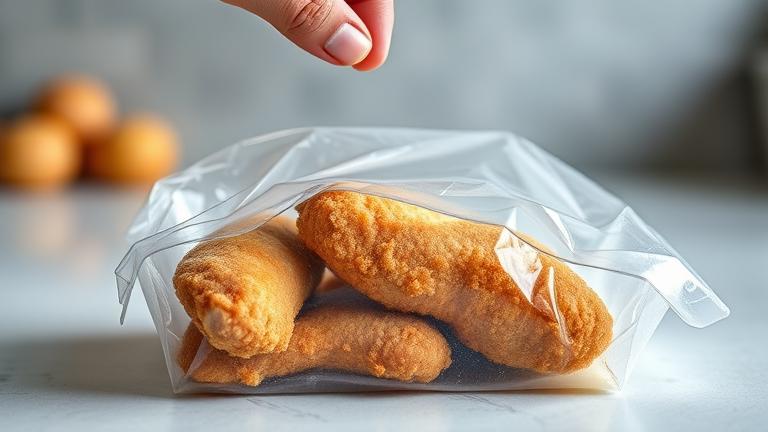
Is Freezing Cooked Breaded Chicken Safe?
Many home cooks wonder if it is safe to freeze cooked breaded chicken and how to do it properly. The good news is that, when handled correctly, freezing cooked breaded chicken can be a safe and convenient way to save leftovers or prepare meals ahead of time. It helps reduce food waste and makes mealtime quicker and easier.
However, safety depends on several factors, including how fresh the chicken is before freezing, how it is stored, and how long it stays in the freezer. Understanding these guidelines can help you keep your breaded chicken delicious and safe to eat later on.
When Is It Safe to Freeze Cooked Breaded Chicken?
The main rule is that cooked breaded chicken should be frozen within a certain time frame after cooking. Ideally, it should be refrigerated within two hours of cooking to prevent bacteria growth. If the room temperature is very warm, say above 90°F (32°C), this window shrinks to about one hour.
Once cooled, you can store cooked breaded chicken in the freezer for later use. It’s important to act quickly to avoid bacteria and keep the quality intact. Never refreeze chicken that has been left out at room temperature for more than the recommended time, as this can pose food safety risks.
How to Freeze Cooked Breaded Chicken Safely
- Cool the chicken properly: Let the cooked breaded chicken come to room temperature, but don’t leave it out longer than two hours. For faster cooling, you can place it in the refrigerator for a short time.
- Package it well: Wrap each piece tightly with plastic wrap or place them in airtight containers or freezer-safe bags. Removing as much air as possible helps prevent freezer burn and preserves flavor.
- Label and date: Mark the package with the date so you can keep track of how long it has been in the freezer. Cooked breaded chicken is best used within three to four months, although it remains safe beyond that if kept frozen continuously.
- Freeze at the right temperature: Ensure your freezer is set to 0°F (-18°C) or lower. Consistent freezing prevents bacterial growth and keeps the chicken safe.
Safety Tips and Common Mistakes to Avoid
- Always reheat breaded chicken to at least 165°F (74°C) before eating to kill any bacteria that may have developed.
- Do not freeze chicken that is still warm from cooking. Cooling to refrigerator temperature first helps prevent ice crystals that damage texture.
- Avoid refreezing chicken after it has been thawed unless you heat it thoroughly first.
- If the chicken develops an unusual odor, color, or slimy texture, discard it. These signs indicate spoilage, not safe for consumption.
Summary
In short, freezing cooked breaded chicken is safe when done properly. Make sure it cools quickly, is stored in airtight packaging, and is used within a few months. Always reheat thoroughly and check for any signs of spoilage before eating. By following these simple tips, you can enjoy your breaded chicken leftovers safely and conveniently whenever you like.
Benefits of Freezing Cooked Breaded Chicken
Freezing cooked breaded chicken offers many practical benefits for home cooks and busy families alike. One of the biggest advantages is that it helps preserve the flavor and texture of the chicken. When done properly, frozen cooked breaded chicken can taste just as delicious as when it was freshly prepared.
Another great benefit is convenience. Having pre-cooked and breaded chicken in your freezer means you can quickly heat up a tasty meal without starting from scratch. This saves valuable time during busy weekdays or when unexpected guests arrive. Simply pop the frozen chicken into the oven or microwave and enjoy a quick, satisfying meal.
Freezing cooked breaded chicken also plays a key role in reducing food waste. If you’ve cooked more chicken than you can eat, instead of throwing it away, you can store it properly in the freezer. This way, you extend its shelf life and avoid tossing out leftovers. It’s an eco-friendly choice that helps maximize what you buy and prepare.
In addition, freezing cooked breaded chicken allows for better meal planning. You can prepare a batch ahead of time, divide it into portions, and take out just what you need for each meal. This approach promotes healthier eating habits, as it encourages you to cook in larger quantities and store leftovers safely.
There are also cost-saving benefits. Buying chicken in bulk and freezing it in cooked form can save money in the long run. You can purchase ingredients at a lower price, cook and bread larger portions at once, then freeze individual servings. This reduces the need for frequent trips to the store and minimizes costly takeout meals.
Additionally, frozen cooked breaded chicken is perfect for last-minute snacks or quick side dishes. Imagine having crispy chicken tenders ready to go for kids’ lunches or a spontaneous party. The convenience and versatility of frozen cooked chicken make it a smart choice for many households.
To get the most benefits, it’s important to freeze the chicken properly. Use airtight containers or freezer bags, remove excess air, and label with the date. This helps ensure the chicken stays fresh and maintains quality for up to 3 months.
Overall, freezing cooked breaded chicken is an easy, effective way to keep this tasty food on hand. It saves time, reduces waste, and keeps your meals flexible and delicious. Next time you cook a batch, consider freezing some for convenient, ready-to-eat meals later on.
Best Techniques for Freezing Cooked Breaded Chicken
Freezing cooked breaded chicken is a great way to save leftovers and prepare meals ahead of time. To keep the chicken fresh, crispy, and full of flavor, it’s important to freeze it correctly. Proper techniques help prevent freezer burn and preserve the texture and taste. Let’s go over some simple and effective methods for freezing your cooked breaded chicken.
Preparing the Chicken for Freezing
Start by letting the cooked breaded chicken cool down to room temperature. Freezing hot or warm chicken can cause moisture buildup and lead to freezer burn. Once cooled, pat the pieces dry with a paper towel if they feel damp. This step helps keep the crust crispy after freezing.
Pre-Freezing Tips
To avoid clumping when freezing multiple pieces, lay the chicken pieces flat on a baking sheet lined with parchment paper. Make sure the pieces don’t touch each other. Place the sheet in the freezer for about 1 to 2 hours. This process, called flash freezing, keeps the chicken separate so they won’t stick together later.
Packaging for Freezing
After flash freezing, transfer the breaded chicken to airtight freezer bags or containers. Remove as much air as possible from the bags to prevent freezer burn. You can use a straw to suck out excess air or gently push it out before sealing. If using containers, choose ones that seal tightly and leave a little space at the top for expansion.
Label and Store
Label each package with the date so you can keep track of how long it has been in the freezer. Cooked breaded chicken can typically be stored for 2 to 3 months without loss of quality. While it’s safe to eat beyond that, the texture and flavor may start to decline.
Tips for Maintaining Quality
- Keep the freezer temperature at 0°F (-18°C) or below for best results.
- Freeze in small, meal-sized portions for easy reheating.
- Avoid overfilling the freezer to allow proper air circulation.
- Use the chicken within 3 months for optimal taste and texture.
Reheating Tips
When ready to eat, reheat the frozen breaded chicken directly from the freezer. Oven reheating is best for maintaining crispiness: preheat to 375°F (190°C), place the chicken on a baking sheet, and warm for about 15-20 minutes. Alternatively, reheat in an air fryer or skillet for a crunchy finish. Avoid microwaving if you want to keep the crust crispy, as moisture can make it soggy.
How Long Can You Store it in the Freezer?
Frozen cooked breaded chicken is a convenient option for busy weeknights or when you want a quick meal. But to enjoy it at its best, it’s important to know how long you can keep it in the freezer without risking spoilage or loss of flavor.
Generally, cooked breaded chicken can be stored safely in the freezer for up to 3 to 4 months. This timeframe helps maintain good taste and texture. After that, the quality may start to decline, and it might become freezer-burned or dry. If you plan to store it longer, consider using airtight packaging or vacuum-sealing, which can help preserve the chicken for a few extra months.
Why Storage Time Matters
Freezer time affects flavor, texture, and safety. While frozen foods stay safe indefinitely at 0°F (-18°C), their taste and quality can deteriorate over time. Proper storage ensures that when you reheat your cooked breaded chicken, it remains juicy, crispy, and flavorful.
Tips for Freezing Cooked Breaded Chicken
- Cool before freezing: Allow the chicken to cool completely before placing it in the freezer. Hot food can cause condensation, leading to ice crystals and freezer burn.
- Use airtight containers or freezer bags: Remove as much air as possible to prevent freezer burn and preserve flavor.
- Label and date: Write the date on the package so you keep track of how long it has been stored.
- Arrange for quick freezing: Place the chicken in a single layer first, then stack or store together once frozen. This prevents it from sticking together and makes reheating easier.
Signs You Should Discard Frozen Breaded Chicken
- Freezer burn: Look for dry, discolored patches. It affects texture and may make the chicken less tasty.
- Off smell or strange appearance: If the chicken smells sour or looks unusual after thawing, it’s safest to throw it away.
Reheating Tips for Best Results
When reheating frozen cooked breaded chicken, it’s best to do it in an oven or air fryer to regain crispy texture. Microwaving can make it soggy. Always heat to an internal temperature of 165°F (74°C) to ensure it’s safe to eat.
| Storage Duration | Best Quality & Taste |
|---|---|
| Up to 3-4 months | Enjoys optimal flavor and crispiness |
| More than 4 months | Quality may decline, but still safe to eat |
By following these storage tips and respecting the recommended timeframe, you can enjoy your cooked breaded chicken whenever you want without worries. Happy cooking and freezing!
Thawing and Reheating Tips
Frozen cooked breaded chicken can be a delicious meal, but it’s important to thaw and reheat it carefully. Doing so helps preserve the chicken’s texture, flavor, and safety. With a few simple steps, you can enjoy your leftovers just as much as when they were freshly cooked.
Safe Thawing Methods
The best way to thaw breaded chicken is gradually and safely. There are three main methods, and choosing the right one depends on your schedule.
- Refrigerator Thawing: This is the safest method. Place the frozen chicken in its original packaging or a dish to catch any drips. Let it thaw in the fridge for about 24 hours. Small pieces may thaw overnight, while larger cuts can take longer. This slow process helps maintain the chicken’s texture and prevents bacteria growth.
- Cold Water Thawing: For quicker results, seal the breaded chicken in a leak-proof plastic bag and submerge it in cold water. Change the water every 30 minutes to keep it cold. Small pieces can thaw in an hour or two, while larger pieces might take a few hours. Cook the chicken immediately after thawing using this method.
- Microwave Thawing: Use your microwave’s defrost setting to thaw breaded chicken quickly. Check often to prevent parts from cooking. Microwaves can sometimes unevenly thaw food, so rotate or flip the pieces. Always cook the chicken immediately after microwave thawing to ensure safety.
Reheating for the Best Texture and Flavor
Reheating breaded chicken can be tricky because you want to keep it crispy and tender. Here are some practical tips:
- Oven Reheating: Preheat your oven to 375°F (190°C). Arrange the chicken on a baking sheet lined with foil or parchment paper. For extra crispiness, place a wire rack on the baking sheet so the hot air circulates around the chicken. Reheat for 15–20 minutes, or until hot all the way through and the coating is crispy.
- Toaster Oven: A smaller option that works well. Follow the same steps as the oven, adjusting the time based on the size of your pieces.
- Skillet Reheating: Add a little oil or cooking spray to a skillet over medium heat. Place the chicken in the skillet and cook for about 4–6 minutes on each side. This method keeps the breading crispy and warms the chicken evenly.
- Microwave Reheating: Use only if you’re in a hurry. Place the chicken on a microwave-safe plate, cover with a paper towel, and heat in 30-second bursts until steaming hot. Be aware that the coating might lose some crispiness.
Additional Tips to Keep in Mind
- Always check that the chicken reaches an internal temperature of 165°F (74°C) before serving. Use a food thermometer for accuracy.
- If reheating in the oven, avoid covering the chicken tightly with foil for the entire time. A slight vent allows moisture to escape, keeping the breading crisp.
- Reheat only the amount you plan to eat. Repeated thawing and reheating can compromise safety and texture.
- Leftover reheated chicken should be enjoyed within 2-3 days of thawing.
By thawing slowly and reheating carefully, you’ll keep your breaded chicken tasty and crispy. Follow these tips, and your leftovers will taste almost as good as fresh!
Do’s and Don’ts of Freezing Cooked Chicken
Freezing cooked chicken can be a great way to save leftovers and prepare meals in advance. However, to keep your breaded chicken tasting fresh and maintaining its texture, it’s important to follow some key do’s and don’ts. Proper freezing techniques can make a big difference in the flavor, safety, and overall quality of your cooked chicken.
Do’s for Freezing Cooked Chicken
- Cool the chicken properly before freezing. Allow the cooked breaded chicken to reach room temperature, but do not leave it out for more than two hours. Rapid cooling helps prevent bacteria growth and keeps the chicken fresh longer.
- Use airtight containers or heavy-duty freezer bags. Proper packaging prevents freezer burn and keeps moisture in. Squeeze out excess air from bags before sealing to avoid freezer burn and preserve flavor.
- Label your packages clearly. Write the date and contents on each package so you know what you are freezing and how long it has been stored. This helps you use the oldest items first.
- Freeze in small or single-portion sizes if possible. This makes it easier to thaw only what you need, reducing waste and maintaining quality.
- Keep your freezer at 0°F (-18°C) or lower. Consistent, cold temperatures are essential for maintaining food safety and quality during long storage.
Don’ts for Freezing Cooked Chicken
- Don’t freeze hot or warm chicken. Hot food can raise the temperature inside the freezer, risking bacteria growth and causing other frozen items to partially thaw. Always let the chicken cool thoroughly first.
- Don’t forget to remove excess moisture. Before freezing, pat the chicken dry with paper towels. Excess moisture can freeze into ice crystals, making the coating soggy.
- Don’t refreeze chicken that has already been thawed. Once thawed, cooked chicken should be eaten within a few days. Refreezing can compromise its texture and safety.
- Don’t store cooked chicken for too long. Even when properly frozen, cooked chicken is best used within 3 to 4 months for optimal taste. After that, the quality may decline.
- Don’t overload your freezer. Proper air circulation is vital for maintaining consistent freezing temperatures. Overloading can trap heat and compromise food safety.
Practical Tips for Freezing Cooked Breaded Chicken
- For best results, freeze breaded chicken soon after cooking, ideally within a few hours. This helps maintain crispiness and flavor.
- Use parchment paper or foil between stacked chicken pieces to prevent sticking and make thawing easier.
- When reheating, skip the microwave if you want to retain crispiness. Instead, reheat in the oven or air fryer for best texture.
- Remember that breaded chicken tends to lose some of its crunch after freezing and reheating. Freshly cooked is always the crispy winner!
Following these do’s and don’ts ensures your cooked chicken stays delicious and safe to enjoy later. Proper packaging, cooling, and storage techniques are simple habits that make a big difference in the quality of your frozen breaded chicken.
Common Mistakes to Avoid When Freezing
Freezing cooked breaded chicken can be a great way to save leftovers and prepare meals ahead of time. However, there are some common mistakes that can affect the quality and safety of your chicken. Knowing what to watch out for can help you preserve the tasty texture and flavor. Here are some mistakes to avoid and helpful tips to keep your frozen breaded chicken at its best.
One common error is not packaging the chicken properly. If breaded chicken isn’t wrapped tightly, it can develop freezer burn. Freezer burn causes dehydration and changes in texture, making the chicken dry and less flavorful. Always use airtight containers or freezer-safe resealable bags. Squeezing out excess air is also important to prevent moisture loss. For best results, wrap the chicken in plastic wrap or foil before placing it into a bag or container.
Another mistake is freezing breaded chicken for too long. While the freezer can preserve food for months, the quality diminishes over time. Usually, cooked breaded chicken maintains good quality for about 1 to 3 months. After this, the texture may become spongy or dry, and flavors can fade. To keep track, label your packages with the date you froze them. That way, you will know when to use them before the quality drops.
A common oversight is not letting the chicken cool properly before freezing. Plopping hot or even warm chicken directly into the freezer can raise the temperature inside your freezer, risking other stored foods. It can also cause the breading to become soggy or greasy. Allow the chicken to cool at room temperature for no more than two hours before freezing. For faster cooling, you can place it on a wire rack or use a fan.
Another mistake is freezing breaded chicken without removing excess moisture. If the chicken is wet or has accumulated moisture from washing or cooking, that moisture can freeze into ice crystals, making the coating soggy. To prevent this, pat the chicken dry with paper towels before freezing. Ensuring that it’s as dry as possible helps keep the breading crisp when reheated.
Lastly, many forget that improper reheating can lead to disappointing results. Don’t thaw breaded chicken at room temperature. Instead, transfer it from the freezer to the fridge and let it thaw slowly. Reheat in an oven or air fryer rather than microwave, which can make the breading soggy or unevenly heated. This helps maintain the crunch and flavor.
- Use airtight containers or freezer bags and squeeze out excess air
- Freeze for no longer than 1 to 3 months for best quality
- Cool cooked chicken completely before freezing
- Pat dry to remove excess moisture
- Thaw in the fridge and reheat using oven or air fryer for best texture
By avoiding these common mistakes, you’ll keep your cooked breaded chicken tasting fresh and delicious even after freezing. Proper packaging, timing, and handling are key to enjoying tasty, crispy leftovers whenever you want.