
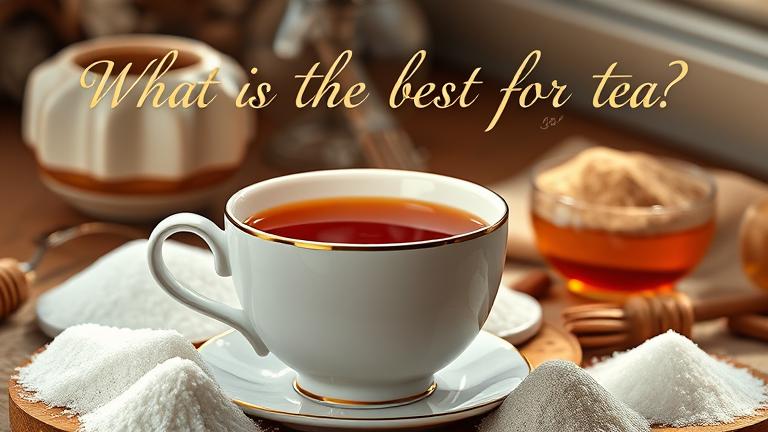
Types of Sugar for Tea Explained
When it comes to sweetening tea, the type of sugar or sweetener you choose can make a difference in flavor and health. From traditional white sugar to natural alternatives, understanding your options helps you customize your tea just the way you like it. Let’s explore the most common types of sugar used in tea and their best uses.
White Granulated Sugar
This is the classic choice for sweetening tea. It’s made from refined sugarcane or sugar beets and has a clean, neutral sweetness. White sugar dissolves quickly in hot tea, creating a smooth, even sweetness. It is perfect when you want a straightforward sweet taste without extra flavors.
However, white sugar is highly processed and offers little nutritional value. Use it in moderation if you are watching your sugar intake. For a simple, sweet addition to your tea, it remains the most common choice.
Brown Sugar
Brown sugar contains molasses, giving it a richer flavor and a slightly chewy texture. It adds a warm, caramel-like note to your tea, which can be especially nice in spiced or chai teas. It dissolves well in hot liquids but may take a little longer than white sugar.
Brown sugar can be light or dark, with dark brown sugar having a stronger molasses flavor. It’s great for adding depth and complexity, but remember that it also contains a small amount of minerals like calcium, potassium, and iron, making it a slightly healthier option.
Honey
If you prefer natural sweetness, honey is a fantastic choice. It’s produced by bees and offers a unique flavor that varies depending on the flowers the bees visited. Honey dissolves best in hot tea and can add a floral or fruity note to your drink.
Honey also has some antioxidants and may soothe sore throats, making it more than just a sweetener. Keep in mind that honey is sweeter than sugar, so start with a small amount and adjust to taste.
Maple Syrup
Maple syrup is a natural sweetener made from the sap of sugar maple trees. It has a distinct, rich flavor with caramel and vanilla notes. A little goes a long way in sweetening tea, and it pairs beautifully with herbal or spiced teas.
Maple syrup dissolves slowly, so stir well, especially in cold tea. Use it as an artisanal sweetener for a unique twist on your favorite brew.
Artificial and Natural Liquid Sweeteners
For those avoiding sugar, there are artificial options like aspartame or sucralose, and natural ones like stevia or monk fruit extract. These are much sweeter than sugar, so only a few drops or a pinch is needed.
They dissolve quickly and won’t add calories or affect blood sugar levels. However, some people notice a distinct aftertaste or prefer the taste of natural sweeteners, so try different types to find what suits you best.
- Choose white sugar for a neutral, quick sweetening.
- Opt for brown sugar or honey for richer, more complex flavors.
- Use syrup or liquid sweeteners for easy mixing, especially in cold tea.
- Experiment with natural alternatives if you need to reduce sugar intake.
Remember, the best sugar for your tea depends on your taste, dietary needs, and the flavor profile you want to create. Start simple and explore the different options to find your perfect tea-sweetening match.
Trending Tips for Perfect Sweetness
Getting the right sweetness in your tea can make a big difference in your tea-drinking experience. Whether you prefer a subtle hint of sugar or a more pronounced sweet flavor, these tips will help you achieve the perfect balance every time. From measuring techniques to flavor balancing, let’s explore current popular methods for sweetening your tea effectively.
Start Small and Adjust Gradually
Many home tea enthusiasts find that adding too much sugar all at once can overwhelm the tea’s natural flavors. It’s best to start with a small amount of sweetener—like half a teaspoon—especially if you’re trying a new type of tea or sweetness level. Stir well and taste before adding more. This gradual approach helps you avoid oversweetening and makes it easier to find your perfect level of sweetness.
Use the Right Measuring Tools
Accurate measurement is key to consistent results. Consider using a teaspoon or a digital scale to measure your sugar or sweetener. If you prefer liquid sweeteners like honey or syrup, use a tablespoon or a droplet measure for precision. Experiment with different amounts until you find what complements your tea best. Keep notes if needed, so you can recreate your ideal sweetness every time.
Timing Is Everything
When you add your sweetener can impact how well it dissolves and how it infuses flavor. For loose leaf teas, add sweetener while the tea is still hot, ideally right after brewing. Hot water helps dissolve sugar quickly and evenly. If you’re sweetening iced tea, add sugar when the tea is still warm or use syrup, which dissolves more easily in cold liquids.
Some people prefer adding honey or syrup during brewing to let the sweetness meld better. Just remember, adding sweetener early gives it more time to blend with the tea, so adjust accordingly if you want a lighter or more pronounced sweetness.
Balance Flavors Carefully
Sweetness should enhance, not overpower, the flavor of your tea. If your tea has a delicate floral or fruity note, opt for a light touch of sugar or honey. For stronger, robust teas like black or chai, you can add a bit more sweetness without losing their character.
When experimenting, taste your tea at different stages—warm, room temperature, and cold—to see how the sweetness evolves. Remember, what tastes perfect when hot might be a bit different when cooled.
Popular Methods for Sweetening
- Using Honey or Maple Syrup: These add natural sweetness with subtle unique flavors. Dissolve them in hot tea for better integration.
- Simple Syrup: A mix of sugar and water heated until dissolved. Make a batch ahead of time and keep it in the fridge for quick sweetening.
- Adjustable Shots of Liquid Sweetener: Keep a bottle of flavored syrup or honey by your tea setup for easy, customizable sweetness.
Common Mistakes to Avoid
- Adding too much sweetener at once—it’s harder to correct later.
- Using inaccurate measuring tools—results can vary wildly.
- Forgetting to taste after each adjustment—trust your palate.
By keeping these trending tips in mind, you’ll be on your way to brewing tea with the perfect sweetness level. Remember, practice makes perfect, so don’t be afraid to experiment and find what works best for your taste buds.
Health Considerations When Sweetening
When adding sweetness to your foods and drinks, it’s important to think about the health implications of different sweeteners. While sugar is a common choice, consuming too much can lead to health issues like weight gain, energy crashes, and increased risk of diabetes.
Excess sugar intake has been linked to various health problems. It can cause blood sugar spikes, which may leave you feeling tired and hungry soon after eating. Over time, too much sugar may also contribute to obesity, heart disease, and cavities. That’s why many health experts recommend moderating your sugar consumption.
Luckily, there are healthier alternatives to traditional sugar. Natural sweeteners like honey, maple syrup, and agave nectar are often less processed and contain some nutrients. However, they still contain calories and can impact blood sugar levels if used in large amounts. It’s best to use them in moderation, just like regular sugar.
Understanding Artificial and Low-Calorie Sweeteners
Some people turn to artificial sweeteners, such as aspartame, sucralose, or saccharin, to reduce calorie intake. These can be useful if you want to cut back on sugar or manage diabetes. But it’s good to be aware that not everyone reacts well to these chemicals, and some studies suggest they might cause cravings for sweet foods or have other health effects.
Low-calorie sweeteners, like stevia or monk fruit, are natural options that are much sweeter than sugar but contain few or no calories. They can be a smart choice for those looking to reduce overall calorie intake or manage blood sugar levels. Still, it’s advisable to use them in moderation and observe how your body responds.
Practical Tips for Mindful Sweetening
- Read labels carefully, especially when buying processed foods or beverages. Look for hidden sugars and unfamiliar ingredients.
- Start by reducing the amount of sugar a recipe calls for. Often, you can cut back without sacrificing flavor.
- Experiment with natural flavor enhancers like vanilla, cinnamon, or citrus to boost sweetness without added sugar.
- Choose whole, minimally processed foods whenever possible. Fresh fruit naturally provides sweetness and added nutrients.
- Be aware of your own health goals and how different sweeteners affect you. For some, certain alternatives might cause digestive discomfort or other issues.
Remember, moderation is key when it comes to sweeteners. Being mindful of how much and what types you use helps you enjoy treats without compromising your health. Making small, informed choices about sweetening can support your overall wellness and keep your diet balanced and satisfying.
Popular Ways to Sweeten Your Tea
Sweetening tea can make a big difference in its flavor and overall experience. Whether you prefer a classic touch of sugar or want to try something different like honey or syrup, there are many ways to enhance your cup. Each method has its own unique effect on taste and texture, so experimenting can help you find your favorite style.
Let’s explore some of the most popular ways to sweeten your tea and what makes each one special. You’ll also find tips on the best ways to add them for the perfect sip.
1. Granulated Sugar
The most common way to sweeten tea is with regular sugar. It dissolves easily in hot tea and provides a straightforward sweetness. To get the best results, add the sugar while the tea is still hot, so it dissolves completely. Use about a teaspoon per cup, but feel free to adjust to your taste.
Be careful not to add too much sugar at once, as it can settle at the bottom or make the tea overly sweet. If your sugar doesn’t dissolve well, stirring or warming the tea slightly can help.
2. Honey
Honey gives tea a rich, natural sweetness with a slight floral note. It’s a favorite for many because it dissolves nicely in hot tea. Pour a teaspoon of honey into your cup, then stir until it melts completely. For a stronger honey flavor, add a bit more.
Keep in mind that honey can make tea a little thicker or slightly viscous, adding a smooth texture. It’s also a good choice for cold tea; just stir well to blend.
3. Syrups
Liquid sweeteners like simple syrup or flavored syrups are great for quick sweetness. These dissolve instantly and give a uniform taste. Simple syrup, made from equal parts sugar and water boiled together, is especially handy because it melts easily in cold or hot tea.
If you want to add a twist, try flavored syrups like vanilla or caramel. Add just a small amount, taste, and then adjust to your liking.
4. Artificial Sweeteners
For those watching their calorie intake, artificial sweeteners offer a sugar-free way to sweeten tea. Products like aspartame or stevia are common choices. Most dissolve quickly in hot tea, but check the package for recommended amounts since they’re often sweeter than sugar.
Be mindful that some people notice a different aftertaste with artificial sweeteners, so start with a small amount and adjust as needed.
Additional Tips for Sweetening Tea
- Always add sweeteners to hot tea first; it helps them dissolve smoothly.
- Experiment with different methods to find your preferred flavor profile.
- Adjust the amount of sweetener gradually to suit your taste.
- Remember that some sugars and honey can change the texture slightly, so choose what works best for your tea style.
Comparing Granulated, Honey, and Alternatives
When it comes to sweetening your tea, choosing the right sweetener can make a big difference in flavor and health. Common options include granulated sugar, honey, and various alternative sweeteners. Each has its own qualities, and knowing the differences helps you pick the best one for your taste and lifestyle.
Flavor and Taste
Granulated sugar is the most neutral sweetener. It adds sweetness without changing the tea’s flavor much. This makes it a versatile choice for different teas, whether black, green, or herbal. Honey, on the other hand, offers a richer, more complex flavor. It can add floral, fruity, or earthy notes, depending on the type of honey you use. Honey pairs especially well with chamomile or herbal teas, enhancing their natural flavors.
Alternative sweeteners like stevia, agave syrup, or maple syrup each have unique tastes. Stevia is very sweet and has a slight bitter aftertaste for some people. Agave syrup is milder and similar in consistency to honey, with a hint of caramel flavor. Maple syrup adds a distinctive woody sweetness, which works great with black teas or spiced blends.
Health Benefits and Considerations
Granulated sugar provides quick energy but offers little nutritional benefit. Excess consumption can lead to health issues like weight gain and insulin spikes. Honey is often viewed as a more natural option. It contains small amounts of antioxidants and minerals, and some studies suggest it may soothe sore throats or aid digestion.
Alternative sweeteners vary in health impacts. Stevia is calorie-free and does not raise blood sugar, making it popular among those managing diabetes. Agave syrup has a lower glycemic index than sugar but is higher in fructose, which can be a concern if consumed in large amounts. Maple syrup offers antioxidants and nutrients like manganese, but also contains sugar, so moderation is key.
Preparation and Ease of Use
Granulated sugar dissolves fairly easily in hot tea but may take a moment. It is straightforward and long-lasting, stored in your pantry. Honey requires a little warming or stirring to dissolve fully, especially in cold liquids. It blends well when added to hot tea, creating a smooth sweetness.
Alternative sweeteners vary in how they mix. Liquid options like agave or maple syrup dissolve quickly and evenly. Powdered or granular stevia might need stirring well or heating to blend smoothly. Always check the package instructions for best results.
Suitability for Different Types of Tea
Many teas can be sweetened with any of these options, but some pair better with certain sweeteners. Honey works beautifully with herbal teas and lighter green teas. Granulated sugar is a safe, neutral choice for black and robust teas. For specialty or delicate teas, like jasmine or white tea, a milder sweetener like agave syrup or a smaller amount of stevia might be best to avoid overpowering subtle flavors.
Each sweetener also influences the overall experience—from aroma to aftertaste—so don’t hesitate to experiment and see what suits your palate best. Keep in mind your health goals and the type of tea when making your choice. With a little practice, you’ll find the perfect sweetener for each cup.
Tips for Achieving the Ideal Sweetness Level
Getting the perfect sweetness in your tea can make a big difference in enjoying your cup. Whether you prefer just a hint of sugar or a noticeably sweet flavor, knowing how to gauge and adjust sweetness helps you craft your ideal brew. Here are some practical tips to guide you through the process.
Start Small and Adjust Gradually
When adding sweeteners, it’s best to start with a small amount. Add a teaspoon of sugar or honey to your tea, stir well, and taste. If it’s not sweet enough, add a little more. This gradual approach prevents overshooting your preferred level of sweetness and saves you from having to start over.
Use Measuring Tools for Precision
To achieve consistent results, keep a small measuring spoon handy. This helps you remember how much sugar or sweetener you add each time. Over time, you’ll develop a sense of how much you need to reach your desired sweetness, making future adjustments easier.
Experiment with Different Sweeteners
Not all sweeteners are created equal. Honey, agave syrup, stevia, and simple syrup each have different sweetness intensities and flavors. For example, honey adds a floral note, while stevia is much sweeter than sugar without extra calories. Try experimenting with small amounts of different options to see which complements your tea best.
Balance Flavors in Your Tea
Sweetness isn’t just about adding sugar. It’s about balancing flavors. If your tea is a bit bitter or tart, a touch of sweetness can smooth out the flavor profile. Conversely, if the tea is very sweet already, adding more can overpower the subtler notes. Taste your tea regularly during the sweetening process to find the right balance.
Experiment and Keep Notes
Everyone’s palate is different, so don’t hesitate to experiment. Make notes of how much sweetener you add to each pot or cup. Note the type of sweetener, the amount, and your taste reaction. Over time, you’ll learn exactly how to achieve your personal perfect sweetness level with less trial and error.
Avoid Over-Sweetening
Adding too much sugar can mask the delicate flavors in your tea and lead to a cloying, overly sweet taste. Remember, you can always add more, but you can’t remove excess once it’s in. Taste frequently during the sweetening process, and stop once you hit that sweet spot.
Adjust Based on Preferences and Context
Your ideal sweetness might change based on the type of tea, the time of day, or your mood. For example, you might prefer a lightly sweetened green tea in the morning but enjoy a more sugary black tea during dessert. Don’t hesitate to tweak the levels to suit the occasion.
- Keep a small jar of your preferred sweetener nearby for easy adjustment.
- Remember that natural sweeteners like honey or maple syrup can add a flavor boost along with sweetness.
- Allow the tea to cool slightly before tasting — very hot tea can mask sweetness levels.
FAQs About Sugar and Tea
Many tea lovers wonder about adding sugar to their favorite brew. Whether you’re new to tea or a seasoned enthusiast, understanding how sugar affects your tea can help you enjoy it even more. Here are some common questions and helpful answers about using sugar in tea.
Should I add sugar to my tea?
The choice to add sugar depends on your taste preferences. Some people love a sweet touch that enhances the flavor, while others prefer their tea without any added sweetness. If your tea tastes too bitter or strong, a small amount of sugar can balance the flavors. Experiment to find the right amount for you—start with a teaspoon and adjust as needed.
How much sugar should I put in tea?
The ideal amount varies for each person. A typical starting point is about one teaspoon of sugar per cup of tea. If you like it sweeter, add a little more. For those watching their sugar intake, even half a teaspoon can make a difference. Remember, you can always add more, but you can’t take it out once it’s in, so start small.
Does adding sugar affect the health of tea?
Using sugar sparingly usually doesn’t harm your health, but too much can. Consuming large amounts of sugar regularly can contribute to weight gain, tooth decay, and other health issues. If you drink tea daily, consider gradually reducing the amount of sugar. You might also try healthier alternatives like honey or natural sweeteners if preferred.
Can I use other sweeteners besides sugar?
Absolutely. Natural options like honey, maple syrup, or agave nectar add sweetness and sometimes extra flavor. Artificial sweeteners like stevia or sucralose are also popular but should be used in moderation. Each sweetener has its own taste and effect, so try different ones to see which you like best in your tea.
Does sugar change the flavor of different types of tea?
Yes, adding sugar can enhance or mellow the flavors of various teas. For example, black teas often benefit from a touch of sweetness, which brings out rich, malty notes. Green teas, on the other hand, usually have a delicate flavor that can be overwhelmed by too much sugar. Experiment with small amounts to see how sugar influences different varieties.
Are there any tips for dissolving sugar in hot tea?
To get the sugar to dissolve smoothly, add it while the tea is still hot. Stir well until the sugar is fully dissolved before sipping. If your tea has cooled down, warm it gently or reheat it for better dissolving. Using fine sugar or sugar cubes can also help it dissolve faster.
What are some common mistakes with sugar and tea?
- Adding too much sugar at once, which can overpower the tea’s natural flavors.
- Using cold tea to add sugar, leading to incomplete dissolving.
- Relying solely on sugar to fix a tea that’s too bitter or strong — try adjusting the brewing time or type instead.
Can I enjoy tea with no sugar?
Definitely. Many tea enthusiasts prefer to enjoy tea without any added sweeteners, especially with subtle or high-quality teas. Tasting your tea without sugar allows you to appreciate its pure flavor. If you find it too bitter at first, try different brewing times or types of tea until you find your perfect cup.
In summary, adding sugar to tea is a personal choice. Use it to suit your taste, be mindful of health, and don’t be afraid to experiment. Small adjustments can make your tea-drinking experience more enjoyable and tailored to your preferences.