
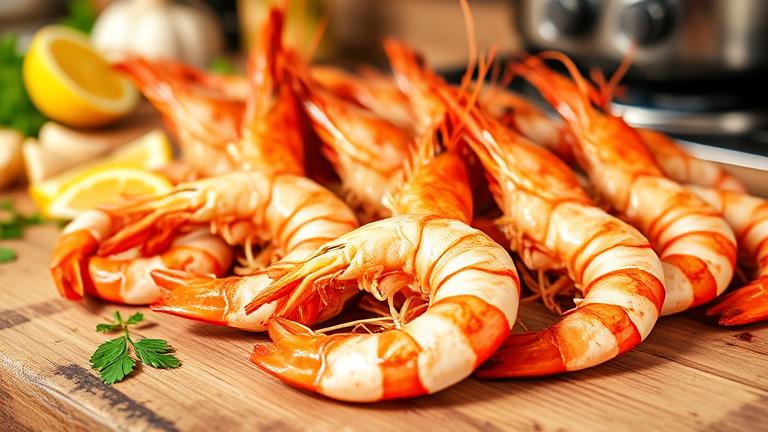
Introduction to Cooking Peeled Prawns
Cooking peeled prawns is a simple and quick way to enjoy this delicious seafood. Whether you’re preparing a pasta, stir-fry, or a seafood platter, peeled prawns are versatile and easy to work with. For beginners, understanding the basics of how to cook prawns properly can make a significant difference in your dishes’ taste and texture.
One of the first things to remember is that prawns cook very quickly. Overcooking can result in tough, rubbery prawns, so timing is key. Typically, prawns only need 2 to 4 minutes to cook on the stove, depending on their size. When cooked just right, they turn opaque and pink and develop a slightly firm texture that is perfect to eat.
Before cooking, it’s important to ensure your peeled prawns are fresh or properly thawed if frozen. Fresh prawns should smell clean and slightly briny, not fishy or sour. If using frozen prawns, thaw them in the fridge overnight or run them under cold water until completely defrosted. Avoid using warm water, which can make them spoil or become too soft.
For best results, you can season the prawns before cooking. Simple options include salt, pepper, garlic, and lemon juice, which enhance their natural flavor. You can also toss them in a marinade or coat them with spices, depending on your recipe. Remember not to marinate for too long, as the acids can change their texture.
When it comes to cooking methods, there are several popular options:
- Boiling: Quick and straightforward. Bring water to a boil, add a pinch of salt, and drop in the prawns. They’re done when they turn pink and float to the surface, usually within 2-3 minutes.
- Sautéing: Cooking prawns in a hot skillet with a little oil or butter. It takes about 2-4 minutes, flipping once, until they are evenly pink and cooked through.
- Grilling: Perfect for outdoor cooking and adds a smoky flavor. Thread prawns onto skewers and grill over medium heat for 2-3 minutes per side.
- Steam: A gentle way to cook prawns. Place them in a steamer basket over boiling water for a few minutes until pink and opaque.
Safety tip: Always cook prawns until they are opaque and pink, and avoid any that remain translucent. Raw or undercooked prawns can carry bacteria, so proper cooking is essential for food safety.
By keeping these tips in mind, beginners can confidently prepare peeled prawns that are tasty and perfectly cooked every time. With practice, you’ll soon master different methods and seasoning styles, making seafood dishes a delightful part of your cooking repertoire.
Best Methods for Cooking Peeled Prawns
Cooking peeled prawns is quick and easy, and choosing the right method can make a significant difference in flavor and texture. Whether you prefer them tender, juicy, or slightly charred, there are several effective ways to prepare prawns that suit different dishes and tastes. Here, we’ll explore some of the most popular and reliable methods for cooking peeled prawns at home.
Boiling or Poaching
This is one of the simplest and fastest ways to cook peeled prawns. To boil or poach prawns, bring a large pot of water to a boil. You can add some salt, lemon slices, or herbs like Bay leaves for extra flavor. Once boiling, add the peeled prawns and cook until they turn pink and opaque. This usually takes about 2-3 minutes, depending on the size of the prawns.
Be careful not to overcook them, as prawns become rubbery when overdone. To check for doneness, look for a vibrant pink color and firm texture. After boiling, drain the prawns and serve immediately or cool them for later use.
Sautéing or Stir-Frying
This method adds flavor and a slight caramelization, perfect for dishes like prawns pasta or stir-fry. Start by heating a little oil or butter in a skillet over medium-high heat. Once hot, add the peeled prawns in a single layer. Cook for about 2 minutes on one side, then flip and cook another 1-2 minutes until they are pink and opaque.
You can enhance the flavor by adding garlic, chili, lemon juice, or herbs during cooking. Stir regularly to ensure even cooking and prevent sticking. Sautéed prawns are best enjoyed immediately for a juicy, flavorful bite.
Grilling
Grilled prawns are perfect for outdoor meals or adding a smoky flavor. Preheat your grill to medium-high heat. To prevent sticking, thread the peeled prawns onto skewers or place them in a grill basket. Brush with marinade, oil, or herbs for extra taste.
Grill for about 2-3 minutes per side, turning once, until they are pink and have grill marks. Keep an eye on them to avoid overcooking, which makes prawns rubbery. Grilled prawns work well in salads, tacos, or served with dipping sauces.
Broiling or Oven Baking
Broiling gives prawns a nice, slightly charred flavor. Arrange peeled prawns on a baking sheet lined with foil or parchment paper. Brush with oil or marinade and season as desired. Place the tray in the oven about 5-7 inches from the broiler element.
Broil for 2-3 minutes on each side, until they turn pink and slightly golden. Oven baking at 400°F (200°C) is another good option—bake prawns for about 8-10 minutes, depending on size. This method is convenient when cooking larger quantities or for dishes like casseroles.
Tips for Perfectly Cooked Peeled Prawns
- Always cook prawns until they are pink and opaque—this indicates they’re done.
- Overcooked prawns become tough and rubbery, so keep a close eye on cooking times.
- If you want extra flavor, marinate prawns before cooking or add fresh herbs and citrus after cooking.
- Cook prawns quickly; they don’t need long, which helps keep their texture tender.
Tips for Tender and Flavorful Prawns
Cooking prawns so they stay tender and tasty can be simple when you follow a few handy tips. Prawns are delicate and can become rubbery if overcooked or prepared improperly. With the right approach, you’ll enjoy prawns that are juicy, flavorful, and perfectly cooked every time.
Choose Fresh Prawns
Freshness is key to great-tasting prawns. Look for prawns that have a clear, ocean-like smell, not a strong fishy odor. The shells should be shiny and moist, and their eyes should be bright and not sunken. If buying pre-packaged, check the sell-by date and ensure the prawns are kept cold. Fresh prawns will give you better flavor and a tender texture after cooking.
Properly Prepare the Prawns
Before cooking, peel the prawns if desired, but leaving the tails on can enhance presentation and flavor. Remove the vein by making a shallow cut along the back and pulling out the dark thread, which is a gut that can affect taste and texture. Rinse the prawns briefly under cold water and pat them dry with paper towels. If you want extra tender prawns, consider marinating them in a mixture of lemon juice, garlic, and a little olive oil for about 15 minutes before cooking. The acidity in lemon can help break down the fibers and make the prawns more tender.
Don’t Overcook Prawns
One of the most common mistakes is overcooking prawns. They cook quickly, usually within 2-3 minutes in boiling water or 2-4 minutes on a hot skillet. Prawns are done when they turn opaque and pinkish. Overcooked prawns become rubbery and tough. Keep a close eye and remove them from heat as soon as they change color. Remember, they will continue to cook a little after being removed from heat, so aim to take them out just before they reach the perfect doneness.
Cook at the Right Temperature
Cook prawns over medium-high heat for the best results. Too high a heat can cause the exterior to cook too quickly and become tough, while too low can make them sit in the pan too long and dry out. Use a hot skillet, grill, or boiling water that is already simmering. When boiling, add the prawns carefully and stir a few times. When grilling or pan-frying, spread them out evenly so they cook uniformly.
Use Simple Flavors to Enhance Natural Taste
- Marinate with lemon, garlic, or herbs like parsley or cilantro for a fresh flavor.
- A light brush of olive oil or butter during cooking keeps prawns moist and adds richness.
- Finish with a squeeze of lemon or lime to boost their natural sweetness.
Additional Tips for Success
- Avoid overcrowding the pan; this can lower the temperature and cause prawns to stew rather than sear.
- Allow prawns to come to room temperature before cooking for even heat distribution.
- Rest cooked prawns for a minute after cooking, which helps retain juiciness.
Following these tips ensures your prawns stay juicy, tender, and bursting with flavor. With practice, you’ll master the art of perfectly cooked prawns that everyone will enjoy.
Common Mistakes When Cooking Prawns
Cooking prawns may seem simple, but many home cooks make small mistakes that can affect the taste and texture. Prawns are delicate seafood, and getting them just right takes a little attention. Knowing what to avoid helps you prepare prawns that are tender, flavorful, and perfectly cooked every time.
One common mistake is overcooking the prawns. When prawns are cooked too long, they turn firm, rubbery, and lose their natural sweetness. They only need a few minutes in hot water, on the grill, or in a pan—usually 2 to 3 minutes per side or until they turn pink and opaque. Keep a close eye, especially if your prawns are small or medium-sized, as they cook quickly.
Another error is cooking prawns at too low or uneven heat. If the heat isn’t high enough, the prawns won’t develop the right color or texture. For stir-frying or grilling, make sure your pan or grill is preheated properly. This helps them cook evenly and prevents sticking or steaming rather than searing.
A frequent mistake is not preparing the prawns properly before cooking. This includes not deveining them, which can affect texture and appearance. The black line along the back of prawns is a vein that contains grit and waste. Use a small knife or deveining tool to carefully remove it. Cleaning them thoroughly ensures a cleaner taste and better presentation.
Another issue is adding too much seasoning or marinade too early. Prawns absorb flavors quickly, so if you marinate them for too long, their texture can become mushy. It’s best to marinate prawns for about 15-30 minutes and avoid salting them excessively beforehand, as salt can draw out moisture and make them dry when cooked.
Using the wrong cooking method can also be a mistake. For instance, boiling prawns is quick, but if you leave them in boiling water too long, they become rubbery. Grilling or pan-frying offers more control over the cooking process. If baking, keep an eye on timing, as prawns can go from perfect to overdone rapidly.
Another common oversight is not chilling or thawing frozen prawns properly. Always thaw frozen prawns in the refrigerator overnight or under cold running water. Cooking frozen prawns directly can lead to uneven cooking, resulting in some parts being underdone and others overcooked.
Lastly, many people forget about safety. Always cook prawns to an internal temperature of 145°F, or until they turn pink and opaque. Undercooked prawns pose a health risk, so ensure they reach this safe temperature before serving.
Tips to Avoid Mistakes
- Remove the devein for cleaner taste and appearance.
- Watch cooking time carefully; prawns cook quickly.
- Preheat your pan or grill for even cooking.
- Thaw frozen prawns properly before use.
- Don’t over-season or marinate for too long.
- Always cook prawns until they are pink and opaque.
By steering clear of these common errors, you’ll enjoy delicious, perfectly cooked prawns every time. Happy cooking!
How to Season Prawns for Maximum Flavor
Seasoning prawns properly can turn an ordinary dish into something special. The goal is to enhance their natural sweetness without overpowering it. With simple strategies, you can make your prawns taste more delicious and flavorful. Whether you’re baking, grilling, or cooking them in a skillet, the right seasoning makes a big difference.
Start by choosing fresh or properly thawed prawns. Fresh prawns usually have a sweeter, more delicate flavor. Before seasoning, pat them dry with paper towels. This helps the spices stick better and ensures even cooking. Now, let’s look at some effective ways to season prawns for maximum taste.
Basic Seasonings Every Cook Should Have
- Salt – Enhances the meat’s natural flavor. Use sea salt or kosher salt for a clean, pure taste.
- Black Pepper – Adds a subtle heat and depth. Grind freshly for the best aroma.
- Garlic – Whether minced, powder, or fresh, it provides a savory layer.
- Lemon or Lime Juice – Brightens the flavor and balances richness.
- Olive Oil or Butter – Helps carry the seasonings and keeps the prawns moist during cooking.
Using Marinades for Deep Flavor
A good marinade can infuse prawns with juicy, complex flavor. Combine ingredients like lemon juice, minced garlic, a splash of soy sauce, and a drizzle of olive oil. Let the prawns sit in the marinade for about 15 to 30 minutes in the refrigerator. This period allows the flavors to penetrate the shell and meat without turning the prawns mushy.
If you prefer a spicier kick, add cayenne pepper or a dash of hot sauce to your marinade. Remember, avoid marinating too long as the acid can start “cooking” the prawns and change their texture.
Dry Seasoning Tips
If you want to keep it simple, try a dry spice rub. Mix paprika, salt, black pepper, and a pinch of cumin or chili powder. Rub the mixture evenly over the prawns. This approach is perfect for grilling or pan-searing. It forms a flavorful crust and makes every bite tasty.
Extra Flavor Boosters
- Fresh Herbs – Add chopped parsley, cilantro, or basil after cooking.
- Chili Flakes – For some heat and zing.
- Smoked Paprika – For a smoky flavor that complements prawns beautifully.
Common Mistakes to Avoid
- Over-salting – It can overpower the prawns’ delicate flavor. Taste your seasoning first.
- Marinating too long – As mentioned, acids can change the texture. Stick to 15–30 minutes.
- Using too much oil or butter – Keep it balanced to avoid greasy dishes.
Practicing these seasoning strategies ensures each prawn is flavorful and juicy. Start simple, taste as you go, and don’t be afraid to experiment. With a little practice, you’ll master the art of seasoning prawns for maximum flavor every time.
Quick and Easy Prawn Recipes
If you love prawns but want to enjoy them without spending hours in the kitchen, you’re in the right place. Quick and easy prawn recipes are perfect for busy weeknights or when you want a tasty meal with minimal fuss.
Prawns cook quickly and can be combined with simple ingredients to create delicious dishes in no time. Whether you prefer them grilled, sautéed, or added to salads, there are plenty of ways to enjoy prawns fast and easily.
Basic Garlic Prawns
This recipe highlights the natural flavor of prawns with a simple garlic butter sauce. It’s perfect for a light dinner or appetizer.
- Ingredients: Prawns, garlic, butter, lemon juice, salt, pepper, parsley (optional).
- Preparation: Heat butter in a pan over medium heat. Add minced garlic and cook for about 30 seconds until fragrant. Toss in the prawns and cook for 2-3 minutes on each side until pink and opaque. Squeeze lemon juice over the prawns and sprinkle with chopped parsley if desired. Serve immediately.
Shrimp Stir-Fry
This recipe is flexible and quick, letting you use whatever vegetables you have on hand.
- Start by chopping vegetables like bell peppers, broccoli, or snap peas.
- Heat a tablespoon of oil in a wok or large skillet over high heat.
- Add the vegetables and stir-fry for 3-4 minutes until tender-crisp.
- Add the prawns and cook for another 2-3 minutes until they turn pink.
- Pour in a simple stir-fry sauce made of soy sauce, garlic, ginger, and a splash of honey or brown sugar.
- Toss everything together and cook for another minute to combine flavors. Serve over rice or noodles.
Prawn Tacos
If you’re craving something fun and fresh, prawn tacos are a fantastic choice that come together quickly.
- Ingredients: Prawns, taco shells, your favorite toppings (such as shredded lettuce, diced tomatoes, cheese, and salsa).
- Preparation: Sauté the prawns with a little oil, chili powder, and cumin for about 3-4 minutes until cooked through. Warm the taco shells. Fill each with prawns and your chosen toppings. A squeeze of lime adds a burst of freshness.
Tips for Perfect Quick Prawns
- Use peeled and deveined prawns to save prep time.
- Don’t overcook—prawns turn rubbery if cooked too long. As soon as they’re pink and opaque, they’re ready.
- Keep ingredients simple; fresh herbs, garlic, and lemon make any prawns dish taste bright and flavorful.
- If you’re short on time, buy pre-cooked prawns. Just toss them in your sauce or heat them gently to avoid overcooking.
These quick prawn recipes show how easy it is to enjoy delicious seafood with minimal effort. With just a few simple steps, you can turn raw prawns into a satisfying meal in minutes. Experiment with different flavors and ingredients to keep things fresh and exciting!
Health Benefits of Eating Prawns
Eating prawns is a tasty way to add valuable nutrients to your diet. These small crustaceans are packed with protein, vitamins, and minerals that support your overall health. Including prawns in your meals can bring numerous health benefits and help you maintain a balanced diet.
One of the biggest advantages of prawns is their high protein content. Protein is essential for building and repairing tissues, supporting immune health, and keeping your muscles strong. Prawns provide a lean source of protein with very little fat, making them a great choice for healthy eating. For example, a typical serving of prawns can offer around 20 grams of protein, which helps keep you feeling full and satisfied.
In addition to protein, prawns are rich in important vitamins such as B12, which is vital for nerve function and the production of red blood cells. They also contain B vitamins like niacin and riboflavin, which help convert food into energy. These nutrients help boost your metabolism and keep your energy levels steady throughout the day.
Minerals in prawns are equally impressive. They are a good source of selenium, which acts as an antioxidant, protecting your cells from damage. Prawns also contain zinc, essential for immune health and wound healing, and phosphorus, which supports healthy bones and teeth. Incorporating prawns into your diet can enhance your intake of these vital minerals without much effort.
Health-conscious eaters will appreciate that prawns are low in calories and fat. A typical 3-ounce serving of cooked prawns contains about 75 calories and less than 1 gram of fat. This makes them a smart choice for weight management or heart-healthy diets. Additionally, prawns contain omega-3 fatty acids, which are known to improve heart health, reduce inflammation, and support brain function. Consuming prawns regularly can contribute to better cardiovascular health and overall well-being.
Another benefit is that prawns are versatile and easy to prepare. They cook quickly, usually in a few minutes, making them perfect for busy weeknights or when you want a healthy meal without much fuss. You can include prawns in salads, stir-fries, pasta dishes, or even as a simple grilled snack. Just be sure to cook them properly to avoid foodborne illnesses. Overcooking can make prawns tough, so aim for a pink, opaque appearance with a firm texture.
- Choose fresh prawns or keep frozen ones stored properly in the freezer for maximum quality.
- When buying, check for a clean, ocean-like smell—avoid any fishy or ammonia odors.
- Cook prawns until they turn pink and their shells become firm to the touch.
While prawns are generally a healthy addition, it is wise to be mindful if you have seafood allergies or are watching your cholesterol levels. As with any food, moderation is key, and balancing prawns with a variety of other nutrient-rich ingredients will give you the best health benefits.