
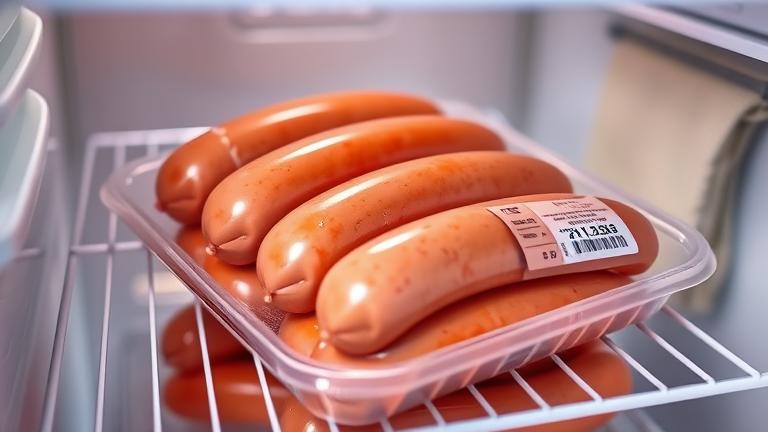
How Long Do Sausage Links Stay Fresh?
If you’ve just bought or made sausage links, you might wonder how long they will stay fresh in your refrigerator. Knowing the proper storage time helps ensure your sausage remains safe to eat and tastes delicious. Sausage links are a popular choice for breakfasts, barbecues, or quick dinners, and proper handling keeps them at their best.
Generally, fresh or raw sausage links should be stored in the fridge and consumed within one to two days. This short window helps prevent bacterial growth and keeps the sausage safe. If you have cooked sausage links, they can last a little longer—usually up to four days when kept refrigerated properly. It’s important to note that these timeframes assume your fridge maintains a temperature at or below 40°F (4°C). If your fridge is warmer, the sausages might spoil faster.
Several factors can influence how long sausage links stay fresh. For instance, whether they’re raw or cooked makes a difference. Raw sausage has a shorter shelf life because it’s more vulnerable to bacteria. Proper packaging also plays a role. If the sausage is stored in an airtight container or tightly wrapped in plastic wrap or foil, it stays fresher longer. Excess air exposure can lead to spoilage and freezer burn if you choose to freeze the sausages.
The type of sausage can also affect its freshness span. Fresh sausages, like bratwurst or Italian sausage, usually spoil quicker than smoked or cured sausage links. Cured and smoked varieties are often more shelf-stable, but once opened, even these types should be eaten within a week for best quality. Always check the packaging for recommended storage times, especially for store-bought products.
To maximize the freshness of your sausage links, here are some practical tips:
- Store sausage in the coldest part of your fridge, typically the bottom shelf.
- Keep the packaging sealed tightly after each use.
- Label packages with the date you opened or bought the sausage for easy tracking.
- If you’re not planning to eat the sausage within the recommended timeframe, consider freezing it.
When in doubt, always trust your senses. If the sausage has an off smell, a slimy texture, or a strange color, it’s safer to discard it. Eating spoiled sausage can cause food poisoning, so it’s better to be cautious. Proper storage and timely consumption keep your sausage links safe, tasty, and enjoyable.
Signs Your Sausage Has Gone Bad
Knowing how to tell if sausage has gone bad is important for staying safe and avoiding food poisoning. Spoiled sausage can look, smell, and feel different from fresh sausage. Being familiar with these signs helps you catch bad sausage early before cooking or eating. Let’s walk through what to watch out for when inspecting sausage links.
Appearance
Start by examining the sausage’s appearance. Fresh sausage typically has a pink or reddish color and a moist surface. If you notice any discoloration, it may be a sign of spoilage. Look for any grayish, greenish, or brownish hues on the links. These colors indicate that bacteria or mold could be growing.
Also, check for slime or sticky residue on the surface. This slimy film is a common sign that bacteria are present and the sausage is no longer safe to eat. If you see mold—fuzzy spots that can be white, black, or green—discard the sausage immediately.
Smell
Smell is one of the most reliable indicators of spoiled sausage. Fresh sausage should have a mild, meaty aroma. If it smells sour, rancid, or sulfur-like, it’s time to toss it out. A strong, off-putting odor is a clear sign that bacteria have spoiled the meat.
Don’t ignore even a faint bad smell. It’s better to be cautious and discard sausage that smells unusual, as consuming spoiled meat can lead to foodborne illnesses like food poisoning or stomach upset.
Texture
The texture of sausage can also provide clues about its freshness. Fresh sausage should be firm but pliable. If the links feel slimy, sticky, or excessively moist, that’s a red flag. Spoiled sausage may also become mushy or overly soft, which indicates bacterial growth.
If you press on the sausage, and it leaves an indent or feels waterlogged, it’s probably gone bad. Always trust your senses. If any of these signs appear, it’s safer to throw the sausage away rather than risk eating contaminated meat.
Additional Tips for Safety
- Check the packaging date and use-by date. Even if the sausage looks okay, if it’s past the expiration date, it’s best to discard it.
- Keep raw sausage refrigerated at or below 40°F (4°C) and cook it within 1-2 days of purchase.
- If you’re unsure, play it safe and don’t taste the sausage. When it comes to food safety, it’s better to be cautious.
By paying close attention to appearance, smell, and texture, you can easily identify spoiled sausage and avoid health risks. Always trust your senses, and when in doubt, throw it out. Your health is worth it!
Best Ways to Store Sausage in the Fridge
Storing sausage properly in the fridge is key to keeping it fresh, safe, and tasty. Whether you have fresh sausage links or cooked leftovers, the right storage techniques help prevent spoilage and maintain quality. Let’s explore simple and effective methods to keep your sausage in top shape.
1. Use Airtight Containers or Wrap Tightly
For fresh sausage, place it in an airtight container or wrap it tightly with plastic wrap or aluminum foil. This prevents air from reaching the sausage, which can cause it to spoil faster. If you bought sausage in a vacuum-sealed package, keep it in its original packaging until you’re ready to use it.
After opening, transfer the sausage to a container with a tight-fitting lid or re-wrap it securely. This helps keep moisture in and prevents it from absorbing other fridge odors.
2. Store in the Coldest Part of the Fridge
Always store sausage in the coldest part of your fridge, typically on the bottom shelf near the back. Avoid storing it in the fridge door, where temperatures fluctuate more due to frequent opening.
Keeping sausage at a consistent, cold temperature will slow bacteria growth and extend its freshness. Use a refrigerator thermometer if needed, aiming for a temperature below 40°F (4°C).
3. Label and Date Your Sausage
To stay organized and avoid confusion, label your stored sausage with the purchase or opening date. Use a marker or a sticky note on the packaging. Sweeping up a quick reminder helps ensure you use the sausage before it expires, preventing waste and foodborne illnesses.
4. Pay Attention to Storage Times
| Type of Sausage | Refrigeration Duration |
|---|---|
| Fresh Uncooked Sausage | 1 to 2 days |
| Cooked Sausage Links | 3 to 4 days |
| Opened Sausage Package | Same as above, within recommended time frames |
If you notice any signs of spoilage — such as a sour smell, slimy texture, or discoloration — discard the sausage immediately. Don’t take chances with questionable meat, even if it’s still within the recommended storage time.
5. Consider Freezing for Longer Storage
If you can’t use sausage within the recommended fridge time, freezing is the best option. Wrap sausage tightly in plastic wrap or foil, then place it in a freezer-safe bag or container. Label with the date, so you know how long it’s been stored.
Sausage can be frozen for up to 1 to 2 months without losing quality. When ready to use, thaw in the fridge overnight, avoiding room temperature for safety reasons.
- Always wash your hands and any utensils after handling raw sausage to prevent cross-contamination.
- Keep raw and cooked sausage separate in the fridge to avoid bacteria transfer.
Following these simple storage tips helps ensure your sausage stays fresh, safe, and delicious from the fridge to your plate. Proper storage not only extends shelf life but also preserves flavor and texture, making every bite enjoyable.
Tips for Keeping Sausage Safe and Tasty
Maintaining the safety and flavor of your sausage links starts right from the moment you bring them home. Proper handling and storage are key to ensuring they stay fresh, flavorful, and safe to eat. Whether you buy fresh sausage from the store or have homemade links, these tips will help you keep your sausage delicious and safe.
First, always check the expiration date or sell-by date when purchasing sausage. If you notice any signs of spoilage, such as a sour smell, slimy texture, or discoloration, it’s best to discard them. When you get home, store the sausage in the coldest part of your refrigerator, ideally at or below 40°F (4°C). Keep the links in their original packaging if unopened. If opened, transfer them to an airtight container or wrap tightly with plastic wrap to prevent exposure to air and moisture, which can cause spoilage.
For longer storage, freezing sausage is a good option. Wrap the links tightly with freezer-safe plastic wrap, aluminum foil, or place them in a resealable freezer bag. Remove as much air as possible before sealing to prevent freezer burn. Label the package with the date so you know how long they’ve been frozen. Properly stored, raw sausage can last up to two months in the freezer without significant loss of quality.
Cooked sausage also benefits from good storage practices. Allow cooked links to cool completely before placing them in an airtight container. They can be refrigerated for up to four days. For longer storage, freeze cooked sausage in small portions so you can defrost only what you need.
When reheating sausage, ensure that it reaches an internal temperature of 160°F (71°C) for pork links or 165°F (74°C) for poultry. Using a meat thermometer helps you verify it’s safely hot throughout. This not only keeps things safe but also helps preserve the taste and texture.
Practical tips for keeping your sausage tasty:
- Always thaw properly: Plan ahead and defrost sausage in the refrigerator. Avoid thawing at room temperature, as this increases the risk of bacteria growth.
- Keep it cold: Return any raw sausage to the fridge promptly if you don’t cook it immediately. Do not leave sausage out for more than two hours.
- Handle with clean hands and utensils: To prevent cross-contamination, wash your hands, and clean utensils before and after touching raw sausage.
- Cook thoroughly: Never eat undercooked sausage. Use a thermometer to check for safety.
- Avoid double-dipping: If you’re using sauce or marinade with raw sausage, add it after cooking to avoid contamination.
Be aware of signs that sausage has gone bad. These include a sour smell, sticky or slimy texture, or a dull color. If in doubt, it’s safer to throw it out. Proper storage and handling help keep your sausage not only safe but also full of flavor, so you can enjoy every delicious bite.
How to Prevent Sausage Spoilage
Keeping your sausages fresh and safe to eat is important for both taste and health. Spoilage occurs when bacteria or mold grow on the sausage, making it unsafe. Fortunately, you can significantly reduce this risk with some simple strategies. The key factors are controlling storage temperature and using proper packaging techniques.
First, always store sausages in the refrigerator or freezer. The ideal fridge temperature is below 40°F (4°C). This slows down bacterial growth that causes spoilage. If you plan to eat the sausages within a few days, keep them in the coldest part of your fridge, often near the back. For longer storage, freezing is the best option to maintain freshness.
When storing fresh sausages, especially if they’re raw, place them in an airtight container or securely wrap them. Using plastic wrap or aluminum foil helps prevent air exposure, which can lead to drying out or contamination. If you prefer, vacuum-sealing sausages is even better because it removes air and creates a tight seal, keeping out bacteria and mold.
It is also important to follow recommended storage times. Fresh sausages typically stay good for 1-2 days in the fridge. Cooked sausages can last up to 4 days if properly stored. When in doubt, check for signs of spoilage like a sour smell, slimy texture, or discoloration. If any of these are present, it’s safest to discard the sausage.
Tips to prevent sausage spoilage
- Always refrigerate or freeze sausages promptly after purchase or cooking.
- Use airtight containers, plastic wrap, or vacuum-sealing for storage.
- Label your packages with the date so you can keep track of how long they’ve been stored.
- Keep raw and cooked sausages separate to avoid cross-contamination.
- Ensure your refrigerator stays below 40°F (4°C) at all times.
- Thaw frozen sausages safely by placing them in the fridge, not at room temperature.
Additional tips for maintaining freshness
Always inspect sausages before cooking. If you notice a sour smell or slimy surface, discard them. When cooking, make sure to reach the recommended internal temperature, which varies depending on the type of sausage. Usually, cooking to 160°F (71°C) for ground or pork sausages ensures safety and extends shelf life once cooked.
By following these simple storage and packaging tips, you can enjoy your sausages safely while preventing spoilage. Proper handling not only keeps your food tasty but also protects your health.
Quick Tips for Checking Freshness
When it comes to sausage links, freshness is key to safe and tasty meals. Before cooking or serving, it’s smart to quickly assess if your sausage is still good to eat. Lucky for you, there are simple steps to do this right in your kitchen.
First, start with your nose. Fresh sausage should have a mild, meaty smell. If it smells sour, rancid, or off in any way, it’s best to skip it. Trust your nose—it’s a quick and reliable indicator of spoilage.
Next, check the appearance. Look at the sausage links closely. They should have a consistent color—typically pinkish or reddish for fresh pork or beef sausage. Avoid links that look gray, dull, or have any discoloration or mold. Any slimy or sticky surface is also a bad sign, even if the outer color looks okay.
Another helpful tip is to inspect the packaging. If the sausage is in a sealed package, check for leaks, tears, or bloating. A swollen package can mean bacteria have been growing inside. For fresh links sold loose or in casings, ensure they appear plump and moist, not dried out or shriveled.
Don’t forget to look at the sell-by or use-by date if your sausage is pre-packaged. While these dates are a helpful guideline, always rely on sensory checks as well. Sausages can sometimes spoil before the date if not stored properly or may be good beyond it if stored correctly.
Another quick test is to touch the sausage. It should be firm but slightly springy when pressed. If it feels mushy, overly sticky, or slimy, that’s a sign to toss it. Never eat sausage that feels off or shows other signs of spoilage.
For those who buy fresh sausage in bulk or from the butcher, it’s helpful to note the storage time. Generally, raw sausage can last 1 to 2 days in the refrigerator, or up to a month if frozen properly. When in doubt, always prioritize safety over convenience.
- Remember, trust your senses—smell, sight, touch—more than just the date labels.
- If any signs of spoilage appear, it’s safest to discard the sausage.
- When in doubt, it’s better to be safe and avoid foodborne illnesses.
By following these quick tips, you’ll be able to easily determine if your sausage links are still fresh and safe to cook. This helps you enjoy your meals without worries and keeps your kitchen safe and healthy.
When to Discard Sausage Links
Knowing when to discard sausage links is important to stay safe and enjoy your meals. Sausage links are perishable foods that can spoil if kept too long or stored improperly. It’s good to keep an eye on their appearance, smell, and storage time to avoid foodborne illness.
First, always check the storage duration. Fresh sausages, whether cooked or raw, should generally be used within a certain period. For raw sausage links kept in the refrigerator, it’s best to use them within 1 to 2 days after purchase. If you’ve cooked the links, they will typically last 3 to 4 days in the fridge. Always write the date on packaging or storage containers so you remember when you bought or cooked them.
If sausage links are stored in the freezer, they can stay safe for longer. Uncooked sausage links can usually be frozen safely for about 1 to 2 months, while cooked links can last up to 2 to 3 months in the freezer. After these times, the quality may decrease, and they could be unsafe to eat.
Beyond storage time, look for signs of spoilage. Fresh sausage links should have a pink or red color and a fresh smell. If you notice a sour, rancid, or off smell, it’s time to toss them. Also, check for any changes in color or texture. Slimy surfaces, discoloration, or a sticky feeling on the links are common signs of spoilage.
Sometimes, mold can grow on sausage links that have been left out or stored too long. If you see mold, discard the sausage immediately. Never taste or smell suspicious sausage to test if it’s safe—if it seems questionable, it’s better to be safe than sorry.
In addition to visual and smell checks, consider the temperature. Sausage should be stored at or below 40°F (4°C). If your refrigerator’s temperature is higher, the sausage may spoil faster, and you should discard it sooner.
If you’re unsure whether sausage links are safe to eat, use your senses and judgment. When in doubt, throw it out. Eating spoiled sausage can cause food poisoning, with symptoms like nausea, vomiting, or stomach cramps.
Here are some quick tips to keep in mind:
- Always check the expiration date and storage time.
- Store raw sausage links in the coldest part of the fridge and cook or freeze soon after purchase.
- Label cooked or frozen sausage with date to track freshness.
- Trust your senses—sight, smell, and texture are your best guides.
- If you notice any spoilage signs, discard the sausage links immediately.
By following these simple guidelines, you can enjoy sausage links safely and avoid any unpleasant surprises. Remember, when in doubt, it’s better to discard and stay safe.