
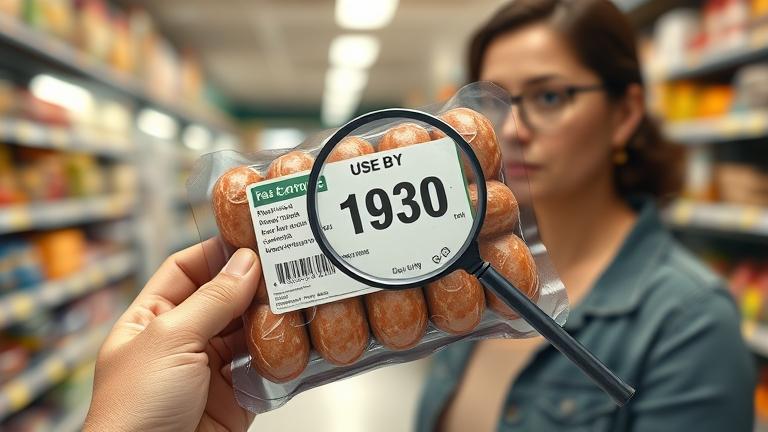
Understanding Sausage Expiry Dates
When you pick up a package of sausage from the store, you might notice a date printed on the label. This is called the use-by date, and it’s important to understand what it signifies for your food safety and the quality of the sausage. Knowing how these dates are determined can help you make safer choices and enjoy your meals without worry.
The use-by date is set by the manufacturer based on how long the sausage remains safe to eat when properly stored. It considers factors such as the ingredients, packaging, and storage conditions. Typically, fresh sausages have a shorter shelf life than cured or smoked varieties. The date is an estimate of when the product will be at its best quality and safe to consume if kept refrigerated.
How Are These Dates Decided?
Food manufacturers conduct testing to determine how long their sausage remains fresh and safe. They check for bacterial growth, odor, color, and texture changes over time. Based on these tests, they suggest a date by which the sausage should be consumed for the best quality and safety.
It’s important to remember that these dates are not always strict cut-offs but guidelines. Some sausages might still be safe to eat a few days after the date if stored correctly. Conversely, if the sausage smells sour or has a slimy texture before the use-by date, it’s best to discard it regardless of the printed date.
Why Are Expiry Dates Important?
Eating sausage past its use-by date can pose health risks, especially if bacteria like Salmonella or Listeria have grown. These bacteria can cause food poisoning, which can be serious. Always check the date before cooking or eating sausage.
There’s also a difference between use-by dates and sell-by or best-before dates. The use-by date focuses on safety and is usually more strict. Sell-by and best-before dates mainly indicate quality and freshness, not safety. If you see a sausage with a sell-by date that has passed but it still looks and smells good, use your judgment before eating it.
Tips for Handling Sausage Safely
- Always refrigerate sausages at 40°F (4°C) or lower, ideally right after shopping.
- Use or freeze the sausage before the use-by date for the best quality.
- If you notice any bad smell, slimy texture, or discoloration before the date, throw out the sausage.
- Cook sausages to an internal temperature of at least 160°F (71°C) to kill any bacteria.
- When in doubt, trust your senses and the printed date—your safety comes first.
By understanding what the expiry date means and how to handle sausage properly, you can enjoy your meals safely. Always check labels carefully, store your sausage correctly, and don’t take chances with food safety. Happy cooking!
Risks of Eating Outdated Sausages
Eating sausages that are past their expiration date can pose several health risks, so it’s important to handle them carefully. While the idea of enjoying leftover or discounted sausages might seem tempting, consuming spoiled or expired sausage can lead to foodborne illnesses. These risks vary depending on how long the sausage has been expired and how it was stored.
One major concern with outdated sausages is the growth of bacteria. When sausages spoil, bacteria such as Salmonella, Listeria, and E. coli can multiply quickly. These bacteria can cause stomach illnesses with symptoms like nausea, vomiting, diarrhea, and abdominal cramps. In severe cases, especially for young children, pregnant women, or those with weakened immune systems, infections can become serious and require medical attention.
How to Spot Spoiled Sausages
- Unpleasant smell: Spoiled sausages often develop a sour or rancid odor that is very different from their normal smell.
- Change in color: Fresh sausages usually have a pinkish hue. If they turn gray, green, or slimy, it’s a sign they might be spoiled.
- Texture: Slimy or sticky surfaces indicate bacterial growth or spoilage.
- Expiration date: Always check the date stamped on the packaging. If it has passed, exercise caution even if the sausage looks and smells normal.
Food Poisoning Symptoms from Eating Old Sausages
If you accidentally eat spoiled sausages, you might experience symptoms within a few hours or days. Common signs of food poisoning include:
- Stomach cramps
- Diarrhea, sometimes bloody
- Vomiting and nausea
- Fever
- Weakness and dehydration
These symptoms can last from one day to several days. If symptoms are severe or if you notice blood in your stool or persistent vomiting, seek medical help promptly.
Preventing Risks When Handling Sausages
- Proper storage: Keep sausages refrigerated at or below 40°F (4°C). Use them within the recommended timeframe, usually a few days after purchase.
- Follow the expiration date: Never eat sausages past their expiry unless you are certain they are still safe, which is rare.
- Cook thoroughly: Cooking sausages to an internal temperature of at least 160°F (71°C) can kill many bacteria. Use a meat thermometer to check.
- When in doubt, throw it out: If you are unsure about the freshness of the sausage, it’s best to discard it to avoid health risks.
In summary, it’s not worth risking your health by eating outdated sausages. Being mindful of expiration dates, storage conditions, and signs of spoilage helps keep you safe. When in doubt, always err on the side of caution and choose fresh, properly stored sausages for your meals.
How to Check Sausage Freshness
Knowing how to check sausage freshness is important to ensure your food is safe to eat and tastes great. Whether you’re buying fresh sausage at the store or checking what’s in your fridge, a few simple tests can help you determine if the sausage is still good.
The easiest way to tell if sausage is fresh is by using your senses: sight, smell, and touch. These quick checks can prevent you from accidentally cooking or eating spoiled sausage.
Visual Inspection
Look closely at the sausage. Fresh sausage should have a bright color that matches its type — for example, pork sausage tends to be pink, while beef sausage might be darker red. Avoid sausages that look dull, gray, or brown, which can indicate spoilage.
Check the casing if it’s in links. The casing should be intact, firm, and shiny. If it looks slimy, sticky, or discolored, it’s best to discard it.
Smell Test
Trust your nose. Fresh sausage has a mild, meaty smell. If it smells sour, rancid, or sourish, it’s a sign that bacteria are growing and the sausage is no longer safe.
Sometimes, vacuum-packed sausages may have a slight smell when you open them. If the odor is strong or unpleasant, it’s safer not to use them.
Touch and Texture
Gently feel the sausage. Fresh sausage should be firm and moist but not slimy. If it feels sticky or slimy to the touch, this is a sign of bacterial growth.
Be cautious about squeezing it too hard; if it leaves a lot of liquid or feels mushy, it might be past its prime.
Take Note of Packaging and Expiry Dates
- Always check the packaging date or use-by date if available.
- Pay attention to how long the sausage has been stored. Even if it looks and smells okay, it’s best to consume it within the recommended storage time.
Additional Tips and Common Mistakes to Avoid
- Don’t rely solely on appearance; always do a smell test too.
- Avoid eating sausage that has a funky odor, even if it looks okay.
- Store sausages properly in the refrigerator at or below 40°F (4°C) and use them before the expiration date.
- If purchasing from the store, check the freshness indicators on the packaging for added peace of mind.
By using these simple checks, you can confidently determine if your sausage is still safe to cook and enjoy. When in doubt, it’s always better to be cautious and discard questionable meat to prevent foodborne illness.
Signs Sausage Has Gone Bad
Knowing when sausage has spoiled is important for your health and safety. Fresh sausage should look, smell, and feel a certain way. If anything seems off, it’s best to play it safe and discard it.
One of the first signs sausage has gone bad is discoloration. Fresh sausage typically has a pinkish hue, but if it turns a dull gray, green, or brown, it might be spoiled. Sometimes, mold can grow on the surface. If you see green or fuzzy patches, do not eat it. Keep in mind that slight color changes can happen due to storage conditions, but drastic or unusual colors are a red flag.
Another common warning sign is slime or goo on the surface. If your sausage feels sticky, slimy, or overly moist when you touch it, it’s likely bacterial growth. Fresh sausage should feel firm and moist but not slimy. Sliminess indicates bacteria are growing, which can cause food poisoning. Always check the texture carefully before cooking or eating.
Foul odors are often the most noticeable indicator that sausage has spoiled. Give the sausage a gentle sniff. If it smells sour, rotten, or sourish, it’s best to discard it immediately. A fresh sausage should have a meaty, mild aroma. Don’t rely solely on appearance; if the smell is off, it’s safer to avoid consumption.
In addition to visual and smell cues, consider the storage time and packaging. Generally, raw sausage lasts about one to two days in the fridge. Cooked sausage can keep a little longer, around three to four days. If it’s been in the fridge longer than these periods, it’s safer to throw it out, even if it looks okay.
Check the packaging for any leaks, tears, or bloating. If the package is swollen or gas is escaping, bacteria may be producing gases, which indicates spoilage. Also, avoid eating sausage that has been left out at room temperature for more than two hours, especially in warm weather. Bacteria grow quickly in warm environments and can cause foodborne illnesses.
- Always trust your senses — smell, look, and touch.
- Use the date on the package as a guide, but don’t rely solely on it.
- If unsure, it’s better to be safe and discard questionable sausage.
- When in doubt, cook it thoroughly. Cooking can kill some bacteria, but it won’t remove toxins from spoiled meat.
To keep your sausage fresh longer, store it properly in the coldest part of your fridge and keep it tightly wrapped or in an airtight container. When you follow these signs and tips, you’ll avoid eating spoiled sausage and enjoy safe, delicious meals every time.
Safe Practices if Consuming Past Date
Buying sausages that are past their use-by date can happen, especially if you forget to check the packaging. While it’s usually best to stick to the date on the label, sometimes you may want to use sausages that are a little past their prime. The key is knowing how to handle and prepare them safely to avoid any health risks. Here’s a practical guide to help you decide and stay safe.
First, it’s important to examine the sausages carefully before cooking. Look for any signs of spoilage such as an sour smell, slimy texture, or discoloration. If the sausages smell off or look suspicious, it’s safest to discard them. No amount of cooking can eliminate bacteria that have already grown. When in doubt, don’t take the risk.
Handling and Storage Tips
- Always wash your hands thoroughly with soap before and after touching the sausages. Good hygiene prevents cross-contamination.
- If you plan to cook sausages that are past their date, keep them refrigerated and cook them as soon as possible. Do not leave them out at room temperature for long.
- Store the sausages in a sealed container or wrapped tightly to prevent exposure to air and bacteria.
Recommended Cooking Temperatures
Cooking sausages thoroughly is essential for safety, especially if they are past their use-by date. The goal is to kill any bacteria that might have grown. The general rule is to cook sausages until they reach an internal temperature of at least 160°F (71°C) for pork and beef sausages, or 165°F (74°C) for poultry sausages.
To check the temperature, use a reliable food thermometer inserted into the thickest part of the sausage. Avoid cutting into the sausage to check for doneness, as this can let bacteria escape. When properly cooked, the juices should run clear, and the meat should no longer appear pink inside.
Cooking Methods for Past Date Sausages
- Thaw the sausages if frozen, preferably in the fridge overnight. Do not thaw at room temperature, as this encourages bacterial growth.
- Use a skillet, grill, or oven to cook the sausages evenly. For pan-frying, cook over medium heat and turn regularly to brown all sides.
- Simmer sausages in a pot with a little water or broth if you want to ensure they reach the proper internal temperature. Simmer for about 10-15 minutes, then finish with browning if desired.
Additional Tips for Safety
- If cooked sausages are left out at room temperature for more than two hours, discard them, even if they look and smell fine.
- Reheat leftovers thoroughly to the recommended temperature before eating again.
- When in doubt, trust your senses and the safe temperature guidelines. If you’re unsure, it’s better to be cautious than risk food poisoning.
Expert Tips on Food Safety
Getting the most out of your sausages while keeping food safe to eat is easy once you know some simple tips from food safety experts. Proper storage, understanding expiration dates, and knowing when to discard are key parts of keeping your meals safe and delicious.
Storage Tips for Sausages
Always keep fresh sausages in the refrigerator if you plan to use them within a few days. The ideal temperature is below 40°F (4°C). If you won’t cook them soon, consider freezing. Wrap the sausages tightly in plastic wrap or aluminum foil, or place them in airtight containers. This prevents them from drying out and stops bacteria from growing.
Cooked sausages should also be stored in the fridge within two hours of cooking. Use shallow containers to help them cool quickly and evenly. When reheating, make sure they reach an internal temperature of 165°F (74°C) to kill any bacteria.
Managing Expiration Dates
Checking expiration or “use by” dates on sausage packages is essential. These dates indicate the period when the product is at its best quality. However, they are not always a strict safety cutoff. Always inspect the packaging; if it’s bloated, slimy, or has an off smell, it’s safer to discard the sausages.
For fresh sausages, plan to cook or freeze them before the expiration date. For cured or cooked sausages, the “use by” date is more of a guideline for quality, but you should rely on smell and appearance as well.
Deciding Whether to Eat or Discard Sausages
Use your senses when deciding whether sausages are still good to eat. Look for signs of spoilage such as a sour or foul smell, a slimy texture, or discoloration. If they smell off or look abnormal, it’s best to throw them away to avoid foodborne illnesses.
When in doubt, it’s safer to discard. Eating spoiled sausages can cause food poisoning, with symptoms like stomach cramps, nausea, or diarrhea. Always remember, when unsure, throw it out—your health comes first.
Additional Tips for Food Safety
- Wash your hands thoroughly with soap and water before and after handling sausages.
- Use separate cutting boards for raw meats and other foods to prevent cross-contamination.
- Keep your refrigerator clean and at the right temperature to prevent bacteria from growing.
By following these simple food safety practices, you can enjoy delicious sausages without worry. Remember, storage, proper handling, and paying attention to signs of spoilage help keep you and your family safe at mealtime.
Final Verdict: To Eat or Not?
Deciding whether to eat sausages after their use-by date can feel tricky. It’s natural to wonder if they are still safe or if it’s better to toss them out. The key is understanding what that date really means and how to check the sausages properly.
The use-by date on sausages is there for safety reasons. It indicates the last day the product is guaranteed to be at its best quality and safe to eat when stored correctly. After that date, bacteria can start to grow, and the risk of foodborne illness increases. So, it’s generally safest to avoid eating sausages once this date has passed.
But sometimes, sausages might look, smell, and feel okay even after the date. If you decide to check, look for these signs:
- Color: The sausages should have a fresh, pinkish hue. Discoloration or a dull, grayish appearance might mean spoilage.
- Smell: Give them a sniff. If they smell sour, rancid, or just off in any way, it’s safer to discard them.
- Texture: Slimy or sticky sausage surfaces are signs bacteria might be present. If they feel slimy or sticky, it’s best not to eat them.
Always err on the side of caution. When in doubt, throw sausages away rather than risk food poisoning. Remember, cooking sausages thoroughly can kill many bacteria, but it does not eliminate toxins that bacteria might have produced. If the sausages are cloudy, have mold, or show any unusual growth, discard them immediately.
For future safety, store sausages in the coldest part of your refrigerator and keep them wrapped tightly. Consider using them before the use-by date to enjoy their best quality. If you want to extend their shelf life, freezing is a good option, but be sure to cook them within a reasonable time after thawing.
In conclusion, consuming sausages past their use-by date is generally not recommended unless they pass all visual, smell, and texture checks. When in doubt, it’s safer to toss them out and choose fresh sausages for your meal. Food safety is always more important than a few extra days’ convenience.