
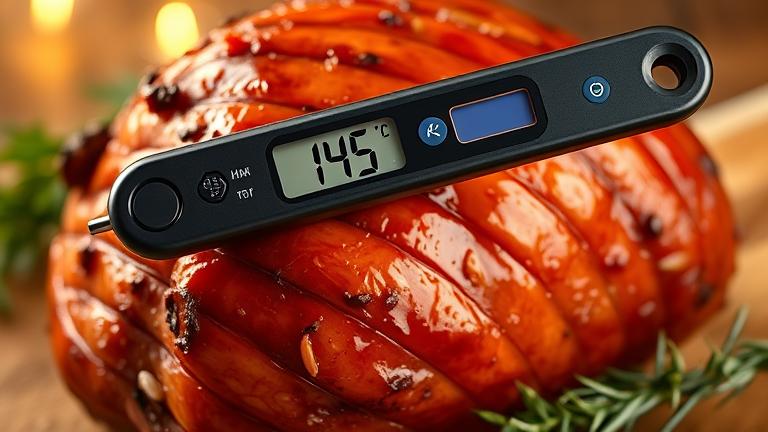
Perfect Cooking Temperatures for Bone-In Ham
Cooking a bone-in ham to the right temperature is essential for both safety and flavor. When you cook it correctly, the meat stays juicy and tender, and you avoid any health risks. Knowing the ideal temperatures helps you achieve that perfect ham every time.
The main goal is to reach a temperature that makes the ham safe to eat while maintaining its deliciousness. For bone-in hams, this usually means paying attention to specific internal temperatures. Using a reliable meat thermometer is the best way to ensure accuracy.
Safe Internal Temperatures
The United States Department of Agriculture (USDA) recommends cooking ham to an internal temperature of 145°F (63°C). This temperature makes the meat safe to eat and keeps it moist and flavorful. After removing it from the oven, let the ham rest for at least three minutes. Resting allows the juices to redistribute, resulting in a juicier bite.
If your ham is precooked, you only need to heat it to 140°F (60°C). For fresh or uncooked ham, the temperature should reach 145°F and be held there for at least three minutes. Always check the temperature in the thickest part of the ham, avoiding the bone, as bones can conduct heat differently.
Cooking Guidelines for Different Types of Ham
| Type of Ham | Cooking Temperature | Additional Tips |
|---|---|---|
| Pre-cooked, smoked ham | Warm to 140°F (60°C) | Reheat in oven at 325°F (160°C) for about 10-15 minutes per pound |
| Uncooked, fresh ham | Cook to 145°F (63°C) and hold for 3 minutes | Cooking time varies based on size; use a thermometer for accuracy |
| Cooked ham that’s been frozen | Heat until it reaches 140°F (60°C) | Ensure even heating, cover with foil to retain moisture |
Tips for Perfect Temperature Control
- Always use a reliable digital meat thermometer for precise readings.
- Insert the thermometer into the thickest part of the ham, away from the bone, for an accurate measurement.
- Remove the ham from the oven once it reaches the target temperature, even if it’s not visibly hot all over. The residual heat will continue to raise the temperature slightly.
- Let the ham rest covered loosely with foil for about 10-15 minutes before carving. This step helps the juices settle and enhances flavor.
- If you’re glazing your ham, do it during the last 20-30 minutes of baking to prevent burning and to achieve a shiny, flavorful crust.
Common Mistakes to Avoid
- Overcooking the ham, which can make it dry and tough.
- Using a thermometer that isn’t accurate or inserting it improperly.
- Not resting the meat after cooking, leading to lost juices and less flavor.
By paying attention to these temperatures and tips, you can enjoy a perfectly cooked bone-in ham that’s safe to eat and bursting with flavor. Remember, patience and proper tools are key to success in the kitchen.
How to Check if Ham is Properly Cooked
Cooking ham to the right temperature is essential to ensure it’s safe to eat and tastes delicious. Whether you’re preparing a fresh ham or reheating cooked ham, knowing how to verify doneness helps you avoid undercooking or overcooking. Using a few simple methods and tools can make this process easy and reliable.
The most accurate way to check if ham is properly cooked is by measuring its internal temperature. A digital meat thermometer is your best friend here. Insert the thermometer into the thickest part of the ham without touching bone or fat. For safety, the USDA recommends cooking ham to an internal temperature of 145°F (63°C), followed by a rest time of three minutes. This applies to fresh ham, while fully cooked hams just need to be reheated to 140°F (60°C).
If you don’t have a thermometer, look for visual clues. For cooked ham, edges might be slightly browned or caramelized, and the meat will be firm but still juicy. If you’re reheating, the ham should be steaming hot all the way through, with juices running clear. Avoid cutting into the ham immediately, as this can let juices escape and dry out the meat.
Step-by-Step: How to Check Doneness
- Preheat your oven or heat source as needed, and cook the ham as per your recipe or packaging instructions.
- Use a digital thermometer to check the internal temperature. Insert the probe into the thickest part of the ham, avoiding bone if it’s bone-in.
- For fresh ham, ensure the temperature reaches at least 145°F (63°C). For reheating, aim for 140°F (60°C).
- Once the correct temperature is reached, remove the ham from the heat and let it rest for about three minutes. Resting allows juices to distribute evenly, making the meat more tender.
- If you’re visually inspecting, look for signs such as steaming hot appearance, clear juices, and a slightly browned exterior.
Tips for Getting Accurate Results
- Always calibrate your thermometer regularly for accurate readings.
- Insert the thermometer into the thickest part of the ham for the best result.
- Avoid touching bone, which can give false readings. The bone conducts heat differently than the meat.
- If reheating from a cold state, give the ham adequate time to warm through, checking the temperature periodically.
Common Mistakes to Avoid
- Underestimating the importance of a meat thermometer – guesswork can lead to unsafe or dry ham.
- Overcooking, which can make ham tough and dry. Remember, a little under the target temperature is okay, as the meat continues to cook slightly during resting.
- Cutting into the ham too early to check doneness – this releases juices and can dry out the meat.
- Reheating at too high a temperature, leading to uneven heating or burning on the edges.
By following these simple methods and tips, you can confidently check if your ham is properly cooked. This ensures a tasty, safe, and juicy ham every time. Remember, patience and the right tools are key to perfect results!
Safe Internal Temperature for Bone-In Ham
When cooking a bone-in ham, knowing the right internal temperature is key to ensuring it is safe to eat and tastes delicious. Bone-in ham, which includes the bone, can be a little trickier to cook evenly, but with the right temperature, you can’t go wrong.
The United States Department of Agriculture (USDA) recommends cooking ham to a minimum internal temperature of 145°F (63°C). This temperature applies to both cooked ham and fresh (uncooked) ham, but the details vary slightly depending on whether your ham is fully cooked or raw.
For a pre-cooked, bone-in ham, the goal is to heat it thoroughly enough to eliminate any bacteria, but you also want to preserve its moisture and flavor. Reaching 145°F, measured with a reliable meat thermometer inserted into the thickest part of the ham, is the safest approach. After removing it from the heat, allow it to rest for at least three minutes before carving. This resting period helps even out the temperature and keeps the meat juicy.
Raw or Fresh Bone-In Ham
If your ham is uncooked or raw, you will need to cook it to a higher temperature for safety. The USDA recommends a temperature of 145°F, followed by a rest period of three minutes, just like with pre-cooked ham. Raw hams often need longer cooking time to reach this temperature throughout, so use a meat thermometer to check the thickest part of the meat.
Cooking Tips for Perfect Results
- Always use a reliable digital meat thermometer to check the temperature.
- Insert the thermometer into the thickest part of the ham, avoiding the bone, as bones can conduct heat differently.
- Preheat your oven to the recommended temperature, usually around 325°F (163°C), and cook the ham until it reaches the target internal temperature.
- If you’re glazing the ham, do so during the last 20-30 minutes of cooking, and keep an eye on the internal temperature to avoid overcooking.
Why Temperature Matters
Cooking your ham to the correct temperature not only keeps it safe but also ensures it remains tender and flavorful. Overcooking can make the meat dry, while undercooking might pose health risks. For bone-in ham, the bone can help conduct heat, so check periodically.
Remember, every oven is different, and the size of the ham can affect cooking time. Using a meat thermometer is the best way to know when your ham is perfectly cooked and safe to enjoy.
Tips for Juicy and Flavorful Ham
Cooking ham to be juicy and full of flavor can seem tricky, but with a few simple tricks, you can ensure your ham turns out tender and delicious every time. Whether you’re preparing a holiday feast or a quick dinner, these tips will help you get the best results.
First, choosing the right type of ham is important. Look for a ham labeled “bone-in” if you want more flavor, as the bone adds richness during cooking. Pre-packaged hams often come with added preservatives and liquids, so check the label if you’d like a more natural option. When buying fresh ham, ask your butcher for their advice on cuts that stay moist better.
One of the easiest ways to keep your ham moist is by brining it before cooking. Brining involves soaking the ham in a salty, flavorful solution that helps it retain moisture during baking. You can make a simple brine with water, salt, sugar, and optional herbs. Submerge the ham fully, cover it, and refrigerate for several hours or overnight. This process infuses flavor and locks in juice.
When it comes to cooking, low and slow is the way to go. Raising the oven temperature might cut your cooking time, but it can also dry out the ham. Instead, set your oven to a moderate temperature, around 325°F (160°C), and cook the ham gently until it reaches the right internal temperature, which is typically 140°F (60°C). Use a meat thermometer for accuracy. Properly cooked ham will be moist and tender.
Applying a glaze during cooking adds flavor and helps keep the surface moist. Popular glazes include honey, brown sugar, maple syrup, or fruit preserves mixed with mustard or spices. Brush the glaze onto the ham during the last 20-30 minutes of baking, and reapply as needed. This creates a sweet, sticky coating that enhances flavor and prevents the ham from drying out.
Another helpful tip is to cover your ham with foil during most of the cooking time. The foil traps steam and prevents the surface from drying out. Uncover the ham during the final 15-20 minutes to allow the glaze to set and the exterior to browning nicely. Keep the oven hydrated by placing a small dish of water or broth underneath the roasting pan; this adds extra moisture in the oven environment.
Resting the ham after removing it from the oven is often overlooked but very important. Let the ham sit, covered loosely with foil, for about 15 minutes. This allows the juices to redistribute within the meat, making each slice moist and flavorful.
Quick tips:
- Choose bone-in ham for richer flavor.
- Brine or soak your ham to lock in moisture.
- Cook slowly at 325°F (160°C) for tenderness.
- Use a glaze and apply during the last part of cooking.
- Cover with foil during baking to retain moisture.
- Let the ham rest before slicing to keep it juicy.
Finally, avoid overcooking your ham. Once it hits the recommended temperature, take it out of the oven and let it rest. Overcooking is the biggest enemy of juiciness, so keep a close eye and use your thermometer for best results. With these practical tips, your ham will be irresistibly juicy and flavorful every time.
Common Mistakes When Cooking Ham
Cooking ham can be straightforward, but it’s easy to make some common mistakes that may affect the flavor, texture, and safety of your final dish. Understanding these errors and how to avoid them helps you achieve consistently delicious results every time. Let’s look at some of the most common pitfalls and practical tips to sidestep them.
One typical mistake is overcooking the ham. Ham is often already cooked or cured, so your goal is to heat it just enough to warm through without drying it out. If you leave it in the oven too long or at too high a temperature, the meat can become tough and lose its moisture. To prevent this, always check the recommended internal temperature on the packaging or recipe. Generally, for cooked ham, aiming for an internal temperature of 140°F (60°C) is ideal.
Another frequent error is not using a meat thermometer. Guessing whether your ham is done by sight or timing alone often leads to undercooking or overcooking. A reliable meat thermometer takes the guesswork out of cooking. Insert it into the thickest part of the ham, avoiding any bone, which can give inaccurate readings. When the thermometer hits the correct temperature, your ham is perfectly heated and safe to serve.
Many home cooks forget about letting the ham rest after cooking. Resting allows the juices to redistribute within the meat, making each bite flavorful and moist. Cutting into the ham immediately after removing it from the oven can cause the juices to escape, resulting in dry pieces. Aim to let your ham rest for about 10 to 15 minutes before slicing. Cover it loosely with foil if needed to keep it warm.
Applying too much or the wrong type of glaze is another common mistake. Sometimes, a sweet glaze like honey or brown sugar can burn easily if applied too early or cooked at too high a temperature. It’s best to apply glaze during the last 20-30 minutes of cooking. This creates a shiny, caramelized exterior without the risk of burning. Keep an eye on it to prevent charring.
Additionally, forgetting to score the ham can lead to missed opportunities for flavor. Scoring involves making shallow cuts in a crisscross pattern across the surface. This helps the glaze absorb better and adds visual appeal. Just be careful not to cut too deep, which can cause the meat to fall apart.
Lastly, not storing leftover ham properly can lead to food waste or spoilage. Wrap leftovers tightly in plastic wrap or store them in airtight containers. Keep them in the fridge and aim to consume within 3-4 days. For longer storage, freeze the ham, and remember to label it with the date.
By avoiding these common mistakes—overcooking, neglecting temperature checks, skipping resting time, misapplying glaze, missing scoring, and improper storage—you’ll enjoy perfectly cooked ham that’s flavorful, juicy, and safe. A little attention to detail makes all the difference in creating delicious meals your family will love.
Resting and Serving Your Cooked Ham
After you have cooked your ham to perfection, the next important step is resting it before serving. Resting allows the juices to redistribute throughout the meat, making each bite juicy and flavorful. Without this step, the juices are more likely to run out when you cut into the ham, resulting in a drier slice.
To rest your ham properly, transfer it to a cutting board or a warm platter. Cover it loosely with aluminum foil. This covering helps keep the ham warm without trapping too much steam, which could make the crust soggy if your ham has a glaze or a crispy exterior.
The resting time depends on the size of your ham. For a smaller half ham or a modest portion, about 10 to 15 minutes is enough. If you are serving a large, whole ham, aim for at least 20 to 30 minutes. As a general rule, let every pound of ham rest for about 15 minutes.
During resting, you can prepare your serving platter, sauces, or sides. This way, everything comes together smoothly once the ham is ready to carve.
When serving, always carve across the grain of the meat, which helps keep the slices tender. Use a sharp carving knife for clean cuts, especially if your ham has a glaze or a crust. Start by removing the outer slices, then work your way into the center, making sure each plate gets a juicy piece.
If your ham has a glaze, wait until after resting to apply it. Glazing before resting can cause it to burn or slide off when slicing. Instead, apply the glaze during the last few minutes of reheating or just before serving.
Here are some helpful tips to ensure a perfect serving experience:
- Always rest the ham covered loosely with foil to keep it warm.
- If you notice the juices collecting on the cutting board, use them to pour over sliced ham for extra flavor.
- Use a meat thermometer to check the temperature before resting. The ham should be about 140°F (60°C) for maximum juiciness and food safety.
- Slice the ham just before serving to maintain its moisture and flavor.
Remember, patience during resting makes a real difference. Taking a little extra time to let the juices settle ensures your ham will be tender, juicy, and full of flavor with every bite.
FAQs About Cooking Bone-In Ham
Cooking a bone-in ham can seem intimidating at first, but with a few simple tips, anyone can prepare a delicious, juicy meal. Bone-in hams are popular because they tend to be more flavorful and tender. Whether you’re cooking it for a special occasion or just a family dinner, getting the perfect result is easier than you think. Here are some common questions home cooks have about cooking bone-in ham and practical answers to help you succeed in the kitchen.
How do I know when the ham is fully cooked?
The safest way to check if your bone-in ham is cooked is to use a meat thermometer. The recommended internal temperature for cooked ham is 145°F (63°C). Insert the thermometer into the thickest part of the meat, avoiding the bone for an accurate reading. When it reaches this temperature, your ham is ready to enjoy. If you’re reheating a precooked ham, aim for the same temperature to ensure safety and flavor.
How long should I cook a bone-in ham?
The cooking time depends on the size of your ham. As a general rule, cook your ham at 325°F (160°C). For pre-cooked hams, plan on 15-20 minutes per pound. For raw, uncooked hams, you’ll need about 20-25 minutes per pound. Always check the packaging for specific instructions, as times can vary between brands and types. Use a meat thermometer to verify doneness rather than relying solely on time.
Should I score the ham before cooking?
Scoring the surface of the ham means making shallow cuts in a diamond pattern across the fat. This is especially useful if you plan to add a glaze. Scoring helps the glaze penetrate the meat and also makes the ham look attractive. Be careful not to cut too deep, just into the fat layer, to prevent drying out the meat underneath.
What kind of glaze works best for a bone-in ham?
A good glaze adds flavor and a beautiful shine to your ham. Popular options include honey, brown sugar, Dijon mustard, and pineapple juice. You can also mix fruit preserves with spices or juices for a sweet-tangy taste. Apply the glaze during the last 20-30 minutes of cooking, so it caramelizes without burning. Remember, a little glaze goes a long way, so start with a thin layer and add more if desired.
Tips for moist, tender ham
- Always cook at a moderate temperature, around 325°F (160°C), to prevent drying out.
- Use a meat thermometer to avoid overcooking.
- Cover the ham loosely with foil during baking to retain moisture.
- Let the ham rest for about 10 minutes after removing from the oven. This allows the juices to redistribute.
Can I cook a bone-in ham in a slow cooker?
Yes, you can cook ham in a slow cooker, which makes it very tender and flavorful. For a slow cooker, use around 3-4 pounds of ham and cook on low for 4-6 hours. Add some broth or juice for extra moisture. Remember, smaller hams work best in slow cookers, and always check the internal temperature to ensure safety.
What are common mistakes to avoid?
- Overcooking the ham, which can make it dry and tough.
- Not heating it up to the proper temperature.
- Using too much glaze too early, which can burn.
- Forgetting to let the ham rest before carving, to keep it juicy.
With these questions answered, you’ll be well on your way to cooking a tasty, perfectly heated bone-in ham. Just keep an eye on the temperature, use a good glaze, and enjoy your delicious results!