
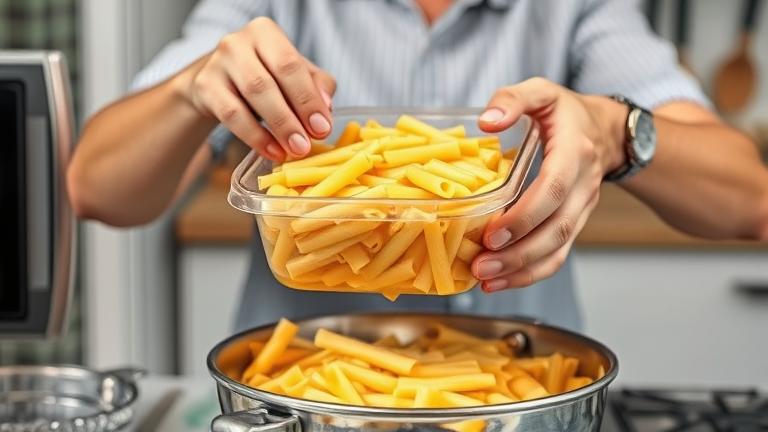
Understanding Frozen Cooked Pasta
Frozen cooked pasta is simply pasta that has been cooked, cooled, and then frozen for later. It offers a quick and convenient way to have pasta ready to eat without the hassle of boiling water every time. Many home cooks enjoy having it on hand for busy weeknights or last-minute meals.
To prepare frozen cooked pasta, first cook your pasta in boiling water until it is just tender. It’s best not to overcook it since it will be reheated later. Once cooked, drain the pasta and rinse it with cold water. This cools it down quickly and stops the cooking process, helping to keep it firm and prevent it from sticking together.
After rinsing, drain the pasta thoroughly. Then, spread it out on a baking sheet or tray lined with parchment paper. This helps prevent clumping by freezing the pasta in a thin, even layer. Once the pasta is frozen solid, transfer it into airtight freezer bags or containers. Be sure to squeeze out as much air as possible before sealing to prevent freezer burn.
Frozen cooked pasta is popular for several reasons. For one, it saves time. Instead of cooking pasta from scratch each time, you can just reheat the pre-portioned servings. This is especially useful for meal prepping or when plans change unexpectedly. It also helps reduce waste, as leftover cooked pasta can be stored rather than thrown away.
Many people freeze pasta with sauce already mixed in. If you choose this method, make sure the sauce is not too watery, as excess moisture can cause ice crystals or soggy pasta upon reheating. Alternatively, you can freeze plain pasta and add fresh sauce when ready to eat. This gives you more flexibility to change flavors or ingredients later.
It’s important to note that not all pasta freezes equally well. Thin pasta shapes like spaghetti or angel hair tend to stick together, so they benefit from being frozen flash-frozen in a single layer. Thicker shapes like penne or macaroni usually freeze better in bulk without sticking. When re heating, you can microwave, boil, or sauté frozen pasta, depending on your preference and the dish you’re making.
In summary, frozen cooked pasta is a practical kitchen hack that saves time and reduces waste. Proper preparation and storage are key to maintaining good texture and flavor. With a little planning, you’ll always have a stash of ready-to-eat pasta for quick, satisfying meals.
Safe Thawing Tips for Pasta
Thawing frozen cooked pasta might seem simple, but doing it safely helps keep your dish tasty and free from any food safety issues. Proper thawing prevents bacterial growth and preserves the pasta’s texture and flavor. Follow these friendly, practical tips to thaw your pasta correctly and enjoy it at its best.
1. Plan Ahead with Refrigerator Thawing
The safest way to thaw cooked pasta is in the refrigerator. Place your frozen pasta in a shallow dish or container to catch any drips. Keep it on a plate or tray to prevent cross-contamination with other foods. Allow about 24 hours for every 1 to 2 pounds of pasta. Thawing in the fridge maintains a steady, safe temperature and keeps the pasta at or below 40°F (4°C).
2. Use Cold Water for Faster Thawing
If you’re short on time, cold water thawing works well. Seal your pasta in an airtight plastic bag to prevent water from leaking in. Submerge the bag in a bowl of cold water, changing the water every 30 minutes to keep it cold. Depending on the amount, it might take an hour or two. Never use warm or hot water as it can raise the temperature and increase the risk of bacteria growth.
3. Thaw in the Microwave for Quick Results
The microwave is handy when you’re in a hurry. Use the defrost setting or set it to low power. Check the pasta frequently to avoid uneven thawing or cooking the edges. Heat just until the pasta is soft enough to reheat thoroughly. After microwaving, serve immediately or reheat on the stove. Remember, microwaves can cause uneven heating, so stirring or rotating the pasta helps ensure even safety and temperature.
4. Don’t Leave Pasta Out at Room Temperature
It might be tempting to leave cooked pasta out on the counter, but this is risky. Bacteria can grow rapidly between 40°F and 140°F (4°C and 60°C). Do not thaw pasta at room temperature, as this can lead to foodborne illness. Always choose refrigeration, cold water, or microwave methods for safe thawing.
5. Reheat Pasta Properly
After thawing, make sure to reheat the pasta thoroughly. It should reach an internal temperature of at least 165°F (74°C). Use a microwave, stovetop, or oven to bring it back to a safe, hot temperature. Stir often to ensure even heating and prevent cold spots where bacteria might survive.
Additional Tips for Safe Thawing
- Always label your frozen pasta with the date before storing. Use it within 3-4 months for the best quality.
- Never refreeze pasta that has been thawed unless you reheat it to a steaming hot temperature first.
- If the pasta smells off or shows signs of spoilage after thawing, discard it to stay safe.
By following these simple, friendly tips, you can thaw your cooked pasta safely and enjoy it without worry. Proper thawing preserves the quality and keeps your meals delicious and safe to eat.
Best Methods to Reheat Pasta
Reheating pasta so it tastes just as good as when it was freshly cooked can be tricky. You want to restore its flavor and texture without making it mushy or dry. Luckily, there are several simple and effective ways to reheat thawed pasta that work well at home.
Stovetop Method
The stovetop is a popular choice for reheating pasta because it offers good control over the heat. To start, place your pasta in a skillet or saucepan. Add a splash of water, broth, or a little olive oil to help keep the pasta moist. Cover the pan with a lid to trap steam and heat evenly.
Low to medium heat works best. Stir gently every couple of minutes to prevent sticking or burning. Check the temperature regularly until the pasta is heated through. This method is great for pasta with sauce, as it helps re-blend the flavors.
Microwave Method
Using the microwave is quick and convenient. Transfer your pasta into a microwave-safe container. To keep it moist, add a teaspoon or two of water or sauce, then cover it with a microwave lid or microwave-safe plastic wrap with a small vent for steam to escape.
Heat the pasta on medium power in 1-minute intervals. After each interval, stir the pasta to promote even heating. Repeat until the pasta is hot all the way through. Be careful not to overheat, as this can make pasta soggy or rubbery.
Oven Method
If you’re reheating larger portions or want to reheat baked pasta dishes, the oven works well. Preheat your oven to 350°F (180°C). Place the pasta in an ovenproof dish, adding a little sauce or water to keep moisture. Cover tightly with foil.
Heat for about 20-30 minutes, or until steam rises and the pasta reaches the desired temperature. Stirring halfway through can help distribute heat evenly. This method is ideal for casserole-style pasta or when reheating multiple servings.
Tips for Best Results
- Always reheat pasta evenly to avoid cold spots. Stirring is key, especially with microwave reheating.
- Adding a little extra sauce, water, or broth helps keep pasta moist and flavorful.
- Use low to medium heat for stovetop and oven methods to prevent overcooking.
- If reheating pasta with sauce, ensure it’s heated thoroughly to keep bacteria at bay.
- Leftover pasta stored in an airtight container in the fridge can last 3 to 5 days before reheating.
Common Mistakes to Avoid
- Reheating pasta on high heat, which can dry it out or make it tough.
- Not adding moisture, resulting in dry, clumped pasta.
- Leaving pasta in the microwave for too long without stirring, leading to uneven heating.
- Reheating pasta multiple times, which can affect quality and safety.
With these simple methods, you can enjoy your leftover pasta with fresh flavor and texture. Choose the one that suits your time and the amount of pasta you’re reheating, and you’ll be savoring your meal in no time.
How to Prevent Mushy Pasta
One common disappointment when enjoying leftover pasta is finding it mushy after freezing and reheating. It can feel like all your effort went to waste. Luckily, with a few simple tips, you can keep your pasta firm, fresh, and delicious when stored and reheated.
The key is understanding how pasta changes during freezing and reheating. When cooked pasta becomes mushy, it’s often because it was overcooked initially, stored improperly, or reheated at too high a temperature. Let’s walk through some practical steps to keep your pasta in great shape.
Cook Pasta Al Dente
Start with slightly undercooked pasta. Cook it until it’s just tender, with a little bite left in the center. This is called al dente. Overcooking pasta initially makes it more prone to falling apart and becoming mushy after freezing and reheating.
Remember: pasta continues to cook a bit after draining, so remove it from the boiling water a minute or two before it’s fully done. This way, it will finish cooking evenly when reheated later.
Cool and Drain Thoroughly
After cooking, drain the pasta well to remove excess water, which can cause ice crystals to form during freezing. Spread the pasta out on a baking sheet or a large plate to cool quickly. Cooling quickly helps stop the cooking process and prevents it from becoming too soft.
Don’t leave pasta sitting in hot water or in a large pile while still hot. It will continue to cook and may turn mushy when reheated.
Prevent Sticking by Tossing with Oil
Once cooled, toss the pasta with a little olive oil or cooking oil. This creates a thin coating that prevents sticking and clumping during freezing.
Storing pasta separately from sauces can also help maintain its texture. If possible, freeze the pasta plain, then add sauce before serving.
Proper Freezing and Storage Tips
- Use airtight containers or freezer bags to prevent moisture loss and freezer burn.
- Remove as much air as possible from the bag before sealing.
- Label with the date so you know how long it has been stored—preferably within 2-3 months for the best quality.
For even better results, portion the pasta into single servings before freezing. Smaller portions defrost faster and give you more flexibility.
Reheating Without Mushiness
When reheating, avoid boiling the pasta again. Instead, reheat gently using methods like steaming, microwaving with a little water or sauce, or warming in a skillet with a splash of broth. This gentle approach helps keep the texture firm.
If using a microwave, cover the pasta with a damp paper towel to add moisture. Heat in short bursts, stirring in between to distribute heat evenly.
Common Mistakes to Avoid
- Overcooking pasta initially, which makes it more prone to becoming mushy after freezing.
- Storing pasta without cooling it first, leading to ice crystals and texture loss.
- Reheating at high temperature or for too long, which destroys texture.
By handling your pasta carefully from the start and choosing gentle reheating methods, you can enjoy leftover pasta with a fresh, firm texture every time. Keep these practical tips in mind, and say goodbye to mushy pasta forever!
Food Safety When Reheating Pasta
Reheating pasta might seem simple, but it’s important to follow some key food safety practices to prevent foodborne illnesses. Proper handling ensures your leftovers taste great and are safe to enjoy. Whether you made too much pasta or are simply saving some for later, these tips will help you reheat it safely.
Why Food Safety Matters
Pasta is a popular leftover because it’s easy to store and reheat. However, bacteria can grow quickly if pasta is left at unsafe temperatures. Reheating properly kills these bacteria, reducing the risk of getting sick. It’s especially important if the pasta contains ingredients like chicken, seafood, or dairy, which spoil faster.
Check the Storage Time
First, make sure your pasta has been stored correctly. Leftover pasta should be refrigerated within two hours after cooking. If it stays out longer, bacteria can develop to unsafe levels. The best practice is to consume refrigerated pasta within three to five days.
- Never eat pasta that has been left out at room temperature for more than two hours.
- Always store leftovers in an airtight container.
Reheating Methods and Tips
Choose a reheating method that heats the pasta evenly and reaches the right temperature. Here are common methods:
- Microwave: Place the pasta in a microwave-safe dish. Cover with a microwave lid or damp paper towel to prevent drying out. Heat on high in short intervals, stirring in between to distribute heat evenly. The goal is for the pasta to reach at least 165°F (74°C).
- Stovetop: Add a splash of water or broth to a skillet or pot. Heat over medium-low heat, stirring often, until the pasta is hot all the way through. Using a thermometer helps to ensure it reaches 165°F.
- Oven: Preheat your oven to 350°F (175°C). Place the pasta in an oven-safe dish, cover with foil, and bake until steaming hot, usually about 15-20 minutes. Check with a food thermometer.
Temperature is Key
Always reheat pasta until it reaches a temperature of 165°F (74°C). This temperature kills most bacteria that could cause illness. Use a food thermometer for accuracy, especially when reheating large batches or dense pasta dishes.
Tips for Safe Reheating
- Reheat only the amount you plan to eat. Repeated reheating and cooling can increase bacteria growth.
- Stir the pasta during reheating to eliminate cold spots where bacteria can survive.
- Do not leave reheated pasta out at room temperature for over two hours. Bacteria can start to grow quickly when pasta cools down again.
Common Mistakes to Avoid
- Reheating pasta without checking the temperature.
- Reheating multiple times, which can increase the risk of bacteria.
- Storing leftover pasta for more than five days, even if refrigerated.
By following these food safety tips, you can enjoy your leftover pasta without worry. Proper storage, thorough reheating, and maintaining the right temperature are key steps to keeping your leftovers safe and delicious.
Quick and Easy Defrost Techniques
When you have leftover cooked pasta that you want to enjoy again, defrosting it quickly and safely is important. Whether you’re in a hurry or just want to save time, there are several simple methods to defrost cooked pasta without sacrificing taste or texture.
One of the fastest ways to defrost cooked pasta is using the microwave. This method is perfect when you’re short on time. Simply transfer the pasta to a microwave-safe dish and cover it with a microwave lid or vented plastic wrap. Use the defrost function or set the microwave to 50% power. Heat the pasta in short bursts of 30 to 60 seconds, stirring in between. This helps distribute the heat evenly and prevents hot spots that might dry out the pasta. Be careful not to overheat, as this can make the pasta mushy or overcooked.
Another quick method is using a hot water bath. Fill a large bowl with warm (not hot) water and place the sealed bag or container of cooked pasta inside. Make sure the container is waterproof and tightly sealed to prevent water from seeping in. Let it sit for 10 to 15 minutes, gently turning the bag occasionally. This method warms the pasta evenly and is gentle enough not to damage the texture. Avoid using boiling water, as it can cause the pasta to become overly soft or soggy.
If you’ve planned ahead, you can also defrost cooked pasta by placing it in the refrigerator. This slow process takes about 8 to 12 hours but is ideal if you have some time. Simply transfer the pasta into a sealed container or cover it tightly. This gentle defrost helps preserve the quality and prevents bacterial growth. It’s a great option if you want to reheat the pasta later for a fresh meal.
For best results, avoid leaving cooked pasta out at room temperature for too long. Do not defrost pasta on the countertop, as this can promote bacterial growth. Combining safe handling with the right techniques will help you enjoy your leftover pasta as deliciously as when it was first cooked.
- For microwave defrosting, stir frequently and check often to prevent overcooking.
- Use warm water carefully to avoid making the pasta too soft or waterlogged.
- Refrigerator thawing is safest but requires planning ahead.
- Always store cooked pasta in airtight containers before freezing to keep it fresh.
By choosing the right method based on your time and equipment, you can defrost your cooked pasta quickly while maintaining its quality. Whether using the microwave for a quick fix or the refrigerator for gentle thawing, these techniques help you enjoy your leftovers without hassle.
Proper Storage for Frozen Pasta
Storing cooked pasta in the freezer is a great way to keep leftovers or prepare meals ahead of time. To ensure your pasta stays fresh and tastes good when you reheat it, proper storage is key. Freezing pasta correctly can help maintain its texture, flavor, and nutritional value for longer periods.
First, allow the cooked pasta to cool down to room temperature before freezing. Putting hot or warm pasta directly into the freezer can raise the freezer’s temperature, which may affect other stored foods and lead to freezer burn. Spread the pasta out on a baking sheet or large plate to cool evenly. This step usually takes about 15-20 minutes. Once cooled, transfer the pasta to an airtight container or a resealable freezer bag.
When storing pasta in containers, make sure to remove as much air as possible from the bag if using one. This prevents ice crystals from forming and helps keep the pasta’s texture consistent. Label the container or bag with the date of freezing so you can keep track of how long it’s been stored. Generally, cooked pasta can be kept in the freezer for up to 2 months for the best quality.
Tips for Freezing Pasta
- Portion Control: Divide the pasta into meal-sized portions before freezing. This makes it easier to thaw only what you need and avoids waste.
- Add a Little Oil: Toss the cooked pasta with a small amount of olive oil before freezing. This can help prevent the noodles from sticking together and preserve the texture.
- Use Freezer-Safe Packaging: Always choose containers or bags that are designed for freezer storage. They are less likely to crack or leak, protecting your pasta from freezer burn.
Thawing and Reheating Tips
When you’re ready to enjoy your frozen pasta, the best way is to thaw it in the refrigerator overnight. If you’re in a hurry, you can reheat it straight from the freezer. To do this, place the pasta in a microwave-safe dish, add a splash of water or sauce, and reheat on medium power until hot. Stir occasionally to heat evenly.
Another option is to reheat the pasta on the stove. Put it in a skillet or saucepan, add a little water or sauce, and cook gently over medium heat. Cover the pan to keep the moisture in. This method helps to revive the texture and flavor of the pasta.
Be cautious not to overcook leftover pasta, as it can become mushy. Keep an eye on the reheating process and stir gently. If the pasta seems dry, adding a bit more sauce or a splash of broth can restore moisture and improve taste.
Common Mistakes to Avoid
- Freezing pasta without cooling first can lead to soggy or unevenly frozen noodles.
- Forgetting to label your packages can make it hard to know what’s inside and how long it’s been stored.
- Resealing bags poorly or using the wrong containers may expose pasta to air, leading to freezer burn.
By following these simple storage tips, your cooked pasta will stay tasty and ready to enjoy whenever you want. Proper freezer storage not only extends the shelf life but also helps you save time and reduce food waste.