
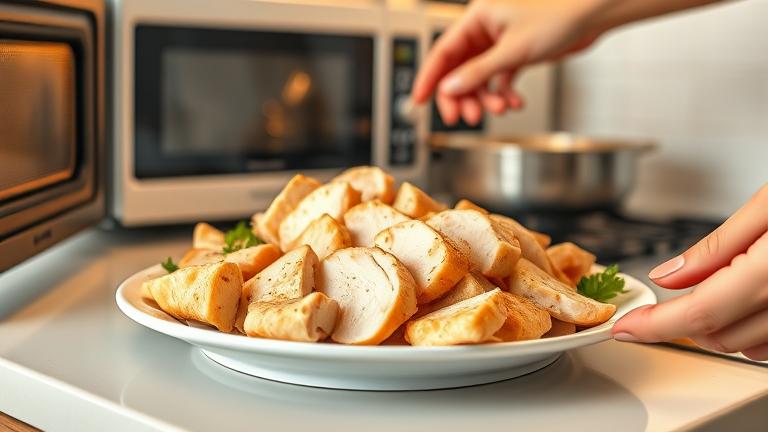
Best Ways to Reheat Cooked Chicken
Reheating cooked chicken is a common kitchen task, but it’s important to do it properly to keep the chicken juicy, flavorful, and safe to eat. Whether you stored leftovers from dinner or prepared chicken in advance, choosing the right reheating method makes a big difference.
There are several effective ways to reheat cooked chicken. The most popular are using a microwave, oven, or stovetop. Each method has its own advantages and best practices, so you can pick the one that fits your time and equipment available.
Reheating Cooked Chicken in the Microwave
The microwave is the fastest way to reheat chicken. It’s perfect when you’re in a hurry or need a quick snack. To get the best results and prevent drying out:
- Place the chicken on a microwave-safe plate.
- Add a splash of water or broth to keep it moist.
- Cover the chicken with microwave-safe plastic wrap or a damp paper towel. This traps steam and helps the chicken heat evenly.
- Heat on medium power for 1 to 2 minutes, then check the temperature.
- If it’s not hot enough, continue heating in 15-30 second bursts.
Always check that the reheated chicken reaches an internal temperature of 165°F (74°C). Use a food thermometer for safety. The microwave can sometimes create hot spots, so stirring or flipping the chicken halfway helps heat it evenly.
Reheating Cooked Chicken in the Oven
Using an oven is ideal for larger quantities or when you want the chicken to taste freshly roasted. It takes a bit longer but helps retain moisture and flavor. Here’s how:
- Preheat your oven to 350°F (175°C).
- Place the chicken in an oven-safe dish. Cover it loosely with foil to prevent it from drying out.
- Optionally, add a few tablespoons of broth or water to create steam inside the dish.
- Bake for about 20-25 minutes, or until the internal temperature reaches 165°F (74°C).
- Remove from the oven and let it sit for a few minutes before serving.
The oven method is great for reheating leftovers without losing too much moisture, making it perfect for roasted or baked chicken pieces. Just keep an eye on the time to avoid overcooking or dryness.
Reheating Cooked Chicken on the Stovetop
The stovetop method works well if you want to reheat chicken quickly while controlling the heat. It’s a good choice for shredded chicken or smaller pieces. To do it right:
- Heat a little oil or butter in a skillet over medium heat.
- Add the chicken pieces to the skillet.
- Cover with a lid or foil and warm for 5-10 minutes, turning occasionally to heat evenly.
- Check that the chicken reaches 165°F (74°C) before serving.
This method can help crisp up the outer layer if needed, especially for fried or grilled chicken. Just avoid high heat, which can dry out the meat quickly.
Important Tips for Reheating Cooked Chicken
- Always reheat chicken to an internal temperature of 165°F (74°C) for safety.
- Store leftover cooked chicken in airtight containers in the refrigerator within two hours of cooking.
- Use leftover chicken within 3 to 4 days to enjoy it at its best quality and safety.
- Reheat only the portion you plan to eat to avoid unnecessary waste.
By choosing the proper reheating method and following these tips, you can enjoy your cooked chicken warm, safe, and delicious every time.
Avoiding Dryness When Reheating
Reheating cooked chicken can be tricky. Often, it becomes dry and tough, losing its juicy flavor. The key is to use the right methods to keep the chicken moist and delicious. With some simple tips, you can enjoy reheated chicken that tastes just as good as when it was freshly cooked.
First, consider how you reheat the chicken. Different methods work best for maintaining moisture. For example, using a microwave can quickly dry out the meat, but if done carefully, it can also keep it moist. Slow reheating or steaming, on the other hand, helps preserve juiciness naturally.
Best Techniques for Moist Reheating
- Use low heat: Whether you’re microwaving or baking, set your appliance to a low or medium setting. High heat can cause the chicken to dry out quickly.
- Add moisture: Before reheating, drizzle a little broth, water, or gravy over the chicken. This adds steam during reheating, locking in the juices.
- Cover it up: Always cover the chicken with a microwave-safe lid or microwave-safe plastic wrap to trap steam. This prevents moisture from escaping and keeps the meat moist.
- Reheat in short intervals: Instead of reheating in one long session, do it in 30-second bursts if using the microwave. Check frequently to avoid overcooking.
Special Methods for Best Results
For an even gentler approach, try steaming the chicken. Place the pieces in a steaming basket over boiling water for a few minutes. This method gently reheats and infuses moisture, making the chicken juicy again.
Another excellent option is to reheat chicken in the oven. Preheat your oven to about 300°F (150°C). Wrap the chicken in foil with a splash of broth or water inside. Bake for about 20 minutes or until heated through. This slow, moist heat helps keep the meat tender and moist.
Tips and Common Mistakes to Avoid
- Avoid high heat: Reheating quickly over high heat can cause the chicken to dry out and become tough.
- Don’t reheat multiple times: Repeated reheating makes the meat drier each time. It’s best to reheat only what you plan to serve.
- Skip the microwave if possible: While convenient, microwaves can unevenly heat and dry out chicken. If you use it, follow the tips above for best results.
- Use moisture-rich ingredients: Sauces, broths, and gravies are allies in reheating. They add flavor and keep the chicken moist.
Final Tips for Juicy Reheated Chicken
If you find your chicken is a little dry after reheating, let it rest covered for a few minutes. This allows the juices to redistribute inside the meat. Also, slicing the chicken before reheating can help it reheat more evenly and stay moist.
By choosing gentle reheating methods and adding moisture, you can enjoy flavorful, juicy chicken even after it’s been stored. Practice these tips, and your leftovers will taste just as tempting as the freshly cooked meal.
Reheating Chicken in the Microwave
Reheating cooked chicken in the microwave is a quick and convenient way to enjoy leftovers. However, to keep the chicken safe to eat and tasting good, it’s important to reheat it properly. The microwave can sometimes heat unevenly, so using the right techniques will help you avoid cold spots and overcooked edges.
First, place the chicken in a microwave-safe dish. If the chicken is in large pieces, such as breasts or thighs, consider cutting it into smaller, uniform pieces. This allows heat to distribute evenly, making sure all parts are warmed through. Cover the dish with a microwave-safe lid or wrap it loosely with microwave-safe plastic wrap. This traps steam, helps retain moisture, and prevents the chicken from drying out.
Steps for Reheating Chicken Safely and Evenly
- Start with cooked, store-bought, or homemade chicken that has been refrigerated for no more than 3-4 days. If the chicken has been sitting out at room temperature for more than 2 hours, it’s safer to discard it.
- Arrange the chicken pieces in an even layer in your dish. If you’re reheating a whole piece, place it skin-side up if applicable. This helps keep it moist.
- Cover the dish with a microwave-safe lid or a damp paper towel. The cover helps trap heat and moisture, preventing the chicken from drying out.
- Heat the chicken on medium power, usually around 50 to 70 percent. High power can cause the outer parts to overcook while the inside remains cold.
- Heat in short intervals—about 1 to 2 minutes at a time—checking after each burst. Use a food thermometer to check the internal temperature, which should reach at least 165°F (74°C) to be safe.
- Stir or flip the pieces if possible, especially if you’re reheating shredded chicken or pieces spread out on a plate. This promotes even heating.
Tips for Perfectly Reheated Chicken
- If the chicken looks dry after reheating, add a splash of broth or water before microwaving to help keep it moist.
- Let the chicken rest for a minute after reheating. This helps distribute the heat evenly inside, reducing the risk of cold spots.
- Avoid microwaving chicken for too long in one go, as it can lead to rubbery, overcooked texture. The key is to increase the temperature gradually.
- Use a microwave crisper or turntable if available. This helps promote even heat distribution and avoids hot spots.
Common Mistakes to Avoid
- Reheating chicken that has been left out for more than 2 hours. This can increase your risk of foodborne illness.
- Using high power settings for the entire reheating process, which can cause uneven heating and dry out the meat.
- Overheating the chicken, leading to a tough, rubbery texture and flavor loss.
Following these simple steps and tips ensures your microwave reheated chicken is safe, tasty, and moist. With practice, you’ll become confident in reheating leftovers without sacrificing flavor or texture.
Using the Oven for Juicy Results
Reheating chicken in the oven is a great way to keep it moist and full of flavor. Unlike microwave reheating, which can sometimes dry out the meat, the oven helps restore the tender texture you enjoyed when it was freshly cooked. With a few simple tips, you can warm up your leftover chicken without losing its juiciness.
The key is to control the temperature and prevent the chicken from drying out during reheating. A gentle, moderate heat allows the chicken to warm evenly and stay moist. Let’s walk through the best method to reheat chicken in the oven for juicy results.
Step-by-Step Reheating Process
- Preheat your oven to a temperature of 350°F (175°C). This moderate heat is ideal for reheating without overcooking the chicken. Avoid higher temperatures that can quickly dry out the meat.
- Place the leftover chicken in an oven-safe dish or on a baking sheet. For extra moisture, you can add a splash of chicken broth or a little water to the dish. Cover the chicken loosely with aluminum foil. This traps steam, helping keep the meat moist.
- Reheat the chicken in the oven for about 20-25 minutes. The exact time depends on the size and thickness of the pieces. Thinner cuts, like slices or strips, might be ready in less time, while whole breasts could take a bit longer.
- To check if it’s heated through, insert a meat thermometer into the thickest part of the chicken. It should read at least 165°F (74°C). Alternatively, gently pierce the meat to see if the juices run clear.
- Once hot, remove the dish from the oven. Let the chicken rest for a few minutes before serving. This helps the juices redistribute within the meat, keeping it juicy and flavorful.
Additional Tips for Perfectly Juicy Reheated Chicken
- Using a marinade or glaze before reheating can help add flavor and moisture. A quick brush with melted butter or olive oil also works well.
- If your chicken is particularly dry, sprinkle it with a bit of broth, gravy, or a sauce of your choice before reheating. Covering it will trap the moisture and prevent further drying.
- Avoid reheating chicken multiple times. Each time meat is reheated, it loses some moisture and flavor. It’s best to reheat only what you plan to serve.
- For very large pieces, consider cutting them into smaller portions before reheating. This allows heat to penetrate more evenly and speeds up the process.
Common Mistakes to Avoid
- Reheating at too high a temperature, which can toughen the meat and cause dryness.
- Skipping the covering step, allowing steam to escape and the chicken to dry out.
- Not checking the internal temperature, risking under- or over-heating the meat.
By following these simple steps and tips, you’ll be able to reheat your chicken in the oven and enjoy every bite as juicy and flavorful as the first day. Just patience, proper heat, and moisture are the secrets to perfect reheated chicken.
Reheating on the Stove Top
Reheating cooked chicken on the stove top is a great way to bring back its juicy, tender texture while avoiding dryness. It’s quick, easy, and gives you control over the heat, so your chicken stays flavorful and moist. Whether you have leftover roasted chicken, grilled pieces, or chicken strips, the stove top method works well with most cooked chicken varieties.
To start, gather your cooked chicken and a few simple supplies. You’ll need a skillet or frying pan, some liquid (such as chicken broth, water, or a little oil), and a lid or aluminum foil if you want to keep the moisture in. It’s a good idea to choose a pan that matches the amount of chicken you’re reheating so it heats evenly.
Step-by-step Reheating Process
- Prepare the pan: Place your skillet on the stove over medium-low heat. Using too high heat can dry out the chicken, so it’s better to go slow and gentle.
- Add moisture: Pour in a small amount of liquid—about 1 to 2 tablespoons per cup of chicken. This could be chicken broth for added flavor or water if you prefer a neutral option. You can also drizzle a little oil or melted butter for extra tenderness and richness.
- Warm the chicken: Add the cooked chicken pieces to the pan. Spread them out in a single layer so they heat evenly. Cover the pan with a lid or aluminum foil to trap steam, which helps prevent the chicken from drying out.
- Reheat gently: Let the chicken cook for about 5 to 10 minutes. Check every few minutes, flipping or stirring the pieces to ensure even heating. The goal is to warm the chicken thoroughly without cooking it further or making it tough.
- Check temperature: Use a meat thermometer to make sure the internal temperature reaches at least 165°F (74°C). This guarantees your chicken is hot and safe to eat.
- Serve: Once reheated, remove the chicken from the pan and serve immediately. If you notice excess moisture in the pan, you can let it simmer uncovered for a minute or two to reduce the liquid slightly.
Tips for Perfect Reheated Chicken
- Start with lower heat and add enough moisture to prevent dryness.
- Use a lid or foil to help trap steam and keep the chicken tender.
- Shorter reheating times prevent overcooking, which can make chicken tough.
- If the chicken is already shredded or sliced, reheat smaller pieces for quicker, even warming.
- Always check the temperature to ensure safety and avoid overcooking.
Common Mistakes to Avoid
- Using high heat, which can dry out or burn the chicken.
- Reheating without added liquid, leading to dry, tough pieces.
- Overheating the chicken, causing it to become chewy or stringy.
With these simple steps, your chicken will come out moist, tender, and ready to enjoy, just like when it was freshly cooked. The stove top method gives you full control over the heat and moisture, making it a reliable choice for reheating cooked chicken perfectly every time.
Tips for Safe Chicken Reheating
Reheating chicken safely is key to enjoying leftovers without any health risks. Chicken is a popular protein, but it can cause foodborne illness if not handled properly. Following a few simple tips ensures your reheated chicken remains tasty and safe to eat.
First, always store cooked chicken in the refrigerator within two hours of cooking. If the room temperature is above 90°F (32°C), do so within one hour. Use airtight containers or tightly wrap the chicken with foil or plastic wrap. Proper storage slows bacterial growth and keeps your chicken fresh.
When you’re ready to reheat, make sure the chicken is heated evenly. Use a microwave, oven, or stovetop—each method has its own best practices for safety. The goal is to reach an internal temperature of 165°F (74°C), which kills most bacteria and makes the chicken safe to eat.
Reheating Methods and Tips
- Microwave: Place the chicken in a microwave-safe dish. Cover loosely with a microwave lid or damp paper towel to keep it moist. Heat on high in short intervals, stirring or flipping the chicken halfway through. Use a food thermometer to check that the internal temperature reaches 165°F (74°C).
- Oven: Preheat your oven to 350°F (175°C). Arrange the chicken in an oven-proof dish and cover with foil. Heat for about 20-30 minutes, depending on the amount and size. Check the internal temperature with a meat thermometer.
- Stovetop: Use a skillet or saucepan. Add a splash of broth or water to prevent drying out. Warm the chicken over medium heat, turning occasionally. Confirm it has reached 165°F (74°C) before serving.
Storage Tips for Reheating Success
- Only reheat the portion you plan to eat. Repeated reheating and cooling can increase the risk of bacteria growth.
- Don’t leave reheated chicken at room temperature for more than two hours. Bacteria multiply quickly in the “danger zone” between 40°F and 140°F (4°C and 60°C).
- If you have leftovers, cool leftover chicken quickly after reheating. Use shallow containers for faster cooling.
- Label leftovers with date, so you know how long they’ve been stored. Aim to consume refrigerated chicken within three to four days.
Common Mistakes to Avoid
- Reheating chicken more than once. Each cycle increases the risk of bacteria. Always reheat only what you plan to eat.
- Not using a food thermometer. Relying on visual cues alone can be misleading. A thermometer assures safety.
- Leaving chicken out too long. Bacteria flourish at room temperature, so refrigerate promptly.
- Overheating chicken, which can dry it out and affect texture. Gentle reheating helps maintain juiciness and flavor.
By following these simple tips, you can enjoy your leftover chicken safely and deliciously. Proper storage, thorough reheating, and avoiding common mistakes help prevent foodborne illness and keep your meals enjoyable.
Do’s and Don’ts for Perfect Reheated Chicken
Reheating chicken might seem simple, but getting it just right can be tricky. You want it to stay juicy, flavorful, and safe to eat. Follow these friendly tips to make your leftover chicken taste as good as freshly cooked.
Do’s
- Reheat gently and evenly. Use low to medium heat whether you’re reheating in the oven, on the stovetop, or in the microwave. This helps prevent drying out and ensures the chicken heats through evenly.
- Add moisture if needed. Drizzle a little broth, water, or sauce over the chicken before reheating. This keeps the meat moist and prevents it from becoming tough or dry.
- Use the right storage methods. Store leftover chicken in airtight containers in the fridge, ideally within two hours of cooking. Proper storage helps maintain freshness and prevents bacteria growth.
- Check the internal temperature. Reheated chicken should reach at least 165°F (74°C) to be safe to eat. Use a meat thermometer to confirm doneness.
- Cover the chicken while reheating. Covering with a microwave-safe lid or foil traps heat and moisture, which results in more evenly warmed and tender chicken.
- Opt for reheating methods that preserve flavor. The oven or stovetop often do a better job than microwaves for maintaining taste and texture, especially for larger portions.
Don’ts
- Don’t reheat multiple times. Repeated reheating increases the risk of bacteria growth and can degrade the chicken’s quality. Only reheat what you plan to eat.
- Avoid high heat. Reheating on high can cause the outside to dry out quickly while the inside remains cold. Patience with low or medium heat delivers better results.
- Don’t reheat chicken from room temperature. Always refrigerate leftovers promptly. Leaving chicken out for hours can lead to bacteria multiplication.
- Never reheat in a dry skillet without added moisture. Without liquid or covering, chicken can become tough and dry out fast.
- Be cautious with bones. If your chicken has bones, reheating can sometimes cause them to become very hot or sharp. Remove bones before reheating if possible, or handle carefully.
- Avoid reheating in plastic containers that aren’t microwave-safe. Use containers labeled microwave-safe to avoid harmful chemicals leaching into the food.
Additional Tips for Best Results
- Let the chicken sit for a minute or two after reheating to allow heat to distribute evenly.
- If reheating leftover fried chicken, consider the oven instead of the microwave for crispier results.
- For shredded or cut chicken, reheating in a sauce or broth helps keep it moist and flavorful.
By following these simple do’s and don’ts, you can enjoy your reheated chicken just as much as when it was first cooked. Practice patience and care, and your leftovers will turn out delicious every time.