
Understanding Meat Odors After Cooking
Cooking meat can bring out a variety of smells, and not all odors indicate something is wrong. Being able to differentiate between normal and abnormal odors helps you enjoy your meals safely and with confidence.
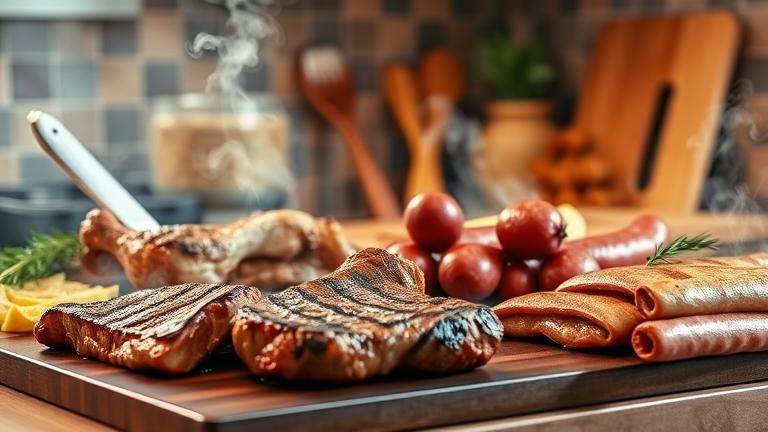
When you cook fresh meat, you might notice a savory, meaty aroma that’s appealing and familiar. This natural smell results from proteins and fats breaking down during cooking. Sometimes, when grilling or searing, you may also detect hints of roasted or caramelized scents. These are normal aromas that signal your meat is cooking well.
However, after cooking, some unusual odors could be signs that the meat isn’t as fresh as it should be. These abnormal smells often serve as warnings, especially if the meat was stored improperly or is past its prime. Recognizing these odors can help prevent foodborne illnesses and ensure your meals are both safe and delicious.
Normal Odors After Cooking
- Meaty aroma: A rich, savory smell that clings to the meat. It’s often stronger when cooking beef, chicken, or pork.
- Roasted or caramelized notes: Slightly sweet or burnt smells from browning or grilling.
- Neutral smell: Sometimes, cooked meat might have a mild odorless smell, especially if cooked with gentle seasonings.
Abnormal Odors to Watch For
- Sulfur or rotten eggs smell: Indicates bacterial activity or spoilage, especially if the smell is strong and unpleasant.
- Ammonia-like smell: A sharp, chemical odor that often points to old or spoiled meat that has undergone bacterial changes.
- Putrid or sour smell: A sour or rotten odor suggests the meat is no longer safe to eat. This may accompany slimy textures or discoloration.
What Do These Odors Tell You?
If the cooked meat smells normal and pleasant, you can generally enjoy your meal without worry. But if you notice any abnormal odors, it’s best to check for other signs of spoilage such as unusual colors, sliminess, or sticky textures. When in doubt, trust your nose and discard any meat that smells off.
Keep in mind that some strong odors might be caused by ingredients or seasonings. For example, garlic or certain spices can produce pungent smells that are part of your dish’s flavor profile. If you’ve used marinades or sauces, their scents might also influence the smell of cooked meat. As long as the aroma is appetizing and consistent with normal cooking smells, there’s generally no cause for concern.
Tips for Preventing Unpleasant Odors
- Buy fresh meat: Check sell-by dates, look for bright color, and firm texture.
- Store properly: Keep meat refrigerated at 40°F (4°C) or lower and use or freeze within a few days.
- Cook thoroughly: Ensure meat reaches safe internal temperatures to kill bacteria.
- Use good hygiene: Wash your hands, utensils, and surfaces to avoid cross-contamination.
Common Reasons Meat Might Smell Off
If you’ve ever opened the fridge and noticed that your meat has a strange or unpleasant smell, you’re not alone. Sometimes, meat that smells off can be a sign that something isn’t right. Understanding the common causes of foul or unusual odors in cooked meat can help you decide whether it’s safe to eat or best to discard.
One of the most common reasons for a bad smell is spoilage. When meat begins to spoil, bacteria and microbes break down the tissue, producing foul odors. These often smell sour, rotten, or ammonia-like. If the meat smells pungent or significantly different from fresh meat, it’s a good idea to avoid eating it. Spoiled meat can cause food poisoning, so always trust your nose.
Another cause of off odors is contamination during storage or handling. Cross-contamination occurs when raw meat touches other foods or surfaces that are not properly cleaned. Bacteria from contaminated surfaces can transfer to your meat and create unpleasant smells. Always wash your hands, utensils, and surfaces thoroughly after handling raw meat and keep raw meat separated from other foods in the fridge.
Cooking methods also influence meat smells. Overcooking or burning meat can produce smoky, burnt odors that might be mistaken for spoilage. Conversely, undercooked meat may have a raw, bloody smell that seems unusual. Always cook meat to the proper internal temperature to eliminate harmful bacteria and avoid strange odors.
Additionally, chemical reactions within the meat can cause odors. For instance, if meat has been frozen for a long time, it might develop freezer burn. This leads to dehydration on the surface, which can produce a musty or stale smell. Freezer burn does not make the meat unsafe but can affect flavor and texture. Properly wrapping meat and using it within recommended storage times helps prevent this issue.
Meat can also absorb odors from other foods or household smells if stored improperly. For example, onions or garlic stored close to meat in the fridge can transfer their scents. Keeping the fridge organized and sealed tightly helps prevent meat from absorbing external smells.
If stored too long or past its expiration date, meat is likely to develop off odors. Always check labels and use your senses— sight, smell, and touch—to determine freshness. When in doubt, if the meat smells sour, rancid, or just strange, it’s safer to discard it.
- Trust your nose—if it smells bad, it probably is.
- Store meat properly in airtight containers or tightly wrapped to prevent odor transfer.
- Cook meat thoroughly to eliminate bacteria that cause bad odors.
- Keep your refrigerator clean and organized to avoid cross-contamination and odor absorption.
How to Detect Spoiled Cooked Meat
Knowing how to tell if cooked meat has spoiled is key to food safety and preventing foodborne illnesses. Sometimes, meat may look, smell, or feel different after being stored for a while. If you’re unsure, it’s better to be safe than sorry. This guide will teach you simple ways to check if your cooked meat is still good or if it has gone bad.
The first step is to rely on your senses—smell, sight, and touch. These are the most straightforward methods to determine whether cooked meat has spoiled. Remember, if something seems off, it’s safer to discard the meat rather than risk illness.
Smell the Meat
The smell is a strong indicator of freshness. Fresh cooked meat should have a pleasant, meaty aroma. If you notice a sour, rancid, or strange odor, it’s likely spoiled. Some spoiled meat may emit a strong ammonia smell or odor similar to rotten eggs. Trust your nose: if it smells odd or unpleasant, do not eat it.
Examine Visual Clues
- Color Changes: Cooked meat that has turned gray, green, or has dark spots could be spoiled. Fresh cooked meat usually appears pinkish or brownish depending on the type of meat. If the color looks unusual or faded, it might be a sign of spoilage.
- Slimy or Sticky Surface: If the surface feels slimy, sticky, or tacky, this is a warning sign. Spoiled meat often develops a slimy film caused by bacterial growth.
- Unusual Spots or Mold: Any fuzzy patches, mold, or black spots indicate the meat should be discarded immediately.
Check the Texture
Gently press the cooked meat with your finger or a utensil. Fresh cooked meat should feel firm yet moist. If it feels excessively slimy or mushy, that’s a sign bacteria may have grown. If the meat crumbles easily or has a rubbery texture, it could be past its prime.
Consider Storage Time and Conditions
Even if the meat appears okay, consider how long it has been stored. Cooked meat should be kept in the refrigerator for about three to four days. If it has been longer, it’s best to discard it. Always store cooked meat in an airtight container at or below 40°F (4°C). When in doubt, rely on your knowledge and look for signs of spoilage.
Some false alarms happen; certain meats may have a strong smell or darker color yet are still safe if stored properly and within the safe time frame. Using these checks, you can confidently determine whether your cooked meat is still good or should be thrown away.
- If in doubt, throw it out. Food safety is more important than saving leftovers.
- Store cooked meat promptly and at proper temperatures.
- If cooked meat shows signs of spoilage, do not taste or eat it.
Tips to Improve Meat Aroma
Getting that delicious, inviting smell from meat can make your dishes more tempting. Improving the aroma of cooked meat isn’t just about flavor; it also enhances the overall dining experience. Here are some practical tips to boost the smell and flavor of your meat dishes.
Use Fresh Meat Whenever Possible
Fresh meat has a natural, appealing aroma that dried or older meat may lack. When buying, look for meat with a bright color, firm texture, and a clean smell. Fresh meat smells subtle and genuinely meaty, providing a better foundation for aroma enhancement during cooking.
If you’re using meat stored in the fridge for several days, smell it first. If it has a sour or off odor, discard it to avoid unwanted flavors or food safety problems. Starting with fresh meat helps ensure your final dish smells as good as it tastes.
Marinate with Aromatic Ingredients
A good marinade can significantly enhance meat aroma. Use herbs, spices, and liquids like garlic, onion, rosemary, thyme, or even citrus juice. These ingredients infuse the meat with fragrant oils and flavors that deepen while cooking.
Marinate for at least 30 minutes, but preferably for several hours or overnight in the fridge. This allows the aromatics to penetrate the meat and boost the aroma during cooking.
- Tip: Add a splash of soy sauce, fish sauce, or Worcestershire sauce to enhance umami and aroma.
Use Proper Seasoning Techniques
Seasoning doesn’t just add flavor; it influences the smell of meat. Salt helps release natural meat juices and aromas. Applying salt early allows it to penetrate and improve aroma and flavor.
Sprinkle herbs and spices evenly over the meat, giving it a gentle massage. Toast spices briefly in a dry pan before adding them to release their fragrant oils. This quick step can dramatically improve the smell of your final dish.
Cook at the Right Temperature and Duration
Cooking meat at the correct temperature helps develop appealing aromas. Searing over high heat causes Maillard reactions—those golden-brown, flavorful reactions that produce complex aromas.
Once seared, reduce heat to fully cook the meat without burning the exterior. Overcooking or undercooking can diminish aroma and flavor. Use a meat thermometer to avoid overdoing it, especially with thicker cuts.
Tip: Allow the meat to rest after cooking. Resting helps the juices and aroma settle, making the meat smell rich and inviting when served.
Incorporate Aromatic Fats and Oils
Cooking meat in fragrant fats or using flavored oils enhances its smell. Butter, olive oil, or infused oils add aromatic richness. Baste the meat with these during cooking for extra fragrance.
For an added aroma boost, add herbs like thyme or rosemary to the pan while cooking. The hot oils release fragrant compounds that soak into the meat as it cooks.
Enhance with Slow Cooking or Smoker Techniques
Slow cooking or smoking adds layers of aroma, making meat smell deeply inviting. Low and slow methods allow flavors and fragrances to develop gradually, resulting in tender meat with rich aroma.
If you have a smoker, using wood chips like hickory or apple wood imparts a smoky fragrance that makes the meat smell irresistible when served.
Mind the Storage and Reheating
Proper storage preserves the meat’s aroma. Keep leftovers covered and refrigerated, and reheat gently to avoid losing fragrant oils. Reheat slowly in the oven or on the stovetop to retain the smell and flavor.
Tips include using airtight containers and consuming leftovers within a few days for optimal aroma and taste.
- Remember, enhancing meat aroma involves freshness, proper seasoning, and careful cooking techniques. Paying attention to details will ensure your meat smells as amazing as it tastes.
Proper Storage to Preserve Freshness
Storing cooked meat correctly is essential to keep it fresh, safe, and delicious for as long as possible. Whether you’ve grilled steaks, roasted chicken, or saved leftovers from dinner, understanding proper storage practices can prevent spoilage and foodborne illnesses.
Temperature control is the first step. Make sure cooked meat is cooled quickly after cooking, ideally within two hours. Leaving meat at room temperature too long allows bacteria to grow. Once cooled, transfer it to the refrigerator or freezer promptly.
The recommended refrigerator temperature for storing cooked meat is at or below 40°F (4°C). Use a reliable thermometer to ensure your appliance consistently stays within this safe range. If space is limited or you want to store meat longer, the freezer is your best option.
Packaging Tips for Storage
Proper packaging is critical in preventing bacteria contamination and protecting meat from drying out or absorbing off odors. Wrap leftovers tightly in plastic wrap or aluminum foil. You can also use airtight containers or resealable freezer bags. For longer storage, vacuum sealing is highly effective.
When packaging, remove as much air as possible to prevent freezer burn and preserve quality. Label each package with the date it was stored. Clear labels help you track storage time and avoid keeping leftovers too long.
Storage Duration Guidelines
Knowing how long cooked meat remains good in the fridge or freezer can prevent spoilage. Cooked meat kept in the refrigerator should be eaten within three to four days. After that, bacteria growth increases, even if it looks or smells fine.
For longer storage, freezing is preferable. Properly stored at 0°F (-18°C), cooked meat can last about two to six months. Meats with bones or higher fat content might have a shorter shelf life. Always check specific guidelines based on meat type.
| Storage Method | Description | Recommended Duration |
|---|---|---|
| Refrigerator | Cooked meat stored at 40°F (4°C) or lower in airtight containers or wrapped tightly. | 3 to 4 days |
| Freezer | Vacuum-sealed or tightly wrapped cooked meat stored at 0°F (-18°C) or lower. | 2 to 6 months |
Safety Tips and Common Mistakes
- Always cool cooked meat to room temperature before refrigerating, but do not leave it out for more than two hours.
- Avoid storing cooked meat in the refrigerator door where temperatures fluctuate more.
- Never reheat cooked meat more than once. Reheat only what you plan to eat to prevent bacteria growth.
- Inspect leftovers before consuming. If they smell off, feel slimy, or look strange, discard them.
- Label leftovers with dates to ensure you use them within safe timeframes.
Safety Tips for Consuming Cooked Meat
Enjoying cooked meat is a delightful part of many meals, but adhering to safety tips is crucial to prevent foodborne illnesses. Proper hygiene, correct reheating, and knowing when to discard meat are essential steps to keep you healthy.
Maintain Good Hygiene
Wash your hands thoroughly with soap and water before handling cooked meat. This simple step helps prevent the spread of bacteria from your hands to the food. Ensure all utensils, cutting boards, and surfaces are clean before and after preparation.
Use separate cutting boards and utensils for raw meat and cooked meat to prevent cross-contamination. Never place cooked meat on a plate or surface that previously held raw meat unless it has been thoroughly washed.
Proper Reheating of Cooked Meat
If reheating cooked meat, make sure it reaches an internal temperature of at least 165°F (74°C). Use a food thermometer to verify, especially when using a microwave. Reheat evenly to prevent cold spots, stirring or turning the meat as needed.
Reheat only the portion you intend to eat and avoid multiple reheating cycles. Each reheat increases the risk of bacteria growth and uneven heating.
Check for Signs of Spoilage and Expiration
Always inspect cooked meat before eating. Look for an off odor, slimy texture, or unusual color. If anything seems odd, discard the meat. Cooked meat is safe in the refrigerator for up to three to four days. After that, it’s best to throw it away.
| Storage Time | Tips |
|---|---|
| Refrigerator (below 40°F / 4°C) | Consume within 3-4 days for safety and freshness. |
| Freezer (0°F / -18°C or lower) | Store for 2-6 months. Check for freezer burn or ice crystals regularly. |
Additional Practical Tips
- Label leftovers with the date to keep track of storage time.
- Avoid eating cooked meat left out at room temperature for more than two hours, or one hour in hot weather.
- Store leftovers in airtight containers to reduce contamination and preserve quality.
- If you’re unsure about the safety of cooked meat, it’s best to discard it. Food poisoning isn’t worth the risk.
Best Practices for Cooking and Handling
Proper cooking and handling of meat are fundamental to keeping it tasty, safe, and free from unwanted odors. Whether preparing beef, chicken, or pork, following these simple tips can significantly improve your results. With a little care, you’ll enjoy flavorful, safe meals for your family and friends.
1. Keep Meat Cold Until Cooking
Always store raw meat in the refrigerator at or below 40°F (4°C). Keep it in a sealed container or on a plate to prevent juices from dripping onto other foods. When ready to cook, take it out just before preparing to prevent bacterial growth and keep the meat fresh and safe.
2. Practice Proper Thawing Techniques
Thaw frozen meat in the refrigerator, not on the counter. This allows it to thaw slowly and evenly, reducing bacterial development on the surface. For quicker thawing, use the microwave or submerge the sealed package in cold water, changing it every 30 minutes. Always cook thawed meat promptly.
3. Handle Meat Safely
- Wash your hands thoroughly before and after touching raw meat.
- Use separate cutting boards and utensils for raw and cooked foods to prevent cross-contamination.
- Clean all surfaces and tools with hot, soapy water after handling raw meat.
This prevents bacteria spread and keeps your kitchen safe.
4. Minimize Odors During Storage and Cooking
Meat can develop strong smells if stored too long or mishandled. Minimize odors by storing meat in airtight containers or tightly wrapped packages. When cooking, ventilate your kitchen by opening windows or turning on the exhaust fan.
Adding herbs like rosemary or thyme, or a splash of lemon juice, can help reduce unpleasant smells. Avoid rinsing meat before cooking, since this can spread bacteria. Instead, focus on cooking thoroughly and handling with clean utensils.
5. Cook Meat to the Appropriate Temperature
| Meat Type | Desired Internal Temperature |
|---|---|
| Chicken and Turkey | 165°F (74°C) |
| Beef, Pork, Lamb (Steaks, Roasts) | 145°F (63°C) with a 3-minute rest |
| Ground Meat (beef, pork, chicken) | 160°F (71°C) |
Use a reliable meat thermometer to verify doneness. Cooking to the correct temperature ensures safety and prevents dryness or toughness. Rest the meat for a few minutes after cooking to allow juices and flavors to settle, making it more delicious and tender.
6. Store Leftovers Properly
Cool leftovers quickly, within two hours of cooking, and store in shallow containers. Refrigerate promptly and consume within 3-4 days, or freeze for longer storage. Label packages with dates to keep track.
Reheat leftovers to a rolling boil or an internal temperature of at least 165°F (74°C). This kills bacteria that may have grown during storage.
By adopting these friendly, practical practices, you improve your meat handling skills, enhance flavor, and stay healthy. Remember, careful handling and proper cooking make all the difference in preparing tasty and safe meat dishes.