
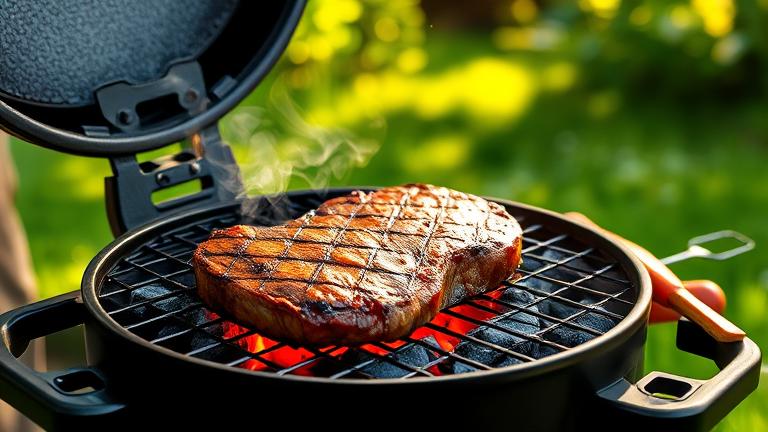
How to Prepare Your Charcoal Grill for Slow Cooking
Using a charcoal grill for slow cooking can give your dishes rich flavors and tender results. Proper preparation of your grill is essential to maintain a steady, low temperature over several hours. Let’s walk through the simple steps to get your charcoal grill ready for slow cooking.
1. Choose the Right Setup
Start by deciding between two common arrangements: the two-zone setup or the minion method. The two-zone setup involves piling charcoal on one side of the grill, creating a hot zone and a cooler zone. This allows you to control the heat better and move food between zones as needed.
The minion method involves adding a small amount of unlit charcoal and then lighting a portion of it. As the lit charcoal slowly ignites the unlit pile, it creates a long-lasting, steady heat ideal for slow cooking. Both setups help maintain the low, consistent temperature needed for several hours of cooking.
2. Prepare the Charcoal
Use quality charcoal, preferably lump charcoal or charcoal briquettes designed for long burns. Measure out enough to last the entire cooking session. For slow cooking, aim for about 20-25% more than you think you’ll need to account for any fluctuations.
If using briquettes, some brands include accelerants that can burn hotter and faster, so opt for natural or high-quality options for a more controlled heat. Break down any large lumps to help ensure even burning and easier temperature management.
3. Light the Charcoal Properly
Choose a safe and effective method to light your charcoal. The easiest way is to use a chimney starter. Fill it with charcoal, then place a sheet of newspaper or natural firelighter underneath. Light the paper, and in about 15-20 minutes, the charcoal will be glowing and ready to transfer to your grill.
A quick tip: avoid using lighter fluid or other chemicals, as they can impart unwanted flavors to your food. If you prefer, use an electric starter or natural firelighters for a cleaner burn.
4. Control the Temperature
Once your charcoal is lit, spread it evenly or arrange it according to your chosen setup. Keep the air vents open initially to get the fire going, then adjust them to control airflow and maintain temperature.
For slow cooking, aim to keep your grill temperature between 225°F to 275°F (107°C to 135°C). Use a reliable grill thermometer placed on the lid to monitor the temperature. Make small adjustments to the vents to prevent the temperature from rising too high or dropping too low.
5. Maintain Consistent Heat
Throughout the cooking process, check your grill temperature regularly. Add more charcoal as needed, ideally before the heat drops too much. Keep the lid closed as much as possible to retain heat and smoke. If you need to add more charcoal, do it carefully to prevent temperature swings.
Some cooks use a water pan inside the grill. It adds humidity, helping keep meat moist and stabilizes the temperature. Just place a pan of water on the grate, away from direct coals, for best results.
- Tip: Keep a spray bottle filled with water nearby to manage flare-ups or controlling temperature spikes.
- Tip: Don’t forget to wear heat-resistant gloves when handling hot coals or adjusting vents.
Choosing the Best Wood Chips for Flavor
When it comes to slow-cooking tri tip and other meats, selecting the right wood chips can make a significant difference in flavor. The type of wood you use adds a smoky aroma and subtle taste that enhances the meat’s natural flavors. With so many options available, it’s helpful to understand how different woods influence the final product.
Many home cooks start with common, readily available woods like hickory or mesquite, but there are many more choices to explore. Each type of wood brings its own unique character, so knowing what to look for can help you customize your smoked dishes perfectly. Let’s dive into some popular options and what they bring to your slow-cooked tri tip.
Popular Types of Wood Chips and Their Flavor Profiles
| Wood Type | Flavor Profile | Best For |
|---|---|---|
| Hickory | Sweet, smoky, bacon-like aroma | Classic smoky flavor for beef, pork, and poultry |
| Mesquite | Strong, bold, earthy flavor | Intense smoke for beef and red meats |
| Apple | Sweet, fruity, mild smokiness | Delicate meats, poultry, and fish |
| Cherry | Sweet, fruity with a hint of spiciness | Enhancing beef, poultry, and vegetables |
| Maple | Slightly sweet, mild smoky taste | Pork, poultry, and sweeter dishes |
| Alder | Light, sweet, and subtle aroma | Best for fish and seafood, still good for beef |
While choosing wood chips, consider the flavor profile you prefer. For a classic smoky taste that pairs well with beef, hickory is a favorite. If you want a more subtle addition, apple or cherry woods provide a gentle sweetness that won’t overpower the meat. For a bold, smoky depth, mesquite can be excellent but use it sparingly, as it is quite strong.
Many cooks avoid using softwoods like pine or cedar for smoking because they contain resins that can produce unpleasant tastes and potentially harmful smoke. Always select food-grade wood chips meant for smoking, which are usually sold at grocery or specialty stores.
Tips for Choosing and Using Wood Chips
- Opt for natural, untreated wood chips. Avoid chips that are painted, stained, or pressed with chemicals.
- If you use a chip box or smoker box, soak the chips in water for about 30 minutes before adding them to the grill. This helps produce a steady smoke rather than quick burning.
- Match the wood flavor to the meat. Mild woods like fruit woods are better for delicate cuts, while stronger woods suit robust meats like beef.
- Experiment with different woods. Combining two types, such as apple and hickory, can create a unique flavor profile.
- Store leftover wood chips in an airtight container in a cool, dry place to keep them fresh for your next smoky adventure.
Choosing the right wood chips can elevate your slow-cooked tri tip into a flavorful masterpiece. With a bit of experimentation and understanding, you can find the perfect smoky notes that match your taste and enjoy the delicious results.
Step-by-Step Guide to Slow Cooking Tri Tip
Slow cooking tri tip on a charcoal grill is a great way to achieve tender, flavorful meat with a beautifully smoky taste. The key is to prepare the meat well, control your heat, and cook it slowly and patiently. Follow this simple step-by-step guide to get perfect results every time.
1. Start with Marinating
Marinating your tri tip helps tenderize the meat and adds extra flavor. You can create your own marinade or use a store-bought one. For a basic marinade, combine olive oil, soy sauce, garlic, and your favorite herbs like rosemary or thyme. Place the tri tip in a resealable bag or a shallow dish, pour the marinade over it, and seal or cover. Let it sit in the refrigerator for at least 2 hours, but ideally overnight. This allows the flavors to soak in and the meat to become more tender.
2. Prepare Your Seasoning
After marinating, remove the tri tip from the fridge and pat it dry with paper towels. Season it generously with salt, pepper, and any other spices you enjoy. A simple blend of garlic powder, onion powder, and paprika works well. The seasoning creates a flavorful crust during cooking. Be sure to coat all sides evenly.
3. Set Up Your Charcoal Grill for Indirect Heat
To slow cook on a charcoal grill, you need to create an indirect heat zone. Light your charcoal and let it burn until it’s covered with gray ash. Then, bank the charcoal to one side of the grill. Place a drip pan on the empty side to catch drippings and help regulate temperature. Adjust the vents to maintain a steady temperature around 225-250°F (107-121°C). A grill thermometer can help you monitor this easily.
4. Grill the Tri Tip
Place the tri tip on the cool side of the grill, fat side up if it has a fat cap. Close the lid and cook low and slow. Resist the temptation to lift the lid too often, as this will cause temperature fluctuations. Use a meat thermometer to monitor internal temperature. Cook until the meat reaches about 130°F (54°C) for medium rare or 140°F (60°C) for medium. This can take 1.5 to 3 hours depending on the size of the cut and your grill’s temperature.
5. Rest and Serve
Once the tri tip hits your desired temperature, remove it from the grill and tent it loosely with aluminum foil. Let it rest for 10-15 minutes before slicing. Resting allows the juices to redistribute, making each slice juicy and tender. Slice against the grain, which means cutting perpendicular to the direction of the muscle fibers, for the best tenderness.
- Tip: Keep an eye on the temperature—not just the grill’s but also the meat’s. A reliable meat thermometer is your best friend.
- Tip: For extra smoky flavor, add wood chips to your charcoal once they start to smolder.
- Mistakes to avoid: Cutting into the meat too soon, which lets the juices escape, and cooking at too high a heat, which can toughen the meat.
Follow these steps, and your slow-cooked tri tip will be flavorful, tender, and perfect for any occasion. Enjoy your delicious, smoky feast!
Tips for Perfectly Tender and Juicy Tri Tip
Cooking a tri tip that is both tender and juicy is similar to mastering a good steak. The secret lies in proper temperature control, thoughtful seasoning, and timing. Whether you’re grilling, roasting, or pan-searing, these tips will help you achieve delicious results every time.
First, start with quality meat. Look for a tri tip with good marbling—those little streaks of fat add flavor and keep the meat moist during cooking. Before cooking, pat the meat dry with paper towels. This helps the seasoning stick and ensures a nice sear.
1. Season Generously and Early
Season your tri tip with salt, pepper, and your favorite herbs or spices. For the best flavor, do this at least 30 minutes before cooking, or even overnight in the fridge. This gives the salt time to penetrate, tenderizing the meat and enhancing the flavor.
- For added flavor, create a marinade with ingredients like soy sauce, garlic, and olive oil. Marinate for 2-4 hours if possible.
2. Control the Temperature
Using a meat thermometer is key to perfect doneness. For a juicy and tender tri tip, aim for an internal temperature of about 130°F to 135°F (54°C to 57°C) for medium-rare, which is usually best for beef. If you prefer it more done, cook to 140°F to 145°F (60°C to 63°C), but note that higher temperatures might result in less juiciness.
Cook at high heat initially to develop a flavorful crust, then lower the heat or shift to indirect heat to finish cooking. Avoid cooking over high heat the entire time, as this can dry out the meat.
3. Use the Resting Period
After cooking, let your tri tip rest for at least 10 minutes before slicing. Resting allows the juices to redistribute throughout the meat, preventing them from spilling out when you cut. Cover it loosely with foil to keep it warm.
4. Slice Against the Grain
Look for the natural lines of muscle fibers in the meat and slice perpendicular to them. Cutting against the grain makes each bite tender and easier to chew.
5. Practical Tips and Common Mistakes
- Don’t pierce the meat with a fork repeatedly; this releases juices and makes it drier.
- Avoid overcooking. Use a thermometer rather than relying solely on time estimates.
- If you notice your tri tip is tough or dry, it might be overcooked or cooked too quickly at high heat without proper resting.
- For a smoky flavor, consider finishing the tri tip with a brief stint over wood chips or in a smoker, but keep the internal temp in check.
Getting a tender and juicy tri tip isn’t complicated, but it does require attention to detail. With proper seasoning, temperature control, and resting, you’ll prepare a tri tip that’s bursting with flavor and ideal for any occasion.
Common Mistakes to Avoid When Slow Cooking
Slow cooking is a fantastic way to make tender, flavorful meals with minimal effort. However, there are some common mistakes that can turn your slow-cooked dish into a disappointment. Knowing these pitfalls and how to avoid them will help you achieve better results every time.
One of the biggest errors is overfilling or underfilling the slow cooker. Filling it more than three-quarters full can hinder proper heat circulation, leading to uneven cooking. Conversely, filling it too low might cause ingredients to dry out or not cook thoroughly. A good rule is to follow the manufacturer’s recommended minimum and maximum fill lines for optimal results.
Another frequent mistake is not browning ingredients before slow cooking. While it might seem quicker to toss raw meats or vegetables straight into the cooker, browning adds flavor and helps lock in juices. For example, searing beef or chicken in a hot skillet before slow cooking will give your dish a richer taste and better texture.
Many home cooks forget to adjust cooking times based on different cuts of meat. Tougher cuts like chuck roast or pork shoulder benefit from longer cooking, which breaks down connective tissues. Softer cuts, such as chicken breasts or tenderloin, need less time. Always check the recipe’s recommended cooking duration and adapt based on the size and type of meat you’re using.
Adding ingredients at the wrong time can also affect your dish. For instance, adding dairy, tomatoes, or fresh herbs at the beginning may lead to overcooking or flavor loss. To keep sauces creamy or herbs fresh, add these ingredients during the last 30 minutes of cooking.
Using too much liquid is a common misstep. Since slow cookers trap moisture, ingredients generally don’t need a lot of added broth or water. A good rule is to use just enough liquid to cover the ingredients, preventing a watery final dish. You can always thicken the sauce later by simmering it uncovered or stirring in a slurry of cornstarch and water.
Another mistake is opening the lid too often. Every time you lift the lid, heat escapes, which can extend cooking time and affect the texture. Trust the cooking times in your recipe and check the dish only toward the end unless you need to add ingredients or check for doneness.
Finally, neglecting food safety is a serious mistake. Keep raw meats separate from other ingredients and ensure the slow cooker heats to a safe temperature, at least 140°F (60°C), within a couple of hours. When in doubt, use a food thermometer to check that cooked foods reach the recommended internal temperatures.
- Use the correct fill level for your slow cooker.
- Brown ingredients beforehand for added flavor.
- Adjust cooking times based on cut and size of ingredients.
- Add sensitive ingredients late in the cooking process.
- Limit the amount of liquid used.
- Avoid opening the lid frequently.
- Practice good food safety habits.
By avoiding these common mistakes, your slow-cooked meals will turn out more delicious, consistent, and safe to enjoy. Remember, patience and attention to detail are key to slow cooking success.
FAQs About Slow Cooking Tri Tip
If you’re new to slow cooking tri tip or seeking to perfect your method, you’re in the right place. This method helps make the meat tender and flavorful, but some common questions often arise. Here are some friendly tips and answers to help you achieve the best results from your slow cooker.
What is the best way to prepare tri tip for slow cooking?
Before starting to slow cook tri tip, it’s helpful to season the meat well. You can use a simple rub of salt, pepper, garlic powder, and paprika. Some people prefer to marinate the tri tip for a few hours beforehand to enhance flavor. Also, trim off any excess fat, but leaving some fat can improve tenderness and flavor as it melts during cooking. Additionally, searing the meat in a hot skillet for a few minutes on each side before placing it in the slow cooker adds depth of flavor and helps lock in juices.
What cooking time is ideal for slow cooking tri tip?
For tender, fall-apart meat, set your slow cooker on low for about 6 to 8 hours. If you’re short on time, high heat can cook it in around 3 to 4 hours, but the result might not be as tender. Always check the meat after the minimum time. It should be easy to shred with a fork or cut with a knife.
Which ingredients work well with slow-cooked tri tip?
- Onions and garlic add depth to the flavor.
- Broths, such as beef or vegetable, keep the meat moist.
- Worcestershire sauce or soy sauce enhances umami taste.
- Chili powder, cumin, or smoked paprika add a smoky, spicy kick.
- Vegetables like carrots, potatoes, or mushrooms can be cooked alongside to complete the meal.
Adding a splash of acid like balsamic vinegar or tomato sauce near the end can brighten the dish. Always taste and adjust seasonings before serving.
How do I troubleshoot if my tri tip isn’t tender enough?
If after the cooking time the meat still feels tough, it might need more time on low heat. Check that your slow cooker’s temperature is functioning correctly. Sometimes, opening the lid too often can release heat and extend cooking time, so try to keep it closed. Once cooked, allow the meat to rest for about 10 minutes before slicing. Resting helps juices redistribute, making the meat more tender and flavorful.
If the meat is dry, it might have been overcooked or cooked too quickly at high heat without proper resting. To prevent this, ensure sufficient liquid in the slow cooker and maintain a low, steady temperature. Adding extra broth or water during cooking can also help keep the meat moist.
Can I cook tri tip directly from frozen?
It’s best to thaw the tri tip in the refrigerator for 24 hours before slow cooking. Cooking from frozen can result in uneven cooking and potential safety concerns. If you’re in a hurry, some people do place frozen meat directly into the slow cooker, but you’ll want to add extra cooking time and carefully check for doneness. Always ensure the internal temperature reaches at least 145°F (63°C) for safe consumption.
What are some recommended products for slow cooking tri tip?
- Insulated slow cooker liners for easy cleanup.
- Meat thermometer to monitor internal temperature accurately.
- High-quality seasonings and rubs to enhance flavor.
- Cooking broth or sauce in a squeeze bottle for easy pouring and flavoring.
With these tips and answers, you’re now ready to slow cook your tri tip with confidence. Practice makes perfect, and each cook will teach you what works best for your taste and your slow cooker.
Resting and Serving Tips for the Best Flavor
After cooking your tri tip, proper resting and serving are vital steps to maximize flavor and tenderness. Resting allows the juices to settle evenly throughout the meat, resulting in juicy, tender slices. Serving it correctly also enhances presentation and makes the meal more enjoyable.
Why Resting Matters
Resting your tri tip for about 10 to 15 minutes after cooking is essential. If you cut into it immediately, the juices will escape and leave the meat dry. Instead, loosely tent it with foil to keep it warm while the juices redistribute.
This process relaxes muscle fibers and improves tenderness. For larger roasts, a longer rest might be necessary, but for tri tip, 10-15 minutes usually suffices. During this time, set a timer so you don’t forget.
How to Rest Properly
- Remove the tri tip from the heat source once it reaches the desired internal temperature.
- Loosely tent it with aluminum foil. Avoid wrapping tightly, as this can cause sweating and soggy meat.
- Place it on a cutting board or plate and let it rest undisturbed.
While resting, you can prepare your serving platter or warm your sides. This extra time ensures every slice is flavorful and juicy.
Slicing Techniques for Maximum Flavor
After resting, slicing correctly makes a significant difference. Always cut against the grain—perpendicular to the muscle fibers. This breaks up the fibers, resulting in more tender bites.
Look for natural lines or fibers in the meat and slice with a sharp knife into thin or medium-thick slices, depending on preference. For easier slicing, let the meat sit for a few minutes after slicing to maintain its juices.
Presentation Tips
- Arrange the slices on a platter slightly overlapping for an attractive look.
- Garnish with fresh herbs like rosemary or thyme for color and aroma.
- Serve with your favorite sauce, such as chimichurri or classic au jus, to enhance flavor.
Adding vibrant sides like roasted vegetables, mashed potatoes, or a fresh salad can make the meal even more appealing visually and flavor-wise. A drizzle of marinade or sauce over the sliced meat can add moisture and extra flavor.
Additional Tips for Success
- If you have leftovers, store them in airtight containers and reheat gently to prevent drying out.
- For an attractive presentation, slice the tri tip thinly and fan the slices on the plate.
- Practice makes perfect. Each time you cook tri tip, you’ll learn to better time your rest and refine your slicing technique.