
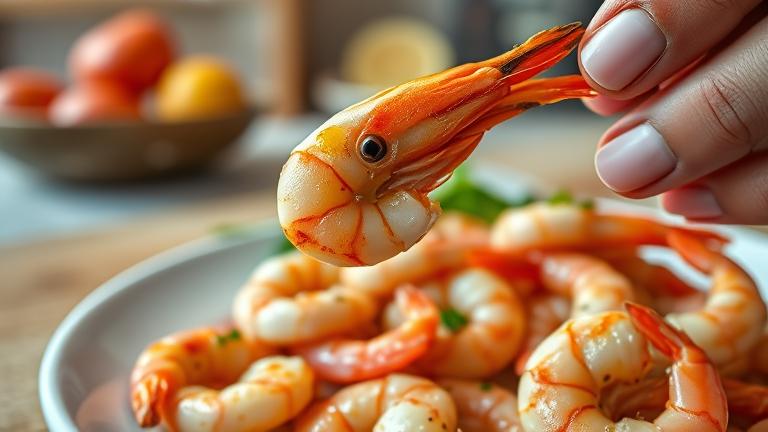
Understanding Shrimp Freshness
Freshness is key when it comes to shrimp. Whether you’re boiling, grilling, or sautéing, fresh shrimp will give your dishes a better flavor and texture. But how can you tell if the shrimp you have is still fresh? Knowing what to look for helps you avoid trying to cook shrimp that might not taste as good or even could cause food safety issues.
First, take a good look at the shrimp. Fresh shrimp should have a translucent, slightly shiny appearance. The shells should look moist and firm, not dry or slimy. When you hold a piece gently, it should feel firm and spring back slightly. If it feels mushy or leaves a slimy coating on your fingers, it’s probably past its prime.
Indicators of Fresh Shrimp
- Color: Fresh shrimp are usually grayish or translucent. If they look yellowish or browned, they may not be fresh anymore.
- Smell: Fresh shrimp should have a clean, ocean-like smell. If you notice a strong fishy or ammoniacal odor, it’s best to put them back.
- Eyes: If buying whole shrimp, check the eyes. They should be clear and shiny, not cloudy or sunken.
- Shells: The shells should be intact and not broken or slimy. Shrimp with cracked shells might have been sitting around too long.
Fresh vs. Spoiled Shrimp
| Aspect | Fresh Shrimp | Spoiled Shrimp |
|---|---|---|
| Color | Translucent, grayish | Yellowish, brown, or dull |
| Smell | Ocean-like, clean | Strong fishy or ammonia smell |
| Appearance | Moist, firm, shiny | Dry, slimy, or sticky |
| Eyes | Clear and shiny | Cloudy or sunken |
| Texture | Springy and firm | Mushy or sticky |
Tips for Buying and Storing Shrimp
- Buy shrimp last during your shopping trip to keep them cold and fresh.
- Check the packaging date or ask the seafood counter about freshness.
- Keep shrimp refrigerated at or below 40°F (4°C) and use within 1-2 days of purchase.
- If you won’t cook them right away, consider freezing the shrimp. Wrap them tightly in plastic wrap or store in an airtight container.
Remember, fresh shrimp make a big difference in aroma, flavor, and safety. When in doubt, trust your senses—if it smells off or looks dull, it’s better to choose a fresher batch. Enjoy cooking your shrimp with confidence, knowing you’re starting with the best quality ingredients!
How to Identify Fresh Shrimp
Finding fresh shrimp is the first step to creating delicious and safe dishes. Fresh shrimp will taste better and have a better texture than those that are starting to spoil. By paying attention to a few simple signs, you can pick the best shrimp at the store or market.
Start by looking at the appearance of the shrimp. Fresh shrimp should have a translucent, shiny shell that looks moist, not dry or dull. The shells should be intact with no black spots or discoloration. If the shells are broken, peeling away easily, or have dark patches, it might be a sign that the shrimp is past its prime.
Next, check the smell. Fresh shrimp will have a mild, ocean-like aroma. It should not smell strongly fishy or sour. A strong, unpleasant odor is a clear sign that the shrimp is starting to spoil. Trust your nose: if it smells off or overly strong, it’s best not to buy or use it.
Then, examine the texture. Gently press the shrimp with your finger. Fresh shrimp should feel firm and spring back when pressed. If it feels slimy, sticky, or mushy, it’s a sign that bacteria may be growing. The shrimp should not be slimy or overly soft; if it is, it’s safer to avoid it.
Another helpful tip is to check the eyes of the shrimp if they are still attached. Fresh shrimp often have clear, shiny eyes that are slightly convex. Cloudy, sunken, or discolored eyes are signs that the shrimp is not fresh anymore.
When buying shrimp from a display, consider the presentation. The shrimp should be kept cold on crushed ice or in a refrigerated case. Avoid shrimp that have been sitting out in the heat or in warm environments, as bacteria multiply quickly at higher temperatures.
Lastly, pay attention to the packaging if buying pre-packaged shrimp. Look for a sell-by or use-by date to ensure freshness. Also, check that the packaging is intact and free from leaks or damage. Discard any packages that look swollen or have an unpleasant odor upon opening.
Keeping these signs in mind can help you select fresh shrimp that will taste better and be safer to eat. When in doubt, trust your senses — appearance, smell, and feel — and it will be easier to avoid shrimp that is past its prime. Fresh shrimp can turn any dish into a tasty and satisfying meal, so it’s worth taking a moment to choose wisely.
Common Mistakes When Cooking Shrimp
Cooking shrimp seems simple, but there are some common mistakes that can turn your tasty seafood into a less enjoyable dish. One of the biggest issues is ending up with a fishy taste, which usually happens when shrimp is not fresh or cooked improperly. Don’t worry—by being aware of these mistakes and how to avoid them, you’ll be able to cook shrimp that tastes delicious and fresh every time.
First, using shrimp that is not fresh can make a big difference. Fresh shrimp should smell like the ocean, not fishy or ammonia-like. Always check for any signs of spoilage before buying or cooking. If the shrimp smell bad or look dull, it’s best to pick a different batch. Remember, fresh shrimp should be firm when touched and have a shiny, translucent appearance.
Another common mistake is overcooking the shrimp. Shrimp cooks very quickly, usually within 2-3 minutes once it hits hot water, grill, or pan. When overdone, it becomes rubbery and tough, losing that tender, juicy texture you want. A good tip is to watch for the color change: raw shrimp is gray, and it turns pink with red or orange accents when cooked. As soon as the shrimp turns opaque and pink, it’s ready to be taken off heat.
Failing to clean and devein the shrimp properly is also a mistake that can influence the taste. The black line running along the back of the shrimp is the digestive tract, which can trap dirt and toxins. If you see it, use a small knife or deveining tool to lift it out gently. Rinsing shrimp thoroughly under cold water after cleaning helps remove any residues that might cause off-flavors.
Many home cooks accidentally over-apply seasoning or use too much salt at the beginning. This can mask the shrimp’s natural flavor and sometimes lead to a salty, fishy taste. To avoid this, season in stages—add salt and spices gradually—and taste as you go. Remember, it’s easier to add more seasoning than to fix an overly salty dish later.
Another mistake is overcrowding the pan or grill, which results in steaming rather than searing the shrimp. When shrimp sits in a crowded pan, the temperature drops, and they release water. This not only prevents browning but can also make the shrimp taste bland. To get that perfect texture and flavor, cook shrimp in a single layer over high heat, turning once when pink and opaque.
Lastly, neglecting to serve shrimp immediately after cooking can affect its freshness. Shrimp is best enjoyed right after it’s cooked, while still warm and juicy. If you need to hold it for a few minutes, keep it covered and warm to prevent it from drying out or developing an off-flavor.
- Use fresh, high-quality shrimp and check for signs of spoilage.
- Cook shrimp quickly, watching for a color change to pink and opacity.
- Devein and rinse shrimp thoroughly for a cleaner taste.
- Season gradually to enhance flavor without overpowering.
- Cook in a single layer over high heat for the best texture.
Proper Shrimp Storage Tips
Storing shrimp properly is essential to keep it fresh, safe to eat, and full of flavor. Whether you just bought a fresh batch from the seafood counter or have leftover cooked shrimp, using the right storage methods will help prevent spoilage and off-flavors. Here are some simple, practical tips to ensure your shrimp stays delicious and safe.
First, it’s important to understand that raw shrimp is highly perishable. Fresh shrimp should be kept cold at all times. If you plan to cook it within a day or two, store it properly in the refrigerator. Cooked shrimp can also be stored and enjoyed later, but with the same careful handling.
Storing Raw Shrimp
- Refrigerate promptly: As soon as you buy fresh shrimp, place it in the coldest part of your fridge. Ideally, store it at or below 40°F (4°C). Do not leave it out at room temperature for more than two hours.
- Keep it in a sealed container or a plastic bag: Store raw shrimp in a shallow, airtight container, or tightly wrap it in plastic wrap or foil. This prevents contamination and helps avoid odors from spreading in your fridge.
- Use ice if needed: If you have a lot of shrimp or want to keep it extra cold, you can place the shrimp in a bowl over crushed ice. Cover it with plastic wrap and drain the melted water regularly to keep everything cold and fresh.
Storing Cooked Shrimp
- Cool quickly: After cooking, let the shrimp cool down to room temperature within two hours, then transfer it to a clean, airtight container.
- Refrigerate promptly: Store cooked shrimp in the fridge at 40°F (4°C) or lower. Consume within three to four days for the best quality and safety.
- Label the container: Always date your leftovers so you know how long they’ve been stored and avoid eating spoiled shrimp.
How Long Can Shrimp Be Stored?
| Type of Shrimp | Frozen | Refrigerated (Raw) | Refrigerated (Cooked) |
|---|---|---|---|
| Fresh Shrimp | Up to 6 months | 1 to 2 days | Not applicable |
| Cooked Shrimp | Up to 6 months | 3 to 4 days | 3 to 4 days |
Tips for Safe Shrimp Storage
- Always check for signs of spoilage: If the shrimp smells sour or ammonia-like, has a slimy texture, or turns grayish, discard it.
- Do not refreeze thawed shrimp: Once thawed, cook and consume within a couple of days. If you need to refreeze, do so only if the shrimp was kept cold and has not been at room temperature.
- Buy in small portions: This way, you can cook or eat what you need without repeatedly thawing and refreezing, which can compromise quality.
By following these simple storage tips, you can enjoy fresh, tasty shrimp while avoiding any risk of spoilage or off-flavors. Proper storage keeps your seafood safe and delicious for your next meal!
How to Clean Shrimp Properly
Cleaning shrimp might seem tricky at first, but it’s an easy step that makes a big difference in how your dish tastes. Properly cleaned shrimp will be free of shells, veins, and any grit, resulting in a cleaner, more enjoyable flavor. Whether you’re preparing shrimp for a pasta, stir-fry, or grilled skewers, following these simple steps will help you get it just right.
First, start with fresh or properly thawed shrimp. Fresh shrimp should smell like the ocean — mild and clean. If they’re frozen, thaw them in the refrigerator or under cold running water. Once ready, you’ll need a few basic tools: a sharp paring knife or kitchen scissors, and a small toothpick or shrimp deveiner if available.
Step-by-step Cleaning Process
- Remove the shell: Hold the shrimp firmly by the tail or head. Gently peel away the shell starting from the legs, working towards the tail. Some prefer to keep the tail on for presentation or easier handling during cooking — just leave it on if you like.
- Devein the shrimp: The “vein” is a dark, thin line running along the back. It’s actually the shrimp’s digestive tract. Though not harmful to eat, it can be gritty and unpleasurable in taste.
- How to devein: Use a small knife or the tip of a deveiner to make a shallow cut along the back of the shrimp. Gently lift out the dark vein with the tip of the knife or toothpick. Rinse the shrimp under cold water to wash away any residual grit.
- Extra cleaning tips: If the shrimp are particularly gritty or slimy, you can soak them briefly in a mixture of water and a little lemon juice or vinegar. This helps eliminate any residual impurities and adds a fresh flavor.
Additional Tips for Perfectly Cleaned Shrimp
- Always use cold water for rinsing. Hot water can start to cook the shrimp slightly or make them tough.
- If you’re preparing a large quantity, line a bowl with paper towels to drain and pat the shrimp dry after cleaning. This ensures they won’t be soggy when cooked.
- Be gentle when peeling or deveining to avoid tearing the shrimp or losing too much of the meat.
- For recipes that call for peeled and deveined shrimp, you can do both at the same time to save effort.
- Store cleaned shrimp in an airtight container in the refrigerator if not cooking immediately. Use within one to two days for the best freshness.
With a little practice, cleaning shrimp becomes quick and straightforward. Taking these steps will help you enjoy shrimp at its best — tender, flavorful, and free of any unwanted textures or flavors. Remember, proper cleaning is the first step toward a delicious meal that everyone will love.
Cooking Methods for Delicious Shrimp
When it comes to cooking shrimp, selecting the right method can make a big difference in flavor and texture. The goal is to enhance the natural sweetness of the shrimp while reducing any fishy or sandy flavors. Luckily, there are several easy and effective ways to do this at home. Whether you prefer boiling, sautéing, grilling, or baking, each technique offers unique benefits and delicious possibilities.
1. Boiling Shrimp
Boiling is one of the simplest ways to prepare shrimp. It’s quick, straightforward, and perfect for making shrimp salads or cocktails. Fill a large pot with water and add salt, lemon slices, and optional spices like bay leaves or peppercorns for extra flavor. Bring the water to a boil.
Once boiling, add the shrimp. Fresh or frozen shrimp work, but make sure they are peeled and deveined for easier eating. Cook the shrimp until they turn pink and are firm, usually 2 to 4 minutes depending on size. Overcooking can make shrimp tough, so keep an eye on them.
Drain the shrimp immediately and rinse with cold water to stop the cooking process. This method locks in flavor and keeps the shrimp tender and juicy.
2. Sautéing Shrimp
Sautéing shrimp is a quick way to add flavor while maintaining a tender texture. Use a skillet or frying pan with a bit of oil, butter, or olive oil. Heat over medium-high heat until hot. Then, add peeled and deveined shrimp.
Cook the shrimp for 2 to 3 minutes on each side, until they turn pink and opaque. Season with garlic, salt, pepper, or your favorite spices during cooking. This method allows for browning, which adds a depth of flavor without overpowering the shrimp’s natural sweetness.
Be careful not to overcrowd the pan, as this can cause steaming instead of browning. Cook in batches if needed for even results.
3. Grilling Shrimp
Grilling gives shrimp a smoky flavor and attractive grill marks. Use skewers or a grill basket to prevent small shrimp from falling through the grates.
Preheat the grill to medium-high. Brush the shrimp with oil and season as desired. Grill for 2 to 3 minutes per side, until pink and slightly charred. Turning frequently prevents burning and ensures even cooking.
Grilled shrimp are perfect for salads, tacos, or serving as an appetizer. Keep an eye on them, as they cook quickly and can overcook easily, becoming rubbery.
4. Baking Shrimp
Baking is a hands-off method that results in evenly cooked, tender shrimp. Preheat your oven to 400°F (200°C). Arrange peeled and deveined shrimp on a baking sheet lined with parchment paper.
Drizzle with oil, then sprinkle with herbs, spices, garlic, or lemon juice for extra flavor. Bake for about 8-10 minutes, or until the shrimp are pink and opaque. This method is great for preparing large batches and works well with breaded or seasoned shrimp recipes.
Tips for Perfect Shrimp
- Fresh shrimp should smell like the ocean, not fishy or sour.
- Do not overcook shrimp. They firm up quickly and become rubbery if cooked too long.
- Pat shrimp dry before cooking to ensure proper browning, especially when sautéing or grilling.
- Consider marinating shrimp briefly in lemon juice or herbs to enhance flavor before cooking.
By choosing the right cooking method for your dish, you can enjoy shrimp that are flavorful, tender, and free from any unwanted fishy taste. Experiment with these techniques to discover your favorites and create delicious meals at home.
Signs of Spoiled or Fishy-Tasting Shrimp
Fresh shrimp should smell clean and slightly salty, like the ocean. If you notice a strong, fishy, or ammonia-like odor, it’s a red flag that the shrimp may be spoiled. Trust your nose—our sense of smell is a good first line of defense when checking seafood freshness.
Beyond smell, look at the appearance of the shrimp. Fresh shrimp should have a translucent, slightly shiny surface. If the shells look dull, discolored, or slimy, it’s best to avoid eating them. Sliminess is a common sign of bacterial growth or spoilage.
Check the texture of the shrimp by gently squeezing it. Fresh shrimp feel firm and spring back when pressed. Soft, mushy, or sticky shrimp indicates they are past their prime. This loss of firmness often coincides with a fishy taste when you cook or eat the shrimp.
Look out for any discoloration or dark spots on the shell or meat. While some pinkish hue is normal for cooked shrimp, areas that look dark or sunken are suspicious. Also, be cautious if the shell is peeling away easily or the meat appears slimy or rotting.
When in doubt, inspect the packaging if buying pre-packaged shrimp. Ensure there is no excessive melting ice, leaks, or foul smell coming from the bag. If the shrimp seem out of date or the packaging is compromised, it’s safer to skip them.
How to Avoid Spoiled Shrimp
- Store shrimp properly: Keep raw shrimp refrigerated at 32°F to 38°F (0°C to 3°C). Use within one or two days of purchase.
- Use or freeze promptly: Cook or freeze shrimp as soon as you get home. If freezing, package it tightly to prevent freezer burn.
- Follow best practices: Thaw frozen shrimp in the fridge or under cold running water, never at room temperature.
Remember, when shrimp develops a fishy smell, slimy texture, or discoloration, it’s safest to discard it. Consuming spoiled seafood can cause food poisoning and unpleasant digestive issues.
By paying close attention to these signs—smell, appearance, and texture—you can enjoy delicious, fresh shrimp every time and avoid unpleasant surprises. Trust your senses, and when in doubt, it’s best to err on the side of caution.