
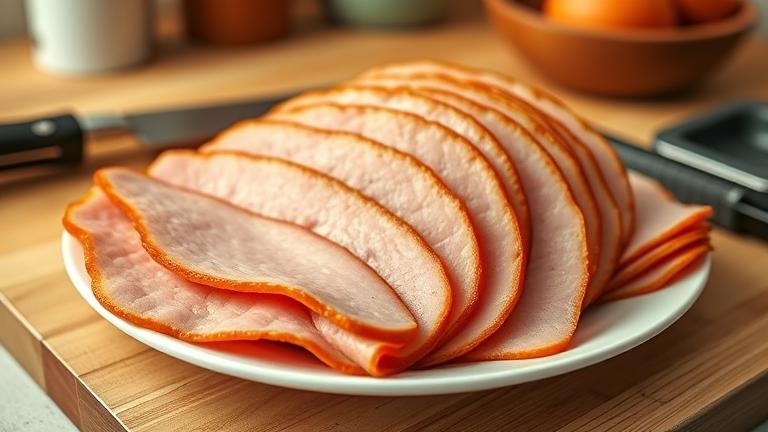
Do You Need to Cook Breakfast Ham?
When it comes to breakfast ham, many people wonder if it needs to be cooked before eating. The answer depends on the type of ham you have. Some hams are pre-cooked and safe to eat right out of the package, while others are raw and need proper cooking to ensure safety and enhance flavor.
One common type of breakfast ham that’s usually ready to eat is honey ham or cooked ham slices. These are pre-cooked during processing, so you can enjoy them cold or warm. If you’re using sliced ham from the grocery store, check the label. It will often say “fully cooked” or “ready to eat.” These can be added directly to sandwiches, salads, or breakfast platters without further cooking.
On the other hand, if you buy raw ham, such as a fresh ham or a bone-in ham labeled “uncooked,” you will need to cook it thoroughly before eating. Cooking raw ham ensures it reaches a safe temperature that destroys harmful bacteria. Using a food thermometer is the best way to confirm doneness. The safe internal temperature for raw hams is typically 145°F (63°C), followed by a resting time of three minutes.
While safety is a top concern, taste also matters. Cooked ham tends to be juicier and more flavorful. Heating pre-cooked ham can enhance its tenderness and bring out richer flavors. Many people prefer to warm ham slices just enough to melt the fats a little. You might bake, sauté, or simmer slices for a few minutes to achieve your desired taste and texture.
Be careful not to overheat pre-cooked ham, as it can dry out. Using a gentle heat, such as in a skillet with a little water or broth, often yields the best results. If you’re reheating, cover the ham to keep it moist and check the temperature regularly.
For raw ham, slow roasting or boiling are common methods. Roasting a large ham takes time but results in a tender, flavorful dish. Always follow specific recipe instructions and safety guidelines. Remember, undercooked ham can harbor bacteria, which is why proper cooking is important for raw types.
Here are some quick tips:
- Always check the label if you’re unsure whether your ham is cooked or raw.
- Use a food thermometer to verify the internal temperature.
- If reheating pre-cooked ham, do so gently inside the oven or skillet.
- For raw ham, plan enough time for thorough cooking, especially if roasting a large piece.
In summary, many breakfast hams are ready to eat without cooking, but raw varieties definitely need proper preparation. Knowing the type of ham you have will help you decide whether to heat it up or enjoy it cold. Always prioritize food safety and taste for the best breakfast experience.
Types of Breakfast Ham Explained
When it comes to starting your day with a hearty breakfast, ham is a popular choice. There are several types of breakfast ham to choose from, each with its own unique qualities. Knowing the differences can help you pick the right one for your meal and cooking style.
Most hams fall into two main categories: pre-cooked and raw. Pre-cooked hams are ready to eat after heating or can be enjoyed cold, making them very convenient. Raw hams, on the other hand, need to be cooked thoroughly before eating to ensure safety and to bring out the best flavor.
Pre-Cooked Hams
- Fully Cooked Ham: This is the most common type sold in stores. It has already been cooked during processing and only needs reheating. You might see it labeled as “cook and serve” or “ready to eat.” These hams often come glazed or smoked, which adds extra flavor.
- Ham Steaks: These are slices cut from a fully cooked ham. They’re quick to prepare and perfect for breakfast. Just heat them in a skillet or microwave and serve with eggs or toast.
Raw Hams
- Fresh Ham: Sometimes called “green ham,” this is a raw, uncooked cut that resembles a pork roast. It requires thorough cooking, usually by roasting or baking, to reach the safe internal temperature of 145°F (63°C). Fresh ham tends to have a mild flavor and tender texture when cooked properly.
- Cure and Smoke Variations: Some raw hams are cured or smoked during processing, but still need to be cooked before eating. Curing adds salt and sometimes sugar, which preserves the meat and enhances flavor.
Specialty Types
There are also specialty hams you might encounter in stores:
- Honey Ham: Usually pre-cooked and glazed with honey for a sweet finish. Great for special breakfasts or weekend brunches.
- Black Forest Ham: A smoked and cured ham from Germany, known for its deep smoky flavor. Often sliced thin for sandwiches but also good heated up.
- Country Ham: A dry-cured, aged ham with a strong, salty flavor. Usually needs soaking before cooking to reduce saltiness and is often baked or fried for breakfast.
Choosing the Right Ham
Deciding which type of breakfast ham to buy depends on your time and taste preferences. For quick mornings, pre-cooked ham or ham steaks are best. If you enjoy a more hands-on cooking process and want a flavorful experience, raw or specialty hams can be very rewarding.
Always check labels to understand if the ham is pre-cooked or raw. Proper storage and handling are key to keeping your ham safe and delicious. Keep pre-cooked hams refrigerated and aim to cook raw hams to the correct temperature to ensure safety and optimal taste.
With so many options, breakfast ham can cater to quick meals and gourmet breakfasts alike. Experiment with different types and enjoy a hearty start to your day.
How to Safely Eat Pre-cooked Ham
Pre-cooked ham is a delicious and convenient choice for many meals, but it is important to handle and eat it safely. Proper handling, storage, and reheating help ensure that your ham remains flavorful and safe to enjoy. Whether you’re preparing it for a family dinner or a holiday feast, following these simple guidelines can make all the difference.
Handling Pre-cooked Ham
Always start with clean hands and utensils when handling pre-cooked ham. Wash your hands thoroughly with soap and water before touching the meat to prevent contamination.
Remove the ham from its packaging carefully. If it’s vacuum-sealed, open it gently to avoid puncturing the meat. Check the ham for any signs of spoilage, such as an unpleasant odor, slimy texture, or discoloration. If anything seems off, discard it.
Storage Tips
Store leftover pre-cooked ham in an airtight container or wrap it tightly with plastic wrap or foil. Keep it refrigerated at 40°F (4°C) or below. Proper refrigeration slows bacteria growth and keeps the ham fresh.
If you don’t plan to eat the ham within 3-5 days, consider freezing it. Wrap it tightly in freezer-safe wrap or foil, or place it in a freezer-safe bag. Label it with the date and use it within 1-2 months for the best quality.
Reheating Pre-cooked Ham
Reheating pre-cooked ham is easy, but it’s important to do so safely. The goal is to bring the ham to an internal temperature of 140°F (60°C) to ensure it’s heated thoroughly.
Use a food thermometer to check the temperature and prevent underheating. Reheat the ham in the oven, microwave, or stovetop, depending on your preference:
- Oven: Preheat to 325°F (163°C). Place the ham in a baking dish, cover it with foil, and heat for about 15-20 minutes per pound until hot throughout.
- Microwave: Slice the ham into smaller pieces for even heating. Cover with microwave-safe lid or wrap. Heat on medium power, stirring or turning occasionally, until the temperature hits 140°F (60°C).
- Stovetop: Slice the ham and warm it in a skillet over medium heat. Add a little broth or water to keep it moist and cover for 5-10 minutes.
Avoid reheating multiple times. Reheat only the portion you plan to eat to minimize bacteria growth and ensure safety.
Additional Tips
- Use a clean meat thermometer each time you reheat.
- Never eat pre-cooked ham that shows signs of spoilage, such as a sour smell or slimy surface.
- Always refrigerate leftovers within two hours of cooking or serving.
- When in doubt, reheat thoroughly or discard leftovers to stay safe.
When to Cook Raw Ham Slices
If you have raw ham slices and are wondering when they need to be cooked, it’s important to identify them and choose appropriate cooking methods. Raw ham slices are typically labeled as “fresh” or “uncooked,” and they can come from different parts of the pig. Usually, retail stores sell these slices in the refrigerated section, often wrapped in plastic or vacuum-sealed to keep them fresh.
Raw ham slices are usually pinkish or reddish in color and have a firm texture. Unlike cooked ham, they won’t have a pink “cooked” appearance and may have a slightly wet or shiny surface. If you’re unsure whether your slices are raw or precooked, check the labels carefully. If it says “raw,” “fresh,” or “uncooked,” they need to be cooked before eating.
Proper cooking is essential not just for taste but also for safety. Raw ham can contain bacteria like Salmonella or Listeria, which can cause illness. Cooking destroys these bacteria and makes the ham safe to eat. The general rule is that raw ham slices should be cooked to an internal temperature of at least 145°F (63°C). Use a reliable meat thermometer to check this during cooking.
When and how to cook raw ham slices depends on your recipe and preference. If you’re planning to include them in a hot dish like a casserole or pasta bake, it’s best to cook or partially cook the slices beforehand. If you want to serve them as part of a breakfast or dinner, it’s best to cook them fully on their own.
- Pan-frying or Searing: This is quick and easy. Heat a little oil or butter in a skillet over medium-high heat. Cook the slices for about 3-4 minutes on each side until browned and cooked through, reaching the safe temperature. This method works well for thin slices.
- Baking or Roasting: Preheat your oven to 350°F (175°C). Place the ham slices in a baking dish, add optional glaze or seasonings. Cover with foil and bake for 20-30 minutes or until fully cooked and heated evenly.
- Boiling or Simmering: In some recipes, you might briefly boil the slices in water or broth for 10-15 minutes. Ensure they are cooked completely and reach the safe internal temperature. This method is good when the slices will be part of soups or stews.
Always remember never to consume raw ham slices unless specifically labeled as ready-to-eat or precooked. When in doubt, check the packaging or consult your butcher. Proper cooking and handling will ensure your ham slices are both safe and flavorful in your meals.
Tips for Proper Ham Storage
Storing ham correctly is essential to keep it fresh, flavorful, and safe for consumption. Whether you have a cooked ham, cured ham, or leftover slices, proper storage prevents spoilage and reduces the risk of foodborne illnesses. Here are some practical tips to handle ham safely and maintain its quality for as long as possible.
Refrigerate Promptly
Once you bring ham home, refrigerate it as soon as possible. Bacteria can grow quickly at room temperature, so don’t leave ham out for more than two hours. If the ham is cooked or sliced, it should be refrigerated within this timeframe. Store it in the coldest part of your fridge, usually near the back.
Use Airtight Containers or Wrap Thoroughly
To prevent ham from drying out or absorbing odors from other foods, store it in airtight containers or wrap it tightly with plastic wrap or aluminum foil. For sliced ham, a resealable plastic bag works well. Whole hams can be wrapped tightly in butcher paper or foil before placing in a container. Proper packaging extends freshness and reduces contamination risk.
Keep at the Right Temperature
Your refrigerator should stay at or below 40°F (4°C). Use a fridge thermometer if needed to verify the temperature. Maintaining the correct cold temperature slows bacterial growth and preserves ham quality. Avoid storing ham in the fridge door, where temperatures can fluctuate more.
Know How Long Ham Can Stay Fresh
| Ham Type | Refrigerator Storage (days) | Freezer Storage (months) |
|---|---|---|
| Cooked Ham, Sliced | 3 to 5 | 1 to 2 |
| Unopened Cured Ham | Up to 2 weeks in fridge; longer in freezer | 6 to 12 |
| Leftover Ham | 3 to 4 | 4 to 6 |
Always check for signs of spoilage before eating ham. If it develops an unpleasant odor, slimy texture, or discoloration, discard it. When in doubt, throw it out to avoid health risks.
Freeze Properly for Longer Storage
If you won’t eat the ham within a few days, freezing is a good option. Wrap it tightly in plastic wrap and then in foil, or use a vacuum sealer if available. Label it with the date to keep track of storage time. Frozen ham maintains good quality for several months, but for best flavor and texture, it’s recommended to consume sooner.
Thaw Safely
Thaw frozen ham in the refrigerator, not at room temperature. This slow process prevents bacterial growth. For quicker thawing, use the microwave’s defrost setting, but cook the ham immediately afterward. Never thaw ham on the counter, as it can lead to unsafe bacterial proliferation.
Practical Tips to Remember
- Always wash your hands before and after handling ham.
- Keep ham separate from raw meats to prevent cross-contamination.
- Label stored ham with the date for easy tracking.
- Ensure your fridge is at the proper temperature with a thermometer.
Common Ham Cooking Techniques
Cooking ham can seem straightforward, but mastering the right techniques makes a significant difference in flavor and texture. Whether baking, frying, or glazing your ham, each method offers unique results. Here, we’ll explore some of the most common ways to prepare ham at home, along with tips to ensure success.
Baking Ham
Baking is one of the most popular and reliable ways to cook ham. It allows for even heat distribution, helping to keep the meat moist and tender. To bake ham, preheat your oven to 325°F (160°C). Place the ham in a roasting pan, fat side up, so the juices bast the meat as it cooks.
If your ham is pre-cooked, your main goal is to reheat it without drying out. This usually takes about 10-15 minutes per pound. For raw ham, cook it to an internal temperature of 145°F (63°C). You can add flavor with a glaze or a seasoning rub.
To prevent it from drying out, cover the ham loosely with foil during the first part of baking. During the last 20-30 minutes, remove the foil and brush on your glaze if desired. Use a meat thermometer to check the internal temperature for perfect doneness.
Frying Ham
Frying ham provides a quick way to develop crispy edges and a smoky flavor. This method is ideal for slices or smaller pieces of ham. Heat a skillet over medium-high heat and add a small amount of oil or butter.
Once the pan is hot, add the ham slices. Cook for about 2-3 minutes on each side until they are golden brown and heated through. Be careful not to overcrowd the pan as it causes uneven browning. Fried ham pairs well with eggs, toast, or breakfast hash. Since the ham is already cooked, the main purpose is to warm and crisp the exterior. Keep a close eye to prevent burning.
Glazing Ham
Glazing adds a sweet, shiny coating that enhances both appearance and flavor. Common glaze ingredients include honey, brown sugar, mustard, or fruit preserves. To glaze ham, apply it during the last 20-30 minutes of baking or grilling.
Brush the glaze generously over the ham and return it to the oven or grill. Repeat every 10 minutes for a thick, flavorful coating. Be cautious not to add the glaze too early, as the sugars can burn quickly. For extra flavor, sprinkle cloves or herbs before glazing. This step can make your ham look festive and taste even better. Remember, glazing is about building layers of flavor, so don’t hesitate to be generous with your brush!
- Tip: Always let your ham rest for about 10 minutes after cooking to retain juices.
- Tip: Use a meat thermometer to ensure accurate cooking and avoid over or under-drying.
- Tip: Different cuts may have slightly varying cooking times; refer to package instructions if available.
Frequently Asked Questions About Ham
How do I cook ham properly?
Cooking ham properly ensures it stays juicy and flavorful. The method depends on the ham type—pre-cooked, glazed, or raw. For pre-cooked ham, reheating in the oven at a low temperature, around 275°F (135°C), for about 10-15 minutes per pound is common. For raw or uncooked ham, you need to cook it thoroughly to an internal temperature of 145°F (63°C) and let it rest for several minutes before slicing. Always use a meat thermometer to confirm doneness. Avoid overcooking, which makes ham dry, by monitoring your time and temperature closely.
What is the best way to store ham after purchasing?
Proper storage keeps ham fresh and safe. Keep unopened ham in the refrigerator at or below 40°F (4°C), preferably in its original packaging. Once opened, wrap it tightly with plastic wrap, foil, or store in an airtight container. Leftover cooked ham should be refrigerated within two hours and eaten within 3-4 days. For longer storage, freeze ham by wrapping it tightly and labeling with the date. Frozen ham keeps good quality for 1-2 months and remains safe indefinitely at 0°F (-18°C).
How can I tell if ham has gone bad?
Check ham for spoilage signs before use. Fresh ham should have a pinkish color and moist appearance. If it develops a slimy texture, a sour smell, or discoloration such as gray or brown, discard it. Mold growth, especially if fuzzy or discolored, indicates spoilage. Trust your senses—if anything seems off, it’s best to throw it away to avoid foodborne illness.
Can I glaze ham before or during cooking?
Yes, glazing adds flavor and a shiny finish. It’s best to apply the glaze during the last 20-30 minutes of baking or grilling to prevent burning. Brush the glaze onto the ham every 10 minutes, building layers of sweetness and flavor. Common glaze ingredients include honey, brown sugar, Dijon mustard, and fruit preserves. Be cautious not to glaze too early, as the sugars can caramelize and burn quickly.
What are some common mistakes to avoid when cooking ham?
- Overcooking, which results in dry, tough meat.
- Not using a thermometer, leading to guesswork or incorrect doneness.
- Not letting cooked ham rest before slicing, which causes juice loss.
- Applying sugary glazes too early, risking burning.
- Purchasing ham past its expiration date or with signs of spoilage.
Keeping these tips in mind will help you enjoy delicious, safe ham every time. For beginners, starting with a precooked, spiral-cut ham simplifies the process. With experience, you’ll gain confidence in handling and cooking ham to perfection.