
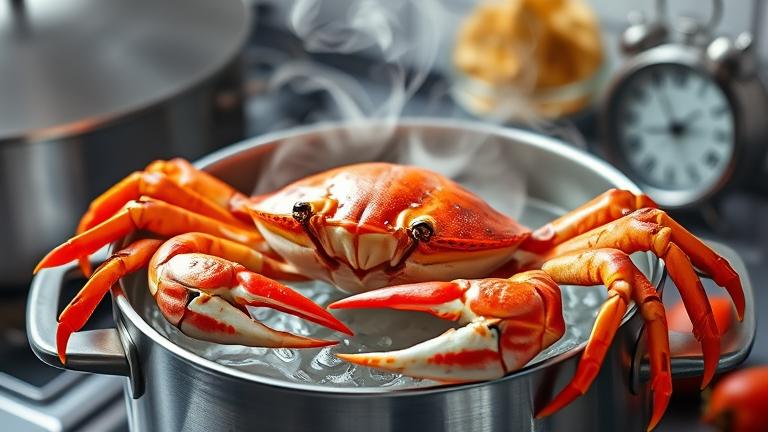
How to Prepare Crab for Cooking
Getting a crab ready for cooking can seem a bit intimidating at first, but with some simple steps, you’ll have it cleaned and prepared in no time. The key is to clean the crab thoroughly so it’s safe to eat and ready for your favorite recipes. Whether you plan to boil, steam, or bake it, starting with a clean crab makes all the difference in the final flavor and texture.
Before you begin, gather some basic tools: a large pot, a sharp knife, and a brush or scrub pad. Make sure to work in a clean area and handle raw seafood carefully to avoid cross-contamination. It’s also a good idea to keep a bowl of ice nearby to chill the crab if needed.
Step 1: Choosing Your Crab
Always select fresh, lively crabs if you’re buying live. Look for crabs with a firm shell, active movements, and a clean smell. Avoid crabs with broken shells or a strong, foul odor. If you’re using frozen crabs, ensure they are properly stored and fully thawed before cleaning.
Step 2: Killing and Handling the Crab
For the most humane approach, place the crab in the freezer for about 15 to 20 minutes. This temporarily puts the crab into a dormant state, making it easier and more humane to handle. Alternatively, you can kill it quickly by inserting a sharp knife behind the crab’s eyes and cutting through the center of the head. This method also prepares the crab for cleaning.
Step 3: Cleaning the Crab
Start by removing the apron, which is the small tab on the underside of the crab. Flip the crab onto its back and lift the apron with your fingers or a knife, then pull it away. Next, rinse the crab under cool running water to wash away dirt and debris. Use a brush to scrub the shell gently but thoroughly, especially around the joints and claws. This process ensures the crab is clean and ready for the next steps.
Step 4: Removing the Gills and Innards
Flip the crab back on its belly and locate the gills, which look like feathery, beige or grayish pieces on either side of the body. Carefully lift and discard them. Removing the innards helps improve the flavor and texture of the meat. Use your knife to cut open the main shell for easier access if you plan to clean further.
Step 5: Final Rinse and Storage
Rinse the crab once more to ensure all loose debris, dirt, and leftover innards are washed away. If you’re not cooking right away, store the cleaned crab in an airtight container or wrap it tightly in plastic wrap. Keep it refrigerated and cook within 24 hours for the best freshness.
- Tip: Wearing gloves can protect your hands from sharp edges and hand odor.
- Tip: Some people like to soak the crab briefly in salt water or vinegar to purge any remaining impurities.
- Tip: If you prefer soft-shell crab, you’ll want to remove the entire shell after cleaning.
Best Cooking Methods for Crab
Cooking crab is a fun way to enjoy a tasty seafood meal. Whether you prefer the classic boil, the gentle steam, or the flavorful bake, each method brings out a different taste and texture. In this section, we’ll explore the best ways to cook crab so you can choose the one that suits your style and tools.
Boiling Crab
Boiling is one of the most popular ways to cook crab. It’s simple, quick, and helps preserve the crab’s natural sweetness. To start, fill a large pot with enough water to cover the crabs. Add salt, spices, or aromatics like bay leaves, lemon slices, or Old Bay seasoning for extra flavor.
Bring the water to a rolling boil. Carefully add the cleaned or live crabs to the water. Cover the pot and cook for about 10-15 minutes, depending on the size. The crab is done when the shell turns bright orange or red. To prevent overcooking, check the water level often and make sure the crabs stay submerged.
Once cooked, drain the crabs and serve immediately. Boiled crab pairs well with melted butter, garlic sauces, or lemon wedges for a delicious finish. Remember, freshness is key, so try to buy live crabs or fresh ones when possible.
Steaming Crab
Steaming is another gentle method that helps keep the crab moist and tender. This method is especially good if you want to keep the natural crab flavor intact. You’ll need a large pot with a steaming rack or basket inside.
Fill the bottom of the pot with about 2 inches of water and bring it to a boil. Place the crabs on the rack or basket, making sure they are not sitting directly in the water. Cover tightly with a lid. Steam small to medium crabs for about 10 minutes, larger ones may take up to 15-20 minutes.
The shell turns bright orange and the meat becomes firm when done. Keep an eye on the water level to prevent burning or drying out. Steamed crab is excellent served with dipping sauces like melted butter or spicy aioli. It’s also a favorite for seafood boils and special occasions.
Baking Crab
Baking crab is a flavorful way to infuse the meat with spices and herbs. This method is great for stuffing crab shells or preparing a cheesy crab bake. Start by preheating your oven to 375°F (190°C).
Clean the crabs and remove the top shell if desired. Mix your preferred seasonings, herbs, breadcrumbs, and cheese to create a stuffing or topping. Place the crabs in a baking dish and spread the mixture over them. Cover with foil to keep the moisture in.
Bake for about 20-25 minutes, until the crab meat is heated through and the topping is bubbly and golden. Baking offers a rich, savory flavor and is perfect for special meals or when making stuffed crab dishes. Always keep an eye on the bake time to avoid overcooking the delicate meat.
Tips for Perfect Crab Cooking
- Use fresh or live crabs for better flavor and texture.
- In all methods, avoid overcooking, which can make the meat tough.
- Adding aromatics like lemon or herbs during cooking enhances flavor.
- Allow the cooked crab to rest for a few minutes before serving.
- Always handle hot crabs carefully and use tongs for safety.
Ideal Boiling Time for Crab
When cooking crab, getting the timing right is essential to enjoy it at its best. Overcooking can make the meat tough and rubbery, while undercooking might leave the crab unsafe to eat. The ideal boiling time depends on the size and type of crab, so let’s explore how to perfect your cooking process.
Generally, fresh whole crabs are boiled until they turn a bright orange or red color, indicating they are cooked through. As a rule of thumb, the boiling times vary mostly by weight and species. The most common types are blue crabs, Dungeness crabs, and king crabs, each requiring slightly different times.
For small crabs, such as blue crabs weighing around 1 to 1.5 pounds, boil for about 10 to 12 minutes. These crabs cook quickly because of their size, and they should turn vivid orange when ready. If you’re cooking multiple crabs in the same pot, make sure not to overcrowd it, as this can lower the water temperature and increase cooking time.
Medium-sized crabs, like Dungeness crabs weighing between 2 to 3 pounds, need about 15 to 20 minutes in boiling water. Again, the sign that they are done is their bright orange shell and cooked meat inside. For larger king crabs, which can weigh over 5 pounds, expect boiling times around 20 to 30 minutes. These giant crabs need a bit more time to reach perfection.
Here’s a simple table to help you remember the boiling times:
| Crab Type | Weight | Boiling Time |
|---|---|---|
| Blue Crab | 1-1.5 pounds | 10-12 minutes |
| Dungeness Crab | 2-3 pounds | 15-20 minutes |
| King Crab | Over 5 pounds | 20-30 minutes |
A few practical tips: Use plenty of water with enough salt to mimic seawater, which helps season the crab naturally. Bring the water to a rolling boil before adding the crab. Once you add the crab, start timing immediately. Do not overcook—it’s better to check a crab a minute or two early than to risk tough meat.
A good way to test if your crab is ready is to look at the shell’s color; bright orange or red is a good sign. You can also check the meat by pulling out a leg; if the meat is opaque and firm, it’s done. Remember that crabs continue to cook slightly after you remove them from boiling water, so quick removal once the time is up is best.
By matching the boiling time to your specific crab’s size and type, you’ll enjoy a delicious, perfectly cooked crab every time.
Tips for Perfect Crab Cooking
Cooking crab can be a fun and rewarding experience, especially when you want tender, flavorful meat. Whether you’re boiling, steaming, or grilling, there are some simple tips that can help you achieve the best results every time. With a few tricks up your sleeve, you’ll impress family and friends with perfectly cooked crab.
First, choose quality crabs. Fresh crabs are always the best option because they have the most flavor and texture. If fresh isn’t available, high-quality frozen crabs can also work well. Make sure to keep them cold and cook them soon after purchase for the best taste.
Before cooking, it’s recommended to clean the crabs. Gently rinse them under cold water to remove any dirt or debris. For larger crabs, you might want to remove the gills, which look like feathery gray bars on the sides. This step isn’t mandatory but helps improve the flavor and makes eating more enjoyable.
Choosing the Right Cooking Method
Boiling and steaming are the most common ways to cook crab. Each method has its benefits:
- Boiling: Quick and efficient. It allows the crab to absorb the seasoned water, enhancing flavor.
- Steaming: Better for preserving the crab’s delicate texture and flavor. It also reduces the risk of overcooking.
Grilling or baking crab is a delicious option too, especially if you want a smoky flavor or are preparing crab legs for a special meal.
Using the Right Seasoning and Liquids
For boiling or steaming, use plenty of seasoned water. Common ingredients include salt, lemon slices, bay leaves, and old bay seasoning. A good rule is to add 4-6 quarts of water with at least 1/4 cup of salt for every dozen crabs.
If you’re boiling, add aromatics like garlic, onions, or herbs to the water to infuse the crab with extra flavor. For steaming, place herbs or lemon wedges on top of the steaming rack to add aroma.
Timing is Key
Crab cooks quickly. Overcooking can make the meat tough and rubbery. As a general guide:
- Boiling or steaming whole crabs usually takes about 15-20 minutes for medium-sized crabs.
- Crab legs and clusters generally take 5-8 minutes.
Once the crab turns a bright orange or red, it’s usually done. If you’re unsure, use a food thermometer. The internal temperature should reach at least 145°F (63°C).
Cooling and Serving
After cooking, transfer crabs to a bowl of ice water or run cold water over them. This halts the cooking process and keeps the meat tender. Let them cool for a few minutes before cracking open and enjoying.
Tip: For easier cracking, refrigerate cooked crabs for about 30 minutes. It makes the shells firmer and easier to handle. Remember to serve with drawn butter, lemon wedges, or your favorite sauces for an extra flavor boost.
- Avoid overloading the pot with too many crabs at once, which can lower the water temperature and result in uneven cooking.
- Don’t forget to discard any crabs that have a strong ammonia smell or look discolored.
- Always prioritize safety by cooking crabs to the right temperature and handling seafood properly.
Common Mistakes When Cooking Crab
Cooking crab can seem simple, but even small mistakes can affect the flavor and texture. Whether you’re boiling, steaming, or grilling, avoiding common pitfalls will help you enjoy perfectly cooked crab every time. Here are some frequent errors to watch out for and tips on how to prevent them.
1. Overcooking or Undercovering the Crab
This is one of the most common mistakes new cooks make. Overcooking crab can make the meat tough and rubbery, while undercooking leaves it unsafe to eat. To avoid this, pay attention to timing and color. Usually, crab is done when it turns a bright red-orange and the meat becomes firm. A good rule of thumb is to boil or steam crab for about 10 minutes per pound. Use a timer and check the crab’s color and texture before removing it from the heat.
2. Not Using Enough Water or Salt
If you’re boiling crab, using too little water can lead to uneven cooking. Make sure there’s enough water to fully submerge the crab, with an inch or two extra for boiling action. Adding salt to the water, roughly 2 to 3 tablespoons per quart, enhances the flavor and mimics seawater. Without enough salt, the crab may taste bland or dull.
3. Ignoring Freshness and Storage
Freshness is key when cooking crab. Buying dead or spoiled crab can result in poor flavor and food safety issues. Always buy from reputable sources and check for a sweet, ocean-like smell. Store live crab in a cool, moist environment if you’re not cooking them immediately, and plan to cook within 24 hours for the best results. If using cooked crab, keep it refrigerated and consume within 2 to 3 days.
4. Rushing the Shell Opening Process
Trying to crack or open the shell before the crab is fully cooked can make the process more difficult and messier. Wait until the crab is done cooking; its shell will turn bright red and the meat will be easier to remove or crack open. Using the right tools, like crab crackers or picks, can make this step more manageable without damaging the meat.
5. Overloading the Cooking Vessel
Cooking several crabs at once in a crowded pot can lead to uneven cooking. Each crab needs space for heat to circulate evenly. If you’re cooking multiple crabs, do it in batches or use a larger pot. This ensures all crabs are cooked uniformly and are safe to eat.
6. Not Adding Flavoring or Seasonings
Crab has a delicate flavor that can be dulled if you skip on seasonings. Beyond salt, try adding lemon, garlic, bay leaves, or Old Bay seasoning to the cooking water. These enhance the natural sweetness of the crab without overpowering it. After cooking, you can also serve with melted butter or dipping sauces for extra flavor.
- Use precise timing to prevent overcooking.
- Check freshness before purchasing.
- Use enough water and salt for flavor and proper cooking.
- Allow the crab to fully cook before cracking open.
- Cook in small batches if needed for even results.
By paying attention to these common mistakes and following these tips, you’ll be able to cook crab that tastes fresh, tender, and perfectly seasoned every time. Enjoy your seafood feast without the stress!
Crab Cooking FAQs
How long should I cook crab?
Cooking time for crab depends on its size and the method you choose. Generally, for whole crabs, boiling or steaming takes about 10 to 20 minutes. If you’re cooking smaller pieces or crab legs, it might only take 5 to 10 minutes. It’s important not to overcook because crab can become tough and lose flavor.
As a rule of thumb, crab is done when it turns a bright orange or red color. The meat should also be opaque and easy to separate from the shell. To avoid undercooking, slightly increase the time if the crab is very large or if you are unsure.
What is the best method to cook crab?
There are several popular ways to cook crab, including boiling, steaming, baking, and grilling. Each method enhances different flavors and textures. Boiling and steaming are the most common and easiest for beginners.
Boiling is simple: fill a large pot with salted water, add spices if you like, and bring it to a boil. Add the crab carefully and cook for the recommended time. Steaming is similar but involves placing the crab in a steamer basket above boiling water, which preserves more of the crab’s natural flavor.
Baking and grilling are good options if you want a smoky flavor or plan to serve crab as part of a dish like crab cakes. Wrap the crab in foil or place it on a hot grill, cooking until the shell turns red and the meat is heated through.
Is it safe to eat crab cold or should it be hot?
Crab can be enjoyed both hot and cold, depending on your preference and the recipe. If you’ve cooked crab but are serving it later, the safest way is to refrigerate it promptly within two hours after cooking.
To reheat cooked crab, steaming or gently microwaving works well. Avoid leaving cooked crab out at room temperature for too long, as bacteria can grow quickly. If crab has been stored properly in the fridge, eating it cold or reheated is safe and tasty.
Are there any safety tips I should keep in mind?
- Buy fresh crab from trusted sources to ensure quality and safety.
- Keep live crabs refrigerated if you’re not cooking right away, ideally within 24 hours of purchase.
- When boiling or steaming, make sure the water is rolling boil before adding the crab.
- Cook all types of crab thoroughly; undercooked crab can cause foodborne illnesses.
- Use a food thermometer if you’re unsure — the internal temperature should reach at least 145°F (63°C).
By following these tips and understanding the basics of crab cooking times and methods, you can serve delicious, safe crab every time. Whether you prefer it hot from the stove or cold in a salad, proper preparation makes all the difference!
How to Know When Crab Is Done
Cooking crab properly is key to enjoying its sweet, tender meat. Knowing when crab is done can seem tricky at first, but with a few simple indicators, you’ll be able to tell if it’s perfectly cooked and safe to eat. Whether you’re boiling, steaming, or baking crab, watch for these signs to get it just right.
The most reliable indicator that crab is done is its color. When fully cooked, the shell turns a vibrant shade of orange or bright red. If the shell looks dull or grayish, it needs a bit more time to cook. Keep in mind, live crabs will often turn a darker color as they cook, so this change is a good visual cue.
Another sign is the texture of the meat inside. After cooking, the meat should be firm and opaque. If you gently pull away a piece of leg or claw and it’s still translucent or jelly-like, it needs a little longer. Once the meat turns white and feels firm to the touch, it’s a good sign it’s fully cooked.
Temperature is a precise way to check crab doneness, especially if you want to be exact. Use a meat or instant-read thermometer and insert it into the thickest part of the crab leg or shell. Cooked crab should reach an internal temperature of 145°F (63°C). If it’s below that, give it a few more minutes. Be careful not to overcook, as this can make the meat tough.
Timing can also help you estimate doneness, but it varies based on the size of the crab and your cooking method. As a general guide, boiling or steaming crab typically takes about 10-15 minutes for medium-sized crabs. When the shell changes color and the meat is firm, it’s usually done. For larger crabs, extend the cooking time accordingly.
To avoid undercooking or overcooking, set a timer and check the indicators. If you’re uncertain, it’s better to cook just a little longer than to serve undercooked crab, which can pose food safety risks. Remember, once cooked, crab should be consumed within a couple of days if stored properly in the refrigerator.
- Keep an eye on the shell color — bright red or orange is a good sign.
- Check the meat inside — it should be opaque and firm.
- Use a thermometer — aim for 145°F (63°C).
- Adjust cooking time based on crab size and method.
With these tips, you’ll confidently know when your crab is perfectly cooked and ready to enjoy. Taking just a few extra moments to check these signs ensures a delicious, safe seafood experience every time.