
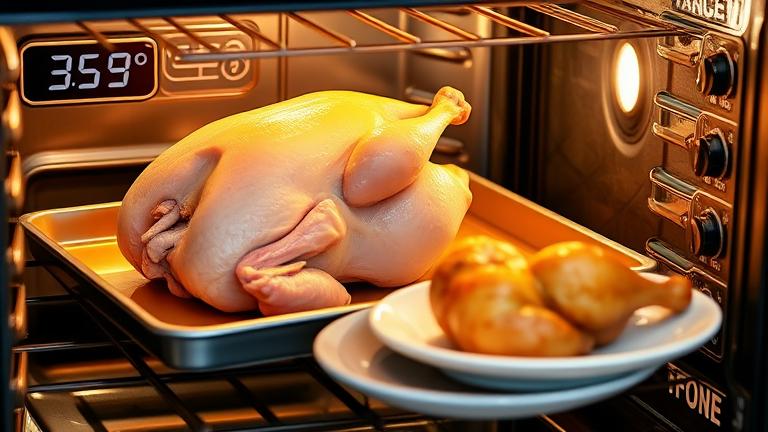
Ideal Cooking Times for Chicken at 375°F
Knowing how long to cook chicken at 375 degrees Fahrenheit is key to making sure it turns out juicy, flavorful, and safe to eat. Whether you’re roasting a whole chicken or baking chicken breasts, following these guidelines helps avoid overcooking or undercooking your meat.
At 375°F, the cooking time depends mainly on the cut and size of the chicken. For example, different parts like breasts, thighs, or a whole bird require different durations. Keep in mind that oven temperatures can vary slightly, so always check for doneness with a reliable method like a meat thermometer.
Cooking Times for Chicken Parts
| Chicken Part | Cooking Time at 375°F | Internal Temperature for Safety |
|---|---|---|
| Boneless, skinless chicken breasts | 20 to 25 minutes | 165°F (74°C) |
| Bone-in chicken breasts | 30 to 40 minutes | 165°F (74°C) |
| Boneless, skinless chicken thighs | 25 to 30 minutes | 165°F (74°C) |
| Bone-in chicken thighs | 40 to 45 minutes | 165°F (74°C) |
| Chicken drumsticks | 45 to 50 minutes | 165°F (74°C) |
These times are approximate. The best way to ensure your chicken is perfectly cooked is to use a digital meat thermometer. Insert it into the thickest part of the meat without touching the bone. When the internal temperature reaches 165°F, your chicken is safe and ready to enjoy.
Cooking a Whole Chicken
For a whole chicken roasted at 375°F, plan for about 20 minutes per pound. So, a 4-pound bird will take around 80 minutes. It’s crucial to check the internal temperature in the thickest part of the thigh. When it hits 165°F, the chicken is done, and you can rest it for a few minutes before carving.
Tips for Perfectly Cooked Chicken
- Always use a meat thermometer to avoid guessing based on time alone.
- Let the chicken rest for about 5 minutes after removing from the oven. This helps juices redistribute for more flavor and tenderness.
- Avoid opening the oven door too often, which can affect cooking times and temperature.
- If the chicken skin is not crispy enough, broil it for a few minutes at the end of cooking, but watch closely to prevent burning.
By following these guidelines, you’ll have delicious, perfectly cooked chicken at 375°F every time. Remember, oven times are a guide, and checking internal temperature is the most reliable way to guarantee safety and quality.
Tips for Perfectly Cooked Chicken
Cooking chicken to perfection can seem tricky, but with a few simple tips, you can enjoy juicy, tender results every time. Whether you’re roasting, grilling, or baking, proper technique makes all the difference. Let’s explore some practical ways to elevate your chicken cooking game.
1. Season Generously and Properly
Good seasoning is key to flavorful chicken. Before cooking, season your pieces evenly with salt, pepper, and any preferred herbs or spices. Don’t be afraid to add garlic, paprika, or lemon zest for extra flavor. For even coverage, pat the chicken dry first, then rub the seasonings into the meat. Marinating the chicken for at least 30 minutes can also boost taste and juiciness.
2. Use a Reliable Meat Thermometer
Checking the internal temperature is the most accurate way to tell if your chicken is done. Insert a meat thermometer into the thickest part of the meat, avoiding bone. Chicken is cooked safely at 165°F (75°C). When the thermometer reads this temperature, your chicken is perfectly done and safe to eat. Avoid cutting into the meat to check doneness, as this releases juices and can make the chicken dry.
3. Maintain Consistent Oven Calibration
Oven temperature accuracy varies from one oven to another, which can cause uneven cooking. To ensure your oven is calibrated correctly, use an oven thermometer placed inside during preheating. If the displayed temperature is off by more than 10°F, adjust your oven’s settings or calibrate it following your manufacturer’s instructions. Proper temperature control leads to even cooking and juicy results.
4. Cook at the Right Temperature
For roasting or baking, set your oven to a moderate temperature, around 375°F (190°C). This helps brown the chicken nicely without drying it out. For grilling or pan-frying, use medium-high heat to sear the exterior and lock in juices. Avoid cooking on too high heat, which can burn the outside while leaving the inside undercooked.
5. Use the Right Cooking Times and Techniques
Timing varies based on the cut and size of chicken pieces. For example, bone-in thighs typically take 40-45 minutes at 375°F, while boneless breasts cook faster, around 20-25 minutes. Use your meat thermometer as your guide rather than relying solely on time. Rest the chicken for a few minutes after cooking; this allows juices to redistribute, ensuring juicy, tender meat.
6. Don’t Overcrowd Your Pan
If you’re pan-searing or roasting, give each piece enough space. Overcrowding can trap moisture, steaming the chicken instead of browning it. Use a large enough pan or baking dish, and turn or rotate the pieces during cooking if needed. Proper spacing promotes even cooking and prevents soggy chicken.
7. Learn from Mistakes and Adjust
Don’t get discouraged if your chicken isn’t perfect the first time. Keep notes on what worked and what didn’t. Common issues like dryness or uneven cooking can be corrected with adjustments in time, temperature, or seasoning. Practice makes perfect!
- Always wash your hands and utensils after handling raw chicken to avoid cross-contamination.
- Let the chicken rest for 5-10 minutes after cooking before slicing. This helps retain its juices.
- Use a thermometer for the most reliable results, especially for larger cuts or whole chickens.
Step-by-Step Roasting Guide
Roasting chicken at 375°F is a simple and delicious way to prepare a flavorful meal. Whether you’re a beginner or looking for a reliable method, this guide walks you through each step to ensure your chicken turns out juicy and perfectly cooked.
Preparing the Chicken
Start by selecting a whole chicken or chicken parts, such as breasts, thighs, or drumsticks. Rinse the chicken under cold water and pat it dry with paper towels. Removing excess moisture helps the seasoning stick and promotes even browning.
Next, remove any giblets or innards if they are inside the cavity. You can save these for gravy or discard them. Check the chicken for any excess fat or skin that you’d like to trim for a leaner meal. Place the chicken on a clean surface, ready for seasoning.
Seasoning the Chicken
For flavor, apply a layer of olive oil or melted butter all over the chicken. This step helps the seasonings adhere and creates a crispy skin. Then, season generously with salt, pepper, and your favorite herbs and spices. Popular choices include paprika, garlic powder, thyme, or rosemary.
For a more flavorful crust, you can also rub minced garlic under the skin or add lemon slices inside the cavity. If you prefer, marinate the chicken for a couple of hours beforehand for extra flavor, but it’s fine to roast immediately if you’re short on time.
Roasting the Chicken
Preheat your oven to 375°F (190°C). Place the seasoned chicken on a roasting pan or a baking dish. For even cooking, position the chicken breast-side up and make sure there’s space around it for air to circulate.
Roasting time depends on the size of the chicken. A general rule of thumb is about 20 minutes per pound. For example, a 4-pound chicken will take approximately 80 minutes to cook. Use a meat thermometer to ensure it reaches an internal temperature of 165°F (74°C) in the thickest part of the thigh.
If you notice the skin browning too quickly, loosely tent the chicken with aluminum foil to prevent burning while the inside finishes cooking.
Checking for Doneness and Safety
Always check the temperature with a meat thermometer, inserted into the thickest part of the thigh without touching the bone. Remember, the chicken is safe to eat when it reaches 165°F (74°C).
Once cooked, remove the chicken from the oven and let it rest for about 10–15 minutes before carving. Resting allows the juices to redistribute, resulting in a moist and tender dish. During this time, the temperature may rise a few more degrees, ensuring perfect doneness.
Serving and Storage Tips
Carve the chicken carefully and serve with your favorite sides. For leftovers, store the cooled chicken in an airtight container in the refrigerator for up to 3 days. You can also freeze cooked chicken for longer storage, typically up to 4 months.
Remember to reheat leftovers thoroughly to 165°F or until steaming hot for safe consumption. Roasting chicken at 375°F is quick, reliable, and yields a tasty meal every time. Happy roasting!
How to Check If Chicken Is Done
If you’re cooking chicken, it’s important to make sure it is fully done before serving. Undercooked chicken can be unsafe to eat, while overcooked chicken can be dry and tough. Luckily, there are simple ways to tell if your chicken has reached the perfect doneness.
Two main methods are used to check if chicken is cooked thoroughly: visual cues and internal temperature measurements. Using a combination of these can give you the best results and ensure your chicken is safe and delicious.
Visual Indicators
Start by inspecting the chicken’s appearance. Properly cooked chicken should have a white or opaque color throughout. The juices should run clear when you cut into it. Pink or red tones inside the meat often mean it needs more time to cook.
If you’re cooking chicken breasts, slices should appear firm and look white all the way through. For drumsticks or thighs, the same applies, but keep in mind that darker meat might be slightly more forgiving on the outside, so check the inside carefully.
Another visual cue is the texture. Cooked chicken should feel firm to the touch. If it’s still rubbery or jiggly, it might need more cooking. Be cautious, though, as some pinkness in the meat on the surface does not necessarily mean it’s undercooked, especially with certain cooking methods or marinades. Always double-check with other methods.
Using an Internal Temperature
The most reliable method to test if chicken is cooked thoroughly is by measuring its internal temperature with a meat thermometer. Insert the thermometer into the thickest part of the chicken, avoiding bones, which can give false readings.
According to food safety guidelines, chicken should reach an internal temperature of 165°F (74°C) to be considered safe to eat. When your thermometer reads this temperature, you can be confident your chicken is cooked all the way through.
It’s a good idea to check temperature at different points, especially if you’re cooking large pieces like whole chickens. Once the thermometer hits 165°F, you can remove the chicken and let it rest for a few minutes. Resting allows juices to redistribute, keeping the meat moist and tender.
Additional Tips for Perfectly Cooked Chicken
- Use a reliable digital meat thermometer for accurate readings.
- Check the temperature in multiple spots, especially in thick areas.
- Remember that vegetables or stuffing cooked inside chicken can affect cooking times; ensure those parts also reach 165°F.
- If you don’t have a thermometer, cut into the thickest part and look for opaque, white meat with clear juices.
- Always allow cooked chicken to rest for a few minutes before slicing or serving to keep it juicy.
By combining these visual checks and temperature tests, you’ll be able to cook chicken safely and to perfection. Practice these methods regularly, and soon, checking if chicken is done will become second nature. Happy cooking!
Common Mistakes in Cooking Chicken
Cooking chicken might seem simple, but it’s easy to make mistakes that affect the flavor and safety of your meal. Many home cooks end up with dry, undercooked, or even unsafe chicken if they aren’t careful. Knowing what to watch out for can help you turn out juicy, perfectly cooked chicken every time.
One common mistake is cooking chicken at too high heat. When you crank up the temperature, the outside cooks faster than the inside. This can result in a burnt exterior but a still-raw inside, which is not safe. To prevent this, cook chicken over medium heat or follow recipe guidelines for oven temperatures. Using a food thermometer can be a big help here to check doneness without guessing.
Another mistake is overcooking chicken, especially chicken breasts. Since chicken breast has very little fat, it tends to dry out quickly if left on the heat for too long. To avoid dry meat, remove chicken from heat as soon as the internal temperature reaches 165°F (75°C). Resting the chicken for a few minutes after cooking allows the juices to redistribute, keeping the meat moist.
On the flip side, undercooking chicken is a serious safety risk. Chicken must reach an internal temperature of 165°F to kill bacteria like Salmonella. Don’t rely solely on color—sometimes undercooked chicken looks pink or shiny. Use a reliable digital food thermometer to check the thickest part of the meat. This ensures you cook the chicken safely and evenly.
Another mistake many make is not properly tenderizing or pounding the chicken. Thin, even pieces cook faster and more uniformly. If chicken pieces are uneven in thickness, the thinner parts may dry out before the thicker parts are cooked through. Use a meat mallet or rolling pin to gently flatten thick pieces, ensuring even cooking.
Additionally, not seasoning chicken properly can lead to bland results. Chicken on its own has a mild flavor, so don’t forget to add salt, herbs, or marinades. Marinating chicken for at least 30 minutes before cooking helps improve flavor and juiciness. Remember, salt also helps the meat retain moisture.
Lastly, storing chicken improperly can cause spoilage or foodborne illness. Always refrigerate raw chicken at 40°F (4°C) or lower and use it within 1-2 days. If you’re not planning to cook it right away, freeze it in airtight packaging. Proper storage helps prevent bacteria growth and keeps your chicken fresh and safe to eat.
In summary, avoid cooking chicken at too high a temperature, overcooking or undercooking, skipping proper seasoning, and improper storage. Using a thermometer, flattening uneven pieces, and storing chicken correctly are practical steps that lead to better results. With these tips, your chicken will turn out tender, flavorful, and safe to enjoy every time.
Variations: Bone-In vs. Boneless
When cooking chicken pieces at 375 degrees Fahrenheit, one of the first decisions you’ll need to make is whether to choose bone-in or boneless cuts. Both types have their unique qualities, and understanding the differences can help you prepare a delicious and perfectly cooked meal.
Bone-in chicken pieces, like thighs, drumsticks, or breasts, have the bone still attached. This adds extra flavor and moisture during cooking. The bone conducts heat, which can help the meat stay juicy. Boneless pieces, on the other hand, are usually easier to handle and quicker to cook. They’re great for faster meals or recipes where you want a neater presentation.
Cooking Times and Techniques
At 375 degrees Fahrenheit, bone-in chicken will generally take longer to cook than boneless. For example, bone-in thighs typically need about 45 to 50 minutes. Bone-in breasts may require 50 to 60 minutes. The bone acts as a heat conductor, slowly releasing heat into the meat, which means it stays tender and moist but takes more time.
Boneless chicken pieces, like chicken breasts or tenders, usually cook faster. In the oven at 375°F, boneless breasts might be ready in about 25 to 30 minutes. Tenders or small boneless cuts might need just 20 to 25 minutes. Since there’s no bone to slow the process, keep a close eye to prevent overcooking and drying out the meat.
Tips for Perfect Results
- Use a meat thermometer: Check that the internal temperature reaches 165°F for safe and juicy chicken. The thermometer can help you avoid under- or overcooking.
- Adjust cooking times: Remember that bone-in pieces generally need about 10-20 minutes longer than boneless. Always verify doneness with a thermometer.
- Consider cooking methods: Bone-in pieces lend themselves well to roasting, baking, or grilling. Boneless cuts are versatile and can be quickly baked, pan-fried, or sautéed.
- Use marination or brining: For boneless chicken, marinating can add moisture and flavor. Bone-in cuts benefit from similar flavor enhancements during marination before cooking.
Common Mistakes to Avoid
- Cooking boneless chicken at too high a temperature, which can cause it to dry out quickly.
- Not adjusting cooking time based on the presence of bones, leading to undercooked or overcooked chicken.
- Removing chicken from the oven before it reaches the safe internal temperature, risking food safety.
Summary
In summary, choosing between bone-in and boneless chicken at 375°F depends on your time constraints and desired flavor. Bone-in pieces take longer but often stay juicier and more flavorful thanks to the bone. Boneless cuts cook faster and are great for quick meals or when you want easy-to-eat pieces. Using a meat thermometer and adjusting cooking times accordingly ensures your chicken turns out tender, safe, and delicious every time.
FAQs About Cooking Chicken at 375 Degrees
If you’re wondering how to cook chicken at 375 degrees Fahrenheit, you’re in the right place. This temperature is a popular choice because it helps cook chicken evenly while keeping it juicy and tender. Below, you’ll find answers to common questions home cooks ask about this cooking method.
Is 375 Degrees a Good Temperature to Cook Chicken?
Yes, 375 degrees Fahrenheit is a great choice for baking or roasting chicken. It is hot enough to ensure the chicken cooks through without drying out. This temperature also helps achieve crispy skin on parts like thighs or drumsticks, while keeping the meat moist inside.
Compared to higher temperatures, 375 provides a slower, more even cook. It reduces the risk of burning the outside before the inside is fully cooked. This makes it ideal for various chicken recipes, whether you’re roasting a whole chicken or baking chicken pieces.
How Long Should I Cook Chicken at 375 Degrees?
The cooking time depends on the type, size, and cut of chicken. Here are some general guidelines:
- Boneless, skinless chicken breasts: 20-30 minutes
- Bone-in chicken thighs or drumsticks: 35-45 minutes
- Whole chicken: about 20 minutes per pound
Always check for doneness with a meat thermometer. The USDA recommends an internal temperature of 165 degrees Fahrenheit for safely cooked chicken.
What Temperature Should I Use to Check If Chicken Is Done?
The best way to know if your chicken is cooked thoroughly is to use a meat thermometer. Insert it into the thickest part of the meat, avoiding bones where the temperature might read higher.
Once the thermometer shows 165 degrees Fahrenheit, your chicken is safe to eat. This ensures it is fully cooked and has reached the proper temperature to kill harmful bacteria.
Can I Cover the Chicken While Cooking at 375 Degrees?
Covering chicken during baking can help keep it moist, especially if you’re cooking for longer periods. Using foil or a baking lid traps steam and prevents moisture from escaping.
However, if you want crispy skin, it’s better to leave it uncovered in the last few minutes of cooking. This allows the skin to crisp up nicely while the inside stays tender.
Are There Any Tips for Juicy and Flavorful Chicken?
Absolutely! Here are some practical tips:
- Marinate or season: Let the chicken soak in herbs, spices, or marinade for at least 30 minutes before baking.
- Use a meat thermometer: Avoid overcooking, which can dry out the meat.
- Let it rest: After removing from the oven, let your chicken sit for 5 minutes. This helps the juices redistribute and keeps the meat moist.
Watching your cooking time and temperature closely can make all the difference in the final result. Just remember that oven temperatures can vary slightly, so use a thermometer for the most accurate results.
Are There Any Common Mistakes to Avoid?
Yes, a few common errors can affect your chicken’s outcome:
- Cooking at too high or too low a temperature, leading to uneven cooking or dryness.
- Skipping the use of a meat thermometer, risking under or overcooking.
- Not letting the chicken rest after baking, which can cause the juices to escape when cut.
- Overcrowding the baking dish, which can increase cooking time and prevent even browning.
Pay attention to these tips, and you’ll be better prepared to cook perfect chicken every time at 375 degrees.