
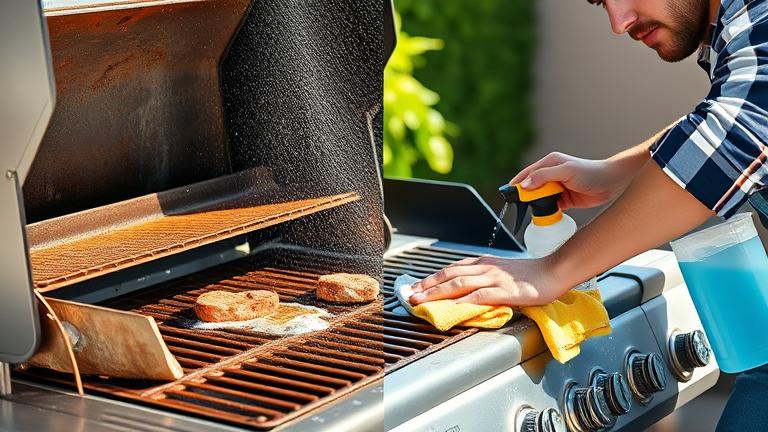
Assessing the Dirt and Grime
When it comes to cleaning your gas grill, the first step is to assess how much dirt and grime has built up. This helps you decide the best cleaning method and focus on the areas that need it most. A quick inspection saves time and ensures your grill is safe and ready for your next cookout.
Start by turning off the grill and letting it cool completely if it was recently used. Once cool, take a good look at the cooking surface, burners, and exterior. Look for grease, food residues, rust, or any dark, sticky spots that might be hiding grime. Pay special attention to the grates, as they often accumulate the most build-up.
Identify Problem Areas
- Cooking Grates: Food drips and grease tend to stick here. If they look black or coated in char, it’s time for a deep clean.
- Burner Tubes: These can get clogged with grease and debris, affecting flame quality and heat distribution.
- Grease Drip Tray: Grease can accumulate and become sticky or even cause flare-ups if not cleaned regularly.
- Exterior Parts: Surfaces like panels, knobs, and handles can get greasy or dusty over time.
Check for Rust and Corrosion
Look carefully at all metal parts for signs of rust or corrosion. Rust can weaken the grill’s structure and impact cooking safety. If you spot rust, note it so you know which parts need scrubbing, sanding, or replacing.
Assess the Level of Dirt
In some cases, grime is light and mainly dust or dried food. For light dirt, a simple wipe-down with a damp cloth might be enough. But if you see thick layers of grease or charred food, you’ll need a more thorough cleaning process, possibly involving scrubbing or chemical cleaners.
Determine Cleaning Approach
Based on your assessment, pick the appropriate cleaning method:
- Light Cleaning: Use a grill brush and warm soapy water for quick wipes and brushed-offs.
- Heavy Build-up: Consider using a grill cleaner or a mixture of baking soda and water to break down tougher grime.
- Rust or Corrosion: Light sanding or using a rust remover may be necessary. Always follow safety instructions on chemical products.
Evaluating the dirt and grime carefully helps prevent damage and ensures your grill is hygienic and safe for cooking. Plus, taking a little time to inspect makes cleaning easier and more effective in the long run.
Gather Your Cleaning Tools
Before you start cleaning your gas grill, it’s important to gather all the necessary tools and supplies. Having everything ready will make the process easier, safer, and more effective. With the right tools, you can keep your grill in top shape and ready for your next barbecue adventure.
First, you’ll need a good grill brush. Look for one with sturdy brass or stainless steel bristles. Wooden or nylon brushes are gentle but might not clean as thoroughly. A brush with a long handle keeps your hands away from the heat and grime, making it safer to scrub those hard-to-reach spots. Some brushes come with a scraper on the back, which is handy for stubborn residue on the grates.
Next, gather cleaning solutions. Mild dish soap mixed with warm water works well for general cleaning. For tougher grease and carbon build-up, use a degreaser specially designed for grills. Always check the label to ensure it’s safe for use on cooking surfaces. For racks and removable parts, a vinegar solution can help break down grease without harsh chemicals. Keep some baking soda nearby as a natural abrasive if needed, especially for tough spots.
You’ll also want some soft cloths or rags for wiping and drying. Microfiber cloths are perfect because they are gentle and absorbent. A plastic scraper can be helpful for loosening stuck-on debris without scratching the surface. For safety, have a pair of heat-resistant gloves ready. They protect your hands when handling hot parts or cleaning close to the flames.
Other helpful items include a small bucket for soaking parts, a wire brush for cleaning around burners, and a toothpick or small brush to clear out tiny holes in the burners. Some people also keep a bottle of cooking oil or spray to re-season the grates after cleaning, which helps prevent rust and promotes better heat distribution.
It’s a good idea to set up your workspace in a well-ventilated area. Cleaning inside the garage or outdoors usually works best. Keep all your tools within arm’s reach so you don’t have to move back and forth during cleaning. This setup makes the process smoother and less messy.
- Inspect your tools regularly for wear or damage, replacing anything that’s worn out.
- Always read the instructions on cleaning products to use them safely and effectively.
- Wear appropriate safety gear, especially gloves and eye protection, when using chemical cleaners.
By gathering these essential tools beforehand, you’ll be ready to give your gas grill a thorough and safe clean. Proper maintenance not only extends the life of your grill but also ensures your food tastes great every time.
Pre-Cleaning Preparation
Before you dive into deep cleaning your grill, taking some simple pre-cleaning steps can make the process easier and safer. Proper preparation helps prevent accidents and ensures that your grill gets thoroughly cleaned without any hassle.
Safety Precautions First
Always start by making sure the grill is completely turned off and cooled down. If you’ve just finished cooking, give it at least 30 minutes for it to cool to avoid burns. If your grill is fueled by propane or charcoal, disconnect or turn off the gas and remove the propane tank to prevent any leaks or accidents. Wearing gloves and safety goggles can protect your hands and eyes from grease splatters and cleaning solutions. Also, work in a well-ventilated area to avoid inhaling fumes from cleaning products or leftover smoke residues.
Remove Accessories and Parts
Next, take out all removable components like grates, burners, grease trays, and warming racks. Removing these parts makes it easier to clean each piece thoroughly and helps you access hard-to-reach areas inside the grill. Place the accessories on a sturdy surface or in a sink filled with warm, soapy water for pre-soaking. This step can loosen grease and food debris, making scrubbing much easier.
Pre-Soaking Components
If your grill accessories have stubborn grease or built-up grime, pre-soaking is a smart move. Fill a bucket or sink with hot water and add a degreasing dish soap or a specialized grill cleaner. Submerge the grates and other removable parts and let them soak for about 15 to 30 minutes. This softens the grime and makes scrubbing much less effort. For extra stubborn spots, you can sprinkle some baking soda or use a scrub brush after soaking.
Additional Tips for a Smooth Cleaning Process
- Gather all your cleaning supplies in advance, such as brushes, rags, bucket, and cleaning sprays.
- Check your grill manual for any specific cleaning recommendations or restrictions.
- Put on old clothes or an apron, because cleaning can get messy.
- Inspect your grill for rust or damage that might need repair before cleaning.
Taking these simple steps before you start deep cleaning your grill can save you time and frustration. Plus, it creates a safer environment and ensures your grill stays in tip-top shape, ready for your next cookout.
Deep Cleaning the Grill Grates
Keeping your grill grates clean is key to getting the best flavor and making your grilling experience enjoyable. Over time, grease, food particles, and baked-on residue can build up, affecting the taste of your food and the longevity of your grill. Deep cleaning the grill grates removes stubborn grime and ensures they are ready for your next cookout.
Before you start, make sure your grill is turned off and completely cooled down. Safety first! Gather your cleaning tools and supplies, including a grill brush, steel wool, a scraper, and a good degreasing cleaner or dish soap with hot water. Using the right tools helps to avoid damaging the delicate surface of your grates while effectively removing built-up grime.
Step-by-Step Deep Cleaning Process
- Remove the grates: Carefully lift the grill grates out of your grill and place them on a stable surface. This makes it easier to access all sides for a thorough cleaning.
- Brush off loose debris: Use a stiff-bristled grill brush or a scraper to remove loose food particles and grease. Brush in the direction of the grate bars to avoid damaging the surface.
- Soak the grates: Prepare a cleaning solution of hot water mixed with a few drops of dish soap or a degreasing cleaner. Submerge the grates in the solution and let them soak for 15–30 minutes. This helps loosen baked-on residue and grime.
- Scrub the grates: After soaking, take a scrub brush, steel wool, or a scouring pad and scrub all surfaces of the grates. Pay special attention to corners and tough spots. For stubborn, baked-on grease, use a bit of baking soda mixed with water as a gentle abrasive.
- Rinse thoroughly: Rinse the grates with clean water to remove soap, grease, and loosened residue. Make sure no soap remains, as it can affect the flavor of your next grilling session.
- Dry and inspect: Dry the grates with a clean cloth or paper towels. Inspect for any remaining grime or rust spots. If needed, repeat the scrubbing process on stubborn areas.
- Optional: Season the grates: Before reinstalling, lightly coat the grates with cooking oil. This helps prevent rust and creates a non-stick surface for future grilling.
Tips for Effective Deep Cleaning
- Always wear gloves to protect your hands from hot surfaces and cleaning agents.
- Use natural cleaners like baking soda or vinegar if you prefer eco-friendly options.
- Perform a deep clean at least once a season or more often if you grill frequently.
- Avoid using harsh metal tools that can scratch or damage the grate surface.
- Regularly brush the grates after grilling to prevent heavy build-up and make deep cleaning easier over time.
If you notice rust spots after cleaning, gently sand them away with fine steel wool and apply a thin layer of cooking oil to protect the surface. Deep cleaning your grill grates not only keeps your food tasting better but also extends the life of your equipment. With a little effort, your grill will stay in top shape for many delicious meals to come!
Cleaning the Burner Area
Keeping the burner area clean is key to ensuring your stove works efficiently and safely. Over time, food spills, grease, and dirt can build up around the burners, potentially causing blockage or flare-ups. Regular cleaning helps prevent these issues and keeps your cooking area neat and safe.
Before you start, make sure the stove is turned off and completely cooled down. This helps prevent burns or accidents. Gather a few simple supplies: dish soap, warm water, a soft brush or old toothbrush, and a cloth or sponge. For stubborn grime, a little baking soda or vinegar can work wonders.
Step-by-Step Cleaning Process
- Remove the grates and burner caps. Carefully lift them off. Most grates and caps are dishwasher safe, but check your manufacturer’s instructions if you’re unsure.
- Soak the parts. Place the grates and burner caps in warm, soapy water. Let them soak for 10-15 minutes to loosen grease and debris. This makes scrubbing easier later.
- Clean the burners. Using a soft brush or toothbrush, gently scrub the burners to remove any dirt or food stuck in the small holes. Be careful not to damage the delicate parts. If you notice any clogged holes, use a toothpick or pin to clear them.
- Wipe down the surrounding area. Use a damp cloth with a little dish soap to clean the surface around the burners. Pay attention to any spills or stains.
- Scrub the grates and burner caps. After soaking, use a scrub brush or sponge to remove stubborn grease. Rinse them well with water and dry thoroughly to prevent rust.
- Reassemble the stove. Once all parts are clean and dry, put the burners back in place. Make sure everything fits properly before turning the stove back on.
Tips for Preventing Blockages and Debris Buildup
- Clean spills immediately to prevent buildup and burning-on food.
- Check the burner holes regularly and clear any clogs.
- Use a soft brush or pin instead of metal tools that could damage the burners.
- Keep the area dry and dry any remaining water after cleaning to avoid rust.
- Perform a deep clean once a month if you cook frequently.
Safety Reminders
Always unplug the stove or turn off the gas supply before cleaning. Never use abrasive or harsh chemicals that might damage your stove or leave harmful residues. If you notice persistent issues like uneven flames or difficulty lighting, it might be time to call a professional for servicing.
Cleaning the Exterior and Shelves
Keeping the outside surfaces and shelves of your grill clean is an important part of maintaining its appearance and ensuring it stays in good shape. Regular cleaning not only makes your grill look nicer but also helps prevent rust and buildup that can affect how it cooks. Don’t worry if it seems like a big task — with a few simple steps, you can keep your grill looking fresh and functioning well for years.
Start by gathering your cleaning supplies. You’ll need mild dish soap, warm water, a soft cloth or sponge, a scrub brush for tougher spots, and a clean dry towel. If your grill has stubborn grease or grime, a mixture of baking soda and water can act as a gentle abrasive to help loosen dirt without damaging the surface. For stainless steel parts, a special stainless steel cleaner can give a shiny finish.
First, turn off your grill and make sure it’s completely cool before you start cleaning. This helps prevent burns and makes the process safer. Begin by removing any loose debris from the exterior and shelves. Use a brush or a damp cloth to wipe away crumbs, dust, or residue. Pay special attention to corners and crevices where dirt tends to hide.
Next, mix a few drops of dish soap with warm water in a bucket or bowl. Dip your soft cloth into the soapy water and gently wipe down the outside surfaces and shelves. Don’t forget to clean the handles, knobs, and any other parts that are frequently touched. These areas can collect fingerprints and grease over time. For stubborn spots, gently scrub with a soft brush or sponge, but avoid using steel wool or harsh abrasives that could scratch the surface.
If you notice grease or grime that won’t come off easily, make a paste of baking soda and water. Apply it to the tough spots and let it sit for a few minutes. Then, gently scrub with a damp cloth or sponge. Rinse the cloth frequently and wipe away any residue to keep the surface shiny and clean.
After wiping everything down, rinse your cloth in clean water to remove soap or baking soda leftover. Go over the surfaces again to eliminate any cleaning residue. Then, dry all parts thoroughly with a clean, dry towel. This step is especially important on metal parts to prevent rust formation.
To keep your grill looking its best, consider giving it a quick exterior wipe after each use. Regular cleaning prevents buildup and makes deep cleaning easier later on. Also, store your grill in a covered area or use a weatherproof cover if it’s outdoors. This extra protection can keep dust, dirt, and weather damage at bay.
If your grill has any chrome or stainless steel parts, avoid using steel wool or steel brushes, as they can scratch the surface. Instead, always opt for soft cloths and recommended cleaners.
Regularly checking and cleaning the outside and shelves means your grill stays inviting and ready for your next barbecue. Plus, a neat grill makes outdoor cooking more enjoyable and safer. A little routine maintenance can save you time and effort in the long run.
Tips for Maintaining a Clean Grill
Keeping your gas grill clean is essential for tasty, safe, and hassle-free outdoor cooking. Regular maintenance not only helps your grill look good but also extends its lifespan and ensures it performs at its best. Here are some friendly and practical tips to keep your grill in pristine condition.
1. Clean the Grates After Every Use
After each grilling session, it’s a good idea to clean the grates while they are still warm. Use a wire brush or a grill cleaning tool to scrub off food residue and grease. This prevents buildup that can become harder to remove later. If your grates are removable, soak them in warm soapy water for a few minutes before scrubbing. Regular cleaning helps prevent rust and keeps your food from sticking.
2. Do a Deep Cleaning Periodically
Every few months, give your grill a thorough cleaning. Start by disconnecting the propane tank and turning off the gas supply. Remove the grates and soak them in warm, soapy water. Use a scraper to remove built-up grease from the inside of the grill. Don’t forget to check and clean the burners, making sure they are free of blockages. Using a brush or a toothbrush is perfect for cleaning small holes and slots. Deep cleaning keeps your grill functioning well and prevents flare-ups caused by grease buildup.
3. Empty and Clean the Drip Tray
The drip tray catches grease and juices that run off the meat. If it fills up, grease can spill over and cause fires or odors. Remove the tray regularly and clean it with hot, soapy water. Check for any rust or damage, and replace it if needed. Keeping the drip tray clean helps prevent unpleasant smells and keeps your grill safe to use.
4. Check and Clean the Burners
Clogged burners can cause uneven heat and flare-ups. Remove the burners and inspect the holes for debris or spider webs. Use a thin wire or a paperclip to clear any blockages gently. When reinstalling, make sure they sit securely. Properly functioning burners ensure consistent cooking and reduce the risk of fire hazards.
5. Cover Your Grill When Not in Use
Weather elements like rain, sun, and wind can cause rust and corrosion over time. Investing in a good-quality grill cover is a simple but effective way to protect your grill. Make sure your grill is cool and dry before covering it. This routine care helps maintain its appearance and prevents unnecessary repairs.
6. Keep the Exterior Clean
Wipe down the outside of your grill regularly with a damp cloth and mild soap. This removes dirt and keeps the surface looking nice. Avoid harsh chemicals that might damage the finish. A clean exterior contributes to the overall longevity of your grill and makes outdoor cooking more enjoyable.
7. Perform a Spring and Fall Prep Routine
At the start and end of each outdoor cooking season, do a comprehensive check-up. Inspect all parts, tighten loose screws, and apply high-temperature paint if needed. For winter storage, consider disconnecting the propane tank and storing it in a dry place. Proper seasonal care prevents problems and ensures your grill is ready to use when the weather warms up.
- Always read your grill’s manufacturer instructions for specific cleaning tips.
- Use natural or non-toxic cleaners to avoid contaminating food surfaces.
- Keep small parts and tools organized in a safe place for easy access.
By following these simple routines, you can keep your gas grill in top shape and enjoy countless delicious meals outdoors. Regular upkeep might take a few extra minutes, but it saves money and prevents headaches in the long run. Happy grilling!