
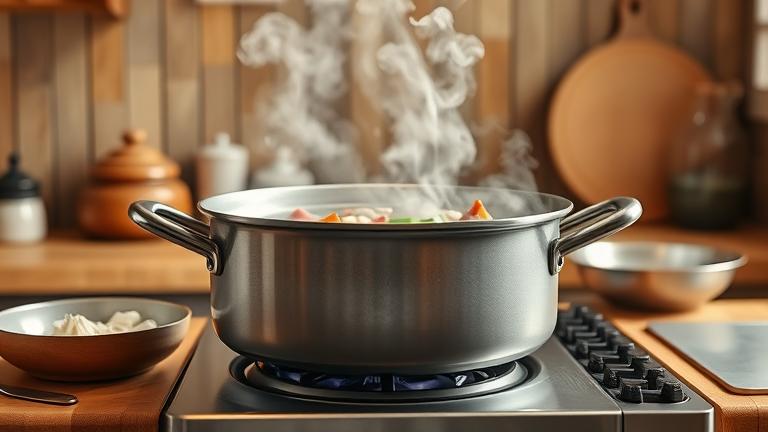
Introduction to Wet Heat Cooking
Wet heat cooking is a popular method in the culinary world that uses moisture, such as water, broth, or steam, to cook food. This technique involves cooking food in a liquid or with the application of steam, which helps to tenderize ingredients and extract rich flavors. Whether you’re making a hearty stew or gently poaching eggs, wet heat cooking offers a gentle and effective way to prepare food.
Many home cooks favor wet heat methods because they are often simple, forgiving, and produce tasty results. These techniques are especially useful for delicate foods like fish or eggs, which can fall apart or overcook easily with dry heat. Using moisture also helps prevent food from drying out, making it ideal for tenderizing tougher cuts of meat or infusing flavors into ingredients.
Wet heat cooking techniques vary widely, but all share the common factor of moisture transfer. Steaming, boiling, poaching, simmering, and braising are some of the most common methods. Each technique differs slightly in temperature and cooking time, allowing you to customize the process depending on what you’re preparing. For example, steaming is quick and gentle, great for vegetables, while braising is slow and done at lower temperatures, perfect for tougher cuts of meat.
One of the key reasons wet heat cooking has remained popular is its versatility. You can prepare everything from delicate sauces to filling soups, and even desserts like bread puddings. Additionally, it often requires minimal equipment — a pot, a lid, and a heat source — making it accessible to most kitchens.
Another benefit of wet heat cooking is that it allows flavors to meld together over time. As food cooks in its liquid, spices and seasonings dissolve and infuse, creating richer tastes. This is why stews and slow-cooked dishes develop deep, complex flavors that can’t be achieved with dry heat alone.
In summary, wet heat cooking is about using moisture to cook food gently and evenly. It’s a technique that balances practicality with delicious results, making it a cornerstone in many culinary traditions. As you explore further, you’ll discover various techniques that use moisture in different ways, each suitable for different types of dishes and ingredients. Starting with an understanding of wet heat lays a solid foundation for your cooking journey.
Types of Wet Heat Cooking Methods
Wet heat cooking methods use water, steam, or liquids to cook food gently and evenly. These techniques are perfect for tenderizing, adding moisture, and preserving flavor. Understanding the differences between steaming, boiling, simmering, poaching, and blanching helps you choose the right method for your dishes.
Steaming
Steaming involves cooking food using the steam from boiling water. It’s a gentle way to cook vegetables, fish, dumplings, and more without losing nutrients. To steam, place your food in a perforated basket or on a steaming rack above boiling water. Cover with a lid to trap the steam.
This method is great for preserving the color, texture, and nutrients of delicate ingredients. It’s also a healthy choice since no fats or oils are needed. Keep in mind that steaming is ideal when you want to cook food quickly and maintain its natural flavor.
Boiling
Boiling occurs when water reaches 212°F (100°C) at sea level. It’s a straightforward way to cook pasta, potatoes, eggs, and tougher meats. To boil, submerge your food fully in boiling water and cook until tender.
Boiling helps break down fibers in ingredients, making them soft and easy to eat. Be careful not to overcook delicate foods, as prolonged boiling can cause them to fall apart or lose flavor. Use a large pot with enough water to prevent overcrowding, which can alter cooking times.
Simmering
Simmering involves cooking food just below boiling point, usually between 185°F to 205°F (85°C-96°C). Small bubbles gently rise to the surface, creating a calm cooking environment. This method is perfect for making soups, stews, and braised dishes.
Simmering slowly breaks down tougher cuts of meat and melds flavors together. To simmer, bring your liquid to a boil, then reduce the heat so the bubbles become small and gentle. Adjust the temperature as needed to keep a steady simmer without boiling vigorously.
Poaching
Poaching is a very gentle cooking method where food is cooked slowly in liquid below boiling point, usually around 160°F to 180°F (71°C-82°C). It’s ideal for fragile items like eggs, fish, or fruit, which might fall apart with more intense heat.
Use flavorsome liquids like broth or seasoned water, and ensure the food is fully submerged. Keep the temperature steady and avoid stirring too much, as delicate foods can be easily damaged. Poaching preserves the moisture and softness of the ingredients.
Blanching
Blanching involves briefly boiling food, then quickly cooling it in ice water to halt the cooking process. This technique is often used for vegetables before freezing or peeling fruits like tomatoes and peaches.
Blanching helps lock in color, texture, and nutrients, and makes peeling easier. To do this, boil the food for a short time—usually 1 to 5 minutes—then transfer to ice water immediately. It’s a simple step that enhances the quality of prepared ingredients.
- Choose the right method based on your ingredient’s delicacy and the desired outcome.
- Maintain proper water levels and temperatures for consistent results.
- Always be cautious with hot water to avoid burns and accidents.
Steaming: Gentle Heat for Delicate Foods
Steaming is a popular cooking method that uses gentle heat to cook food thoroughly without using extra fats or oils. It’s especially great for delicate foods like vegetables and fish because it preserves their flavor, texture, and nutrients. If you’re looking for a healthy way to cook, steaming is a simple and effective choice.
Unlike boiling or frying, steaming cooks food with hot vapor generated by boiling water. This gentle process ensures that foods don’t become mushy or overcooked, making them perfect for maintaining their natural qualities. When done correctly, steaming results in tender, moist, and flavorful dishes that are both nutritious and visually appealing.
Basic Setup for Steaming
To get started, you’ll need a few basic tools. A steaming basket or rack that fits inside a pot is ideal. You can also use a bamboo steamer or an electric steamer device. Just make sure your equipment has enough space for the food to sit above the boiling water without touching it.
Fill your pot with about 1 to 2 inches of water. The water should not touch the food when placed on the steaming rack or basket. Place the food in the basket, making sure not to overcrowd, so steam can circulate freely and cook everything evenly.
Steaming Process
- Bring the water to a gentle boil over medium heat. You’ll see steam starting to rise from the pot.
- Once boiling, carefully place the steaming basket over the water. Cover the pot with a lid to trap the steam inside.
- Allow the food to cook for the appropriate amount of time. Vegetables usually take 3 to 10 minutes, while fish may take 5 to 15 minutes depending on thickness.
- Check doneness by piercing the food gently with a fork or skewer. It should be tender but not falling apart.
- Carefully remove the basket, avoiding hot steam. Serve immediately for the best flavor and texture.
Benefits of Steaming
- Retains most of the nutrients, vitamins, and minerals in foods.
- Helps keep foods moist and tender.
- Requires little or no added fats, making it a healthier option.
- Preserves the natural flavors of ingredients.
- Easy to clean and uses minimal equipment.
Tips for Perfect Steaming
- Always use fresh ingredients for the best results.
- Don’t overfill the steaming basket. Leave space for steam to circulate.
- Check the water level during long steaming sessions and add more if needed to prevent burning.
- Experiment with herbs and spices in the steaming water for subtle flavor infusions.
- Use a fork or timer to avoid overcooking delicate foods like fish, which can become dry if steamed too long.
Steaming is a simple, healthy, and effective method to prepare foods with minimal fuss. With a little practice, you’ll be able to enjoy perfectly cooked vegetables, fish, and more, all while keeping their natural goodness intact.
Boiling and Simmering Basics
Boiling and simmering are two fundamental cooking techniques that use hot water or broth to prepare food. Understanding the differences between these methods helps you cook more evenly and get the best results in your recipes. Whether you’re making soup, pasta, or delicate sauces, mastering these techniques is key.
What is Boiling?
Boiling occurs when the liquid reaches its highest temperature, which is 212°F (100°C) at sea level. At this point, vigorous bubbles rapidly rise to the surface and break. When you bring water or broth to a boil, it’s a fast and effective way to cook ingredients quickly. Examples include boiling pasta, hard-boiling eggs, or blanching vegetables.
What is Simmering?
Simmering happens at a slightly lower temperature, usually between 185°F and 205°F (85°C to 96°C). You see gentle bubbles rising slowly and breaking just beneath the surface. Unlike boiling, simmering is a calmer, more controlled method. It’s perfect for cooking tender meats, making stews, or developing flavors over time without overcooking them.
Techniques for Boiling and Simmering
- Starting the process: Fill your pot with water or broth and place it on the stove over medium-high heat. Cover the pot to help it heat up faster.
- Watching for the bubbles: For boiling, wait until the water reaches full, rolling bubbles. For simmering, look for small bubbles gently rising and breaking the surface.
- Adjusting heat: Once boiling, you can turn down the heat to maintain a simmer. For delicate foods like eggs, keep the temperature low. For pasta or vegetables, maintain a steady boil.
Temperature Guide
| Technique | Temperature Range | Bubbles |
|---|---|---|
| Boiling | 212°F (100°C) at sea level | Rapid, large bubbles |
| Simmering | 185°F – 205°F (85°C – 96°C) | Gentle, small bubbles |
Common Uses in Cooking
Boiling is ideal for pastas, potatoes, and blanching vegetables, which need quick cooking. It also helps in sterilizing jars and certain cleaning techniques. Simmering works well for heartier dishes like stews, braised meats, and homemade stocks, where slow cooking develops rich flavors and tenderizes tougher cuts of meat.
Tips for Perfect Boiling and Simmering
- Use a lid: Covering the pot can help the liquid heat up faster and stay at a consistent temperature.
- Watch your heat: Keep the temperature appropriate for what you’re cooking to prevent over- or under-cooking.
- Don’t overcrowd: Adding too many ingredients at once can lower the temperature and disrupt the process.
- Stir carefully: Stirring during boiling is fine for pasta or grains, but avoid stirring delicate foods during simmering to prevent breaking apart.
By mastering these basics, you’ll be able to cook a variety of dishes with confidence. Remember, patience and observation are your best friends in boiling and simmering alike. With a little practice, you’ll find these techniques become second nature and open up many delicious possibilities in your kitchen.
Poaching and Blanching Techniques
Poaching and blanching are two gentle cooking methods that help preserve the flavor, texture, and color of your favorite foods. They are especially useful for cooking eggs, fruits, vegetables, or preparing ingredients for freezing and preserves. Understanding when and how to use these techniques can make your cooking process easier and your dishes tastier.
What is Poaching?
Poaching involves cooking food in gently simmering liquid, usually below boiling point. The key is to keep the water or broth at a temperature of around 160°F to 180°F (70°C to 80°C). This low heat helps delicate items like eggs, fish, or fruit stay tender and retain their shape.
For eggs, poaching is a popular method that produces soft, runny yolks and tender whites. Use a shallow pan filled with enough water to cover the eggs completely. Adding a splash of vinegar helps the egg whites stay together. Keep the water at a gentle simmer, not a rolling boil. When the whites are set and the yolk is at your preferred doneness, carefully lift out the egg with a slotted spoon.
What is Blanching?
Blanching involves briefly boiling food, then rapidly cooling it down in ice water. This quick process is excellent for fruits and vegetables to set their color, stop enzyme action that causes spoilage, and make peeling easier.
To blanch, bring a large pot of water to a boil. Prepare your produce by washing and cutting into uniform pieces. Drop the items into the boiling water for the recommended time, usually 30 seconds to a few minutes depending on the item. Immediately transfer them to ice water to halt the cooking. This sharp temperature change locks in vibrant color and crispness.
Practical Tips for Successful Poaching and Blanching
- Use fresh ingredients for the best results, especially with eggs and delicate fruits.
- Keep water at the correct temperature. Too hot can overcook, too cold may not cook thoroughly.
- Be precise with timing. Over-blanching can cause loss of texture and nutrients, while under-blanching may not achieve preservation goals.
- Always shock blanched foods in ice water for a few minutes. This step is essential for stopping the cooking process and locking in quality.
- Label stored items with date and type, particularly if you’re freezing for later use.
Common Applications
Poaching is ideal for eggs, fish, chicken breasts, or fruits like pears and peaches. It creates tender, moist results without added fats. Blanching is perfect for preparing vegetables like green beans, broccoli, or carrots. It helps retain their bright color, crunch, and flavor before freezing or further cooking.
Both methods are simple once you get familiar with the timing and temperature. They’re great tools in your kitchen arsenal for healthy, preserved, and beautifully cooked foods.
Advantages of Wet Heat Cooking
Wet heat cooking methods, like boiling, steaming, braising, and simmering, offer many benefits for home cooks. These techniques use water or other liquids to transfer heat to food, resulting in delicious, tender dishes.
One major advantage is that wet heat methods help retain the moisture in food. When you cook with water or broth, it prevents your ingredients from drying out. This makes dishes like vegetables, poultry, and fish especially juicy and tender.
Another benefit is that wet heat cooking generally enhances the flavor of your food. Liquids such as broth, wine, or seasoned water can soak into the ingredients, adding layers of taste. For example, braising beef with wine and herbs infuses the meat with rich flavors that you wouldn’t get from dry cooking methods.
Wet heat techniques are also often considered healthier. Because they require little to no added fats or oils, they are great for those watching their fat intake. Instead of frying, you can cook vegetables by steaming or boiling, maintaining their nutritional content without extra calories.
Moreover, these methods are very forgiving. They help prevent overcooking or burning since the cooking temperature is usually gentle. This makes wet heat ideal for tenderizing tougher cuts of meat or cooking delicate ingredients like fish and greens.
For busy cooks, wet heat methods are quite practical. Many of these techniques require only simple ingredients and minimal supervision, making them perfect for quick weeknight meals. Steaming vegetables or simmering a pot of soup can be both straightforward and efficient.
Another advantage is that wet heat cooking often produces versatile dishes. Broths, stews, and soups can serve as a base for many other recipes. You can reuse a flavorful broth as a soup, gravy, or cooking liquid for grains or beans.
While some might worry about losing nutrients in water, many vitamins and minerals are actually better preserved in steaming or boiling, especially when cooking for short periods. Just be sure not to overcook your food to retain maximum nutritional value.
Finally, wet heat cooking tends to be budget-friendly. Water and simple seasonings are inexpensive, and these methods can help you stretch ingredients further. For example, simmering a tough cut of meat slowly with vegetables can turn affordable, economical ingredients into a hearty meal.
- Retention of moisture keeps food juicy and flavorful.
- Enhanced flavors through soaking and infusion from liquids.
- Lower fat content, promoting healthier meals.
- Gentle heat prevents overcooking and burning.
- Convenient and straightforward for busy cooks.
- Creates versatile dishes like stews and broths.
- Preserves nutrients better than some dry methods.
- Cost-effective cooking options using simple ingredients.
In summary, wet heat cooking offers a healthy, flavorful, and easy way to prepare delicious meals. Whether you are making a comforting bowl of soup or tender braised meat, these methods can elevate your home cooking effortlessly.
Tips for Perfect Wet Heat Cooking Results
Wet heat cooking methods like boiling, poaching, steaming, and simmering are great for creating tender, flavorful dishes. With a few practical tips, you can ensure your meals turn out delicious every time. These techniques help maintain consistency and prevent common mistakes, making your cooking experience more enjoyable and successful.
Choose the Right Equipment
Using the correct pots or steamers is key. A heavy-bottomed pot distributes heat evenly, preventing hot spots that can burn food. For steaming, a proper steamer basket or insert keeps food above boiling water, allowing steam to circulate evenly. Make sure your lid fits tightly to trap heat and moisture, which is essential for efficient wet heat cooking.
Use Fresh and Quality Ingredients
Fresh ingredients enhance flavor and texture. For example, fresh herbs and vegetables give brighter tastes in steaming or poaching. Avoid overcrowding your pot, which can drop the temperature and lead to uneven cooking. Keep ingredients in a single layer when possible, so heat and moisture reach all pieces equally.
Control the Heat
Gentle simmering is the goal for most wet heat methods. Too high heat can cause food to break apart or become tough, especially with delicate items like fish or eggs. Keep water or broth at a temperature just below boiling point, around 185-200°F (85-93°C). Use a thermometer if you’re unsure, or adjust your stove to maintain a steady, gentle simmer.
Timing is Everything
Different foods require different cooking times. Overcooking can lead to mushy results, while undercooking leaves ingredients raw or tough. Use a timer and check doneness regularly. For example, fish usually takes about 10 minutes per inch of thickness when poached, while vegetables can cook in just a few minutes.
Season Smartly
Add salt or herbs to the cooking liquid for extra flavor. When steaming, you can infuse the water with aromatics like garlic or ginger. Remember, since the food absorbs some liquid, overly salty broth can overpower the dish. Taste the cooking liquid periodically and adjust seasonings as needed.
Practice Safety First
Wet heat cooking involves boiling water and hot steam, which can cause burns. Always handle lids and cookware carefully to prevent splashes. Use tongs or slotted spoons to remove hot food safely. Keep children and pets away from the stove during cooking. Also, ensure your cooking area is clear to avoid accidents.
Common Mistakes to Avoid
- Overcrowding the pot, leading to uneven cooking.
- Cooking at too high a temperature, which can toughen or break apart delicate foods.
- Ignoring the timing, resulting in over- or undercooked dishes.
- Forgetting to taste and adjust seasonings during cooking.
Extra Tips for Success
- Use a lid to maintain moisture and heat efficiency.
- For enriched flavors, add broth or wine to your cooking liquid.
- Let cooked foods rest a few minutes after removing from heat for better texture.
- Upgrade your steaming setup with a bamboo basket or electric steamer for more convenience.