
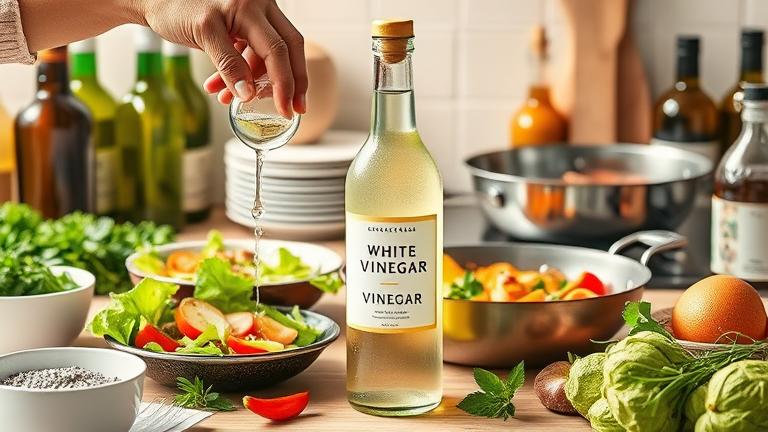
Introduction to White Wine Vinegar
White wine vinegar is a popular condiment that adds a tangy and bright flavor to many dishes. It is made from fermenting white wine, which transforms the alcohol into acetic acid, giving the vinegar its characteristic sharpness. Whether used in salad dressings, marinades, or pickling recipes, white wine vinegar is a versatile ingredient in your kitchen.
Understanding what white wine vinegar is can help you appreciate how it differs from other types of vinegar. It is typically clear or pale yellow, with a mild yet distinctive taste that is less harsh than plain vinegar like white distilled vinegar. Its subtle flavor makes it ideal for delicate dishes where you want a touch of acidity without overpowering other ingredients.
Origins and Production
White wine vinegar has roots in European cuisine, especially in countries like France and Spain. Traditionally, it was made by fermenting leftover white wine, often from vineyards. The process involves two main steps: first, the wine undergoes fermentation into alcohol, and then bacteria called acetic acid bacteria convert the alcohol into acetic acid. This process can take several weeks or months, depending on the method used.
Modern production often involves controlled fermentation using commercial bacterial cultures, which helps produce a consistent flavor. Some brands also age their vinegar in wooden barrels for added depth, but most supermarket varieties are clear and fresh-tasting.
Basic Characteristics
- Flavor: Mild, slightly fruity, and crisp with a gentle acidity.
- Color: Clear or pale yellow.
- Acidity level: Usually around 5-7%, which makes it tangy but not overwhelming.
- Scent: Fresh and clean, with subtle notes of the wine it was made from.
Compared to balsamic or apple cider vinegar, white wine vinegar offers a more neutral and refined taste. It won’t overpower other ingredients, making it a favorite for dressings, vinaigrettes, and light sauces. Its mild acidity complements seafood, chicken, and vegetable dishes nicely.
How It Differs from Other Vinegars
| Type of Vinegar | Base Ingredient | Flavor Profile | Common Uses |
|---|---|---|---|
| White Wine Vinegar | Fermented white wine | Mild, fruity, and crisp | Salad dressings, marinades, pickling |
| White Distilled Vinegar | Corn or grain alcohol | Strong, pungent, and sharp | Cleaning, pickling, general use |
| Balsamic Vinegar | Grapes, aged in wooden barrels | Sweet, complex, and rich | Salads, glazes, finishing dishes |
| Cider Vinegar | Apple cider | Fruity and slightly sweet | Salad dressings, soups, sauces |
White wine vinegar’s light and versatile nature makes it a kitchen staple, especially when you want to add a splash of acidity without altering the overall flavor of your dish. Next time you’re shopping, look for a good quality brand to enjoy its full potential in your recipes.
Common Uses in Salad Dressings and Marinades
White wine vinegar is a popular ingredient for making flavorful salad dressings and marinades. Its mild acidity and subtle fruity notes can brighten up many dishes. Whether you’re preparing a light summer salad or marinating meat for a grilled meal, white wine vinegar can be your secret ingredient to enhance taste.
In salad dressings, white wine vinegar is often combined with olive oil and seasonings to create simple yet delicious dressings. A classic vinaigrette might include one part vinegar to three parts oil, along with salt, pepper, and a touch of mustard. This mixture adds a tangy kick that can elevate greens, vegetables, and even pasta salads.
Marinades benefit greatly from white wine vinegar as well. Its acidity helps tenderize meat, making it more juicy and flavorful. For example, when marinating chicken or beef, mixing white wine vinegar with garlic, herbs, and olive oil creates a tasty soak that infuses the meat with flavor and moisture. It’s especially nice in cold marinades for chilled dishes too.
How to Use White Wine Vinegar in Dressings
- Start with a basic vinaigrette: Combine 1 part white wine vinegar with 3 parts olive oil. Whisk together and season with salt and pepper.
- Add herbs or garlic for extra flavor. A teaspoon of honey or a dash of Dijon mustard can balance the acidity.
- Pour over your favorite greens, roasted vegetables, or even grains like quinoa or couscous for a tasty finish.
Tips for Effective Marinating
- Use white wine vinegar as part of a marinade for chicken, pork, or vegetables. It helps tenderize and flavor the ingredients.
- A typical marinade might include 1/4 cup vinegar, 1/4 cup olive oil, garlic, herbs, and a bit of salt.
- Let the ingredients marinate in the refrigerator for at least 30 minutes, up to several hours, depending on the type of food. Be careful not to over-marinate, especially with delicate items like fish or seafood.
Quick Tips and Common Mistakes
- Avoid using too much vinegar, which can make the dressing too sour. Start with small amounts and adjust to taste.
- Always taste your dressing or marinade before applying to ensure it’s balanced. You can add a touch more oil or a pinch of sugar if needed.
- Store leftover vinegar in a cool, dark place. It keeps well for months and adds a bright flavor whenever you need it.
Sample Flavor Combinations
| Type | Ingredients | Use |
|---|---|---|
| Simple Vinaigrette | White wine vinegar, olive oil, salt, pepper | Salad dressing |
| Herb Marinade | White wine vinegar, garlic, thyme, rosemary, olive oil | Marinating chicken, pork, or vegetables |
| Fruit-Inspired | White wine vinegar, honey, lemon juice, berries | Fruit salads or sweet dressings |
Using white wine vinegar in your kitchen is a simple way to add a layer of flavor and acidity to your dishes. With a little practice, you’ll find it easy to create dressings and marinades that bring out the best in your ingredients. Experiment with different herbs and ingredients to discover your favorite combinations!
White Wine Vinegar in Cooking and Flavors
White wine vinegar is a versatile ingredient that can add brightness and depth to many dishes. Its mild acidity and subtle fruity notes make it a go-to for enhancing flavors without overpowering other ingredients. Whether you’re making a salad dressing, a marinade, or a cooked sauce, white wine vinegar can really transform your dish.
In cooking, white wine vinegar often acts as a flavor balancer. It can cut through richness in dishes like stews or roasted meats, providing a fresh, tangy contrast. When added at the right time, it can also brighten up the overall taste, making your food taste more vibrant and complex.
Using White Wine Vinegar in Different Dishes
- Salad dressings: It’s a classic ingredient in vinaigrettes, combining with olive oil, mustard, and herbs. The vinegar helps mellow the oil’s richness and adds a crisp tang that wakes up fresh vegetables or greens.
- Marinades: White wine vinegar tenderizes meat and fish, while imparting a subtle fruity acidity. It works well with garlic, herbs, and even honey for a balanced marinade.
- Cooked sauces: When making pan sauces for chicken or fish, a splash of white wine vinegar can tie the flavors together. Add it toward the end of cooking to preserve its brightness and prevent bitterness.
- Soups and stews: A small amount added during cooking can lift flavors and reduce any heaviness. It’s especially good in vegetable soups and lighter broths.
Tips for Using White Wine Vinegar
- Start small: When experimenting, begin with a teaspoon or two. You can always add more, but it’s hard to fix an overly sour dish.
- Balance with sweetness or fat: If the vinegar makes a dish too tangy, add a touch of honey, sugar, or some oil to round out the flavor.
- Timing matters: For cooking, add white wine vinegar towards the end of the process to keep its fresh qualities intact. In dressings, it can be added at the start to help meld flavors.
- Pairings: White wine vinegar works well with herbs like basil, parsley, and dill, as well as garlic and shallots. These combinations enhance the vinegar’s delicate nuances.
Common Mistakes to Avoid
- Overusing: Too much vinegar can overpower a dish and make it unpleasantly sour. Use in moderation and taste as you go.
- Cooking it too long: Prolonged heat can diminish its brightness, making the dish dull instead of lively. Add vinegar near the end for best results.
- Using old or poor-quality vinegar: Like all ingredients, good quality white wine vinegar will taste better and improve your dish. Check the bottle’s age and flavor before using.
Incorporating white wine vinegar into your cooking is a simple way to enhance flavor and introduce a touch of acidity. With a little practice, it can become an essential part of your kitchen toolkit, adding fresh, tangy notes to a wide variety of recipes.
Tips for Cooking with White Wine Vinegar
White wine vinegar is a versatile and tangy ingredient that can brighten up many dishes. When used correctly, it adds a subtle acidity and depth of flavor. Whether you’re making salad dressings, marinades, or braises, knowing how to incorporate white wine vinegar will elevate your cooking.
First, it’s important to use the right amount. Usually, a tablespoon or two is enough to brighten a salad or add flavor to a sauce. Start small and taste as you go. You can always add a little more if needed, but too much vinegar can overpower your dish. Remember, it’s easier to add than to correct an overly acidic flavor.
Timing matters a lot when cooking with white wine vinegar. It works well at different stages of your recipe. For dressings and cold sauces, add it at the end for a fresh punch. When making cooked dishes like stews or braises, add the vinegar after the main ingredients have cooked for a few minutes. This allows the acidity to enhance the flavors without losing its sharpness during heat.
Warm or room temperature dishes benefit from vinegar added during cooking, as it helps to balance rich or fatty ingredients. For example, a splash of white wine vinegar in a pan sauce can cut through the richness of butter or cream. On the other hand, adding vinegar directly to hot oil or boiling liquids can cause it to evaporate too quickly, so add it carefully and at the right moment.
White wine vinegar pairs nicely with a variety of ingredients. Use it to complement seafood, chicken, or vegetables. It works especially well with herbs like dill, parsley, and tarragon. For more flavor, combine it with garlic, shallots, or mustard. A common pairing is in a classic vinaigrette: whisk together white wine vinegar, olive oil, salt, pepper, and a bit of honey or Dijon mustard for a balanced dressing.
Another tip is to taste and adjust. Once you add white wine vinegar, give your dish a quick taste test. If it’s too sharp, balance it with a pinch of sugar or a drizzle of honey. If it’s too mild, add a little more, but do so gradually. This way, you keep control over the final flavor profile.
Be mindful of the quality of your vinegar. Use a good-quality white wine vinegar for best results. Cheap, overly processed vinegars can have a harsh flavor that may ruin your dish. Store it in a cool, dark place to maintain its quality over time.
| Application | Best Practice | Tip |
|---|---|---|
| Salad dressings | Add at the end | Tastes fresh and lively |
| Marinades | Include at the start | Helps tenderize and flavor meat or vegetables |
| Cooking sauces and stews | After simmering for a few minutes | Preserves acidity and brightens flavors |
| Finishing touches | Drizzle just before serving | Enhances the final flavor |
- Start with small amounts and taste as you go.
- Add vinegar gradually to avoid overpowering dishes.
- Pair it with fresh herbs and seasonings for best flavor.
- Use good-quality vinegar for better taste.
- Store vinegar in a cool, dark place to keep it fresh.
White Wine Vinegar for Pickling and Preserving
White wine vinegar is a popular choice for pickling and preserving foods at home. Its mild, slightly fruity flavor makes it a versatile ingredient that enhances the taste of many preserved items. One of the main reasons people love using white wine vinegar is its acidity level, which is crucial for safety and effectiveness in preserving foods.
In pickling, vinegar creates an environment that discourages bacteria and mold growth. Typically, white wine vinegar has an acidity of around 5-7%, which is strong enough to preserve vegetables, fruits, and other foods without overpowering their natural flavors. When making pickles, it’s important to use vinegar with the right acidity—too weak, and it may not preserve food properly; too strong, and it can give the food a harsh taste.
Using white wine vinegar in preserving is simple once you get the hang of it. Start with fresh, clean jars and fresh ingredients. To make a basic pickled vegetable, combine vinegar, water, sugar, and salt to create a pickling brine. The ratio of vinegar to water can vary depending on the recipe, but a common mixture is one part vinegar to one part water. Add herbs, spices, or garlic to customize the flavor.
When preserving fruit, such as peaches or cherries, white wine vinegar helps intensify the fruit’s natural sweetness while maintaining a good level of acidity. Remember to always sterilize jars before filling them with hot or prepared foods to prevent contamination. Fill the jars with your prepared foods and cover with hot vinegar brine, leaving some space at the top. Seal tightly and store in a cool, dark place.
Because white wine vinegar has a mild taste, it pairs well with a variety of foods without masking delicate flavors. It’s especially good for making salad dressings, relishes, and chutneys that you want to keep long term. However, it’s important to measure vinegar carefully and follow tested recipes to ensure optimal safety and flavor.
- Tip: Use a high-quality white wine vinegar for the best flavor and consistent acidity.
- Tip: Always check the vinegar’s label for its acidity level before using it for preserving.
- Tip: Label your jars with the date and contents so you can keep track of your preserved foods.
In summary, white wine vinegar is a trusted, versatile ingredient for pickling and preserving. Its balanced acidity and pleasant taste help keep foods safe while enhancing their natural flavors. With a few simple steps, you can enjoy homemade pickles and preserves all year round.
Benefits of Using White Wine Vinegar
White wine vinegar is a popular ingredient in many kitchens because it offers a range of benefits that can enhance both your health and your cooking. Its mild, tangy flavor makes it a versatile addition to salads, marinades, and sauces, adding brightness without overpowering the dish.
One of the key health benefits of white wine vinegar is that it contains antioxidants. These compounds help fight free radicals in your body, which can reduce inflammation and support overall health. Using a small amount of vinegar in your meals can contribute to improved digestion and better blood sugar regulation. Studies suggest that vinegar can help stabilize blood sugar levels, making it a good choice for people managing diabetes or trying to maintain steady energy levels throughout the day.
White wine vinegar is also low in calories and free from fats, making it an excellent option for those watching their calorie intake. Replacing heavier dressings or sauces with vinegar-based options can help you enjoy flavorful meals without extra calories. Moreover, because it is fermented, white wine vinegar has probiotics that can support gut health, improving digestion and nutrient absorption. It’s a natural way to add flavor and health benefits simultaneously.
Flavor Advantages of White Wine Vinegar
White wine vinegar offers a delicate, crisp acidity that brightens dishes without overwhelming the other ingredients. Unlike stronger vinegars such as apple cider or balsamic, it has a subtle, clean taste that enhances the natural flavors of your food.
This vinegar pairs well with a variety of ingredients, including herbs, citrus, and garlic. It’s ideal for creating tangy salad dressings, light marinades for meats and seafood, or even as a finishing touch on cooked vegetables. Its mild flavor also makes it suitable for delicate recipes like deviled eggs or cold pasta salads, where a touch of acidity balances richness.
Because of its versatility, white wine vinegar can be used in both hot and cold dishes. For example, you can deglaze a skillet with it after sautéing vegetables or use it as a pickling agent for vegetables and herbs. Its neutral profile means it complements rather than masks the flavors of other ingredients, making it a trustworthy pantry staple.
Culinary Versatility
White wine vinegar is a true workhorse in the kitchen, thanks to its adaptability. You can use it in salad dressings, sauces, pickling, and even baking. It adds acidity that can tenderize meats in marinades or brighten up creamy dips and spreads.
One practical tip is to mix white wine vinegar with olive oil and fresh herbs to create a simple vinaigrette. It also works wonders in mayonnaise or as a splash in soups to add a layer of acidity. When cooking, a splash of vinegar can help balance flavors and add depth to your dishes. It’s especially helpful when making dishes that need a bit of brightness or a subtle tang.
Keep in mind that because white wine vinegar is mild, it should be added gradually. Tasting as you go ensures you don’t overpower your dish. Use it as a finishing touch or in recipes where a light acidity enhances without dominating. With a little experimentation, you’ll find countless ways to incorporate white wine vinegar into your cooking routine, boosting both flavor and health benefits.