
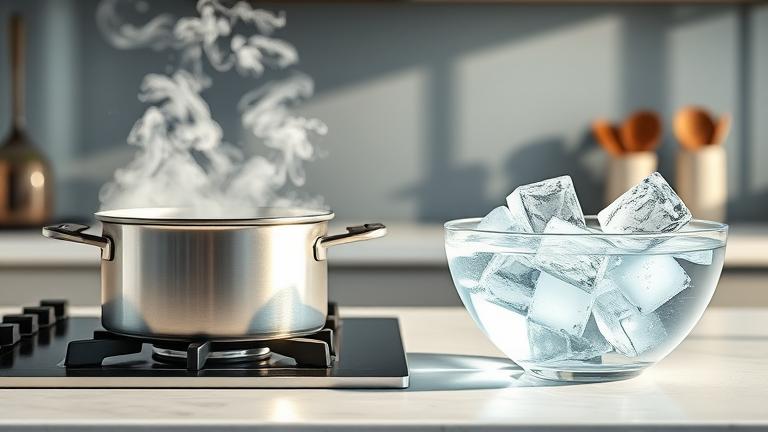
Introduction to Water Temperature in Cooking
Water temperature plays a vital role in cooking because it directly affects how food turns out. Whether you’re boiling eggs, poaching fish, or preparing pasta, the temperature of the water can make a big difference in the final taste and texture.
Understanding how to control water temperature helps you achieve consistent and delicious results. It also ensures your food is cooked safely, especially when handling eggs, seafood, or meats. Let’s explore why water temperature matters and how to use it to your advantage in the kitchen.
Why Water Temperature Matters
Different foods require different water temperatures for the best results. For example, boiling water at 212°F (100°C) is needed to quickly cook pasta, while gentle simmering at around 185°F to 205°F (85°C to 96°C) is perfect for making broths or slow-cooking tougher cuts of meat.
Too hot, and delicate foods might fall apart or become mushy. Too cold, and foods may not cook thoroughly or evenly. For instance, gently poached eggs are cooked around 160°F to 180°F (71°C to 82°C). This lower temperature helps the egg whites set softly without turning rubbery.
Impact on Food Preparation
Why does the right water temperature matter? It affects the texture, flavor, and safety of your food. Overheating water can cause ingredients to break down too quickly or unevenly. Underheating can leave food raw or partially cooked, which could be unsafe to eat.
For example, when preparing poached eggs, maintaining the correct temperature ensures the whites are tender and the yolk stays runny. If the water is too hot, the eggs might turn into a rubbery mess, or worse, break apart. If too cold, they won’t cook properly.
Practical Tips for Managing Water Temperature
- Use a thermometer to check water temperature for precise control, especially when poaching or slow-cooking.
- Start with boiling water for pasta or blanching vegetables, then reduce heat to simmer or keep warm as needed.
- For delicate cooking, like infusions or poaching, keep the water just below boiling point to prevent overcooking.
- Remember, water temperature can change when ingredients are added, so adjust your heat accordingly.
Common Mistakes to Avoid
- Rushing by boiling eggs in rapidly boiling water without softening the whites or yolk as desired.
- Overheating water when poaching or simmering, resulting in food that is tough or unevenly cooked.
- Not adjusting heat after adding ingredients, which can cause boiling over or undercooking.
By paying attention to water temperature, you’ll improve your cooking skills and enjoy better results in the kitchen. Whether it’s making a perfectly runny poached egg or cooking pasta just right, understanding the right water temperature is key to delicious, consistent meals.
Benefits of Using Hot Water
Using hot water in cooking offers many advantages that can make your kitchen tasks easier and more efficient. Whether you are boiling, steeping, or preparing ingredients, hot water can speed up the process and enhance the results.
One of the main benefits of using hot water is that it helps food cook faster. When you start with hot water, the heat already being transmitted speeds up boiling or simmering. For example, if you’re boiling pasta or vegetables, beginning with hot water can shave precious minutes off the cooking time, making your meal prep quicker and more convenient.
Hot water also improves flavor extraction. When making teas, herbal infusions, or coffee, hot water pulls out the flavors and beneficial compounds more effectively than cold water. This means a richer, more satisfying taste and a better overall experience. It also helps when steeping spices or medicinal herbs, as the heat helps release more of their essence.
Another helpful advantage is that hot water can assist in dissolving ingredients better. For example, when making sauces or dressings, warm water can help dissolve salt, sugar, or other solids more smoothly. This results in a more uniform mixture and better texture. It also prevents clumping, saving time and effort in stirring or whisking.
Using hot water can be especially useful when you need to sanitize or soften ingredients quickly. For example, blanching vegetables in hot water preserves their color and texture better than cold water. Similarly, soaking dried beans or grains in hot water reduces their soaking time and jumpstarts the cooking process.
However, it is important to be cautious. Always use hot water carefully to avoid burns or accidents. Handle containers with oven mitts if they are hot, and pour slowly to prevent splashes. Also, be aware that some delicate foods may become overcooked or lose texture if exposed to hot water for too long.
- Hot water speeds up cooking times for boiling or simmering.
- It enhances flavor extraction, especially for teas and infusions.
- Helps dissolve ingredients evenly, preventing lumps and clumps.
- Assists in softening and blanching vegetables or grains.
- Reduces soaking times for dried foods like beans and grains.
In summary, using hot water in cooking can save time, improve flavors, and enhance textures. Just remember to handle it safely and adjust your techniques based on the ingredients you’re working with. With a little practice, you’ll find hot water becomes a valuable tool in your kitchen toolbox.
Advantages of Cold Water
Using cold water in cooking and food preparation offers several important benefits, especially when it comes to preserving freshness and preventing overcooking. Whether you’re rinsing vegetables, chilling drinks, or preparing ingredients for a recipe, cold water can make a big difference in the final result.
One of the main advantages of cold water is that it helps maintain the natural texture and crispness of fresh produce. Rinsing vegetables and fruits in cold water removes dirt and bacteria without starting the cooking process or softening the produce too much. For example, washing lettuce or berries in cold water keeps them firm and fresh-looking, making your salads more appealing and tasty.
Cold water is also essential when you need to slow down cooking. It can stop the process immediately, which is helpful when you want to prevent overcooking delicate ingredients. For example, after boiling potatoes or pasta, plunging them into cold water—often called shocking—halts their cooking and prevents them from becoming mushy. This technique is perfect for recipes like potato salad or pasta salads where you want a firm, yet tender texture.
Preserving Nutrients and Flavor
Using cold water helps retain the nutrients and flavors of ingredients. Warm or hot water can cause nutrients like vitamins to break down faster, especially in leafy greens and herbs. When washing or rinsing, sticking to cold water ensures you preserve as much flavor and nutritional value as possible.
Cooling and Chilling
Cold water makes it easier and faster to cool food and drinks. For instance, if you’ve cooked a batch of rice or boiled eggs, placing them in a bowl of cold water is a quick way to bring down the temperature. This prevents bacteria growth and makes it safer to store leftovers or prepare for slicing and serving later.
Safety and Hygiene
When it comes to food safety, cold water is your best friend. Rinsing raw meats or seafood in cold water helps remove surface bacteria and any unwanted residues. Just remember to clean your sink and wash your hands afterward to keep everything hygienic.
Practical Tips
- Always use cold water for rinsing fresh produce to keep it crisp and fresh.
- Shock boiled foods in cold water to stop cooking immediately and prevent mushiness.
- Use cold water to cool hot foods quickly before storing or serving.
- When washing raw meats or seafood, ensure the water stays cold to reduce bacteria and maintain quality.
In summary, cold water is a simple yet powerful tool that helps keep food fresh, controls cooking, and enhances safety. Incorporating it into your routine can improve your cooking results and ensure your meals are both delicious and safe.
When to Use Hot Water in Recipes
Hot water plays an important role in many cooking and baking recipes. Knowing when to use hot water can help you achieve better textures, flavors, and results. It’s especially helpful in recipes where temperature impacts how ingredients react or how well they blend together.
One common situation to use hot water is when dissolving ingredients quickly and thoroughly. Think of making tea, instant coffee, or powdered gelatin. Hot water helps these ingredients dissolve faster and more completely, leading to a smoother mixture and better flavor extraction.
Hot water is also essential in preparing some grains and dried legumes. When cooking rice, pasta, or beans, hot water starts to hydrate the ingredients immediately, reducing cooking time and ensuring they cook evenly. For example, soaking dried beans in hot water before boiling speeds up the process and helps break down complex sugars that can lead to gas.
In baking, hot water is often used to activate yeast. When making bread or rolls, combining yeast with warm water creates a warm environment for the yeast to ferment. This fermentation produces carbon dioxide, which makes the dough rise and become fluffy. The water should be warm, but not hot enough to kill the yeast — usually around 110°F (43°C).
Hot water also comes in handy when preparing doughs and batters. For instance, in making certain pasta doughs or roux, hot water can help create a smooth, elastic texture. It’s also used in making custards or creams, where hot water acts as a gentle heat source for double boilers, preventing scorching and curdling.
Another important use is in food safety and sterilization. Hot water can help reduce bacteria on new vegetables or fruits before cooking or eating. It’s also useful in sanitizing utensils or kitchen surfaces. When bleeding or trimming raw meat, rinsing with hot water can help reduce bacteria, but remember to always wash hands afterward.
Special Recipes and Situations
- Powdered gelatin or agar-agar: Dissolve in hot water for a clear, firm set in jellies and desserts.
- Blanching vegetables: Pouring hot water over vegetables helps loosen skins or halt enzyme activity, preserving color and freshness.
- Preparing hot beverages: Recipes for hot chocolate, tea, and coffee rely on hot water for full flavor extraction.
Remember, not all recipes call for hot water, so always check the instructions. Using hot water where it’s not needed can change the texture or flavor negatively. For example, pouring hot water into certain salad dressings or delicate creams can cause separation or curdling.
Overall, the key is to match the water temperature to the recipe need. Hot water is your friend in speeding up dissolving, activating ingredients like yeast, or preparing ingredients for the oven. Keep a kettle or a pot of hot water nearby, and you’ll be ready for many cooking adventures.
When to Use Cold Water in Cooking
Cold water plays an important role in many cooking situations. It can help control temperature, preserve texture, or even improve the final result of a dish. Knowing when and why to use cold water makes your cooking more successful and consistent.
One common scenario for using cold water is when you want to stop the cooking process quickly. For example, after boiling vegetables or pasta, immersing them in cold water—also called shocking—prevents overcooking. This helps keep foods firm, colorful, and retains their nutrients.
Cold water is also essential when preparing certain ingredients before cooking. Chilling potatoes, for instance, reduces surface starch and prevents them from sticking together when frying or roasting. Rinsing and soaking beans or grains in cold water can improve their texture and help remove impurities.
In some recipes, cold water is used to control or prevent fats from melting or separating. For example, when making pie crusts or some biscuits, adding cold water helps keep the fat cold. This creates a flaky, tender texture because the cold fat doesn’t fully blend into the dough, leaving tiny pockets of fat that produce flakiness during baking.
Another situation where cold water is useful is when cooking seafood. Blanching shellfish or fish in cold water after boiling stops the cooking instantly, ensuring the seafood isn’t overdone. It also helps cool and prepare seafood quickly for peeling or further processing.
Examples of Dishes and Ingredients That Benefit from Cold Water
- Pasta: Rinsing cooked pasta in cold water stops the cooking immediately and prevents it from sticking, especially for salads or cold dishes.
- Blanched vegetables: Quickly cooling vegetables like green beans or broccoli preserves their vibrant color and crunch.
- Potatoes: Rinsing and soaking in cold water reduces surface starch, which helps them crisp up better when roasting or frying.
- Seafood: Cooling boiled fish or shellfish ensures they don’t overcook and stay tender.
- Pie crusts and biscuits: Using cold water keeps fats cold, leading to flaky, tender baked goods.
Remember, using cold water isn’t just about cooling. It can also help with preparing ingredients to ensure they cook evenly or maintain their desired texture. Always consider the purpose in your recipe. When in doubt, try rinsing or shocking with cold water to improve the control and quality of your dish.
Tips for Choosing the Right Water Temperature
Selecting the right water temperature is key to ensuring your cooking turns out just right. Whether you’re brewing tea, boiling pasta, or preparing a delicate sauce, the correct water temperature can make all the difference. Here are some practical tips to help you choose the best water temperature for your recipe and cooking goals.
First, always consider the recipe’s specific instructions. Some dishes require boiling water at 212°F (100°C), like boiling eggs or cooking pasta, to ensure they cook evenly and safely. Other recipes, such as delicate sauces or certain teas, need lower temperatures to prevent burning or bitterness. Reading the recipe carefully gives you a good starting point.
Understand the Different Temperature Ranges
- Boiling (212°F / 100°C): Used for pasta, vegetables, or sterilizing jars. Boiling water cooks foods quickly and kills bacteria.
- Simmer (around 185°F to 205°F / 85°C to 96°C): Ideal for soups and stews, where gentle cooking helps flavors meld without overcooking ingredients.
- Hot (about 120°F to 140°F / 49°C to 60°C): Perfect for teas and instant coffee, where too high a temperature can spoil the flavor.
- Warm (around 100°F / 38°C): Great for proofing bread or tempering chocolate, as it encourages gentle reactions without melting or overcooking.
Use a Thermometer for Precision
If you want to be exact, a kitchen thermometer can be your best friend. Digital instant-read thermometers are quick and accurate. Insert the probe into the water and check the temperature before adding ingredients. This ensures you meet the ideal temperature, especially for recipes like tempering chocolate or making custards.
Adjust Based on Your Goals
If your goal is more about preserving texture or flavor, lower temperatures are often better. For instance, cooking fish at 120°F helps keep it tender, while boiling at 212°F might make it too firm or dry. Conversely, when you need quick cooking and safety, higher temps are preferable.
Common Mistakes to Avoid
- Using water that is too hot: This can cook ingredients unevenly or burn delicate items like herbs or eggs.
- Not accounting for temperature drops: Adding cold ingredients cools the water. If you’re aiming for a certain temp, consider pre-heating your water or reheating as needed.
- Relying only on the stove’s heat setting: Different stoves heat differently. Using a thermometer ensures accuracy regardless of your stove.
Practical Tips for Managing Water Temperature
- Use a kettle with a temperature setting if you often make tea or pour-over coffee. This gives you precise control over water temperature.
- For boiling, wait until your water has reached a rolling boil before adding ingredients to ensure even cooking.
- When simmering or poaching, keep the heat at a gentle bubble to avoid breaking apart delicate ingredients.
By paying attention to water temperature and using these tips, you can improve your cooking results and bring out the best in your recipes. Remember, a little extra effort in temperature control often leads to delicious, well-cooked dishes every time.
Common Mistakes and Food Taste Impact
When cooking, especially with water involved, getting the temperature right is crucial for great taste and quality. Many home cooks make simple mistakes with water temperature that can change how your food turns out. Understanding these common errors can help you avoid flavor issues and improve your overall cooking results.
One common mistake is using water that is too hot or too cold when preparing dishes like pasta, rice, or poached eggs. If the water is too hot, it can cause overcooking or uneven texture. For example, boiling pasta in extremely hot water may make the outer layers mushy while the inside remains underdone. Conversely, if the water is too cold for certain recipes, ingredients may not cook evenly or develop the proper flavor.
Impact of Water Temperature on Food Quality
- Too hot: Can lead to burned or overcooked exterior, especially with delicate foods like eggs or seafood. Hot water here also risks flavor loss or tough texture because proteins are broken down too rapidly.
- Too cold: Slows down cooking, making food rubbery or underdone. It can also hinder flavor development, especially in slow-cooked dishes or sauces.
- Incorrect temperature during food prep: For instance, boiling potatoes in water that is not hot enough results in uneven cooking and a bland taste, because the starches don’t hydrate properly.
Common Water-Temperature Mistakes
- Adding ingredients to boiling water too early: If ingredients like vegetables or pasta are added before the water reaches a full boil, they may become mushy or lose their flavor. Always wait until the water bubbles vigorously before adding delicate items.
- Not adjusting water temperature during cooking: Sometimes recipes call for changing the heat. For example, starting with boiling water and then reducing to simmer helps develop flavors slowly without overcooking.
2>Using water temperature for caramelizing: When making caramel or sauces, failing to maintain the correct temperature can cause burning or a bitter taste. Using a candy thermometer can help maintain the right heat level.
Practical Tips to Improve Water Temperature Control
- Always preheat your water to the recommended temperature before adding ingredients. Use a thermometer if necessary.
- Adjust stove settings based on what you’re cooking—high heat for boiling, medium for simmering, low for gentle poaching or melting.
- Follow recipes exactly for water timing and temperature, especially if you’re new to a dish.
Getting water temperature right might seem small, but it can make a big difference in how your food tastes and feels. Avoiding these common mistakes ensures better texture, flavor, and overall quality. With practice, controlling the water temperature will become second nature, helping you create delicious, perfectly cooked dishes every time.