
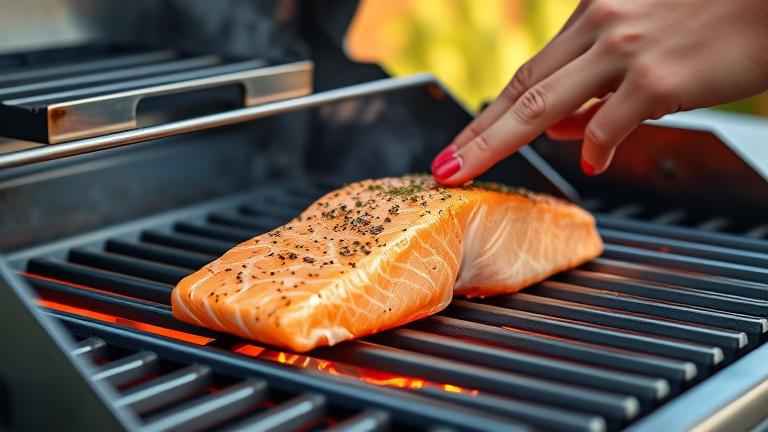
Introduction to Grilling Skinless Salmon
Grilling skinless salmon is a fantastic way to enjoy this healthy, flavorful fish with a smoky touch. Unlike salmon with the skin on, skinless fillets cook more quickly and are perfect for those who prefer a lighter, cleaner presentation. This method is popular for summer barbecues or quick weeknight dinners because it’s simple, tasty, and versatile.
One of the biggest benefits of grilling skinless salmon is that it allows the natural flavors of the fish to shine. Without the skin, there’s less oil stand-in and fewer chances of the fish sticking. It also means you can season or marinate the fish easily, giving you plenty of room for creative flavor combinations.
Proper preparation is key to mastering grilled skinless salmon. When you start with fresh, high-quality fillets that are evenly cut, the grilling process will be smoother and more successful. Before you even think about the grill, make sure your fish is properly thawed if it was frozen and patted dry with paper towels. This removes excess moisture, helps prevent sticking, and gives you a better sear.
When grilling skinless salmon, expect a few things: the fish will cook quickly, usually in around 4 to 6 minutes per side depending on thickness. It’s important to monitor the grill temperature and avoid overcooking to keep the fish tender and moist. Overcooked salmon can become dry and lose its delicate texture, so a watchful eye is your best friend here.
Another thing to keep in mind is the importance of oil and seasoning. Lightly brushing your fillets with oil helps prevent sticking and promotes even cooking. Seasonings like lemon, herbs, garlic, or spice rubs add layers of flavor that complement the mild taste of salmon. Be gentle when flipping the fillets to avoid breaking them apart, especially since they’re skinless and more delicate.
In this section, you’ll explore more about preparing your fish properly, choosing the right grill temperature, and techniques for flipping and serving your grilled skinless salmon. With a little practice and patience, you’ll be able to serve up perfectly grilled fillets that are smoky, tender, and full of flavor every time.
Preparing the Salmon for Grilling
Getting your skinless salmon ready for the grill is an important step to ensure it cooks evenly and tastes delicious. Proper preparation can also help prevent sticking and make handling easier. Whether you’re new to grilling or have some experience, following these simple tips will give you the best results.
First, start with fresh, high-quality salmon. Look for firm flesh and a clean, sea-like smell. Before handling, rinse the salmon gently under cold water to remove any surface impurities. Pat it dry thoroughly with paper towels. Excess moisture can cause sticking and uneven cooking, so drying well is key.
Portioning the Salmon
If your salmon comes in a large fillet, you may want to cut it into smaller, manageable portions. Using a sharp knife, slice the fillet into even pieces, about 1.5 inches thick. This helps the fish cook uniformly and makes serving easier. For best results, cut across the grain of the fish, which means slicing perpendicular to the natural muscle fibers.
Applying Marinades or Seasonings
To boost flavor, consider marinating or seasoning your salmon. Marinades can be simple or complex, but always include an acid like lemon juice or vinegar to tenderize the fish. A basic marinade might include olive oil, lemon juice, garlic, salt, and herbs. Let the salmon sit in the marinade for at least 30 minutes, but no more than an hour, to avoid breaking down the flesh.
If you prefer dry seasonings, sprinkle the salmon generously with salt, pepper, and your favorite herbs or spices. Popular options include dill, paprika, garlic powder, and chili flakes. Lightly brush or rub the seasonings into the fish to ensure they stick well.
Additional Tips for Preparing Salmon
- Use a grill basket or line the grill grates with foil to prevent sticking, especially for skinless fillets.
- Let the seasoned or marinaded fish sit at room temperature for about 10 minutes before grilling. This helps it cook more evenly.
- If you’re marinating, discard any leftover marinade that has been in contact with raw fish to avoid cross-contamination.
Remember, proper preparation makes a big difference in the final flavor and texture of your grilled salmon. Taking the time to clean, portion, and season your fish will ensure it turns out flavorful, juicy, and perfectly cooked every time.
Essential Tools and Equipment
Grilling is a fun and tasty way to enjoy outdoor cooking, but having the right tools makes all the difference. Whether you’re a beginner or a seasoned grill master, knowing which equipment to use will help you achieve perfect results every time. In this section, we’ll cover the must-have tools and equipment to ensure a smooth grilling experience.
First, let’s talk about the grill itself. A good gas grill is popular because it heats quickly and offers easy temperature control. If you prefer charcoal, choose a sturdy charcoal grille that allows for good airflow. Whichever you pick, make sure it’s large enough for the amount of food you plan to cook. A clean grill is essential for both safety and taste, so invest in a good grill brush to scrub away residue after each use.
Essential Tools for Grilling
- Tongs: Long-handled tongs are perfect for flipping and handling food without getting too close to the heat. Look for ones with a good grip and heat-resistant tips.
- Spatulas: A wide, flat spatula helps turn burgers, fish, or vegetables easily. Consider a sturdy metal or heat-safe silicone spatula for versatility.
- Grill Brush: A wire or bristle brush to clean the grates before and after cooking, preventing rust and keeping flavors pure.
- Food Thermometers: An instant-read thermometer lets you check internal temperatures quickly. This is key for ensuring meats are cooked safely and to your preferred doneness.
- Grill Basket or Mesh: Helpful for small or delicate items like vegetables or seafood that might fall through the grates.
- Oil Brush or Spray: To lightly oil the grates and prevent sticking, which also adds a layer of flavor.
Additional Equipment and Safety Gear
- Heat-Resistant Gloves: Protect your hands from heat and flames while handling hot equipment or foods.
- Chopping Board and Knives: For prepping ingredients before grilling. Use separate boards for raw meats and vegetables to avoid cross-contamination.
- Aluminum Foil: Useful for wrapping foods or creating indirect heat zones, and for easy cleanup.
- Cooking Shears: Handy for snipping herbs, trimming excess fat, or slicing cooked foods.
Practical Tips
- Keep all your tools clean and in one designated spot for easy access during grilling.
- Choose tools that feel comfortable in your hand and are made of durable materials.
- Update your equipment if it starts to show signs of wear or rust. Good tools last longer and perform better.
Having the right grilling tools and equipment ready before you start will save time and make the process more enjoyable. With these essentials, you’ll be well-equipped to handle everything from flipping burgers to checking perfect steak temperatures, all while enjoying the excitement of outdoor cooking.
Perfect Marinades and Seasonings
Marinating and seasoning are great ways to enhance the flavor of grilled skinless salmon. A good marinade can add a burst of flavor and keep the fish moist, while seasonings can bring out its natural richness. When choosing marinades, think about the flavor profile you enjoy most—whether it’s citrus, herbs, or a touch of spice.
For the best results, aim to marinate your salmon for at least 30 minutes. If you have more time, up to 2 hours can deepen the flavors without overpowering the fish. Avoid marinating longer than this, especially with acidic ingredients like lemon or vinegar, as they can start to “cook” the salmon and change its texture.
Popular Marinade Ideas
- Lemon and Herb: Combine lemon juice, olive oil, garlic, chopped parsley, and a pinch of salt. This fresh and bright flavor works perfectly with grilled salmon.
- Honey Soy: Mix soy sauce, honey, ginger, and a splash of sesame oil. This gives a sweet-savory taste with a hint of Asian flair.
- Citrus and Dill: Use orange or lime juice with chopped dill, olive oil, and a little garlic. This combo offers a zesty, fresh flavor.
- Spicy Marinade: Blend together lime juice, chili flakes, cumin, and a splash of olive oil for a smoky, spicy kick.
Tips for Seasoning Your Salmon
- Salt and pepper are your basics, but don’t be shy to explore other dried herbs like thyme, rosemary, or cumin.
- For extra flavor, sprinkle a little smoked paprika or onion powder before grilling.
- Marinate skinless salmon on a plate or in a resealable bag, ensuring the fish is evenly coated.
- Remove salmon from the marinade gently and pat dry before grilling. Excess moisture can cause flare-ups.
Seasoning for Grilled Skinless Salmon
Since skinless salmon can be more delicate, avoid overly thick or sticky marinades that might cause sticking or burning. Light coatings of oil, herbs, and citrus are usually best. You can also create a dry rub with salt, pepper, and your favorite spices if you prefer not to marinate.
When grilling, remember to turn the salmon carefully. Use a wide spatula, and wait until the fish releases easily from the grill before flipping. Since the fish has no skin to protect it, shorter cooking times are key. Typically, 3-4 minutes per side over medium-high heat is enough, but watch closely to prevent drying out.
- Pro tip: Marinade your salmon just before grilling to keep it flavorful without compromising texture.
- Experiment with different flavors to discover your favorite combinations. Think about pairing spicy marinades with citrus for a refreshing punch or herb-based seasonings for a more subtle taste.
Step-by-Step Grilling Process
Grilling skinless salmon on a gas grill is a delicious way to enjoy this healthy fish. To get perfectly cooked, tender salmon, it helps to follow a clear step-by-step process. Let’s walk through each stage, from preheating the grill to serving your flavorful fish.
Preparing the Grill and the Fish
Start by cleaning your grill grates thoroughly. Use a grill brush to remove any leftover residue from previous cookouts. This helps prevent sticking and ensures evenly cooked fish. Next, preheat your gas grill on medium-high heat. Allow it to heat for at least 10 to 15 minutes so the grates are hot enough.
While the grill heats up, prepare your salmon. Pat the fish dry with paper towels to remove excess moisture. Then, brush it lightly with olive oil or a marinade of your choice. This adds flavor and helps prevent sticking. Season the fish with salt, pepper, and any herbs or spices you like. For skinless salmon, a light oil coating is especially helpful to keep it from sticking to the grill.
Preheating and Oil the Grill Grates
Once the grill reaches the right temperature, oil the grates. Use a pair of tongs to hold a folded paper towel dipped in vegetable oil, and wipe it over the hot grates. This creates a non-stick surface and helps your salmon release easily when cooked.
Placing the Salmon on the Grill
Use a spatula to carefully place the salmon fillets on the grill. Place them skin-side down if they still have skin, or just on the side you want to cook. Gently press down on the fish for a few seconds to prevent curling and ensure good contact with the grates.
Close the lid of the grill to retain heat. Keep the temperature at around 375°F to 400°F. Avoid moving the fish too early; let it develop a nice sear. Cook the salmon for about 4 to 6 minutes on the first side, depending on thickness.
Turning and Cooking the Fish
Use a gentle, wide spatula to flip the salmon carefully. The fish should release easily if it’s ready to turn. Cook the second side for another 3 to 5 minutes. Look for an opaque color all the way through and a firm texture. Thinner fillets will cook faster, so keep an eye on them.
Checking for Doneness and Removing
The easiest way to check if your salmon is done is by using a fork or a meat thermometer. When the fish flakes easily with a fork and reaches an internal temperature of 125°F to 130°F, it’s ready. Be careful not to overcook, as it can become dry.
Use the spatula to lift the fish gently off the grill. Transfer it to a plate or platter and let it rest for a couple of minutes. Resting helps distribute the juices evenly inside the fish. Serve your perfectly grilled, skinless salmon with your favorite sides and enjoy!
Common Mistakes to Avoid
Grilling skinless salmon can be a delicious way to enjoy this healthy fish, but it also comes with some common pitfalls. Knowing what to watch out for can help you achieve perfectly cooked, juicy salmon every time. Let’s explore the typical mistakes and how to prevent them for the best grilled salmon results.
Overcooking the Salmon
One of the most frequent errors is overcooking the salmon. When cooked too long, it becomes dry and loses its delicate flavor. Because skinless salmon cooks faster, it’s easy to leave it on the grill too long. A good rule is to watch for the fish to turn opaque and flake easily with a fork. Usually, about 4-6 minutes per side works, depending on thickness.
Tip: Use a digital thermometer to check the internal temperature. The ideal temperature for perfectly cooked salmon is 125-130°F (52-54°C). Once it hits that, remove it from the grill to avoid overcooking.
Uneven Heat and Hot Spots
Grilling on uneven heat can cause parts of the salmon to cook faster than others. This often results in a crusty outside and undercooked center, especially with skinless fillets that tend to be more delicate. To prevent this, preheat your grill well and set it to a medium heat. Use charcoal or gas burners to create a two-zone fire, with a hot side for searing and a cooler side for finishing.
Tip: Place the fish on the cooler side if it’s browning too quickly. Turn the fillet as needed to ensure even cooking. Also, avoid moving the fish around too much once it’s on the grill.
Poor Preparation and Handling
Another common mistake is not preparing the salmon properly. A dry or sticking fillet can be a hassle. Always pat the salmon dry before grilling. Lightly oil it and season with salt and your favorite spices. Use a non-stick spray or place a piece of parchment paper underneath to prevent sticking if your grill grates are rough.
Tip: Let the salmon sit at room temperature for about 15 minutes before grilling. This step helps the fish cook evenly and prevents surprises like sticking or uneven doneness.
Failure to Rest the Fish
Just like with steak, resting grilled salmon for a few minutes after cooking allows the juices to redistribute. Cutting into the fish immediately can cause it to lose moisture and appear dry. Gently transfer the salmon to a plate and let it rest for 3-5 minutes.
This small step can make a significant difference in keeping your salmon moist and flavorful.
Additional Tips for Perfect Grilled Skinless Salmon
- Always clean your grill grates before cooking to prevent sticking.
- Use a fish spatula for easy flipping and handling.
- For extra flavor, marinate the salmon for about 30 minutes before grilling.
By avoiding these common mistakes and following simple tips, you will master the art of grilling skinless salmon. Practice makes perfect, and soon you’ll enjoy tender, juicy, and evenly cooked salmon every time.
Serving Suggestions and Tips
Grilled skinless salmon is a versatile and healthy dish that can be served in many appealing ways. To make the most of your meal, consider how you present and pair it, turning a simple dish into a memorable dining experience. Whether you’re hosting a casual dinner or a special occasion, these tips will help you serve your salmon beautifully and tasty.
Pairing Ideas
Salmon pairs wonderfully with a variety of side dishes. Light, fresh options work best to complement the rich, tender fish. Some popular choices include steamed or roasted vegetables like asparagus, green beans, or zucchini. For starches, try serving it with rice, quinoa, or a light potato salad. These add texture and balance to the plate.
If you want to add a flavor boost, consider a squeeze of lemon or lime over the fish just before serving. Fresh herbs like dill, parsley, or cilantro can also brighten the dish. For drinks, white wines such as Sauvignon Blanc or Chardonnay, or a sparkling water with a hint of citrus, are excellent pairings.
Presentation Tips
Good presentation makes the meal more inviting. Place the grilled salmon on a warm plate and garnish with a sprig of fresh herbs or lemon wedges. If your salmon has grill marks, showcase them by angling the fillet to show the beautiful searing. Use colorful side dishes to make the plate visually appealing.
For an elegant touch, serve the salmon atop a bed of lightly dressed greens or roasted vegetables. Remember to wipe any drips or smudges from the plate edges before presenting it. Small touches like a drizzle of olive oil or a sprinkle of freshly ground black pepper can elevate its look and flavor.
Additional Cooking Tips
To enhance your grilled skinless salmon, consider marinating it briefly before cooking. A simple marinade of olive oil, lemon juice, garlic, and herbs can add flavor and moisture. Be careful not to marinate too long, especially with citrus, which can start to “cook” the fish if left too long.
Cooking times can vary based on thickness, so keep an eye on the fish. The salmon is done when it flakes easily with a fork and is opaque throughout. Overcooking can dry it out, so aim for tender, moist fillets.
Rest the fish for a few minutes after grilling. This allows the juices to settle, resulting in a more flavorful and moist bite. Also, consider serving it immediately to enjoy it at its best temperature and texture.
- Use colorful garnishes for visual appeal.
- Serve with a chilled white wine or citrus-infused water.
- Don’t forget to season lightly before serving for optimal flavor.
- Try adding a splash of your favorite sauce or relish, like a dill yogurt sauce or mango salsa.