
Cooking Environments and Their Impact on Culinary Results
Food preparation occurs in a wide array of environments, each exerting a distinct influence on the cooking process and final dish outcomes. Common culinary settings include home kitchens, professional restaurants, outdoor grills, and specialized venues such as bakeries or food trucks.
Every environment presents different equipment availability, spatial constraints, and ambient conditions that shape ingredient handling, heat distribution, and cooking timing. Location plays a pivotal role, affecting not only the technical execution but also the flavor profiles and textures achieved.
For instance, outdoor grilling imparts smokiness and char that are difficult to replicate indoors, whereas commercial kitchens emphasize workflow optimization and precise temperature control to ensure consistent quality. Environmental factors like altitude and humidity also necessitate adjustments in cooking technique and ingredient behavior.
A solid grasp of these contexts enables cooks to choose appropriate tools and methods, enhancing the overall food experience. Whether using a stovetop at home or a wood-fired oven in a bakery, the cooking location fundamentally shapes both creative and practical culinary decisions.
Home Kitchens: Heart of the Household
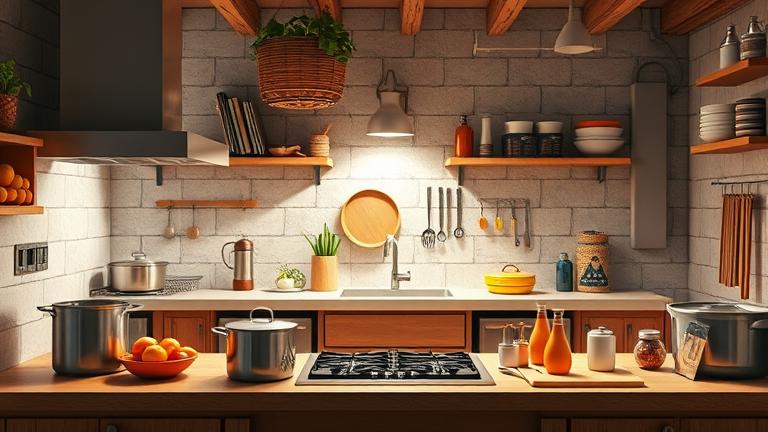
The home kitchen serves as the central space for both meal preparation and social gathering in most households. Kitchen designs typically focus on maximizing functionality by integrating essential elements such as countertops, storage cabinets, cooking appliances, and sinks. Modern approaches often incorporate ergonomic layouts like the “work triangle,” which minimizes the distance between the stove, sink, and refrigerator. This design optimizes workflow and reduces unnecessary movement during cooking.
In addition to function, kitchens reflect the occupant’s personal style through material choices, color palettes, and accessory selections, striking a balance between beauty and practicality. Crucial features include sufficient lighting, ventilation systems to maintain air quality, and durable surfaces capable of withstanding extensive food preparation tasks. Beyond cooking, the kitchen often doubles as a social hub for families and friends to connect, eat, and entertain. This multifunctionality informs design considerations to accommodate appliances, seating, and occasionally spaces for work or play.
Outdoor Cooking Spaces: Extending the Heart of the Home
Your Ultimate Outdoor Cooking Experience Video:
Outdoor kitchens and cooking areas have soared in popularity as desirable extensions of home living spaces. Equipped with grills, fire pits, and sometimes fully outfitted outdoor kitchens, these areas provide an engaging blend of cooking practicality and social interaction in the open air. Beyond grilling delicious meals, outdoor cooking zones foster a communal atmosphere, transforming meal preparation into a shared, memorable event.
Grills stand as the star attraction in outdoor culinary settings, prized for their ability to infuse food with smoky, rich flavors that indoor kitchens struggle to duplicate. Fire pits add ambiance and warmth, creating an inviting space to gather for roasting marshmallows or cooking simple foods over open flames. Outdoor kitchens take convenience further, featuring countertops, sinks, storage, and built-in grills or smokers, all designed for seamless food preparation without frequent trips indoors.
Designing an outdoor kitchen requires thoughtful planning for maximizing usable space while using durable, weather-resistant materials. Strategic work zones help optimize cooking flow and efficiency. These outdoor culinary spaces not only boost convenience but also encourage outdoor activity, family bonding, and a closer link to nature and fresh air. For further inspiration on enhancing your culinary space, check out creative cooking techniques suited for home use.
The Professional Edge: Commercial Kitchens
Commercial kitchens, designed for the demands of professional chefs, differ markedly from home kitchens in layout, specialized equipment, and operational flow. They are typically organized into zones dedicated to preparation, cooking, plating, and dishwashing, which promotes smooth workflow and helps prevent food cross-contamination. Durability and sanitation are key, with stainless steel surfaces commonly used for worktops and appliances.
Heavy-duty equipment dominates commercial kitchens, including industrial ranges, ovens, large refrigeration units, high-capacity dishwashers, and various specialty appliances such as salamanders, steamers, and deep fryers. Workspaces are sizable to accommodate large-scale food preparation, and advanced ventilation systems ensure safe air quality during continuous cooking operations. Significant attention is paid to safety and hygiene, with clearly defined areas for raw and cooked foods and rigorous cleaning regimens.
Operationally, commercial kitchens often employ the brigade system, assigning specific roles like saucier or garde manger to maintain efficiency and consistency. This professional structure contrasts with the more informal approach in home kitchens. Understanding these distinctions can benefit home cooks seeking improved efficiency and professional-grade results.
.For deeper insights into professional kitchen design and tools, visit [How to Season Cast Iron Pans Without an Oven](https://testfoodkitchen.com/how-to-season-cast-iron-pans-without-an-oven/), which highlights practical aspects of optimizing kitchen performance.
Unconventional and Culturally Diverse Cooking Locations
Beyond traditional home and commercial kitchens, a fascinating landscape of unconventional and culturally rich cooking locations exists worldwide. Portable stoves, for instance, have empowered outdoor cooking enthusiasts and nomadic populations by enabling meal preparation anywhere from camping sites to street markets. These compact, mobile devices offer flexibility and convenience, supporting trends in urban and mobile culinary innovation.
Community kitchens represent another inspiring model. Often located in urban areas, refugee camps, or communal living arrangements, these kitchens promote social engagement and shared resources. They act as vibrant meeting points where diverse culinary traditions blend, fostering inclusivity and communal nourishment. This arrangement supports sustainability and helps preserve cultural heritage through collective cooking and eating rituals.
Traditional cooking methods also highlight cultural uniqueness and relationship with the environment. Examples include Polynesian earth ovens, South Asia’s tandoor clay ovens, and indigenous open-fire grilling. These techniques emphasize slow cooking, participation of community members, and deep respect for natural materials and fire’s elemental role. Combined, portable stoves, community kitchens, and traditional methods underscore the adaptability and cultural significance of cooking beyond mainstream kitchen settings.