
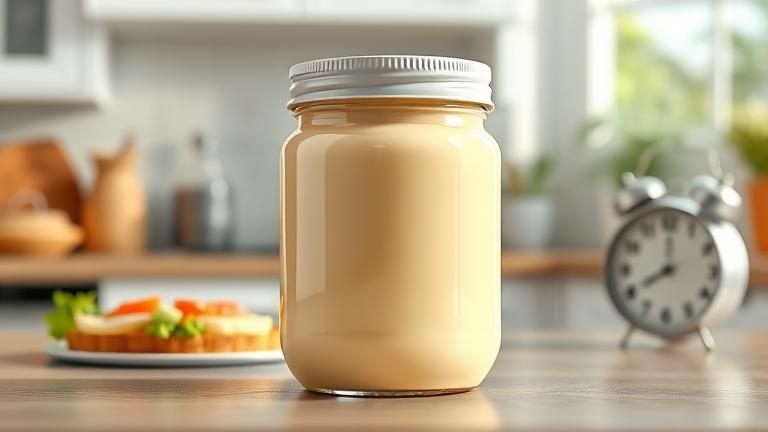
How Long Does Mayo Stay Fresh?
When it comes to mayonnaise, knowing how long it stays fresh is essential for enjoying its creamy taste safely. Mayo is a popular condiment used in sandwiches, salads, and dips, but like all perishable foods, it doesn’t last forever. The shelf life depends on storage conditions, whether it’s opened or unopened, and even the type of mayonnaise you have. Let’s explore how long mayonnaise remains good and how to tell if it’s time to toss it out.
Unopened store-bought mayonnaise usually has a long shelf life. You can typically keep it in your pantry for about three to four months beyond the date printed on the jar or bottle. That date is often a “best by” or “use by” date, which indicates when the product will be at its freshest but doesn’t mean it’s unsafe to eat after that date. Always check the packaging; if the mayo looks, smells, or tastes off, it’s best to discard it.
Once you open a jar or bottle of mayonnaise, its shelf life shortens. Generally, opened mayonnaise stays fresh for about two months when stored properly in the refrigerator. Keeping it cold slows down the growth of bacteria and mold, which can cause spoilage. Make sure to close the lid tightly after each use to prevent contamination and maintain its quality.
Factors that influence mayo’s freshness include:
- Temperature: Always store mayonnaise in the fridge, at or below 40°F (4°C). Leaving it out at room temperature for extended periods increases the risk of spoilage.
- Handling: Use clean utensils when scooping mayo. Using dirty spoons or knives can introduce bacteria and cause faster spoilage.
- Type of mayonnaise: Homemade mayo may have a shorter shelf life than commercial brands because it lacks preservatives.
A quick tip: always check for signs of spoilage before using mayo. If you see any discoloration, separation, or mold, it’s safest to throw it away. Also, if the mayo has a sour smell or an unusual tang, it’s a sign that bacteria may be growing.
To ensure maximum freshness, store mayo in the coldest part of your fridge, not in the door where temperatures fluctuate more. Remember, even if mayonnaise looks okay, if it’s been open for a long time or past its expiry date, it’s better to play it safe and discard it.
| Type | Unopened | Opened |
|---|---|---|
| Commercial mayonnaise | 3–4 months beyond best by date | About 2 months in the fridge |
| Homemade mayonnaise | N/A (best used within 3–4 days) | 3–4 days in the fridge |
By following these tips and keeping a close eye on your mayo’s appearance and smell, you can enjoy it safely and at its best taste. When in doubt, it’s always better to discard spoiled mayo rather than risking foodborne illness.
Signs Mayo Has Gone Bad
Knowing how to tell if mayonnaise has gone bad is crucial for safety and to enjoy its optimal flavor. Mayonnaise can spoil over time, especially if not stored properly. Being able to spot the signs of spoilage can prevent you from eating spoiled food and getting sick.
The most common signs that mayonnaise has gone bad include changes in smell, texture, and color. Paying attention to these cues will help you decide whether to toss it out or keep it refrigerated. Remember, when in doubt, it’s safest to throw it away.
Smell
One of the first signs mayonnaise has spoiled is a sour or off smell. Fresh mayonnaise has a mild, slightly tangy aroma, but if it smells strongly sour, rancid, or just different from what you remember, it’s likely no longer good. Trust your nose—if it smells bad, don’t taste it to check.
Texture
Spread mayonnaise should be smooth and creamy. If you notice it has become lumpy, watery, or separated into layers, it might be spoiled. Separation can happen naturally over time, but persistent or unusual separation, especially accompanied by a bad smell, is a red flag.
Color
Fresh mayonnaise is usually a consistent, pale white or ivory color. If it has dark spots, discoloration, or a yellowish tint beyond its normal shade, it could be spoiled. Be cautious if the color has changed significantly, especially if it looks moldy or strange.
Presence of Mold or Growth
If you see mold, fuzzy spots, or any kind of growth on the surface of the mayonnaise, discard it immediately. Mold can develop even inside the jar if it’s been stored too long or in warm conditions. Never eat mayonnaise with visible mold—throw it out.
Expiration Date
Always check the expiration date printed on the jar or container. If mayonnaise is past its expiration date, it’s safer to discard it. Even if it looks and smells fine, the quality and safety may be compromised. Keep in mind, opened mayonnaise will last about 2 to 3 months in the refrigerator, but it’s best to use it sooner.
Tips to Keep Mayo Fresh Longer
- Always store mayonnaise in the refrigerator after opening.
- Keep the lid tightly closed to prevent contamination.
- Use a clean utensil each time to scoop out mayonnaise to avoid introducing bacteria.
- Check your mayo regularly for signs of spoilage, especially if it’s been opened for a while.
By paying attention to smell, texture, color, and expiration dates, you can easily identify spoiled mayonnaise. When in doubt, throwing it out is the safest choice to keep your meals delicious and safe.
Proper Storage for Mayo Longevity
Storing mayonnaise properly is the key to keeping it fresh and safe to eat for as long as possible. Mayonnaise is a perishable condiment, so knowing the best storage practices helps prevent spoilage and foodborne illnesses.
The first step is to pay attention to temperature. Mayonnaise should always be stored in the refrigerator at or below 40°F (4°C). Keep it away from the fridge door, where temperatures fluctuate the most, and place it toward the back of the door or on a shelf for consistent cold storage.
Temperature stability is crucial because warm temperatures accelerate spoilage. Once mayonnaise warms up beyond the fridge temperature, bacteria and mold can grow more easily. Avoid leaving mayo out at room temperature for more than two hours, especially in warm weather or during outdoor gatherings.
Choosing the right container also matters. Always store mayonnaise in its original jar with a tight-fitting lid. If you transfer it to another container, make sure it’s clean and airtight. Containers with a screw-on lid or a snap-top seal work well for maintaining freshness.
When handling mayonnaise, use a clean spoon or utensil to scoop out what you need. Avoid dipping dirty or wet utensils into the jar, as introducing bacteria or moisture can speed up spoilage. After each use, tightly reseal the jar to keep air and contaminants out.
Additionally, check the expiration date on the jar. Even if it looks and smells fine, expired mayo may be unsafe to eat. Generally, opened mayonnaise lasts about two to three months in the refrigerator, but always verify with the specific product’s label.
For extra protection, some home cooks prefer storing mayo in smaller, individual containers. This way, you minimize the risk of contaminating the entire jar if it accidentally gets contaminated. Remember, always practice good hygiene and cleanliness in your kitchen when handling condiments.
Here are a few quick tips for maximum mayo shelf life:
- Keep mayonnaise refrigerated at all times, especially after opening.
- Store in an airtight container in the coldest part of the fridge.
- Use clean utensils to prevent contamination.
- Discard mayonnaise if it develops an off smell, unusual color, or mold.
- Limit exposure to heat and sunlight, which can degrade quality.
By following these simple storage tips, you can enjoy fresh, safe mayonnaise for weeks longer, reducing waste and keeping your dishes delicious and safe.
Can You Freeze Mayo?
Many home cooks wonder if freezing mayonnaise is a good idea. Mayo is a creamy condiment made from oil, eggs, and vinegar or lemon juice. Because of its ingredient list, some people worry about whether it will still be safe and tasty after freezing.
The short answer is that technically, you can freeze mayonnaise. However, it is not usually recommended. Freezing can change the texture and quality of mayo quite a bit. If you decide to freeze it, there are some important things to know first.
What Happens When You Freeze Mayo?
When mayonnaise is frozen, the water and oil parts tend to separate. This often leads to a grainy or watery texture once it thaws. The emulsion, or the smooth mixture that makes mayo creamy, breaks down in the freezing process. As a result, the once smooth mayo might look unappealing and be less enjoyable to spread or dip with.
Despite these changes, frozen and thawed mayo is still safe to eat. The main issue is the texture, which most people find less appealing. If mayo is used in cooked recipes or mixed into other ingredients, the texture change might not be noticeable. But for spreading on sandwiches or salads, it might not look or feel the same.
How to Freeze Mayo Properly
If you decide to freeze mayonnaise, follow these steps for the best possible outcome:
- Check the label: Some store-bought mayos contain preservatives that help maintain quality after freezing. Homemade mayo, without preservatives, might not freeze as well.
- Pour into an airtight container: Use a freezer-safe, airtight container or a strong resealable plastic bag. Remove as much air as possible to prevent freezer burn.
- Label and date the container: Write the date on the container so you know how long it has been frozen. Mayo can generally be frozen for up to 2 months.
- Leave some space: Leave a little room at the top of the container. Mayo expands as it freezes, and this space prevents it from bursting.
Thawing and Using Frozen Mayo
When you’re ready to use frozen mayo, do not thaw it at room temperature. Instead, transfer the container to the refrigerator and let it thaw slowly for several hours or overnight. This helps preserve safety and quality.
Once thawed, stir the mayo well with a spoon or whisk to help recombine any separated parts. Keep in mind that the texture may still be a bit grainy or watery. It is best used in recipes where mayo is stirred into other ingredients, like dressings or marinades, rather than spread directly on bread.
Tips and Warnings
- Frozen mayo is not ideal for sandwiches or dips served solo because of the texture change.
- If the mayo smells sour or looks discolored after thawing, discard it. Better safe than sorry.
- Considering these points, it might be better to buy a smaller jar of mayo if you don’t think you’ll use it all quickly.
Does Homemade Mayo Last Longer?
If you’ve ever wondered how long homemade mayonnaise stays fresh compared to store-bought versions, you’re not alone. Many home cooks ask whether making mayo at home affects its shelf life, especially since homemade recipes often skip preservatives. Understanding the differences can help you keep your mayo safe and tasty for as long as possible.
Homemade mayonnaise is typically made with simple ingredients like eggs, oil, vinegar or lemon juice, and sometimes mustard or other seasonings. Unlike store-bought mayo, which often contains preservatives and stabilizers, homemade versions rely solely on natural ingredients. As a result, their shelf life is usually shorter.
Ingredients and Preservatives
The key factor affecting shelf life is the absence of preservatives in homemade mayo. Commercial mayonnaise includes ingredients like calcium disodium EDTA or other additives that prevent bacterial growth and spoilage. These allow store-bought mayo to last several months when unopened and several weeks after opening, often up to 2-3 months.
In contrast, homemade mayo, lacking these additives, is more perishable. The presence of raw egg yolks also increases the risk of bacterial growth if not handled properly. This makes it essential to store homemade mayo properly and consume it within a shorter time frame.
Storage Considerations
To maximize the freshness and safety of homemade mayo, keep it refrigerated at all times. Use a clean, airtight container to prevent contamination. It’s best to store homemade mayo in the coldest part of your fridge, ideally at or below 40°F (4°C).
Always remember to use clean utensils when scooping out mayo, and avoid leaving it out at room temperature for extended periods. Because homemade mayo is more prone to spoilage, it’s wise to make smaller batches that you can consume within a week or two.
Estimated Shelf Life
| Type of Mayo | Unopened Shelf Life | Once Opened |
|---|---|---|
| Store-Bought | Up to 3-6 months | 2-3 months |
| Homemade | Usually 1-2 weeks | Best to use within 1 week |
Practical Tips
- Always check for changes in smell, color, or texture before using mayo, whether homemade or store-bought.
- If your homemade mayo develops an off smell or mold appears, discard it immediately.
- Making smaller batches reduces waste and ensures freshness.
- Using pasteurized eggs in your homemade mayo can slightly extend its safe shelf life.
In short, homemade mayo does not last as long as store-bought because it lacks preservatives. To keep it safe and tasty, store it properly in the fridge and consume it within a week or two. With careful storage, you can enjoy your homemade mayo without worries about spoilage.
Tips to Extend Mayo Shelf Life
Mayonnaise is a popular condiment that can add flavor to many dishes, but it doesn’t last forever. Knowing how to handle and store mayonnaise properly can help keep it fresh and safe to eat for longer. Whether you buy store-bought or make your own, these practical tips will help you extend its shelf life and enjoy it safely.
Choose the Right Storage Options
First, always store mayonnaise in the refrigerator at or below 40°F (4°C). Keep the jar tightly sealed after each use to prevent exposure to air and contaminants. If you’re using a squeeze bottle, make sure to close the cap tightly after every use. Store mayonnaise away from the fridge door, where temperatures fluctuate more frequently. The coolest part of your fridge, typically the back or middle shelves, is the best place for mayonnaise.
Practice Good Hygiene
Always use clean utensils or spoons when scooping mayo. Avoid dipping dirty utensils into the jar, as this can introduce bacteria and cause spoilage. If you accidentally touch the mayo with dirty hands or use a contaminated utensil, it’s best to discard the remaining product. Keeping your hands and utensils clean helps prevent bacterial growth that can shorten mayonnaise’s shelf life.
Follow the “First In, First Out” Principle
Use the older mayonnaise first before opening a new jar. This simple step helps ensure you consume it while it’s still fresh. Remember, once opened, mayonnaise typically stays good for about two months in the fridge, but always check for signs of spoilage before using it.
Monitor for Signs of Spoilage
Regularly inspect your mayonnaise. If it develops an off smell, changes in color, or an unusual texture, it’s time to throw it away. Mold or any separation that doesn’t go back when stirred can also indicate spoilage. Trust your senses—if something seems off, it’s safer to discard the product.
Additional Tips for Longer Shelf Life
- Mix homemade mayonnaise with fresh ingredients and keep it refrigerated for up to a week.
- Avoid leaving mayonnaise out at room temperature for extended periods, especially in warm weather. Bacteria can grow quickly in warm environments.
- Consider portioning mayonnaise into smaller containers if you don’t use it often. This reduces the risk of contamination from repeated opening.
- If you notice a runny or watery consistency, it could be a sign of spoilage or separation. It’s best to discard if in doubt.
Special Tips for Homemade Mayo
Homemade mayonnaise doesn’t contain preservatives like some store-bought brands. Keep it in an airtight container and refrigerate immediately after making. Use it within a week for the best quality and safety. Always use fresh eggs and proper egg-handling techniques when making homemade mayo to avoid foodborne illness.
FAQs About Mayo Shelf Life and Safety
Mayonnaise is a popular condiment that many home cooks keep in their refrigerator. Understanding how long it lasts and when it might pose a safety risk is important to prevent foodborne illness and keep your meals delicious.
How long does mayonnaise last in the refrigerator?
Unopened mayo typically stays good for about 2 to 3 months past the printed expiration date, as long as it is stored properly in the fridge. Once opened, mayo should be used within 2 months for the best quality and safety.
Always check the label for specific instructions, as some brands may have slightly different recommendations. It’s a good habit to mark the date you open the jar so you can keep track of how long it’s been open.
Can you tell if mayo has gone bad?
Yes, you can usually tell if mayo has spoiled by the smell, color, or texture. Fresh mayo has a creamy, mild scent. If it develops a sour smell or a strange, off-putting odor, it’s best to discard it.
Look for changes in color or the presence of mold on the surface. If the mayo appears watery or separated, it might still be safe if only slightly off, but it’s best to err on the side of caution.
- Note: Never taste mayo that looks or smells strange to test for safety.
What are the best storage tips for keeping mayo fresh?
To maximize mayo’s shelf life, keep it tightly sealed in the original jar or container. Store it in the main part of the refrigerator, away from the door, where temperature fluctuations are less common.
Make sure the spoon or knife you use to scoop mayo is clean to prevent introducing bacteria. Avoid leaving mayo out at room temperature for extended periods, especially in warm environments.
Is homemade mayo safer than store-bought?
Homemade mayo can be just as tasty, but it may also carry a higher risk of bacterial growth if not prepared or stored correctly. Since it often contains raw eggs, it’s crucial to use fresh, pasteurized eggs and keep the mayo refrigerated at all times.
Consume homemade mayo within 3-4 days and always use clean utensils and containers to reduce bacteria chances.
What are the safety guidelines for mayo consumption?
Follow these simple safety tips to prevent foodborne illness:
- Always check the expiration date before use.
- Keep mayo refrigerated at or below 40°F (4°C).
- Discard mayo if it has an off smell, color change, or visible mold.
- Use clean utensils to avoid cross-contamination.
By following these guidelines, you can enjoy your mayo safely and keep it tasting great for as long as possible.