
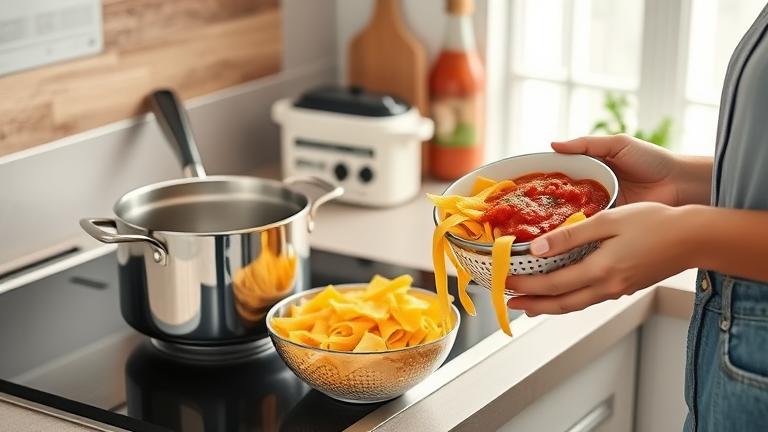
Tips for Preparing Pasta Ahead of Time
Preparing pasta in advance can save time and make meal planning easier, but it’s important to do it right so that your pasta stays fresh and retains a good texture until you’re ready to serve. Whether you want to make it the night before or a few hours ahead, these tips will help you keep your pasta delicious and ready-to-eat.
The key to preparing pasta ahead of time is to stop the cooking process at the right moment and store it properly. Overcooked or improperly stored pasta can become mushy or sticky, making it less enjoyable. Follow these practical tips for the best results.
Choose the Right Pasta
- Select high-quality pasta, preferably made from durum wheat. It holds its shape and texture better when pre-cooked.
- For dishes like salads or cold pasta meals, cook the pasta al dente — slightly underdone so it doesn’t turn mushy when stored.
Cook Pasta Properly
- Bring a large pot of salted water to a boil. Use about 1 tablespoon of salt per 4 quarts of water for flavorful pasta.
- Add the pasta and cook according to the package instructions, usually about 1-2 minutes less for al dente if preparing ahead.
- Test a piece to ensure it’s cooked perfectly for your needs.
Rinse and Cool Quickly
Once cooked, drain the pasta in a colander. To stop the cooking process and prevent sticking, rinse pasta under cold running water. This step is especially important for pasta stored for salads or cold dishes.
After rinsing, toss the pasta lightly with a small amount of oil, like olive oil, to keep it from sticking together. Use about 1 teaspoon of oil per cup of cooked pasta.
Store in an Airtight Container
Place the cooled pasta in a shallow, airtight container. Shallow containers help cool the pasta more evenly and quickly. Seal tightly to prevent moisture loss and avoid other fridge odors from affecting the pasta.
Label the container with the date so you know how long it has been stored.
Keep It Cold and Use Within a Certain Time
Store cooked pasta in the refrigerator at or below 40°F (4°C). It’s best to consume pre-cooked pasta within 2 to 3 days for optimal freshness and safety.
Before reheating, gently toss the pasta to loosen it. If it has stuck together, adding a splash of warm water or broth can help loosen it up when reheating.
Reheating Tips
- For best results, reheat pasta in boiling water for a minute or two, then drain.
- Alternatively, reheat in the microwave with a splash of water or sauce, covered with a microwave-safe lid or plastic wrap. Stir halfway through for even heating.
By following these simple tips, you can prepare pasta ahead of time without sacrificing flavor or texture. Proper storage, cooling, and reheating will help keep your pasta looking and tasting fresh, even when made a day before serving. Happy cooking!
Best Storage Methods for Cooked Pasta
Storing cooked pasta properly is key to keeping it fresh, flavorful, and safe to eat later. Whether you have leftovers from a family dinner or cooked a batch in advance, the right storage method makes all the difference. In this guide, you’ll learn simple and effective ways to store cooked pasta so it stays delicious until you’re ready to enjoy it again.
Cool and Store Quickly
Firstly, always cool cooked pasta as soon as possible after cooking. Leaving pasta out at room temperature for more than two hours can lead to bacteria growth. To speed up cooling, spread the pasta out on a baking sheet or large plate. This helps it cool evenly and prevents clumping.
Once cooled, transfer the pasta into an airtight container. If you’re storing pasta with sauce, make sure the sauce covers the pasta well to prevent it from drying out. Sealing tightly helps retain moisture and flavor, preventing it from absorbing odors from the fridge.
Refrigeration Tips
Cooked pasta stored in the refrigerator should be used within 3 to 5 days. Keep it at a consistent refrigerator temperature of 40°F (4°C) or below. Store the pasta in a sealed container or a resealable plastic bag, squeezing out as much air as possible for freshness.
- Label the container with the date to keep track of storage time.
- If pasta is stored with sauce, consider storing the sauce separately for longer freshness, then reheat together when ready.
When reheating, add a splash of water or broth to help revive the pasta’s texture and keep it from drying out. Reheat in the microwave, on the stovetop, or in the oven until steaming hot. Always check that it is heated evenly, especially if stored with sauce.
Freezing for Longer Storage
If you have more cooked pasta than you can eat within a few days, freezing is an excellent option. Portion the pasta into individual or family-sized servings. Place it in airtight containers or heavy-duty freezer bags. Removing excess air helps prevent freezer burn.
Label each container with the date. Cooked pasta can be frozen for up to 2 months, but for best quality, try to use it within this time frame. To defrost, transfer the pasta from the freezer to the fridge overnight, then reheat thoroughly. Avoid leaving it at room temperature to prevent bacteria growth.
Tips for Best Results
- Always cool pasta promptly before refrigerating or freezing.
- Use airtight containers to prevent moisture loss and odor absorption.
- Don’t store cooked pasta for more than 5 days in the fridge.
- Reheat thoroughly to an internal temperature of 165°F (74°C) for safety.
- For pasta with sauce, consider storing pasta and sauce separately if planning to freeze, to maintain texture and flavor.
When and How to Reheat Pasta Safely
Reheating pasta can be a quick and tasty way to enjoy leftovers, but it’s important to do it safely. Knowing the right timing and methods helps keep your pasta fresh, flavorful, and free from bacteria that can cause foodborne illness. Whether you have a small leftover portion or a big bowl from last night’s dinner, follow these friendly tips to reheat pasta properly.
When to Reheat Pasta
The best time to reheat pasta is within two days of cooking. The longer you wait, the higher the risk of bacteria growth, especially if it’s been left out at room temperature. If you stored your pasta properly in the fridge, it should be safe to reheat within this window.
Before reheating, always check the pasta for any signs of spoilage. If it smells sour, has a slimy texture, or shows mold or discoloration, it’s safer to toss it out. Do not eat pasta that looks or smells abnormal, even if it hasn’t been sitting for long.
Ideally, reheat pasta when you’re ready to eat. Avoid leaving leftovers out at room temperature for more than two hours, as bacteria multiply quickly at warm temperatures. Keep it refrigerated promptly after serving, and reheat only what you’ll eat in one sitting.
How to Reheat Pasta Safely
There are several methods to reheat pasta, each with its benefits. The key focus is to heat it evenly to kill any bacteria and prevent drying out. Here’s how:
- Using the Microwave: This is the fastest way. Place your pasta in a microwave-safe dish and add a splash of water or sauce to prevent it from drying out. Cover it loosely with a microwave-safe lid or wrap. Heat on medium power in 1-minute intervals, stirring gently each time until steaming hot throughout. The internal temperature should reach at least 165°F (74°C).
- Reheating on the Stove: For larger or more textured pasta dishes, this method works well. Put the pasta in a skillet or saucepan. Add a little water or broth, and cover with a lid. Warm on low to medium heat, stirring occasionally, until steaming hot. Use a food thermometer to ensure it reaches 165°F.
- Oven Reheating: This method works great for baked pasta or if you’re reheating a large amount. Preheat your oven to 350°F (175°C). Place the pasta in an oven-safe dish, cover with foil to lock in moisture, and bake for about 15-20 minutes until thoroughly heated. Check the temperature before serving.
Always ensure that the reheated pasta reaches a steaming hot temperature all around. Bacteria can survive if it’s only warm on the surface, so thorough heating is crucial for safety.
Avoid reheating pasta more than once. Each round of reheating increases the risk of bacterial growth and affects the pasta’s quality. If you have leftovers, reheat only what you plan to eat and store the rest promptly after heating.
For best results, store pasta in airtight containers in the fridge and double-check that your reheating methods heat it evenly. This way, your pasta stays safe, tasty, and ready whenever you crave it!
Easy Make-Ahead Pasta Recipes
If you’re looking for ways to save time without giving up on delicious meals, make-ahead pasta recipes are your best friend. These recipes can be prepared in advance and stored safely, so you can enjoy a tasty meal even on busy days. Whether it’s for a quick weeknight dinner or meal prepping for the week, easy make-ahead pasta is versatile and convenient.
One of the biggest advantages of make-ahead pasta is that the flavors often deepen overnight. The pasta absorbs the sauce more thoroughly, making each bite even tastier. Plus, storing cooked pasta is simple and keeps well in the refrigerator for a few days. You can reheat it quickly for a satisfying meal anytime. Here, we’ll cover how to prepare, store, and reheat pasta safely, along with some simple recipes to get you started.
Preparing Your Pasta in Advance
Start by cooking your pasta just a little under al dente, which means slightly firmer than usual. This prevents it from becoming mushy when reheated. Once cooked, drain the pasta and rinse it with cold water to stop the cooking process. This step helps keep the texture perfect when stored.
After rinsing, toss the pasta lightly with a little olive oil to prevent it from sticking together. Transfer it to an airtight container or a resealable plastic bag. Label the container with the date, so you know how long it’s been stored.
Most cooked pasta can be kept safely in the refrigerator for up to 5 days. For longer storage, consider freezing it, which can extend its shelf life up to 2 months. Remember to leave some space in the container if freezing, as the pasta might expand slightly.
Reheating Tips
Reheat the pasta gently to avoid overcooking. The microwave works well—cover the container with a damp paper towel to retain moisture. Heat in short bursts, stirring in between, until hot all the way through. Alternatively, reheat in a saucepan over low heat with a splash of water or broth, stirring often to keep the pasta from sticking or drying out.
Adding a splash of fresh sauce or a sprinkle of cheese after reheating can revive the dish and boost its flavor. Be careful not to reheat more than once, as repeated reheating might affect the texture and safety of the pasta.
Simple Make-Ahead Pasta Recipes
- Classic Spaghetti with Marinara: Cook pasta al dente, toss with marinara sauce, and store in the fridge. Reheat and serve with fresh basil and grated cheese.
- Pesto Pasta: Mix cooked pasta with basil pesto, store in an airtight container, and enjoy cold or warm. Add cherry tomatoes or cooked chicken for extra flavor.
- Cold Pasta Salad: Combine cooked pasta with chopped veggies, cheese, and a vinaigrette. Perfect for picnics and packed lunches.
- Beef and Pasta Bake: Assemble with cooked pasta, cooked ground beef, tomato sauce, and cheese. Bake until bubbly, then cool and store in the fridge. Reheat as needed.
With these tips and recipes, you can prepare tasty pasta dishes ahead of time, making mealtime easier and faster. Just remember to store, reheat, and enjoy safely for the best results. Happy cooking!
Common Mistakes in Preparing Pasta in Advance
Preparing pasta ahead of time can save you stress during busy mealtimes. However, there are some common mistakes that can spoil the flavor, texture, or safety of your pasta. Knowing these pitfalls helps you avoid messy surprises and ensures your dish stays delicious and safe to eat.
A frequent mistake is overcooking the pasta during the initial boil. If you cook pasta too long, it becomes overly soft and mushy once you reheat or combine it with sauces later. The goal is to cook it until it is just al dente, meaning it still has a slight firmness. This way, it won’t turn to mush when stored or reheated. Cutting the cooking time a minute or so short can make a big difference.
Another common error is rinsing the pasta after cooking. Many people rinse to stop the cooking process, but this washes away the surface starch needed for clinginess and flavor. Instead, drain the pasta but don’t rinse it if you plan to store or reheat it later. If you do want to rinse (for example, for a cold pasta salad), be prepared to add more dressing or sauce afterward because rinsing removes some flavor.
Storing cooked pasta improperly is a mistake that can lead to a soggy or dried-out dish. Always transfer the pasta to an airtight container soon after cooking. If you’re not eating it right away, let it cool slightly—hot pasta can trap moisture and cause condensation, which ruins the texture. Choose a container that seals tightly to keep the pasta from drying out or absorbing fridge odors.
Temperature control is also important. Avoid leaving cooked pasta at room temperature for more than two hours, especially in warm weather. Bacteria grow quickly at unsafe temperatures. If you plan to store it longer, put it in the fridge promptly. When reheating, make sure the pasta is heated to at least 165°F (74°C) to kill any bacteria.
A related mistake is adding oil to the cooking water. Some believe it prevents sticking, but it actually makes the pasta less receptive to sauces because the surface becomes slippery. Instead, stir occasionally during cooking and use enough water—about 4-6 quarts per pound of pasta—to prevent sticking. Adding a little salt to boiling water enhances flavor, but skip the oil.
One mistake often overlooked is not planning the pasta’s final use. For example, if you’re making a cold pasta salad, rinse the cooked pasta and toss it with a little oil to prevent sticking. For hot dishes, keep the pasta slightly undercooked so it doesn’t overcook when reheated.
- Tip: Label your stored pasta with the date, so you know how long it’s been in the fridge. Cooked pasta is best used within 3 to 5 days to maintain freshness and safety.
- Tip: When reheating, add a splash of water or sauce and cover to keep it moist and flavorful.
By avoiding these common mistakes, you can prepare pasta in advance without sacrificing quality or safety. A little extra care ensures your leftovers taste just as great as freshly cooked pasta.
Pasta Varieties for Make-Ahead Meals
Choosing the right type of pasta is key when planning make-ahead meals. Some pasta shapes and types hold up better after being cooked and stored, making your meal prep easier and more delicious later on. Whether you’re preparing a big batch of baked ziti, pasta salad, or a creamy Alfredo, knowing which pasta to use can save you time and keep your dish tasting fresh.
Best Pasta Types for Make-Ahead Dishes
For make-ahead meals, it’s best to select pasta varieties that don’t become mushy or sticky when stored and reheated. Here are some top choices:
- Penne: Its tubular shape with ridges helps hold sauces well. It maintains texture after storage, making it great for baked dishes or cold pasta salads.
- Rigatoni: Similar to penne but larger, rigatoni is sturdy and holds up nicely when cooked ahead.
- Fusilli: Its spiral shape traps sauce and ingredients inside, making it taste freshly made even after storage.
- Farfalle: Also known as bowtie pasta, it’s ideal for salads because it keeps its shape and texture.
- Orzo: Small rice-shaped pasta perfect for soups or cold salads that you prepare in advance.
- Whole wheat or gluten-free options: These can work well for make-ahead meals if cooked properly, offering added nutritional benefits.
Tips for Cooking and Storing Pasta
To make your make-ahead pasta meals successful, follow these tips:
- Cook pasta al dente: Don’t overcook. It means the pasta will be slightly firm to the bite, which helps it hold its texture after reheating.
- Drain and rinse: After cooking, drain the pasta thoroughly and rinse with cold water to stop the cooking process. This step prevents mushiness.
- Use plenty of sauce: When storing, mix cooked pasta with enough sauce or moisture. This keeps it from drying out and sticking together.
- Store in airtight containers: Transfer pasta to airtight containers to prevent drying and bacterial growth.
- Label and date: Always label your containers with the date to keep track of freshness.
Reheating Made Easy
Reheating pasta for make-ahead meals is simple when you follow these methods:
- Microwave: Add a splash of water or sauce. Cover with a microwave-safe lid or plastic wrap. Warm in short bursts, stirring in between for even heating.
- Stovetop: Heat in a skillet or pot over low-medium heat. Add a little water or broth to prevent sticking. Stir occasionally until hot.
- Baked dishes: If your pasta is part of a casserole, reheat in the oven at 350°F (175°C) covered with foil for about 20-30 minutes, until heated through.
Keep in mind that pasta with creamy sauces may need a quick stir or additional liquid during reheating to maintain its consistency. Also, avoid reheating pasta more than once, as this can affect taste and texture.
Summary
With the right pasta varieties like penne, rigatoni, or fusilli, and proper cooking and storage methods, you can enjoy delicious make-ahead meals anytime. Preparing ahead not only saves time but also ensures you have tasty, satisfying dinners ready when needed.
Quick Tips for Keeping Pasta Fresh
When you prepare pasta in advance, it’s important to keep it fresh and maintain its texture so it stays delicious when you’re ready to serve. Proper storage can make a big difference in avoiding sogginess or dryness. Here are some simple, effective tips to help you keep your pasta fresh and tasty.
First, consider how you plan to store cooked pasta. If you want to keep it for a few hours or overnight, transfer it to an airtight container. This helps prevent it from drying out or absorbing other odors from your fridge. Before sealing, toss the pasta lightly with a small amount of olive oil. This coats the noodles and prevents them from sticking together. Just a teaspoon or two is enough for a standard serving.
If you need to store pasta for longer than a day, you can refrigerate it for up to 3-5 days. Make sure to use a clean, airtight container or resealable plastic bag. When storing cooked pasta, try to drain any excess water or sauce. If you plan to reheat it with sauce later, it’s okay to leave a little sauce on, as it helps keep the noodles moist.
When reheating, add a splash of water or broth and cover the container with a microwave-safe lid or plastic wrap. This traps steam and helps revive the pasta’s soft texture. Reheat in short bursts, stirring between sessions, until it’s hot all the way through. Alternatively, you can reheat pasta on the stove in a skillet with a little extra sauce or oil for even better flavor and texture.
- Do not freeze plain cooked pasta: Freezing can make pasta soggy and mushy when thawed. It’s better to freeze cooked pasta only if it’s mixed with a sauce that helps preserve its texture.
- Use freshly cooked pasta within 2 days: Even with good storage, pasta tastes best when eaten fresh. If it’s been longer than that, check for signs of spoilage like a sour smell or slimy texture.
- Avoid storing large amounts of dry pasta in the fridge: Keep dry pasta in a cool, dark place in an airtight container or its original packaging. It can last for months and doesn’t need refrigeration.
Remember, pasta can dry out or become sticky if left uncovered or stored improperly. Taking a few moments to store it correctly saves you time and keeps your dish tasting freshly made. With these simple tips, your pasta stays flavorful, tender, and ready to enjoy whenever you choose to serve it.