
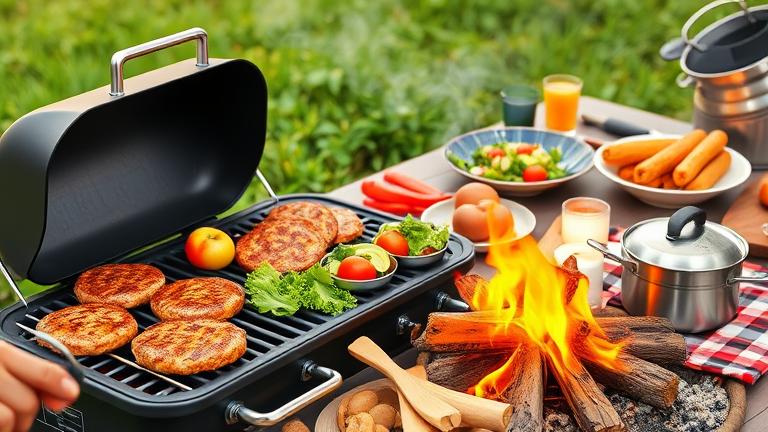
Best Outdoor Cooking Ideas
Enjoying the outdoors while preparing tasty meals can be both fun and rewarding. Whether you’re planning a backyard barbecue or a camping trip, there are plenty of creative ways to make your outdoor dining experience special. The key is to choose simple, flavorful recipes that work well over open flames or portable grills. Here are some popular and practical outdoor cooking ideas to inspire your next adventure.
One of the easiest ways to start is with classic grilling. Grilled burgers, hot dogs, or veggie skewers are always crowd-pleasers. To add a twist, try marinating your meat or vegetables beforehand. This adds extra flavor and keeps them juicy. Remember to preheat your grill and clean the grates before cooking for the best results. Use tongs and a spatula to handle food safely, and keep a spray bottle nearby to control flare-ups.
If you want to explore more than grilling, consider outdoor baking. A portable pizza oven or cast-iron skillet is perfect for baking bread, flatbreads, or even small desserts like cobblers. For instance, you can assemble homemade pizza on a pizza stone and bake it directly over hot coals. This method delivers a crispy crust and gooey cheese. Cast-iron pans are versatile, letting you fry, sauté, or bake while camping or in your backyard.
Another creative outdoor cooking idea is using a smoker. Smoking infuses food with rich, smoky flavors that amplify your meal. You can smoke everything from ribs and brisket to salmon and vegetables. Be patient, as smoking can take several hours, but the results are definitely worth it. A smoker is portable too, making it a great addition for camping or patio cookouts.
For a quick and fun activity, try foil packet cooking. Wrap seasoned ingredients such as shrimp, potatoes, or chicken in aluminum foil and place them on the grill or over hot coals. This method ensures even cooking and makes cleanup a breeze. Plus, you can get creative with different flavor combinations, adding herbs, lemon slices, or spices to the packets.
- Tip: Always check that your outdoor cooking equipment is working properly and safe to use.
- Tip: Keep a spray bottle of water handy for flare-up control, especially when grilling fatty meats.
- Tip: Use food-safe thermometers to ensure meats are cooked to the proper internal temperature, avoiding undercooking or overcooking.
For those who love a bit of adventure, try cooking over open flames using campfire methods. Wrap ingredients in leaves or foil and cook directly in hot embers. You can also use a sturdy grill grate placed across a campfire for direct grilling. Remember to always follow safety guidelines, keep a safe distance from the fire, and monitor your cooking carefully.
From simple grilling to more elaborate smoked dishes and foil packets, outdoor cooking offers endless possibilities for delicious meals outside. With a little planning and some basic equipment, you can turn an ordinary outdoor space into a culinary playground. So gather your ingredients, get your gear ready, and enjoy the fresh air with fantastic food you made yourself.
Grilling and BBQ Tips
Grilling and barbecuing are wonderful ways to enjoy outdoor cooking and bring out rich, smoky flavors in your favorite foods. Whether you’re new to grilling or looking to improve your skills, these essential tips will help you achieve perfect results every time.
Preparing Your Grill
Start by cleaning your grill thoroughly before each use. Remove leftover ashes, grease, and debris to ensure even cooking and prevent flare-ups. For charcoal grills, use high-quality charcoal and let it heat until it’s covered with a light gray ash. If you’re using a gas grill, check the burners and ensure they’re clean and working properly.
Preheating your grill is key. It helps seal in juices and prevents food from sticking. Turn on the grill and heat it for about 10-15 minutes before adding food, especially if you’re cooking thick steaks, chicken breasts, or vegetables.
Controlling Heat
Mastering heat control is vital for perfect grilling. For charcoal grills, build a two-zone fire — one side with high heat for searing and another with lower heat for cooking through. Gas grills have separate burners; turn some on high and keep others off or on low.
Use the grill’s lid to create an oven-like environment, especially for thicker cuts. Keep the lid closed when cooking to retain heat and smoke, but open it to check or turn food. Adjust the vents on charcoal grills to control airflow and temperature.
Cooking Techniques
Always start with clean, well-oiled grates. Use tongs and a brush to apply oil to the grates just before cooking. This helps prevent sticking and creates grill marks. When placing food on the grill, avoid pressing down on it with a spatula, as this squeezes out juices and can make it dry.
For even cooking, turn your food regularly. Use tongs instead of a fork, which helps retain juices. Use a meat thermometer to check internal temperatures. This ensures meats are safely cooked but juicy. For example, a medium steak should reach 145°F, while chicken breasts need 165°F.
Tips for Perfect Results
- Marinate meats ahead of time to add flavor and tenderness.
- Pat dry meats before grilling to promote proper searing.
- Use a spray bottle with water to control flare-ups from dripping fat.
- Let grilled meats rest for a few minutes after cooking. This allows juices to redistribute for maximum flavor and tenderness.
- Experiment with wood chips or chunks for added smoky flavor if using a charcoal grill.
Common Mistakes to Avoid
- Overcrowding the grill, which lowers temperatures and causes uneven cooking.
- Cooking food straight from the fridge, which can lead to uneven interior cooking.
- Peeking too often, which releases heat and prolongs cooking time.
- Using dull tools — sharpen your tongs and spatulas for better control.
Safety First
Always keep a spray bottle of water handy for flare-ups. Never leave the grill unattended while cooking. Use long-handled tools to keep a safe distance from heat and flames. And remember to turn off the grill and clean it after use to prevent accidents and rust.
Easy Campfire Recipes
Introduction to Cooking Over a Campfire
Cooking over a campfire is a fun and fulfilling way to enjoy your outdoor adventure. It doesn’t have to be complicated. Simple recipes can turn your campsite into a delicious feast. The key is to choose easy-to-make dishes that require minimal prep and tools. Whether you’re a beginner or just want quick meals, these recipes will help you enjoy tasty food with little fuss.
Essential Tips for Campfire Cooking
- Use the right equipment, like a cast-iron skillet, foil packets, and skewers. These are durable and perfect for campfire setups.
- Build a good fire with lots of hot coals. They provide steady heat for cooking evenly.
- Keep ingredients handy and organized before you start. It makes cooking more efficient and fun.
- Practice safety. Always watch your fire, keep a water bucket nearby, and be careful with hot surfaces.
Popular Easy Campfire Recipes
1. Foil Packets
Foil packets are a campfire classic. They’re super versatile and easy to customize with your favorite ingredients. Simply place chopped vegetables, meats, and seasonings on a large piece of aluminum foil. Fold the foil into a secure packet.
Place the packets on hot coals and cook for about 20-30 minutes. Turn them occasionally to ensure even cooking. Once done, carefully open the foil (watch out for hot steam) and enjoy a hot, flavorful meal.
- Tip: Add sliced potatoes, peppers, onions, and sausage for a hearty meal.
- Tip: Wrap bread or tortillas to scoop up the leftovers.
2. S’mores
No campfire list is complete without S’mores. They’re easy, sweet, and loved by kids and adults alike. All you need are graham crackers, marshmallows, and chocolate bars.
Skewer the marshmallow on a stick and hold it over the fire till golden and gooey. Sandwich the marshmallow and a piece of chocolate between two graham crackers. The heat will melt the chocolate slightly, blending all flavors together.
- Tip: For extra fun, try different chocolates or add peanut butter.
- Tip: Keep marshmallows at a safe distance from the flames to avoid burning.
3. Campfire Egg in a Bag
This is a simple way to enjoy a fried egg outdoors. Crack an egg into a small, sealable plastic bag or a reusable silicone bag. Add salt, pepper, or herbs if you like.
Seal the bag tightly, then place it carefully in hot campfire coals. Wait about 5-7 minutes, checking occasionally. When the egg is set, carefully remove and enjoy straight from the bag or on bread.
- Tip: Be cautious with plastic bags. Use food-grade, heat-safe bags or silicone containers.
- Tip: Add cheese or salsa to customize your egg.
Safety and Cleanup
Always prioritize safety. Never leave the fire unattended and make sure it’s completely out before leaving the campsite. Use gloves when handling hot equipment, and be careful with boiling or hot ingredients.
Cleaning is easier than you think. Use biodegradable soap and water if available. Otherwise, wipe down utensils with a damp cloth and pack out all trash, including food scraps, to protect the environment.
Enjoy Your Outdoor Cooking Adventure
With these easy campfire recipes, you can prepare satisfying meals and treats with minimal fuss. Remember, the best part of outdoor cooking is the fun and memories made around the fire. Happy camping and happy eating!
Outdoor Breakfast and Lunch
Waiting to enjoy a delicious breakfast or lunch outdoors can be one of the best parts of a day out. Whether you’re camping, having a picnic, or relaxing in your backyard, preparing hearty and satisfying meals makes the experience even better. The key is to choose foods that are easy to pack, simple to prepare, and full of flavor. Let’s explore some ideas and tips to help you craft perfect outdoor meals.
Tips for Planning Outdoor Meals
- Choose portable ingredients: Go for foods that are lightweight and don’t need refrigeration for long periods, like nuts, dried fruits, fresh fruits, and sturdy bread.
- Prep ahead: Prepare ingredients at home to save time outdoors. Slice fruits, cook eggs, or assemble sandwiches before leaving.
- Use the right equipment: Pack a portable cooler, a small portable stove, or a grill if possible. A sharp knife, cutting board, and basic utensils will make meal prep easier.
- Mind safety: Keep perishable foods cold and clean hands and surfaces regularly to avoid foodborne illnesses.
Hearty Outdoor Breakfast Ideas
Starting your day outdoors? Here are some filling breakfast options that travel well and taste great in the open air.
- Breakfast Burritos: Wrap scrambled eggs, cheese, beans, and cooked meats like sausage or bacon in a sturdy tortilla. Wrap it in foil for easy transport and heat it on a portable stove if you want it warm.
- Overnight Oats: Prepare jars of oats soaked in milk overnight. Add fruits and nuts before heading out for a quick, nutritious breakfast.
- Yogurt Parfaits: Layer yogurt, granola, and fresh berries in portable containers. Perfect for a quick start with minimal prep.
- Fresh Fruit & Nut Mix: Pack bananas, apples, or oranges along with trail mix. It’s simple, healthy, and energy-boosting.
Satisfying Outdoor Lunch Ideas
For lunch, the focus is on filling, easy-to-make dishes that keep well until mealtime.
- Sandwiches & Wraps: Classic ham, turkey, or veggie sandwiches are simple to prepare the night before. Use sturdy bread or large lettuce leaves as wraps to hold everything together.
- Grilled Skewers: Thread pieces of chicken, beef, or vegetables onto skewers. Grill them over a portable grill for a smoky flavor.
- Picnic Pasta Salad: Cook pasta ahead of time and toss with olive oil, vegetables, cheese, and herbs. It can be served cold or at room temperature.
- Cold Fried Chicken: Prepare and pack fried chicken the day before. Its flavors deepen overnight and it stays delicious even when cold.
Additional Tips for Outdoor Dining
- Repackage leftovers: Use resealable containers to keep food fresh and easy to pack away.
- Bring plenty of water: Staying hydrated outdoors is vital. Add flavored water with slices of lemon or cucumber for variety.
- Cleanup: Pack biodegradable plates, utensils, and trash bags to keep the outdoor space clean.
Portable Cooking Gear Guide
When it comes to outdoor cooking, having the right portable gear can make all the difference. Whether you’re camping, picnicking, or just cooking on the go, the goal is to find equipment that is lightweight, reliable, and easy to use. In this guide, we’ll introduce some of the best portable cooking gear options so you can enjoy tasty meals outside without hassle.
Must-Have Portable Cooking Equipment
- Camping Stoves: Compact and lightweight, camping stoves come in various types. The most popular are canister stoves that screw onto small propane or isobutane canisters. They are easy to pack and quick to light, making them ideal for solo trips or small groups.
- Portable Grills: If grilling is your thing, consider a small, foldable grill. These are perfect for barbecue lovers and can usually be carried in a backpack or car trunk. Electric portable grills are another option for places with power access.
- Camping Pots and Pans: Look for lightweight, durable sets made from materials like aluminum or titanium. Non-stick coatings help with cleaning, and nesting designs save space in your backpack.
- Fuel and Power Sources: Always pack extra fuel canisters or batteries for your gear. Solar chargers are a good eco-friendly choice for recharging small devices or powering electric grills.
Additional Useful Items
- Portable Utensil Sets: Invest in a compact set that includes a spatula, spoon, knife, and tongs. Foldable or nesting utensils save space and are easy to carry.
- Cutting Boards and Food Storage: Flexible cutting mats work well for outdoor use, and lightweight containers keep your ingredients fresh and organized.
- Insulated Food Bags and Coolers: Keep perishable ingredients cold with a reliable cooler or insulated bag. Sizes vary based on your group’s needs, so choose one that fits your typical meals.
- Windbreaks and Shelter: Collapsible wind screens protect your flame and improve cooking efficiency. Lightweight tents or pop-up shelters can also shield your gear and keep you comfortable.
Tips for Choosing the Best Portable Cooking Gear
- Consider weight and size: You’re packing for outdoor adventures, so choose gear that is lightweight but sturdy.
- Think about fuel options: Check what fuels are available at your destination to ensure compatibility.
- Ease of cleaning: Select equipment with simple setups and easy-to-clean surfaces to save time and effort.
- Durability: Invest in gear made from quality materials that can withstand outdoor conditions.
Safety and Maintenance Tips
Always read the manufacturer’s instructions before using new equipment. Keep fuels away from heat and open flames when not in use. After your trip, clean your gear thoroughly to prevent rust and buildup. Store everything in a dry, cool place to prolong its lifespan.
With the right portable cooking gear, outdoor meals become fun and stress-free. Pick items that match your activity level, group size, and personal preferences. Happy cooking and outdoor adventures!
Outdoor Cooking Safety Tips
Cooking outdoors is a fun way to enjoy the fresh air and delicious food. However, it’s important to keep safety in mind to prevent accidents and make sure everyone stays safe. Whether you’re grilling, using a camp stove, or cooking over an open fire, following some basic safety tips can help you have a worry-free experience.
First, always set up your cooking area in a flat, stable spot away from trees, bushes, or other flammable materials. Keep a safe distance from tents, chairs, and other camping gear that could catch fire. Never cook near dry grass or leaves, especially in windy conditions, as sparks can quickly cause a fire.
Preparing Your Equipment Safely
- Check your grill, stove, or fire pit before use. Look for leaks, cracks, or other damage that could cause accidents.
- Keep all equipment clean. Built-up grease or food residue can cause flare-ups or fires.
- Use long-handled tools and heat-resistant gloves to keep your hands safe from hot surfaces and splatters.
Managing Fire and Heat
When working with an open flame or hot coals, always have a way to extinguish a fire nearby, like a bucket of water, a fire extinguisher, or a hose. Never leave a lit grill or fire unattended. Children and pets should stay well away from hot surfaces to avoid burns.
Food Safety and Hygiene
- Cook meat, poultry, and seafood to the proper internal temperatures to kill harmful bacteria. Use a meat thermometer if you have one.
- Wash your hands or use hand sanitizer before handling food, especially after touching raw meat.
- Keep raw and cooked foods separate to prevent cross-contamination. Use different plates and utensils for raw and cooked items.
Handling Leftovers and Clean-up
Refrigerate leftovers promptly to keep them safe to eat. Use cooler boxes with ice packs if you’re outdoors for longer periods. After cooking, clean your tools, grill, and cooking area thoroughly to remove grease and food debris, reducing fire risk and keeping pests away.
Weather and Environmental Considerations
Be mindful of the weather. Avoid outdoor cooking during heavy wind, rain, or thunderstorms, as these conditions can increase hazards. Also, respect local fire regulations and fire bans, especially during dry seasons, to prevent wildfires.
Additional Tips for a Safe Cooking Experience
- Wear appropriate clothing that won’t catch fire easily, like tight-fitting clothes rather than loose sleeves.
- Stay alert and never get distracted while cooking with open flames or hot equipment.
- Inform someone about your outdoor cooking plan and location, especially if you’re in a remote area.
By following these outdoor cooking safety tips, you can enjoy your time outdoors while keeping everyone safe. Preparation and awareness are key to preventing accidents and ensuring a fun, delicious outing.
Quick Hacks for Outdoor Meals
Planning outdoor meals can be fun, but it can also be stressful if you’re short on time. Fortunately, there are simple hacks to make your cooking faster and easier without sacrificing taste. Whether you’re camping, having a picnic, or grilling in your backyard, these tips will help you whip up delicious meals in no time.
Prep Everything Before You Leave
One of the best ways to save time on outdoor cooking is to prepare as much as possible ahead of time. Chop vegetables, marinate meats, or pre-measure spices at home. Store ingredients in lightweight containers or resealable bags for quick access. This way, when it’s time to cook, you won’t waste precious minutes fussing over prep work.
Use Multi-Purpose Ingredients
Choose ingredients that can serve multiple purposes. For example, a jar of hummus can be a dip, spread, or flavor enhancer for wraps. Pre-cooked rotisserie chicken is versatile for salads, sandwiches, or skewers. By selecting flexible ingredients, you reduce the need for extra shopping or extra cooking steps.
Incorporate Easy-to-Cook Proteins
Opt for proteins that cook quickly and require minimal fuss. Think of items like pre-cooked sausages, shrimp, or thin steak cuts. Grill them for just a few minutes per side, and they’re ready. Using these shortcuts saves time and keeps your outdoor meal simple.
Invest in the Right Tools
Having the right gear can make outdoor cooking much faster. Portable grills, non-stick pans, and compact utensils help speed up meal prep. A grill spray or oil spray can prevent sticking and make cleanup easier. Also, consider packing a small cutting board, sharp knives, and pre-cut ingredients to cut down on prep time.
Plan One-Pot or One-Pan Meals
Minimize dishes by choosing recipes that require only one pot or pan. Think of pasta salads, foil pack meals, or stir-fries cooked right on the grill. These meals are quick to cook and easy to clean up after, leaving more time for relaxing.
Streamline Serving and Cleanup
Use disposable plates and utensils for less cleanup, or pack reusable ones that are lightweight. Set up a designated area for trash and recycling, so you can clear away waste promptly. Wipe down surfaces quickly with moist wipes or cloths to keep your outdoor kitchen neat and ready for the next round.
Smart Snacks and Ready-Made Sides
- Carried fresh fruit, nuts, or trail mix for quick snacks.
- Bring store-bought salads or pre-made veggie trays for sides.
- Pre-packaged bread, chips, or crackers add crunch without extra prep.
Common Mistakes to Avoid
- Waiting until last minute to shop or prep, which leads to rush cooking.
- Using ingredients that require long cooking times.
- Overpacking or forgetting essential tools, causing delays.
With these quick hacks, outdoor meals become more effortless and enjoyable. Focus on relaxing while still serving up tasty dishes. Remember, good prep and simple ingredients are your best friends when it comes to outdoor cooking!