
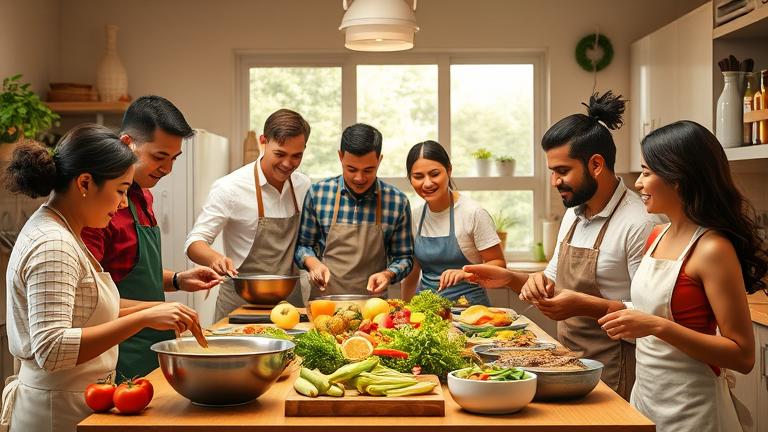
Why Do People Find Cooking Enjoyable?
Many people discover that cooking isn’t just about preparing meals, but also about experiencing joy and satisfaction. The act of cooking engages multiple senses, such as smell, taste, and sight, which can make the process highly pleasurable. When the aroma of fresh herbs or baked bread fills the kitchen, it triggers a comforting and happy response.
Beyond the sensory experience, cooking offers a sense of achievement. Successfully creating a meal from scratch gives a feeling of pride and confidence. It can also be a creative outlet, allowing individuals to experiment with flavors, colors, and presentation. This creative process makes cooking feel less like a chore and more like an art form.
Another reason many find cooking enjoyable is its emotional benefit. Preparing a favorite dish can evoke happy memories or bring comfort during tough times. Food has a special way of connecting us to loved ones. Sharing a homemade meal with family and friends can strengthen bonds and create a sense of belonging.
Psychologically, cooking can be a stress-reliever. The focused activity helps take your mind off worries and calms the mind. Many cooks find that following a recipe or chopping vegetables can be meditative, giving a break from daily stressors. It’s also rewarding to see the tangible results of your efforts, which boosts mood and self-esteem.
Practical Tips for Enjoying Cooking Even More
- Try cooking new recipes to keep it exciting and fresh.
- Use fresh ingredients for better flavors and a sense of freshness.
- Play your favorite music in the background to create a cheerful atmosphere.
- Invite friends or family to cook with you, making it a social activity.
Sometimes, the enjoyment of cooking comes from the little victories, like perfecting a sauce or baking a loaf of bread. These moments can make everyday cooking feel more rewarding. It’s also helpful to remember that mistakes are part of the learning process and can be fun to troubleshoot and improve upon.
In conclusion, people find joy in cooking because it stimulates our senses, offers chances for creativity, and connects us emotionally to ourselves and others. Whether you’re making a simple breakfast or an elaborate dinner, the act of preparing food provides countless opportunities for happiness and personal growth.
The Benefits of Cooking at Home
Cooking at home offers many advantages that can improve your life in simple, delightful ways. When you prepare meals yourself, you have more control over what goes into your food, helping you make healthier choices. It’s also a great way to save money because store-bought meals, takeout, and dining out can add up quickly.
One of the biggest benefits of home cooking is the ability to tailor meals to your dietary needs and preferences. You can reduce salt, sugar, and unhealthy fats, while boosting nutrition with fresh vegetables, whole grains, and lean proteins. This makes it easier to maintain a balanced diet and stay energetic throughout the day. Plus, cooking in makes it simple to avoid ingredients you might be allergic to or want to limit.
Beyond health, cooking at home is a wonderful way to bond with family and friends. Preparing a meal together can be a fun activity that brings everyone closer. Children learn valuable skills and develop a positive attitude toward healthy eating when they participate in cooking. Sharing a meal you’ve made creates memories and strengthens relationships.
Another key benefit is the opportunity to experiment and get creative in your kitchen. Trying out new recipes or making tweaks to favorite dishes can be both satisfying and inspiring. It’s a chance to learn about different cuisines, flavors, and cooking techniques. Over time, this practice builds your skills and confidence as a home cook.
Cooking at home also gives you peace of mind about food safety. You control the freshness of ingredients and how thoroughly foods are cooked. This reduces the risk of foodborne illnesses from contaminated or mishandled foods you might experience when eating out.
Many home cooks find it rewarding and relaxing to prepare their own meals. Cooking can be a stress reliever after a busy day, turning a routine task into a calming ritual. Plus, it’s a great way to teach kids responsibility, organization, and patience.
To get started with enjoying these benefits, keep a well-stocked kitchen with essentials, find simple recipes you like, and set aside dedicated time for cooking. Don’t worry about making everything perfect; even simple dishes made with love have big impacts. Remember, every meal you prepare at home is a step toward a healthier, more connected, and budget-friendly lifestyle.
How Cooking Boosts Creativity and Creativity
Cooking is more than just following recipes; it’s a wonderful way to express your creativity. When you step into the kitchen, you have the chance to experiment with flavors, ingredients, and techniques. Every dish you make is a personal canvas where you can add your unique touch.
Trying out new ingredients or combining unexpected flavors can lead to delicious surprises. For example, blending earthy spices with sweet fruits or adding herbs to a classic dish can refresh your favorite recipes. This freedom to experiment helps develop your palate and encourages innovative thinking in the kitchen.
Making cooking a creative activity can also boost your confidence. As you try new ideas and see what works, you learn to trust your instincts. Over time, you might even develop your own signature dishes that reflect your personality and taste preferences.
Cooking fosters problem-solving skills as well. If a dish doesn’t turn out as planned, you can tweak the flavors, adjust the cooking time, or change the presentation. This process encourages flexible thinking and resilience, essential traits for any creative pursuit.
Also, personal culinary innovation isn’t just about creating new recipes from scratch. It can mean putting your spin on traditional dishes. For example, you might add a modern twist to a family recipe or adapt a dish to accommodate dietary needs. These modifications allow you to make dishes truly your own.
Here are some practical ways to boost your culinary creativity:
- Try new ingredients regularly, like different herbs, spices, or vegetables.
- Experiment with flavor pairings outside your usual comfort zone.
- Take inspiration from other cuisines, books, or food blogs.
- Practice presenting your dishes nicely; presentation is part of creativity.
- Keep a cooking journal to note what works and what doesn’t.
Remember, the goal isn’t perfection but enjoyment and discovery. Whether you’re a beginner or an experienced cook, embracing creativity in cooking can bring new excitement to your meals. It keeps the process fun and helps turn everyday cooking into a personal expression of your taste and style.
The Social Side of Cooking
Cooking is more than just preparing food; it’s a wonderful way to bring people together. Sharing a meal creates opportunities for connection, conversation, and fun moments with family, friends, or even new acquaintances.
Many traditions revolve around food. Whether it’s a holiday feast, a weekend barbecue, or a simple family dinner, these gatherings strengthen relationships and build memories. Cooking together can be a great way to bond and teach younger generations about cultural heritage and family recipes.
Getting involved in collective cooking activities is also a fantastic way to meet new people. Community kitchens, potlucks, or cooking classes bring folks with common interests into the same space. These environments encourage sharing tips, swapping recipes, and trying new dishes, all while relaxing and having fun.
It’s not just about eating, either. The act of preparing food collaboratively can be a team effort. For example, assembling a pizza with toppings everyone loves, or preparing multiple dishes for a big celebration, makes the experience more engaging and enjoyable.
Here are some ways to make your cooking more social:
- Invite friends or family over for a meal prep session or a cooking party.
- Join local cooking classes or community workshops to meet others who enjoy food like you.
- Share recipes and cooking tips online or through a neighborhood group. Connecting digitally can lead to real-world meetups.
- Participate in potlucks, where everyone brings a dish to share, fostering a spirit of generosity and variety.
- Volunteer to cook meals at community centers or charities, turning your culinary skills into a way to serve others.
Cooking with others helps break down barriers, makes the process more enjoyable, and often results in tastier, more creative dishes. Plus, the shared experience of creating something delicious turns an ordinary meal into a meaningful occasion.
Remember, whether you’re hosting a family dinner, attending a friend’s gathering, or simply cooking with your kids, food has a special way of bringing people together. Embrace the social side of cooking and enjoy the many benefits of shared meals and collaborative culinary adventures.
Cooking for Health and Wellness
Cooking is a powerful way to support your overall health and well-being. When you prepare meals at home, you have control over ingredients, portion sizes, and cooking methods, making it easier to meet your dietary needs. Focusing on nutritious foods can boost your energy, strengthen your immune system, and help prevent chronic illnesses.
Incorporating healthy cooking practices doesn’t mean giving up flavor or variety. It’s about making smarter choices that nourish your body while still satisfying your taste buds. Small changes in your cooking routine can lead to big health benefits over time.
Choosing Nutritious Ingredients
Start with fresh, whole foods. Vegetables, fruits, whole grains, lean proteins, and healthy fats should be the foundation of your meals. Seasonal produce is often more flavorful and budget-friendly. Incorporate a variety of colors and textures to make your plate appealing and nutritionally balanced.
Opt for cooking methods that preserve nutrients and reduce added fats. Baking, steaming, grilling, and sautéing with minimal oil are excellent choices. Limit processed foods, which tend to be high in sugar, salt, and unhealthy fats. Instead, experiment with herbs, spices, and citrus to add flavor without extra calories or sodium.
Managing Dietary Needs and Restrictions
If you have specific dietary needs, such as low sodium for hypertension or gluten-free options for allergies, adapting your recipes can make a big difference. Look for ingredient swaps like using herbs and vinegar instead of salt or rice, corn, and almond flours instead of wheat.
Meal planning helps ensure that your diet stays balanced and aligned with your health goals. Prepare meals in advance to avoid the temptation of fast, less nutritious options. Keep healthy snacks on hand like nuts, fruits, or veggie sticks to maintain good energy levels throughout the day.
Promoting Wellness Through Smart Cooking Habits
- Use minimal oil: choose heart-healthy options such as olive or avocado oil and measure carefully.
- Control portion sizes: serve appropriate amounts to avoid overeating, which is often linked to chronic disease.
- Limit added sugars: read labels on sauces, dressings, and drinks to reduce hidden sugars.
- Add fiber-rich foods: beans, oats, vegetables, and whole grains support digestion and help keep you full longer.
- Stay hydrated: include soups, broths, and hydrating ingredients like cucumbers and berries in your meals.
Remember, cooking for health isn’t about restriction but about making mindful choices that enhance your overall wellness. Small daily efforts—like swapping out white bread for whole grain or adding an extra serving of vegetables—can lead to lasting health benefits. Enjoy the process of experimenting and discovering new nutritious recipes that support your lifestyle.
Cultural and Personal Expressions Through Food
Food is more than just sustenance; it is a vibrant way to show culture, personal history, and individual creativity. When you cook or eat certain dishes, you connect with traditions from around the world or tell your own story through flavors and ingredients. Exploring how food reflects identity can make cooking more meaningful and enjoyable.
Every culture has its unique ingredients, techniques, and flavors that tell a story about the people and history behind them. For example, spicy curries often come from regions with warm climates and long histories of trade, while delicate pastries might reflect European aristocratic traditions. By preparing dishes from different cultures, you gain a glimpse into how people from various backgrounds express their values, environment, and history through food.
Personal history also shapes how we cook and eat. Family recipes passed down through generations carry stories and memories. A grandmother’s secret cookie recipe, for example, conveys love and heritage. When you add your own twist—maybe swapping an ingredient or adjusting the spice level—you are making that dish uniquely yours while honoring your background. This blending of tradition and personal touch makes cooking a form of self-expression and connection to your roots.
Individual creativity shines through when cooks experiment with ingredients and presentation. You can take a simple stir-fry and make it your own by adding favorite vegetables or spices. Or turn an everyday salad into a colorful masterpiece with a variety of textures and hues. These choices express your personality and mood, turning basic recipes into personal art. Don’t be afraid to try new combinations or techniques; cooking is a playground for your imagination.
Sharing food is also a powerful way to communicate. Inviting friends for a homemade meal can showcase your cultural heritage or artistic flair. Negotiating flavors to suit everyone’s taste or presenting dishes beautifully reflects your personal style and attentiveness. Hosting a themed dinner or preparing a traditional dish for a special occasion makes the meal more memorable and meaningful for everyone involved.
It’s helpful to keep in mind that cultural food traditions often come with customs and symbolism. For instance, eating specific foods on certain holidays or occasions emphasizes respect and understanding of cultural significance. Learning about these traditions can deepen your appreciation and inspire respectful culinary exploration.
- Tip: When trying a new cuisine, research its background and traditional ingredients. This enriches your cooking experience and shows respect for the culture.
- Tip: Personal touches like plating style or ingredient substitutions can make familiar recipes feel fresh and expressive of your personality.
- Tip: Use food as a way to connect with loved ones by sharing family recipes or creating new traditions together.
Tips to Make Cooking More Fun and Easy
Cooking can be a joyful and creative activity when you have the right strategies. If you want to enjoy your time in the kitchen more and make meal prep less stressful, these practical tips are here to help. Whether you are new to cooking or want to add more fun to your routine, these ideas can inspire you to experiment and relax while preparing delicious meals.
One simple way to make cooking easier is to plan your meals ahead of time. Spontaneous cooking can be exciting, but having a plan helps reduce last-minute stress. You can create a weekly menu, pick recipes that share ingredients, and prepare a shopping list. This approach saves time and helps you stay organized.
Preparing ingredients before you start cooking is another helpful tip. This step, called “mise en place,” involves gathering and chopping all your ingredients first. It makes the cooking process smoother and more enjoyable because you won’t have to rush around looking for things or chopping while your food is already on the stove.
Make it colorful and creative
- Use a variety of fresh vegetables, herbs, and spices to make your dishes visually appealing and flavorful.
- Experiment with different cuisines and recipes. Trying new flavors can keep cooking exciting and boost your confidence.
- Don’t be afraid to add your personal touch, like extra garlic, a squeeze of lemon, or a sprinkle of cheese. Little tweaks can turn a basic dish into something special.
Take your time and enjoy the process
Cooking shouldn’t feel rushed or stressful. Play some music, enjoy the scents, and savor each step. When you treat cooking as a fun activity rather than a chore, it becomes more rewarding. Remember, mistakes happen—and that’s okay. Each one is a chance to learn and improve.
Keep your kitchen organized
- Store your most-used utensils and ingredients within easy reach so you won’t waste time searching.
- Declutter your counters regularly. A tidy workspace makes cooking more pleasant and less frustrating.
- Label your containers for quick identification, especially if you batch cook or prep ingredients in advance.
Use helpful tools and gadgets
- A good chef’s knife and cutting board can make prep work faster and safer.
- Slow cookers or pressure cookers can save time and make cooking easier, especially for one-pot meals.
- Invest in a set of measuring cups and spoons for precise results, which can boost your confidence.
Finally, don’t forget to celebrate your successes. Share your creations with friends or family, or even take a photo to remember your favorite dishes. Making cooking more enjoyable is all about finding what works for you and having fun along the way.