
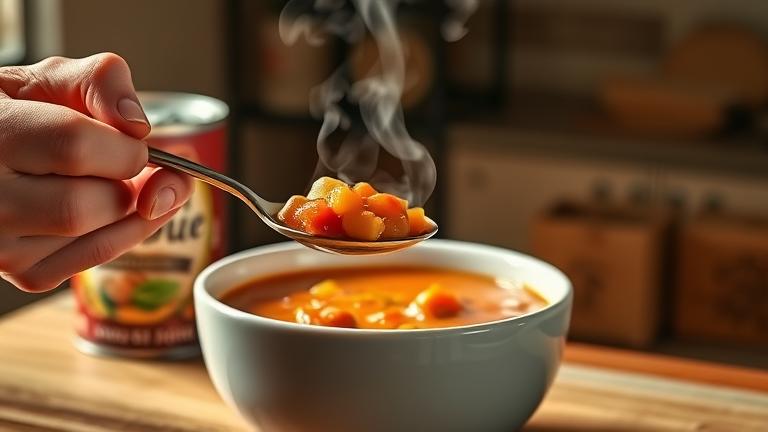
Is Canned Soup Safe to Eat Cold?
Many people wonder if canned soup can be enjoyed straight from the can without reheating. The short answer is: yes, canned soup can be safe to eat cold, but there are some important safety guidelines to keep in mind. Understanding these tips can help you decide when it’s okay to skip the microwave and enjoy your soup cold.
Canned soups are cooked during the canning process, which involves heating them to a high temperature to kill bacteria and other pathogens. Because of this, once the soup is properly sealed and stored, it remains safe to eat, even without reheating. However, how you handle and store the soup after opening plays a big role in its safety. Always follow proper hygiene practices when opening and handling canned food.
Before eating canned soup cold, check the following:
- If the can is damaged, swollen, or leaking, do not eat the contents. These are signs that bacteria may have grown inside, and the soup could be unsafe.
- Make sure the soup has been stored at the right temperature, typically below 40°F (4°C). Once opened, canned soup should be refrigerated within two hours to prevent bacteria growth.
- Check the expiration date on the can. Do not consume soup from cans that are past their best-by date.
When you open a can of soup, transfer any leftovers into a clean, airtight container and refrigerate them promptly. If you’re planning to eat the soup cold, it’s best to consume it within 2-3 days for maximum safety and quality. Always inspect the soup before eating. If it smells off, has a weird texture, or any signs of mold, discard it.
Some tips for safely eating canned soup cold include:
- Stir the soup well to ensure even temperature and consistency before tasting.
- Use a clean spoon each time you serve to avoid introducing bacteria.
- If you’re unsure about eating cold soup, or if you prefer it hot, reheating is simple and quick. Heat it to a rolling boil for at least a minute to kill any potential bacteria.
When is it okay to eat canned soup cold?
Eating canned soup cold is generally fine when it has been properly stored and is within its safe consumption window. It works well in recipes like cold tomato soup or chilled gazpacho, but still, check the freshness first. If the soup was opened and stored correctly, and looks, smells, and tastes normal, you can enjoy it straight from the fridge. Keep in mind that some soups might taste better warmed up, but there’s no health risk in eating them cold as long as safety guidelines are followed.
Always rely on your senses and common sense when deciding to eat canned soup cold. Proper storage and handling are the keys to enjoying your soup safely, whether hot or cold. So next time you’re in a hurry or craving cold soup, you can feel confident about your choice if you follow these simple safety steps.
How to Enjoy Canned Soup Cold
Canned soup isn’t just for hot meals. If you prefer a refreshing, cold option or want to change things up, there are plenty of ways to enjoy canned soup cold. Whether you’re looking for a quick snack or a light lunch, serving soup cold can be easy and delicious with a few simple tips.
First, choose the right soups. Not all canned soups taste good cold. Soups like gazpacho-style tomato, gazpacho-based vegetable, or bean and lentil soups often have a fresh, vibrant flavor when chilled. Creamy soups like chicken or broccoli might lose some of their richness when cold, but if you enjoy them that way, go for it!
Before serving, fully chill the soup. After opening the can, pour the soup into a container with a lid. Cover it tightly and store it in the refrigerator for at least 2 hours, ideally overnight. This allows the flavors to meld and improves the cold texture. Avoid leaving the soup out at room temperature for too long, as bacteria can grow rapidly.
When ready to serve, give the soup a good stir. Cold soup can sometimes separate or settle, so mixing helps restore uniformity. Taste it and adjust the seasoning if needed—sometimes a splash of lemon juice, a pinch of salt, or a sprinkle of herbs can brighten the flavor when cold.
Adding fresh toppings makes a big difference. Consider garnishing with chopped herbs like parsley or cilantro. Crumbled cheese, a dollop of sour cream, or a few croutons can also enhance texture and flavor. You can serve the cold soup in a bowl or even as part of a larger platter with fresh veggies, bread, or crackers.
To serve cold soup in style, think about presentation. Use clear glass bowls or cups to showcase the vibrant colors of the soup. Small cups or shot glasses can be fun for appetizer-sized servings at parties. If you like a bit of crunch, sprinkle some raw vegetables like cucumber or radishes right before serving.
Storing leftover cold soup properly helps keep it fresh. Transfer any leftover soup to an airtight container and keep it refrigerated. Eat within 1-2 days for the best flavor and safety. Since canned soup can sometimes develop an off odor or slimy texture when spoiled, always smell and inspect the soup before eating.
If you’re interested in experimenting, you can create cold soup salads. Mix canned vegetable or bean soups with chopped fresh veggies, a splash of vinaigrette, and herbs. Serve this chilled for a unique twist on cold soup.
Remember, not all canned soups are suitable for serving cold straight from the can. Always check the label or taste a small portion first. If you’re unsure, warming the soup slightly is a safe fallback. But with some simple steps, canned soup can become a cool, satisfying treat anytime you want a refreshing meal.
Benefits of Eating Canned Soup Cold
Many people think of canned soup as something to heat up and enjoy warm, but eating it cold has some surprising advantages. Cold canned soup offers a convenient, quick option for meals or snacks, especially when you’re busy or on the go. It also opens up new flavor possibilities that you might not experience when the soup is hot.
One of the biggest benefits of eating canned soup cold is convenience. There is no need for heating, which saves time and energy. You can open the can, pour the soup into a bowl or cup, and enjoy it immediately. This is perfect for those hectic mornings, packed lunches, or when you’re feeling too tired to cook. Cold soup is portable and easy to store, making it a great addition to packed lunches or picnic baskets.
Another advantage is that eating soup cold can be a refreshing change. For example, many tomato or gazpacho-style soups taste amazing when chilled. The flavors can become more vibrant, and certain ingredients like herbs and vegetables stay crisp and refreshing. This makes cold canned soup a delightful option during hot weather, giving you a cool, soothing meal without the need for refrigeration or heating.
- Preserves nutrients: Eating canned soup cold can help retain some nutrients that might diminish during heating, such as vitamins sensitive to heat. This means you get the nutritional benefits in a ready-to-eat form. Always check the label to see if the soup contains added salt or preservatives, and choose options that fit your dietary needs.
- Flavor experience: Cold soup often has a different taste profile. Some flavors, like tanginess or spiciness, become more pronounced when served chilled. This can enhance your palate and make eating soup a more interesting and enjoyable experience.
- Versatility: Eating canned soup cold gives you flexible meal options. You can enjoy it straight from the can, mix it with fresh ingredients like chopped herbs or vegetables, or even blend it into a smoothie-like drink for a nutritious snack.
However, there are some tips to keep in mind for safe and tasty cold canned soup. Always check the expiration date on the can before opening. Once opened, consume the soup within a day or two and store it in a sealed container in the refrigerator. It’s also a good idea to give the soup a quick stir or taste before eating to ensure it still tastes fresh and has not developed any off flavors.
While it might seem unconventional at first, eating canned soup cold can be a practical, tasty, and nutritious way to enjoy a quick meal. Experiment with different flavors and temperatures to find what suits your taste best.
Flavor Ideas for Cold Canned Soup
If you’re looking to enjoy canned soup in a new way, serving it cold can be a refreshing twist. Many canned soups, like tomato, gazpacho, or vegetable varieties, taste great when chilled. But to make them even more appealing and flavorful, try mixing in some creative ingredients and flavor combos.
One simple trick is to add fresh herbs. Herbs like basil, cilantro, or parsley can brighten up the flavor and give your cold soup a fresh kick. For example, stir in some chopped basil or cilantro right before serving to give your soup a vibrant aroma and taste. A squeeze of lemon or lime juice also works wonders, adding a tangy brightness that cuts through the richness of the canned base.
Sweet and Savory Combos
Mixing in a touch of sweetness can elevate your soup. Consider adding a small drizzle of honey or a teaspoon of maple syrup for a subtle sweetness that balances acidity, especially with tomato-based or vegetable soups. Fresh fruit bits like diced peaches or melon can add a burst of natural sweetness and almost turn your soup into a savory fruit salad.
For a savory twist, try adding some crumbled cheese, like feta or queso fresco. The salty creaminess complements the smooth texture of the soup and adds complexity. Sliced olives, capers, or pickles can also introduce salty or briny notes that enhance the overall flavor profile.
Spice It Up
If you like a bit of heat, consider stirring in some hot sauce or a pinch of cayenne pepper. A dash of smoked paprika can add depth and smoky flavor, transforming the taste without overpowering the soup. Fresh chili slices or a splash of spicy salsa can also lend some warmth and zest, perfect on a hot day when you want something cooling yet flavorful.
Creative Add-ins
- Yogurt or sour cream: Stir in a spoonful to add creaminess and tang.
- Vinegar: A splash of balsamic or apple cider vinegar can enhance flavor and balance acidity.
- Toasted nuts or seeds: Sprinkle chopped almonds, pumpkin seeds, or sunflower seeds on top for crunch and contrast.
- Vegetables: Add some finely chopped raw vegetables like cucumbers, bell peppers, or radishes for added texture and freshness.
Serving Tips
Before serving cold soup, taste and adjust seasonings—adding salt, pepper, or acid as needed. Keep in mind that flavors often develop and mellow after chilling, so start with less salt than usual. For presentation, consider garnishing with fresh herbs, a dollop of sour cream, or a drizzle of olive oil. These small touches can make your canned soup feel like a gourmet, refreshing dish.
Types of Canned Soup to Try Cold
Canned soup isn’t just for heating up. Many varieties taste surprisingly good when served cold or at room temperature. Trying canned soups cold can be a quick, refreshing snack or part of a light meal. Here are some popular types and tips to enjoy them safely and deliciously.
Vegetable Soups
Canned vegetable soups, especially those with a broth base, are excellent when chilled. Options like tomato, minestrone, or vegetable medley soup retain their flavor and become even more refreshing when cold. They make a great quick snack or a light lunch. Just open the can, give it a good stir, and chill in the fridge for about an hour before serving. You can add fresh herbs or a splash of olive oil for extra flavor.
Chicken and Seafood Soups
Soups with chicken or seafood tend to be richer. But surprisingly, these also work well cold, especially as part of a light salad or garnish. Canned chicken noodle or seafood chowders can be served cold for a different twist. Just remember that seafood-based soups should be kept refrigerated and consumed within a couple of days. When serving cold, try mixing them with fresh greens or serving as a dip with crackers.
Chili and Bean Soups
Chili soups and bean-based hearty options can also be enjoyed cold. They have a thick, flavorful profile that holds up well after chilling. For a quick snack, spoon some into a bowl, add a squirt of lime or hot sauce, and enjoy straight from the fridge. These soups often taste even better after sitting for a bit, as the flavors meld together.
Recommendations for Serving Cold Canned Soup
- Always chill the soup in the refrigerator for at least an hour before eating. This helps maintain a safe temperature and improves texture.
- Give the soup a good stir before serving to evenly distribute flavors.
- Consider adding fresh toppings like herbs, chopped vegetables, or a squeeze of lemon for a fresher taste.
- Store leftover canned soup properly in airtight containers if you plan to enjoy it cold later. Consume within 2-3 days for best quality.
Safety Tips
Some canned soups contain ingredients that are best enjoyed warm, such as dairy or delicate seafood. Always check the label for storage recommendations. If you heat the soup and then decide to serve it cold later, be sure to refrigerate it promptly and never leave it out at room temperature for more than two hours.
Trying canned soups cold can add variety to your meals and save time. Experiment with different flavors and toppings to find your favorite cold soup combo. It’s a quick, easy way to enjoy a comforting meal without reheating.
Tips for Eating Canned Soup Cold
Canned soup is usually enjoyed hot, but eating it cold can be a quick and refreshing option. Whether you’re tossing leftovers into a lunchbox or simply prefer your soup chilled, it’s easy to do safely and tasty with some simple tips. Here’s how to enjoy canned soup cold while making sure it stays fresh and flavorful.
First, it’s important to start with properly stored soup. Once you open a can, transfer any leftovers into an airtight container. This helps prevent contamination and keeps the soup tasting fresh. Label the container with the date so you know how long it’s been stored. Canned soup can typically stay good in the fridge for about 3 to 4 days. If you think you won’t finish it within that time, consider freezing portions for later use.
When storing soup in the fridge, keep it at or below 40°F (4°C). The colder the better for enjoying it cold later. Make sure the soup cools down to room temperature before refrigerating if it’s still hot. Putting hot soup directly into the fridge can raise the overall temperature, which may encourage bacteria growth. Use shallow containers for faster cooling and better storage.
Before eating, give the soup a gentle stir to mix any separated ingredients and flavors. If you prefer your cold soup less thick, add a splash of cold water, broth, or lemon juice to thin it out. This can also brighten the flavor and make it more refreshing.
Some common ways to serve canned soup cold include pouring it over a bed of greens or vegetables for a chilled soup salad. You can also add fresh herbs, diced cucumbers, or a squeeze of lemon to enhance the taste. For a creamier texture, stir in some plain yogurt or sour cream after it’s chilled. Combining ingredients like chopped tomatoes, radishes, or cooked beans can turn a simple canned soup into a flavorful cold meal.
If you’re wondering about safety, remember that any soup that smells off, has a strange color, or shows signs of spoilage should be discarded. It’s better to be cautious than risk foodborne illness.
- Always store leftover soup properly in the fridge in airtight containers.
- Eat refrigerated soup within 3 to 4 days for safety and best flavor.
- Let hot soup cool to room temperature before refrigerating to avoid raising fridge temperature.
- Stir or adjust the texture with cold liquids if needed for a better cold eating experience.
- Enhance cold soup with fresh herbs, vegetables, or a squeeze of lemon for extra flavor.
Eating canned soup cold can be a quick, cool alternative to hot meals. With proper storage and a few simple tweaks, you can enjoy your favorite soups any way you like while staying safe and flavorful.
Frequently Asked Questions About Canned Soup
If you’re wondering whether you can enjoy canned soup cold or have other questions about it, you’re not alone. Many people want to know the best way to eat canned soup, how safe it is, and how it tastes. Here are some common questions and practical answers to help you make the most of your canned soup experience.
Can I eat canned soup cold?
Yes, you can eat canned soup cold but it depends on your taste and the type of soup. Some people enjoy cold soup for a refreshing twist, especially in hot weather. Soups like tomato or vegetable often taste good cold and can be a quick snack or light meal. However, other soups, such as chili or chicken noodle, are typically enjoyed hot for better flavor and texture.
If you decide to eat canned soup cold, be sure it was stored properly and hasn’t expired. Always give the can a quick check for dents or bulges, as these can indicate spoilage. Keep in mind that personal preference varies, so try a small amount first to see if you like it cold.
Is canned soup safe to eat straight from the can?
Most canned soups are safe to eat directly from the can as long as the can is in good condition. Check for any signs of damage like dents, rust, or leaks before opening. If the can looks fine, open it carefully and look for any unusual smells or colors. If the soup smells off or has an odd appearance, it’s best to discard it.
Always reheat canned soup before eating if you prefer it hot. Heating helps improve the flavor and ensures safety by killing any bacteria that might have developed if the soup was stored improperly.
How do I safely store leftover canned soup?
If you haven’t finished the soup after opening the can, transfer it to a clean, airtight container. Do not leave the soup in the opened can in the fridge, as metal can affect the taste and safety. Store leftovers in the refrigerator and consume within 3 to 4 days.
Label the container with the date you opened it so you can keep track. When reheating leftovers, use a microwave or stovetop until steaming hot all the way through to kill any bacteria. Do not store leftover soup at room temperature for more than 2 hours.
Can I add flavors or ingredients to canned soup?
Absolutely! Canned soup can be a great base for customizing. You can stir in fresh herbs, spices, or a dash of hot sauce for extra flavor. Adding cooked vegetables, shredded cheese, or cooked meat can make the soup more filling and tailored to your taste.
Just remember to taste as you go, and don’t add too much at once. Some soups are already quite flavorful, so start with small amounts and adjust accordingly. This way, you can enjoy a personalized, delicious meal without overpowering the original taste.
Are there any health concerns with canned soup?
Most canned soups are safe to eat, but some may contain high levels of sodium or preservatives. If you’re watching your salt intake, look for low-sodium or reduced-sodium options. Reading labels helps you make healthier choices.
Additionally, check the expiration date on the can before buying or eating. Canned foods are processed to have a long shelf life, but they can still spoil if stored too long or improperly. Always follow storage instructions and discard any cans that are damaged or expired.
With these tips and answers, you can enjoy canned soup the way you like it—hot, cold, or customized—while keeping safety in mind. Happy cooking and snacking!