
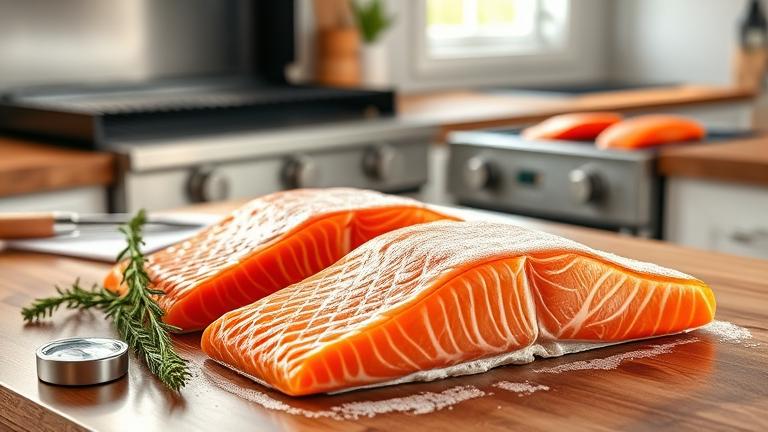
Do You Need to Thaw Salmon First?
Many home cooks wonder whether they should thaw salmon before grilling. The quick answer is that you can cook salmon either thawed or frozen, but there are some important considerations to keep in mind for the best results.
Fresh or properly thawed salmon cooks more evenly and generally produces a better texture. If you’re planning a last-minute dinner, grilling salmon directly from frozen is possible, but it requires a few adjustments.
Let’s explore the common practices and what might be best for your situation.
Cooking Salmon from Thawed or Frozen
Most recipes and chefs recommend thawing salmon before grilling. When salmon is thawed, it allows heat to penetrate more evenly. This results in a consistent cook and a tender, flaky texture. To thaw salmon safely, place it in the refrigerator overnight or for about 12 hours. If you’re short on time, sealing the fish in a leak-proof bag and submerging it in cold water can speed up the process; typically, this takes about an hour.
Cooking salmon from frozen is also an option, especially if you’re pressed for time. You can cook it directly from the freezer, but you’ll need to increase the grilling time. It’s best to start with a slightly lower heat to avoid burning the exterior while the inside cooks through.
Considerations for Thawing vs. Cooking Frozen
- Even cooking: Thawed salmon cooks more evenly, preventing overcooking on the outside while the inside remains underdone.
- Flavor and texture: Thawing helps maintain the delicate texture and allows seasonings to penetrate better.
- Time: Thawing takes time, so plan ahead. Cooking from frozen is faster in a pinch but requires attention to cooking time and temperature.
- Safety: Never thaw salmon at room temperature. Always use the refrigerator, cold water, or microwave if quick thawing is needed.
Tips for Grilling Salmon, Whether Thawed or Frozen
- Preheat your grill to medium or medium-high heat. This helps prevent sticking and ensures a good sear.
- If grilling from frozen, brush the fish lightly with oil and use a lid to help cook it evenly.
- Use a meat thermometer: salmon is perfectly cooked at about 125°F (52°C) for medium doneness.
- Don’t flip the fish too often— usually once is enough to get a nice crust.
- Rest the salmon for a few minutes after grilling so the juices can settle.
Common Mistakes to Avoid
- Thawing at room temperature, which can promote bacteria growth.
- Overcrowding the grill, especially with frozen fish, which can cause uneven cooking.
- Too high heat, which can burn the outside before the inside is cooked.
In summary, while thawing salmon before grilling often produces better results, cooking from frozen is doable in a pinch. Just remember to adjust your cooking time and heat, and always prioritize food safety. With a little practice, you can enjoy perfectly grilled salmon—whether you plan ahead or need to improvise.
Benefits of Thawing Salmon Before Grilling
Thawing salmon before grilling offers several important advantages that can make your cooking experience smoother and your final dish more enjoyable. When you start with properly thawed salmon, the cooking process becomes more even, which helps prevent overcooking or undercooking parts of the fish.
One of the main benefits is achieving a consistent texture. Frozen salmon can be uneven, with some parts still icy while others start cooking. Thawed salmon heats uniformly, resulting in tender, flaky meat throughout. This also helps you avoid the common mistake of overcooking the outside while the inside remains raw.
Flavor retention is another key benefit. When salmon is frozen, ice crystals can form and damage the delicate muscle fibers. Thawing allows the fish to reabsorb some of its natural moisture, keeping it juicy and flavorful. This ensures that seasoning, marinade, or smoke flavors are better absorbed, enhancing the overall taste.
Better Browning and Appearance
Thawed salmon is also easier to sear. When the surface is fully thawed and dry, it can develop a nice, crispy exterior. Frozen or partially frozen fish can release excess moisture, leading to steaming rather than searing. A properly thawed fillet promotes that beautiful golden-brown crust that makes grilled salmon so appealing.
Reduced Cooking Time and Better Control
As thawed salmon cooks more evenly, it often requires less time on the grill. This makes it easier to manage the cooking process and reduce the risk of burning or undercooking. Consistent heat transfer means your salmon turns out just right—moist inside and lightly charred outside.
Safety and Hygiene
Thawing salmon safely in the refrigerator or in cold water also reduces the risk of bacterial growth. Cooking straight from frozen can sometimes lead to uneven temperatures, which may leave parts of the fish undercooked. Proper thawing ensures you can cook the salmon thoroughly and safely every time.
- For best results, thaw salmon in the refrigerator over several hours or overnight.
- You can also thaw it quickly by sealing the fish in a plastic bag and submerging it in cold water, changing the water every 30 minutes.
- Avoid thawing salmon at room temperature, as this can promote bacteria growth.
In summary, taking the time to thaw salmon before grilling improves not just the taste and texture, but also the safety and ease of cooking. It helps ensure every bite is tender, flavorful, and beautifully cooked.
Risks of Grilling Salmon from Frozen
Grilling salmon from frozen might seem like a quick and easy option, especially if you forget to thaw the fish in advance. However, there are some important risks and challenges to keep in mind before tossing that frozen fillet onto the grill. Understanding these potential issues can help you cook salmon safely and achieve tasty results.
One of the main concerns is uneven cooking. When you grill salmon directly from frozen, the outside tends to cook faster than the inside. This can result in a nicely seared surface but a raw or undercooked center. Undercooked salmon not only has an unpleasant texture but can also pose health risks if bacteria are still present. It is especially tricky with thick cuts because the heat struggles to penetrate deep into the frozen fish evenly.
Another issue involves moisture. Frozen salmon contains ice crystals, which turn into water when they melt during cooking. If not carefully managed, this excess water can cause the fish to steam rather than grill, leading to soggy texture and less flavor. Plus, excess moisture can cause flare-ups on the grill, which might burn the fish or create unsafe smoke.
Additionally, grilling directly from frozen can make it more difficult to control the temperature. When the fish is frozen, the heat needs to work harder to thaw it while cooking. This can cause the grill’s temperature to fluctuate, resulting in inconsistent doneness. If the grill is too hot, the outside may burn before the inside cooks. If it is too low, the fish might dry out or fail to reach a safe internal temperature.
There are also safety considerations. Cooking from frozen may extend the cooking time, increasing the chance that parts of the fish won’t reach the recommended internal temperature of 145°F (63°C). Eating undercooked fish can lead to foodborne illnesses. Therefore, it’s very important to use a food thermometer when grilling salmon directly from frozen to ensure it is thoroughly cooked.
Finally, the texture and flavor of salmon can suffer if you ignore proper techniques. Frozen fish often has added moisture from preservatives or freezing materials, which can dilute its natural flavor. If you rush the cooking process, you may end up with dull-tasting, rubbery salmon that lacks the delicate flaky texture you want.
To minimize these risks, consider a few practical tips:
- Try to thaw your salmon in the refrigerator overnight before grilling for even cooking.
- If you must cook from frozen, increase the cooking time and keep a close eye on the fish.
- Use a meat thermometer to check that the internal temperature reaches 145°F.
- Pat the frozen salmon dry before grilling to remove excess ice or moisture.
- Brush the fish with an oil-based marinade to add flavor and help prevent sticking.
While grilling salmon from frozen is possible, being aware of these risks and taking extra precautions will help ensure your fish turns out safe, flavorful, and perfectly cooked. Remember, patience and careful monitoring go a long way in reaching that ideal grilled salmon finish.
Best Methods to Thaw Salmon Safely
Thawing salmon the right way is key to keeping it fresh, safe to eat, and delicious. Whether you’re preparing for a quick weeknight dinner or a special occasion, knowing the best methods to thaw salmon ensures the best texture and flavor. Here, we’ll go over easy and safe techniques suitable for home cooks of all levels.
Refrigerator Thawing (Slow and Safe)
The safest way to thaw salmon is in the refrigerator. This method keeps the fish at a stable, cold temperature, minimizing the risk of bacteria growth. To do this, remove the salmon from the freezer and place it in its original packaging or a leak-proof container.
Put the salmon on a plate or tray to catch any drips and leave it in the fridge. Depending on the size, small fillets may thaw in 12 to 24 hours. Larger cuts or whole salmon might take 24 to 48 hours. Plan ahead so you have enough time for it to fully thaw without rushing.
Once thawed, raw salmon can stay refrigerated for up to two days. If you decide not to cook it immediately, keep it in the fridge until you’re ready to prepare your dish. This method is ideal for maintaining the quality and texture of the fish.
Cold Water Thawing (Fast and Safe)
If you need to thaw salmon more quickly, cold water thawing is a good option. This method is safe when done properly and takes only a few hours.
First, make sure the salmon is in a sealed, leak-proof plastic bag. Submerge the bag in a bowl or sink filled with cold tap water. Change the water every 30 minutes to keep it cold and ensure even thawing.
Small fillets may thaw in an hour or less, while larger pieces could take 2–3 hours. As soon as the salmon is thawed, cook it promptly for the best texture and flavor. Never thaw salmon at room temperature, as this can promote bacterial growth.
Microwave Thawing (Quick but Risky)
Microwave thawing is the fastest method, but it requires careful attention. Use the defrost setting on your microwave and follow the manufacturer’s instructions.
Place the salmon on a microwave-safe plate and check it frequently to prevent cooking the edges. Stop and turn the fish during the process to promote even thawing. Be aware that microwave thawing can slightly cook parts of the fish, which may affect texture.
If you use this method, cook the salmon immediately afterward to ensure safety. This method is best when you’re short on time and plan to cook the fish right away.
Tips for Safe Thawing
- Always keep salmon cold during thawing to prevent bacteria growth.
- Never thaw salmon at room temperature or in hot water.
- If in doubt, use the refrigerator method for the best results.
- Cook salmon immediately after cold water or microwave thawing.
By following these safe and effective methods, you can enjoy fresh, tasty salmon every time. Picking the right thawing technique depends on your timeline and how you plan to prepare it. Safety first ensures your salmon is delicious and safe to enjoy.
When to Grill Salmon Without Thawing
Grilling salmon straight from the freezer is a convenient option when you’re short on time or forgot to thaw your fish ahead of time. In certain situations, grilling frozen salmon can be just as good as cooking it thawed, but there are some important tips to ensure it turns out tasty and cooked safely.
First, it’s important to recognize when grilling without thawing is acceptable. If your salmon is frozen and you need to prepare dinner quickly, grilling directly from the freezer can be a practical choice. This method works best when you plan to cook the fish thoroughly and are okay with a slightly firmer texture. Keep in mind, it may take a little longer to cook compared to thawed fish.
Before grilling frozen salmon, make sure the fish is in a sealed, freezer-safe package or has been properly stored. Do not try to grill fish that is excessively icy or has ice crystals still visible, as this can cause uneven cooking or flare-ups on the grill.
When grilling frozen salmon, you’ll want to adjust your cooking process a bit. Start by preheating your grill to a medium-high heat. Place the frozen fillet directly on the grill grates. Because the outside can cook faster than the inside, it’s helpful to use indirect heat after initial searing.
A good tip is to cook at a slightly lower temperature or to cover the grill briefly. This allows the heat to penetrate the thicker parts of the fish without burning the exterior. Depending on the thickness, grilling times may be 50% longer than for thawed salmon. Typically, a 1-inch thick fillet will take around 12-15 minutes total, flipping midway through.
To ensure your salmon is cooked safely, use a meat thermometer. The internal temperature should reach 145°F (63°C). The flesh should be opaque and flake easily with a fork. Keep an eye on the fish to prevent overcooking, especially since the exterior can cook faster.
Here are some practical tips for grilling frozen salmon successfully:
- Spray or brush the fillet with oil before placing on the grill to prevent sticking.
- Avoid opening the lid too often; this can cause temperature fluctuations.
- Consider using a grilling basket or foil to make flipping easier and prevent falling apart.
- If the fish starts to brown too quickly on the outside, move it to cooler areas of the grill for even cooking.
While grilling from frozen has its perks, remember that the texture may be slightly firmer or less tender than fresh or thawed salmon. It’s best suited for simple preparations like seasoned fillets or dishes where the texture isn’t the main focus.
In summary, grilling salmon directly from the freezer works well in a pinch. Just ensure you follow safety tips, monitor the internal temperature, and adjust your grilling time accordingly. With a little practice, you’ll be able to enjoy a delicious grilled salmon even when you forgot to thaw it in advance.
Tips for Perfect Grilled Salmon Every Time
Grilled salmon is a delicious, healthy, and easy meal that can impress family and friends alike. Whether your salmon was thawed beforehand or cooked directly from frozen, following a few simple tips can help you achieve tender, flaky, and flavorful results every time.
First, start with fresh or properly thawed salmon. Fresh salmon has a bright color, firm texture, and a clean aroma. If your fish was frozen, make sure it is fully thawed before grilling. Thaw in the refrigerator overnight or place the sealed fish in cold water for about an hour. Never defrost salmon at room temperature, as this can promote bacteria growth.
Before grilling, pat the salmon dry with paper towels. Moisture on the surface can cause steaming instead of searing, which results in less crispy skin and can make the fish stick. To prevent sticking, lightly oil the grill grates and brush the fish with olive oil or a marinade. A non-stick spray can also help.
Season your salmon simply and well. Salt and pepper are classic, but consider adding herbs like dill, thyme, or garlic for extra flavor. If using a marinade, avoid acidic ingredients like lemon juice for too long, which can start to cook the fish. Marinate for no more than 30 minutes to preserve the texture.
Ensure your grill is preheated to medium-high heat—about 375 to 400 degrees Fahrenheit. A hot grill helps develop a beautiful sear and prevents the fish from sticking. Before placing the salmon on the grill, check if the grates are hot by lightly hovering your hand over them. If they sizzle and release a bit of smoke, they’re ready.
When grilling salmon, use either a fish basket, a grill with a lid, or foil to prevent delicate fillets from falling apart. Place the salmon skin-side down if your fillets have skin, which helps hold their shape and provides a barrier against direct heat. Cook the salmon for about 4-6 minutes per side, depending on thickness. A good rule is to cook until the fish flakes easily with a fork and reaches an internal temperature of 125 to 130 degrees Fahrenheit for medium doneness.
Resist the urge to flip the fish too often. One flip is usually enough. Use a wide spatula to gently turn the fillet, and avoid pressing down, which can squeeze out moisture and dry the fish. If the salmon sticks, give it a little more time; it will release naturally when ready.
Once done, remove the salmon from the grill and let it rest for a few minutes. Resting helps the juices redistribute within the fish, resulting in a moist, tender bite.
Finally, serve your grilled salmon with a squeeze of fresh lemon or a drizzle of your favorite sauce. Rest assured, these tips will help you create perfectly grilled salmon, full of flavor, moisture, and that desirable crispy skin, regardless of whether your fish was thawed or cooked directly from frozen.
Common Mistakes to Avoid When Grilling Salmon
Grilling salmon can be a delicious way to enjoy this healthy fish, but it can also be tricky if you’re not careful. Many home cooks make common mistakes that can lead to dry, overcooked, or even ruined fillets. Knowing what to avoid can help you get perfect grilled salmon every time.
One of the most frequent mistakes is cooking the salmon at too high a heat. When the grill is too hot, the outside can burn while the inside remains undercooked or dry. It’s best to keep the grill at a medium heat, around 375°F to 400°F. This allows the salmon to cook evenly and retain its juicy texture.
Another common error is not preparing the grill properly. If your grill isn’t clean, the fish can stick, tearing apart when you try to turn it. Always clean your grill grates well and brush them with oil before placing the salmon on. This creates a non-stick surface and helps with easy flipping.
Overcooking is a big culprit for dry salmon. Salmon is cooked perfectly when it reaches an internal temperature of 125°F to 130°F, and it’s still slightly pink inside. Use a meat thermometer to check the doneness and remove the fish from the grill as soon as it hits this temperature. Remember, it will continue to cook a little after removing from the heat.
Another mistake is not oiling the fish before grilling. Salmon has a delicate surface that can stick to the grill. To prevent this, brush the fillets lightly with oil and season them ahead of time. This also helps create a nice crust and enhances flavor.
Switching from direct to indirect heat too quickly can result in uneven cooking. Start by searing the salmon over direct heat for about 2-3 minutes per side to get those beautiful grill marks. Then, move it to indirect heat to finish cooking gently. This prevents burning the outside while ensuring the inside is thoroughly cooked.
Additionally, flipping the salmon too often or too early can cause it to break apart. Resist the urge to turn it multiple times. Let it cook on one side for about 4-5 minutes before carefully flipping it with a fish spatula. Be gentle to keep the fillet intact.
Lastly, avoid grilling salmon straight from the refrigerator. Let the fish sit at room temperature for about 15 minutes before grilling. Cold fish can cause uneven cooking and may stick to the grill more easily.
To wrap up, keep these tips in mind: control your grill’s heat, prepare and oil your grill and fish, use a thermometer, and handle the salmon gently. Avoid these common mistakes to enjoy perfectly tender, flavorful grilled salmon every time.