
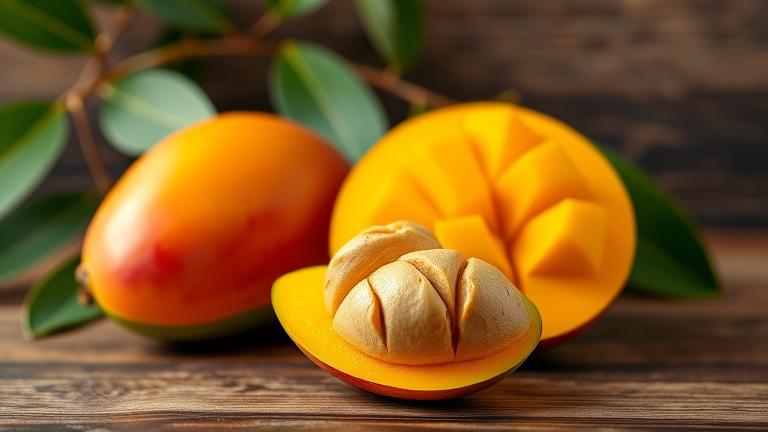
Is Mango Seed Safe to Eat?
If you’re wondering whether it’s safe to eat mango seeds, you’re not alone. Many people are curious about trying them because they believe they might offer health benefits. However, it is important to understand the potential risks and precautions before biting into that large mango seed.
Mango seeds are the tough, inner core of the fruit, located inside the mango’s fleshy shell. While the juicy part of the mango is safe and delicious, the seed itself is quite different. It contains compounds that could be harmful if consumed improperly or in large amounts.
In some cultures, people roast, grind, or cook mango seeds to use in traditional medicines or recipes. These practices suggest the seeds may have benefits, but they also come with health considerations. Eating raw or large quantities of mango seeds can pose health risks because of certain chemicals present in the seed’s coat and inside it.
One of the main concerns is that mango seeds contain substances called tannins and trace amounts of toxins like urushiol. Urushiol is the same compound found in poison ivy, which can cause allergic reactions or skin irritation in sensitive individuals. Eating raw mango seeds in large quantities might lead to stomach upset or other health issues at worst.
Additionally, mango seeds are quite hard. Biting into or chewing raw seeds can damage your teeth or cause choking hazards, especially if the seed is not properly prepared. For this reason, many experts recommend against eating raw mango seeds without proper preparation.
Despite these concerns, some people do consume small amounts of processed mango seed, such as dried or powdered forms, after boiling or roasting. These methods can help reduce potential toxins and make the seed safer to eat. However, even with these preparations, moderation is key.
Precautions To Consider
- Consult a healthcare professional before adding mango seeds to your diet, especially if you have allergies, sensitive stomachs, or health conditions.
- Do not eat raw seeds. Always cook, roast, or process the seeds properly first.
- Start with small amounts to see how your body reacts, and avoid large quantities.
- Be aware of potential allergic reactions. If you experience itching, swelling, or difficulty breathing after trying mango seed products, seek medical help immediately.
Safe Ways to Try Mango Seeds
- Wash the seed thoroughly to remove any residual fruit pulp.
- Boil the seed for about 20-30 minutes to soften it.
- Let it cool, then carefully peel off the outer shell and brown skin.
- Grind the cleaned seed into a powder using a blender or mortar and pestle.
- Add small amounts of the powder to smoothies, teas, or recipes designed for seed consumption.
Remember, even when prepared properly, mango seeds are not a common food item and are best enjoyed in moderation. If you’re curious, start with small samples and see how your body responds. The safest approach is to enjoy the delicious part of the mango and treat the seed as a traditional or medicinal ingredient with caution.
Nutritional Value of Mango Seeds
Mango seeds, often overlooked, are actually packed with a variety of nutrients that can offer health benefits when included in your diet. While most people discard the seed after enjoying the juicy mango flesh, it’s worth knowing what nutrients lie inside and how they might support your well-being.
Inside the hard shell of a mango seed, you’ll find a rich source of proteins, healthy fats, and a diverse array of minerals. These nutrients can contribute to your overall health, especially if you use the seed properly or incorporate it into smoothies, teas, or other recipes. Let’s explore what makes mango seeds worth considering as a nutritional addition.
Key Nutrients in Mango Seeds
- Proteins: Mango seeds contain a notable amount of plant-based proteins. These are essential for muscle repair and immune system support. Including a small amount in your diet can help meet your daily protein needs, especially for vegetarians or those seeking plant-based sources.
- Fats: The seeds are rich in healthy fats, including monounsaturated and polyunsaturated fats. These fats are good for heart health and help absorb fat-soluble vitamins.
- Vitamins: Mango seeds contain traces of vitamins like vitamin E, which supports skin health and acts as an antioxidant, along with small amounts of vitamin C that can boost your immune system.
- Minerals: They are a source of minerals including magnesium, calcium, potassium, and iron. These minerals are vital for various functions such as maintaining bone strength, regulating blood pressure, and supporting blood health.
Potential Health Benefits
Adding mango seeds to your diet might offer several health advantages. Their antioxidant content can help combat free radicals, which are linked to aging and many diseases. The healthy fats promote cardiovascular health and may lower bad cholesterol levels.
Moreover, the minerals found in mango seeds are crucial for maintaining healthy bones, preventing muscle cramps, and supporting metabolic processes. Some traditional practices suggest that consuming mango seed powder can aid in digestion and improve skin health, although more scientific studies are needed to confirm these benefits.
How to Use Mango Seeds for Nutrition
Because the seed is quite tough, it’s not ready to eat raw. Instead, it needs to be prepared first. Common methods include roasting or drying the seed, then grinding it into a powder. This powder can be added to smoothies, teas, or baked goods for an extra nutritional boost.
Most importantly, moderation is key. Mango seeds contain compounds that, in large amounts, could cause digestive discomfort or other issues. Always start with a small quantity and observe how your body reacts.
Storage Tips
- Keep dried mango seed powder in an airtight container to preserve its freshness.
- Store in a cool, dry place away from direct sunlight.
- Use within a few months for optimal flavor and nutrients.
In summary, mango seeds hold a wealth of nutrients that can support a healthy diet. They might not be a staple food, but incorporating small amounts into your routine can help you benefit from their nutritional power. Always check with a healthcare provider before adding new supplements to your diet, especially if you have underlying health conditions.
Benefits and Risks of Eating Mango Seeds
Mango seeds, also known as mango pits, are often overlooked when enjoying this delicious fruit. But some people are curious about whether eating the seed offers health benefits or poses risks. In this section, we’ll explore both sides to help you make informed choices about consuming mango seeds.
Potential Benefits of Eating Mango Seeds
In recent years, some health enthusiasts have started to explore consuming mango seeds because they believe these seeds may offer certain advantages. Mango seeds contain a variety of nutrients including fiber, antioxidants, and healthy fats. These components can contribute to overall well-being when included in a balanced diet.
- Rich in Fiber: Mango seeds are a good source of dietary fiber, which promotes healthy digestion and helps prevent constipation. Adding crushed or powdered mango seed to your smoothies or yogurt can be a simple way to boost your fiber intake.
- Antioxidant Content: The seed’s antioxidants may help neutralize harmful free radicals in the body. This could potentially reduce the risk of chronic diseases such as heart disease or certain cancers.
- Healthy Fats: Mango seeds contain polyunsaturated fats, which are good for heart health. Consuming small amounts of seed oil extracted from the seed may support overall cardiovascular wellness.
- Traditional Uses: In some cultures, mango seed powder has been used in traditional medicine to treat diarrhea or skin conditions. While these uses are based on historic practices, scientific evidence remains limited.
Possible Risks and Concerns
Despite these potential benefits, eating mango seeds also comes with certain risks. Not all parts of the seed are safe to consume, and improper preparation or excessive intake can lead to health issues.
- Presence of Anacardic Acid: Mango seeds contain compounds like anacardic acid, which can be irritating or toxic in high doses. Consuming large amounts regularly may cause stomach upset or adverse reactions.
- Possible Cyanogenic Compounds: Some seeds contain trace amounts of compounds that can release cyanide when broken down. Thankfully, the levels in mango seeds are generally low, but it’s best not to eat large quantities raw.
- Choking Hazard: The hard seed inside the mango pit is difficult to chew completely and could pose a choking risk, especially for children or those with swallowing difficulties.
- Allergic Reactions: Some people may experience allergies or sensitivities to mango seed components, resulting in symptoms like itching, swelling, or diarrhea.
Tips for Safe Consumption
- Only consume small amounts of mango seed powder or oil from reputable sources.
- Ensure the seed is dried and ground into a fine powder before adding it to foods.
- Avoid eating the raw seed directly from the fruit — focus on prepared seed products.
- If you’re pregnant, nursing, or have other health concerns, consult a healthcare provider before adding mango seed to your diet.
- Be cautious if you have known allergies to mango or other tropical fruits.
In summary, while small amounts of mango seed might offer some health benefits, they should be consumed carefully and in moderation. Understanding the potential risks helps you enjoy this tropical fruit safely. As always, if you’re considering adding unusual parts of food to your diet, it’s a good idea to talk with a healthcare professional first.
How to Prepare Mango Seeds Safely
Mango seeds can be a fun and nutritious part of your mango experience, but it is important to handle them safely before eating or planting. Preparing a mango seed correctly helps prevent accidents and gets it ready for your next step—whether that’s culinary use or growing a new mango tree.
First, always wash the mango thoroughly. Mangoes can carry dirt and bacteria on their skin, and you don’t want that transferring to the seed. Rinse it under cold running water and gently scrub with your hands or a soft brush. This simple step keeps everything clean and safe.
Steps to Prepare a Mango Seed
- Remove the Mango Flesh: Use a knife or your fingers to carefully cut around the mango to detach the main flesh from the seed. Be gentle to avoid damaging the seed itself. Many people prefer to eat the fruit first before getting to the seed.
- Extract the Seed: Once the mango flesh is removed, you’ll see the large seed inside. Carefully pry it away from the remaining mango flesh. Sometimes, the seed is covered in a sticky, yellowish coating that can be peeled off if desired.
- Clean the Seed: Rinse the seed again under cold water, removing any residual mango flesh or sticky coating. Pat it dry with a clean towel or paper towel. Drying helps prevent mold during storage or before planting.
- Prepare for Consumption or Planting: For eating, you may want to break open the seed’s hard shell to access the edible kernel inside. Use a nutcracker or hammer gently—be cautious not to crush the kernel if you plan to eat it raw or roast it later.
Safety Tips and Precautions
- Wear Gloves: Mango seeds sometimes have a milky sap that can irritate skin. Wearing gloves during handling minimizes skin contact.
- Handle with Care: The seed’s shell is quite hard. Use proper tools like pliers or a sturdy nutcracker. Never use excessive force to avoid injury.
- Mind the Mold: If you notice mold, discoloration, or a strange smell on the seed, discard it. Don’t consume seeds that show signs of spoilage.
- Note on Toxicity: It’s worth mentioning that mango seeds contain compounds that might be toxic if eaten in large quantities. Moderation is key, especially if you’re not familiar with consuming seeds. For planting, these safety precautions are mostly to prevent injury during handling.
Ready for Use
After preparing your mango seed, you can decide whether to enjoy the kernel as a snack, roast it, or plant it to grow a mango tree. Always remember to handle the seed safely, especially during the initial stages of extraction and cleaning. Proper preparation not only keeps you safe but also ensures you get the most out of this tropical fruit’s seed.
Eating Mango Seeds: Tips and Tricks
Mango seeds are often discarded after enjoying the juicy fruit, but they actually hold potential health benefits and can be incorporated into your diet. If you’re interested in trying to eat mango seeds, it’s important to do so safely and correctly. Here are some practical tips and tricks to help you make the most of this unique part of the mango.
First, always start with a ripe mango. Ripe mangoes tend to have softer seeds that are easier to work with. Once you’ve peeled the mango and removed the flesh, set the seed aside to prepare. Mango seeds are tough and hard right out of the fruit, so proper handling is key.
Preparing the Mango Seed
The seed inside is surrounded by a thick, woody shell. To access the edible part, you need to carefully remove this shell. A good first step is to let the seed dry slightly for easier handling. You can then break or cut into the shell using a sharp knife or a kitchen hammer. Be cautious—this part can be tricky, and safety comes first.
Once you’ve cracked open the shell, you’ll find a white, fibrous kernel inside. Some people prefer to dry the seed completely before eating, as it makes grinding or blending easier. The dried kernel can be ground into a powder, which you can add to smoothies, teas, or sprinkle over dishes. Fresh kernels can also be chewed directly, but they have a bitter taste and tough texture, so many find drying or roasting improves flavor.
How to Incorporate Mango Seeds into Your Diet
- Make a mango seed powder: Dry the seed, grind it into a fine powder using a blender or mortar and pestle, then add small amounts to smoothies, yogurt, or oatmeal. Start with a pinch to see how your body reacts.
- Roasted seed: Roast the dried seed in the oven at a low temperature for about 15-20 minutes. Once cooled, break it apart and nibble on small pieces like nuts. Roasting can reduce bitterness and improve taste.
- Tea infusion: Boil some sliced or chopped seed in water to make a herbal tea. This can be a gentle way to enjoy its potential benefits.
Dos and Don’ts for Eating Mango Seeds
- Do: Start with small quantities. Mango seed contains compounds that might cause stomach upset if eaten in large amounts.
- Do: Consult a healthcare professional before adding mango seeds regularly, especially if you are pregnant, nursing, or have health conditions.
- Don’t: Eat raw, unprepared seeds. Their hard shell and bitter taste make raw consumption unpalatable and potentially difficult to digest.
- Don’t: Overdo it. While mango seeds are nutritious, eating them excessively may cause digestive discomfort or other unwanted effects.
- Do: Store dried seeds in a cool, dry place to keep them fresh until you’re ready to use.
- Don’t: Ignore safety precautions when breaking or cutting the seed. Use proper tools and protective gear to avoid injury.
Eating mango seeds can be a fun way to experiment with new flavors and unlock additional health benefits. Just remember to prepare them properly, start small, and listen to your body. With these tips, you’re ready to give it a try safely and enjoyably!
Mango Seeds vs. Other Fruit Seeds
When you enjoy a ripe mango, you might notice the large seed at its center. Mango seeds are quite different from the seeds you find in other fruits like apples, cherries, or watermelons. Understanding these differences can help you handle and prepare fruit seeds safely and wisely.
Mango seeds are typically large, flat, and oval-shaped with a hard shell. They are often surrounded by a sticky, fibrous coating called the “fiber husk.” In contrast, seeds from fruits like apples or pears are tiny and found inside the fleshy part of the fruit. Cherry and plum seeds are small and hard, with a hard shell that protects the seed inside. Watermelon seeds are flat, black, and easy to swallow or spit out.
Safety is a big concern when dealing with fruit seeds. Some seeds are safe to eat or use after proper preparation, while others can be toxic. Mango seeds, for example, are generally safe if you remove the hard shell and use the edible kernel inside. People sometimes dry and grind the seed to add to smoothies or for traditional remedies. However, always be cautious because eating large quantities of mango seed may cause digestive issues.
Other fruit seeds can be more dangerous. Cherry pits, for example, contain amygdalin, a compound that can produce cyanide when crushed and digested. Eating a few cherry pits might not harm you, but swallowing many can be risky. Apple seeds also contain small amounts of cyanogenic compounds, but you would need to eat large quantities to experience poisoning.
When it comes to nutritional value, mango seeds are often overlooked. The seed kernel may contain proteins, healthy fats, antioxidants, and some minerals. It is sometimes used in traditional medicine or as a nutritional supplement. Still, scientific research is limited, and most people get their nutrients from the mango flesh instead.
Seeds from other fruits vary in nutritional benefits. For example, watermelon seeds are rich in magnesium, zinc, and healthy fats. Cherry pits have compounds believed to have health benefits, but they must be prepared carefully to avoid toxins. Apple seeds have trace vitamins and minerals but are not typically eaten on their own.
Preparation methods differ widely. Mango seeds can be cleaned, dried, and ground into powder, but they need careful handling due to their hardness. Watermelon seeds are often roasted and eaten as snacks. Cherry and plum pits are usually discarded because of safety concerns. Apple seeds are sometimes sprouted or used in gardening, but not commonly eaten raw.
Here are a few tips if you’re interested in working with fruit seeds:
- Always research specific seeds before consuming or processing.
- Remove any toxic parts, like the hard shell or outer coating.
- Dry seeds thoroughly before grinding or storing.
- Be cautious with seeds known to contain toxins, like cherry or apple pits.
In summary, mango seeds differ from other common fruit seeds in shape, safety considerations, and potential uses. While some fruit seeds are safe and nutritious if prepared properly, others pose risks and should be handled with care. Always prioritize safety and stay informed before experimenting with edible seeds.
Frequently Asked Questions About Mango Seeds
Mango seeds are often overlooked when enjoying this delicious fruit, but many people have questions about their safety, potential uses, and health effects. Whether you’re curious about planting mango seeds, eating them, or just want to know more about this part of the fruit, you’re in the right place. Here are some common questions and practical answers to help you understand mango seeds better.
Are mango seeds safe to eat?
Most people avoid eating mango seeds directly because they are tough, fibrous, and not very palatable. However, the seed inside is technically safe to consume in small amounts if prepared properly. The seed contains compounds that can be hard on your stomach if eaten in large quantities. Always remove the outer shell before consuming or processing the seed into powder or paste.
Can I plant a mango seed to grow my own tree?
Yes, planting a mango seed is a common way to start growing your own mango tree. To do this, remove the seed from a ripe mango, clean off any flesh, and let it dry for a day or two. Then, plant the seed in well-draining soil with the pointed end facing up. Keep the soil moist and place the pot in a warm, sunny spot. Keep in mind that fruiting from seed can take several years, and the tree may not bear fruit identical to the parent mango.
What are the health benefits of mango seeds?
Some traditional practices use mango seed extracts for their potential health benefits. The seed contains antioxidants, fiber, and compounds believed to support digestion and immune health. However, scientific research is limited, and consuming large amounts may cause stomach upset. Always talk to a healthcare provider before adding mango seed products to your diet.
Are there any risks or side effects of consuming mango seeds?
Yes, eating too much mango seed can lead to issues like stomach discomfort, constipation, or allergic reactions in sensitive individuals. The seed also contains small amounts of tannins, which in large quantities could be harmful. Pregnant women and people with digestive problems should avoid consuming mango seeds or consult their doctor before doing so.
How do I prepare mango seeds for eating or planting?
To prepare a mango seed for planting, carefully cut around the seed in the mango flesh and remove it. Wash off all the fruit flesh and let the seed dry for a day or two. For eating, some people grind dried seed into powder and use it as a supplement or ingredient in smoothies. Always peel off the outer shell, as it is very hard and inedible without proper processing.
Can mango seeds be used in recipes?
While not common in everyday cooking, some recipes incorporate dried, ground mango seed powder. It adds a nutty flavor and nutritional boost. You can add small amounts to smoothies, baked goods, or traditional dishes. Just ensure the seed is properly cleaned and dried before use. Start with small quantities to see how your body reacts.
What are common mistakes to avoid with mango seeds?
- Eating large quantities of raw mango seed without preparation.
- Forgetting to remove the hard outer shell before consumption or planting.
- Not drying the seed properly, which can lead to mold or spoilage.
- Ignoring safety advice if you have allergies or digestive issues.
Whether you’re interested in growing your own mango tree or exploring new ways to enjoy the fruit, learning about mango seeds helps you make informed decisions. Remember to handle the seed carefully, prepare it properly, and enjoy in moderation for the best experience.