
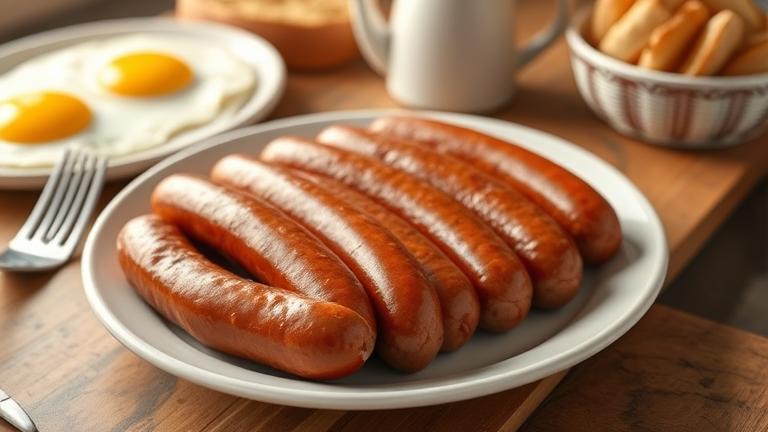
Are Cold Cooked Sausages Safe to Eat?
Many people wonder if it’s safe to eat cooked sausages cold the day after they’ve been cooked. The short answer is that, in general, yes, cooked sausages can be eaten cold, but there are important safety considerations to keep in mind.
When you cook sausages, you kill bacteria that may be present on the raw product. Once cooked, if you store them properly, they remain safe to eat later, including cold from the fridge. However, improper handling or storage can lead to foodborne illness.
It is essential to understand the risks associated with eating cooked sausages cold, especially if they haven’t been stored correctly or have been left out at room temperature for too long. Bacteria like Salmonella or Listeria can grow if cooked sausages are left outside of the fridge for more than two hours, or one hour if the outside temperature is very hot.
Storage Guidelines for Cooked Sausages
To safely enjoy cold cooked sausages, follow these storage tips:
- Cool them quickly: After cooking, let the sausages cool down to room temperature within two hours. Do not leave them out longer to prevent bacteria growth.
- Refrigerate promptly: Place cooked sausages in an airtight container or tightly wrapped in foil or plastic wrap. Store them in the fridge at 40°F (4°C) or lower.
- Eat within a safe time frame: Consume the leftovers within three to four days for optimal safety and freshness.
Eating Cooked Sausages Cold: Safety Tips
If you plan to eat your cooked sausages cold, there are a few safety tips to keep in mind:
- Check the smell and appearance: If the sausages smell off, look slimy, or have mold, discard them. Trust your senses to identify spoilage.
- Reheat if unsure: When in doubt, reheat the sausages to at least 165°F (74°C). This kills most bacteria and reduces health risks.
- Use clean utensils: Always use clean tongs, forks, or knives when handling leftovers to avoid cross-contamination.
- Store leftovers properly: Keep cooked sausages refrigerated and covered until ready to eat cold or reheat.
Common Mistakes to Avoid
To keep your food safe, avoid these common mistakes:
- Leaving cooked sausages at room temperature for longer than two hours.
- Not cooling leftovers quickly enough before refrigeration.
- Refrigerating sausages for more than four days.
- Eating sausages that have an off smell, slimy texture, or mold.
Summary
In brief, cooked sausages are safe to eat cold the next day if they are stored properly and consumed within the recommended time frame. Always check for signs of spoilage, and when in doubt, reheat thoroughly before eating. Proper handling helps ensure that your delicious leftovers stay safe and tasty.
How to Store Cooked Sausages Properly
Storing cooked sausages the right way is essential to keep them fresh and safe to eat later. Whether you have leftovers from a barbecue or prepared sausages for a quick meal, proper storage can prevent spoilage and foodborne illnesses. By following a few simple tips, you can enjoy your sausages even days after cooking.
First, it’s important to cool the sausages quickly after cooking. Leaving hot sausages out at room temperature for more than two hours can allow bacteria to grow. To speed up cooling, transfer the cooked sausages to a shallow container. This helps them cool evenly and faster in the fridge. If you’re in a hurry, you can also place the sausages in an ice water bath to bring down their temperature quickly.
Proper Storage Tips
- Use airtight containers or wrapping: Store sausages in airtight containers or tightly wrap them with plastic wrap or aluminum foil. This helps keep out air and moisture, which can cause spoilage and drying out.
- Keep at the right temperature: Place the sausages in the refrigerator at 40°F (4°C) or below. If you want to store them longer, consider freezing.
- Divide into smaller portions: If you have a large batch, divide the sausages into smaller portions before storing. This makes reheating easier and reduces the chances of contamination from opening the entire container repeatedly.
- Label with date: Always mark the container with the date you cooked or stored the sausages. This way, you won’t forget how long they’ve been in the fridge or freezer.
Storage Duration Guidelines
| Storage Method | Recommended Time |
|---|---|
| Refrigerator (in airtight container) | 3 to 4 days |
| Freezer (wrapped tightly in foil or stored in freezer bags) | 1 to 2 months |
It’s a good idea to check your sausages before eating. If they smell off, look slimy, or develop any discoloration, it’s safest to discard them.
Tips for Safe Reheating
- Reheat thoroughly: When reheating cooked sausages, aim for an internal temperature of 165°F (74°C). Use a food thermometer if possible.
- Avoid reheating multiple times: Try to reheat only what you plan to eat. Repeated warming and cooling can increase the risk of food spoilage.
By storing your cooked sausages properly, you can enjoy their delicious flavor for days or even weeks. Just remember to cool them quickly, keep them in airtight containers, and follow the recommended storage times. Safety first helps prevent foodborne illnesses and keeps your meals tasty and fresh!
Food Safety Tips for Leftover Sausages
Leftover sausages are a tasty treat that can be enjoyed later, but it is important to handle and store them properly to ensure they stay safe to eat. Food safety plays a big role in preventing foodborne illnesses, especially with cooked meats like sausages. Using simple tips and best practices can help you keep your leftovers fresh and safe for your next meal.
First, always cool and refrigerate sausages within two hours of cooking. If the sausages are left out at room temperature for longer, bacteria can multiply rapidly. To speed up the cooling process, transfer the sausages to a shallow container. Shallow containers help the leftovers cool evenly and quickly, reducing the risk of bacteria growth.
Store leftovers in airtight containers or wrap them tightly with plastic wrap or aluminum foil. This helps prevent contamination from other foods in the fridge and keeps the sausages from drying out. Labeling the package with the date you stored the leftovers is a good habit, so you know exactly how long they have been kept.
How Long Are Leftover Sausages Safe To Eat?
| Food Item | Refrigeration Time | Freezing Time |
|---|---|---|
| Cooked Sausages | 3 to 4 days | 1 to 2 months |
If you don’t plan to eat the leftovers within a few days, freezing is a good option. Frozen sausages maintain their quality longer, and you can keep them for up to two months. When you’re ready to eat, thaw the sausages in the fridge overnight. Avoid thawing at room temperature, as this can allow bacteria to develop.
When reheating leftover sausages, make sure they are heated to an internal temperature of at least 165°F (74°C). Use a food thermometer to double-check. Reheat evenly by microwaving, baking, or pan-frying, and stir or turn the sausages to ensure all parts get hot.
Practical Tips for Food Safety
- Always wash hands thoroughly before and after handling leftovers.
- Clean cutting boards, utensils, and plates after they come into contact with cooked sausages.
- Don’t reheat sausages more than once; reheat only what you plan to eat.
- If in doubt about the safety of leftover sausages, it’s best to discard them.
It can be tempting to keep leftovers for a longer time, but safety always comes first. By following these simple storage and reheating tips, you can enjoy your leftover sausages safely and prevent any health issues. Remember, when in doubt, throw it out! Keeping food safe makes mealtime enjoyable and worry-free.
Health Risks of Eating Cold Sausages
Many people enjoy eating cooked sausages cold, especially as a quick snack or added to salads. However, it is important to understand that consuming cold, cooked sausages can come with certain health risks. These risks mainly result from bacteria that might grow if the sausages are not stored or handled properly.
When sausages are cooked and then left at room temperature for too long, bacteria such as Salmonella, Listeria, and Clostridium perfringens can multiply. Eating contaminated sausages may lead to food poisoning, which can cause symptoms like stomach cramps, diarrhea, vomiting, and fever. While some illnesses are mild, others might require medical attention, especially for young children, older adults, pregnant women, or immunocompromised individuals.
Refrigeration is key to keeping sausages safe. After cooking, sausages should be stored in the fridge within two hours. If they are left out longer than that, especially in warm environments, the risk of bacterial growth increases significantly.
Another common mistake is improper reheating. If you plan to eat cooked sausages later, make sure they are heated thoroughly to an internal temperature of at least 165°F (74°C). This heat level helps to kill bacteria that may have developed during storage. When eating cold sausages, ensure they have been stored and handled properly since cooking.
It is also important to be cautious about cross-contamination. Always keep raw sausages separate from cooked ones, and wash hands, utensils, and surfaces thoroughly after handling raw meats. This prevents bacteria transfer and potential illness.
Additionally, pay attention to the appearance and smell of the sausages. If they develop a slimy texture, an unusual smell, or any discoloration, it is safest to discard them. Consuming spoiled sausages can lead to serious foodborne illnesses.
To help avoid potential health issues, consider these tips:
- Always refrigerate cooked sausages within two hours after cooking.
- Reheat leftovers to a safe temperature before eating, even if they are going to be eaten cold later.
- Check for signs of spoilage, such as unusual odors, sliminess, or color changes.
- Store raw and cooked sausages separately and wash hands and surfaces frequently.
- When in doubt, it is better to throw out questionable sausages to prevent illness.
By following these simple guidelines, you can enjoy your sausages safely and reduce the risk of foodborne illnesses. Remember, proper handling, storage, and reheating are crucial in keeping your meals both tasty and safe.
How to Tell if Sausages Are Still Safe
Knowing if your cooked sausages are still safe to eat is important for your health and peace of mind. Sometimes, sausages can look or smell fine but might not be safe anymore. Today, I’ll share simple ways to check if your sausages are still good.
First, always start with visual clues. Fresh cooked sausages should have a nice, even color. If you see any discoloration, such as gray, green, or dull brown spots, it’s a sign they might be spoiled. Also, look for any mold or unusual spots on the surface. Mold is a clear warning that the sausages should be discarded.
Next, check the texture. If the sausages feel slimy, sticky, or excessively dry, that’s a bad sign. Fresh cooked sausages should be moist but not slimy. If they seem sticky or gooey, bacteria may have grown, and eating them could cause illness.
Smell is another key indicator. Give your sausages a good sniff. Fresh cooked sausages usually have a savory smell typical of the spices used. If they smell sour, sourish, funky, or off in any way, it’s safer to toss them out. A strong, unpleasant odor is a sure sign they are no longer safe.
It’s also helpful to think about how long the sausages have been stored. Cooked sausages generally stay safe in the refrigerator for about 3 to 4 days. If they have been stored longer, even if they look and smell fine, it’s better to be cautious.
Here are some quick tips to keep in mind:
- Always store cooked sausages in an airtight container or sealed bag in the fridge.
- Label the container with the date you cooked or stored them.
- When in doubt about the safety, it’s best to throw out suspicious sausages.
- Remember that bacteria can’t always be seen or smelled, so proper storage and timely eating are crucial.
By following these easy checks—look, smell, and storage time—you can confidently decide if your cooked sausages are still safe to enjoy. When in doubt, it’s better to be safe than sorry. Enjoy your cooking, and always prioritize safety!
Delicious Recipes with Cold Cooked Sausages
If you have cooked sausages that are now cold and ready to use, don’t let them go to waste. Cold cooked sausages are incredibly versatile and can be turned into flavorful meals with just a little creativity. From quick lunches to hearty dinners, there are plenty of tasty ideas to make the most of your leftovers.
One of the easiest ways to enjoy cold cooked sausages is by slicing them thin and adding them to a fresh salad. Their savory flavor pairs well with crisp greens, cherry tomatoes, and a light vinaigrette. For an extra boost, sprinkle some shredded cheese or chopped herbs like parsley or chives on top. This simple combo makes a satisfying meal without much prep.
If you’re craving something warm, try making a sausage stir-fry. Slice the sausages into bite-sized pieces and sauté them in a hot pan with vegetables such as bell peppers, onions, and zucchini. Add a splash of soy sauce or your favorite stir-fry sauce for a quick, flavorful dish. Serve over rice or noodles for a complete meal. Since the sausages are already cooked, you only need a few minutes to heat and flavor them.
For a comforting snack or breakfast, consider making a sausage and cheese omelet. Chop the cold sausages into small chunks and fold them into beaten eggs before cooking. Add some shredded cheese and herbs for extra flavor. This protein-packed breakfast is perfect for busy mornings or whenever you want something satisfying without extra cooking time.
Sandwiches are another excellent way to enjoy cold cooked sausages. Slice the sausages and layer them on fresh buns or bread with your favorite toppings. Mustard, ketchup, pickles, lettuce, and sliced cheese all work well. For a Mediterranean twist, add hummus, cucumber slices, and sun-dried tomatoes. These make quick and filling lunches or picnics.
Looking for a more creative approach? Try turning your cold sausages into a pasta salad. Cook some pasta, then toss it with chopped sausages, chopped vegetables like cherry tomatoes, olives, and red onions. Drizzle with olive oil and a squeeze of lemon or your preferred dressing. Chill in the fridge for an hour for a refreshing, flavorful dish perfect for warm days.
Lastly, if you enjoy hearty bites, consider making sausage Quesadillas. Place sliced sausages and cheese between two tortillas, then cook in a skillet until golden and melty. Slice into wedges and serve with salsa or sour cream. This quick snack is great for snack time or a small dinner.
When using cold cooked sausages, always check for freshness before consuming. Store leftovers in an airtight container in the fridge and use within 3-4 days. These recipes show just how flexible and delicious cooked sausages can be, especially when you want to transform leftovers into new and exciting meals.
Expert Tips for Storing Cooked Sausages
Storing cooked sausages the right way is key to keeping them fresh, flavorful, and safe to eat. Whether you’ve made a batch for a family dinner or leftovers from a barbecue, knowing how to store cooked sausages properly can prevent waste and potential foodborne illnesses.
Cooked sausages are perishable and should be handled with care. Proper storage not only extends their shelf life but also helps preserve their juicy texture and tasty flavor. Here are some expert tips to ensure your cooked sausages stay fresh and safe:
Cooling Before Storage
Once your sausages are cooked, it’s important to let them cool down to room temperature before storing. Leaving hot foods out can promote bacterial growth and cause spoilage. Aim to cool sausages within two hours of cooking.
To do this quickly, transfer the sausages to a plate or container and spread them out to release heat faster. Avoid leaving them in large piles, as heat will trap in the center. This method helps keep food safe and prevents it from going bad.
Use Airtight Containers or Wrap Properly
For best results, store cooked sausages in airtight containers or wrap them tightly with plastic wrap or aluminum foil. This prevents air from reaching the sausages, which slows down spoilage and prevents drying out.
If you prefer, place sausages in leak-proof plastic bags, pressing out as much air as possible before sealing. Proper packaging keeps the sausages moist and flavorful while protecting them from absorbing fridge odors.
Optimal Storage Temperature
Keep cooked sausages in the refrigerator at or below 40°F (4°C). This temperature slows bacterial growth and keeps the sausages safe to eat for several days.
If you don’t plan to eat the sausages within three to four days, consider freezing them. Freezing extends their shelf life significantly and preserves flavor for months.
How Long Can You Keep Cooked Sausages?
| Storage Method | Time Frame |
|---|---|
| Refrigerator (below 40°F) | 3 to 4 days |
| Freezer (at 0°F or below) | 2 to 3 months |
Label the container or wrap with the date so you know exactly how long they’ve been stored. Always check for any signs of spoilage before eating—such as off smells, slimy texture, or discoloration.
Reheating Tips
When reheating cooked sausages, heat them thoroughly to an internal temperature of 165°F (74°C). You can do this in the microwave, on the stove, or in the oven. Cover them with a lid or foil to trap moisture and prevent them from drying out.
Be cautious not to reheat more than once, as repeated reheating can compromise safety and flavor. Always discard leftovers that have been reheated multiple times.
Common Mistakes to Avoid
- Leaving sausages at room temperature for too long.
- Not sealing the storage container properly.
- Storing in the fridge for longer than recommended.
- Refrigerating cooked sausages that are still hot, which can raise the fridge temperature.
Following these storage tips helps keep your cooked sausages delicious and safe. Remember, good storage is the secret to enjoying leftovers without worries. Keep an eye on dates, use airtight containers, and always reheat thoroughly for best results.