
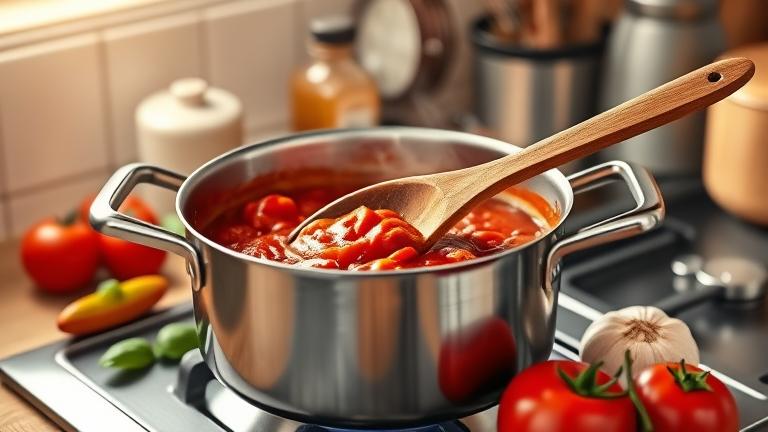
Introduction to Cooking Spaghetti Sauce
Cooking spaghetti sauce is a staple in many kitchens and a wonderful way to bring flavor and comfort to your meals. Whether you prefer a classic marinara, a meaty ragu, or a spicy arrabbiata, making your own sauce allows you to customize it just the way you like. It’s a simple process that anyone can learn with a few basic ingredients and some patience.
Spaghetti sauce is more than just a topping for pasta; it’s a flavorful foundation for many dishes. When you cook your own sauce, you get control over the ingredients, so you can keep it healthy, rich, or mildly seasoned depending on your taste. Plus, homemade sauce often tastes fresher and more vibrant than store-bought varieties.
What to Expect in the Cooking Process
The process of cooking spaghetti sauce involves a handful of key steps: gathering ingredients, simmering, and adjusting seasonings. First, you’ll start with simple ingredients like tomatoes, garlic, onions, and herbs. These form the base of most sauces. From there, you might add meat, vegetables, or spices to enhance the flavor.
The simmering stage is where the magic happens. Letting your sauce cook slowly allows different flavors to meld together and develop a rich, deep taste. It’s best to cook the sauce on a low to medium heat and stir occasionally. This gentle cooking process gives you a thick, flavorful sauce that clings perfectly to your pasta.
Why Making Your Own Sauce Matters
Many people find that making spaghetti sauce from scratch is more satisfying than using premade sauces. It’s a fun activity that lets you experiment with flavors. Plus, it’s easy to make in large batches and store for later. When you master the basics, you can create different recipes for every mood or occasion.
Expect the process to be forgiving. If you forget to add an ingredient or want to change the spice level later, it’s easy to adjust. As you gain confidence, you can start experimenting with new herbs like basil, oregano, or even a splash of red wine. This is a cooking process that rewards patience and creativity.
Getting Ready to Cook
Before you begin, gather all your ingredients and equipment. You’ll need a good-sized pot, a spoon for stirring, and measuring cups. Choosing fresh ingredients can make a noticeable difference in flavor. Fresh garlic, ripe tomatoes, and quality herbs will elevate your sauce to the next level.
Once you understand the basics and what to expect, cooking your own spaghetti sauce becomes a rewarding experience. It’s an easy way to add a homemade touch to your pasta dishes and impress family and friends with minimal effort. So, gather your ingredients and get ready to enjoy the delicious process of sauce-making!
How Long Does It Take to Simmer?
Simmering is a gentle cooking process where food is cooked in liquid at a temperature just below boiling, usually between 185°F and 205°F. It’s a key step in making dishes like spaghetti sauce, stews, and soups because it allows flavors to meld and ingredients to become tender.
When making spaghetti sauce, the simmering time can vary depending on your desired flavor and consistency. Typically, a basic sauce takes about 30 minutes to 1 hour of simmering. If you want a richer, more concentrated sauce with deep flavors, you might simmer it for 1 to 2 hours or even longer. Keep in mind, the longer you simmer, the more the flavors develop and thicken naturally.
Several factors influence how long you should simmer your sauce or dish. First, the type and cut of ingredients play a role. Tougher meats or thick vegetables like carrots or potatoes may need more simmering time to become tender. For example, a beef stew with large chunks of meat might simmer for 2 to 3 hours, while a light tomato sauce might only need 45 minutes.
Second, the size of your ingredients matters. Smaller pieces cook faster, so if you dice vegetables finely, they’ll soften quicker. Similarly, the amount of liquid in your pot can affect cooking time; a larger quantity of sauce can take longer to reach the desired consistency.
Temperature control is also important. Maintaining a steady simmer — not a boil — ensures flavors meld without burning or over-reducing your sauce. If your stove runs hot, you might need to lower the heat to keep a gentle simmer.
Practical tips for achieving the perfect simmer:
- Use a lid partially covering the pot to control moisture and heat while preventing splatters.
- Stir your sauce occasionally to prevent sticking and ensure even cooking.
- Taste your dish at regular intervals to check for flavor development and tenderness.
- If your sauce gets too thick or starts to stick, add a splash of water, broth, or more tomatoes to loosen it up.
- For the most flavor, it’s better to simmer slowly over low heat rather than high heat, which can burn ingredients or cause uneven cooking.
In summary, the key to perfect simmering is patience, paying attention to your ingredients, and adjusting the heat as needed. Whether you’re simmering a quick tomato sauce or a hearty beef stew, keeping an eye on time and consistency will help you achieve delicious, well-developed flavors.
Tips for Making Perfect Sauce Quickly
Want to enjoy a tasty spaghetti sauce without spending hours in the kitchen? Making a flavorful sauce in a hurry is totally possible with a few simple strategies. Whether you’re short on time or just looking for a quick meal, these tips will help you create a delicious sauce effortlessly.
Use Store-Bought Base and Enhance It
Starting with a good quality jarred tomato sauce can save you lots of prep time. Look for options with simple ingredients and balanced flavor. To boost taste, add fresh herbs like basil or oregano, a splash of olive oil, and a pinch of salt. Stirring in some minced garlic or onion powder can also enrich the flavor instantly.
Keep Ingredients Simple and Ready
Prepare your ingredients beforehand. Mince garlic, chop onions, or measure out your spices before you start cooking. Using pre-minced garlic from a jar or frozen onion can make a big difference in saving time. The fewer steps during cooking, the faster your sauce comes together.
Utilize High Heat with Care
Cooking your sauce on medium-high heat can help it simmer faster and develop a richer flavor. Keep stirring to prevent sticking or burning. Once the sauce starts to bubble, reduce the heat slightly and let it simmer just long enough to combine flavors, usually about 10-15 minutes. This method speeds up cooking without sacrificing taste.
Simmer with a Lid for Faster Reduction
Cover your sauce with a lid while simmering. This traps heat and moisture, helping ingredients meld quickly. It also prevents evaporation, so your sauce stays at the right consistency. Remember to stir occasionally so it doesn’t stick to the bottom of the pan.
Use Fresh or Frozen Herbs
Fresh herbs add vibrant flavor, but they can wilt if cooked too long. Add basil, parsley, or other herbs towards the end of cooking, about 2-3 minutes before serving. Frozen herbs are also a quick option, and they release flavor quickly into your sauce.
Don’t Overthink the Thickening
If your sauce is too thin, stir in a small amount of cornstarch mixed with cold water to thicken it quickly. Make sure to add just a little at a time to avoid over-thickening. Alternatively, simmer uncovered for a few extra minutes to reduce and thicken naturally.
Practical Tips for Speed and Quality
- Always taste and adjust seasonings at the end. A splash of vinegar or a pinch of sugar can balance flavors quickly.
- Use a good-quality strained tomatoes or tomato puree for a smoother texture and faster cooking.
- Don’t rush the process if you want the best flavor—shortcuts work best when you keep ingredients simple and fresh.
By following these tips, you’ll be able to whip up a tasty spaghetti sauce in no time. Remember, starting with quality ingredients and preparing your components early are key. With a little practice, quick sauces can taste just as satisfying as slow-cooked ones!
Common Mistakes to Avoid
Making the perfect sauce can elevate a meal, but there are some common mistakes that many home cooks make along the way. Being aware of these errors and knowing how to prevent them can help you achieve the best possible results every time. Whether you’re preparing a simple pasta sauce or a rich gravy, avoiding these pitfalls will make your cooking more successful and enjoyable.
1. Not Using the Right Proportions
One of the most frequent mistakes is incorrect ingredient ratios. Too much salt, sugar, or spice can overpower your sauce, while too little might make it bland. Follow your recipe closely, and once you get comfortable, adjust ingredients gradually. Remember, you can always add more, but you can’t remove excess once mixed in.
2. Overcooking or Under-cooking the Sauce
Cooking time is crucial. Too little time might leave flavors raw or underdeveloped, while too long can cause the sauce to thicken excessively or develop a bitter taste. Keep an eye on the sauce, taste as you go, and follow recommended cooking durations. For example, a tomato sauce usually benefits from simmering for at least 20-30 minutes to deepen flavors.
3. Not Stirring Frequently
Stirring helps prevent sticking, burning, or uneven cooking. Especially when making thicker sauces, make sure to stir regularly to distribute heat evenly. Use a wooden or silicone spoon, and scrape the bottom of the pan to avoid sticking and possible scorching.
4. Adding Ingredients Too Quickly or at the Wrong Time
Timing matters when building flavors. Adding salt or seasoning too early can make flavors dull or overly salty. Ingredients like garlic or herbs should be added at the right moments. Garlic, for instance, is best added after the oil heats up but before adding liquids, so it releases flavor without burning. Follow the recipe’s sequence for best results.
5. Not Adjusting for Taste
Your first taste test might not be perfect. Always taste your sauce before serving. Adjust acidity, sweetness, or seasoning as needed. Sometimes a splash of vinegar or a pinch of sugar can balance flavors unexpectedly. Don’t be afraid to make small adjustments to suit your palate.
Tips to Improve Your Sauce-Making Skills
- Use fresh ingredients when possible for more vibrant flavors.
- Simmer sauces gently over low heat for even cooking and better flavor development.
- Keep your workspace tidy to prevent accidental mixing errors.
- Don’t rush the process—good sauces take time to develop full flavor.
- Experiment with different herbs and spices to find combinations you love.
By avoiding these common mistakes and following these tips, you’ll be well on your way to creating delicious, well-balanced sauces that enhance any meal. Remember, practice makes perfect, and each attempt is a step toward becoming a better cook.
Best Ingredients for Rich Flavor
Creating a delicious, rich spaghetti sauce starts with selecting the right ingredients. These key components can turn a basic sauce into something truly memorable. Whether you’re making a quick dinner or a simmered masterpiece, incorporating the following ingredients will boost depth and flavor.
First, high-quality tomatoes are the foundation of a flavorful spaghetti sauce. Opt for ripe, fully-seasoned canned tomatoes like San Marzano or whole peeled tomatoes. Fresh tomatoes also work well during summer but may require cooking longer to develop full flavor. Use their natural sweetness and acidity to build a vibrant base.
Next, adding aromatics like garlic and onions creates a savory backbone. Fresh garlic, minced, brings a sharp, pungent note that intensifies when cooked slowly. Onions, diced finely, add sweetness as they soften. Cooking these ingredients gently in olive oil releases their full aroma and flavor without burning, which can make the sauce bitter.
Herbs are essential for depth. Fresh basil and oregano provide a fragrant, authentic taste. Add fresh herbs during the simmer to unleash their essential oils. Dried herbs are useful if fresh aren’t available, but use less to avoid overpowering the sauce.
For richness and a velvety texture, incorporate good quality olive oil and a splash of red wine or balsamic vinegar. Olive oil adds a fruity, peppery note and helps carry flavors. A small amount of red wine adds complexity and a hint of sweetness. Balsamic vinegar, used sparingly, enhances the natural tomato flavor with a touch of sweetness and tang.
Don’t forget to season your sauce with salt and freshly ground black pepper. Salt amplifies all other flavors, so be generous but cautious—taste as you go. Pepper adds a mild heat that balances acidity and sweetness.
To make the sauce even richer, consider stirring in a spoonful of butter or a splash of heavy cream toward the end. These ingredients lend creaminess and round out sharp or acidic notes. For a smoky flavor, a pinch of smoked paprika or diced roasted peppers works beautifully.
Lastly, a subtle touch of anchovy paste or fish sauce can add umami, the savory “fifth taste,” amplifying the depth without making the sauce taste fishy. Use sparingly and taste often to get the right balance.
- Use ripe, high-quality canned or fresh tomatoes
- Gently cook garlic and onions for depth
- Add fresh herbs during simmering
- Incorporate good olive oil and a splash of wine or vinegar
- Adjust seasoning carefully, tasting along the way
- Finish with butter, cream, or umami boosters for richness
By selecting these ingredients and combining them thoughtfully, you can elevate your spaghetti sauce from simple to sumptuous. Taste and adjust as you go, and soon you’ll have a sauce full of rich, layered flavors that everyone will love.
Quick and Easy Sauce Recipes
When it comes to making a delicious spaghetti sauce in a hurry, you want recipes that are simple, flavorful, and require minimal ingredients. Whether you’re short on time or just looking for a fuss-free way to jazz up your pasta, these quick sauce options are perfect for home cooks of all skill levels.
Most of these sauces can be made in under 30 minutes, making them ideal for busy weeknights or last-minute dinner plans. With a few pantry staples and a dash of creativity, you’ll have a tasty meal on the table in no time.
Basic Tomato Sauce
The classic tomato sauce is a staple in any kitchen. To make it quickly, start with canned crushed tomatoes. Sauté minced garlic and a chopped onion in olive oil until fragrant and translucent. Add the tomatoes, a pinch of salt, pepper, and a teaspoon of sugar to balance the acidity.
Simmer for 10-15 minutes to allow flavors to meld. For extra flavor, toss in dried herbs like basil or oregano, or add a splash of red wine. This sauce is versatile and perfect for a quick spaghetti dinner or as a base for other recipes.
Garlic and Olive Oil Sauce
This is perhaps the simplest sauce you can make. Heat a good quality olive oil over medium heat. Add freshly minced garlic and cook just until fragrant, about 30 seconds. Be careful not to burn it, as garlic turns bitter.
Pour over cooked spaghetti and toss to coat. Finish with a sprinkle of red pepper flakes for some heat and a sprinkle of Parmesan cheese if desired. This sauce is light, flavorful, and ready in minutes.
Almond Pesto
If you have fresh basil, olive oil, and almonds, you can create a quick pesto variation. Blend together a handful of fresh basil leaves, a small handful of almonds, garlic, olive oil, salt, and pepper in a food processor until smooth. For a creamier texture, add a spoonful of grated Parmesan or a bit of Greek yogurt.
Mix the pesto with cooked spaghetti or use as a spread. It’s a fresh, nutty alternative to traditional pesto, and it comes together in just a few minutes.
Tips for Fast and Flavorful Sauces
- Keep pantry staples like canned tomatoes, garlic, olive oil, and dried herbs on hand for quick sauces.
- Use freshly grated cheese for extra flavor without extra time.
- Always taste and adjust seasoning — a little salt and pepper can make a big difference.
- If you’re in a rush, blending ingredients like herbs or garlic can save prep time.
- Don’t forget to cook your pasta al dente — it saves time and ensures the sauce clings better.
With these recipes and tips, you can turn simple ingredients into a flavorful spaghetti meal in no time. Experiment with ingredients you enjoy and find your perfect quick sauce every time!
Storage and Serving Tips
Storing leftover sauce properly and serving it at the right temperature are key to keeping its flavor fresh and vibrant. Whether it’s a pasta sauce, a gravy, or a specialty condiment, good storage ensures you enjoy it later without sacrificing quality. Proper serving practices can also enhance the taste and presentation, making every meal feel special.
First, always allow the sauce to cool down to room temperature before storing it. Placing hot sauce directly into the fridge can raise the temperature inside and promote bacterial growth. Once cooled, transfer the sauce into an airtight container or a glass jar with a tight-fitting lid. This helps prevent contamination and keeps out other fridge odors that could alter its flavor.
How Long Can You Store Sauce?
- Refrigerated sauce generally stays fresh for 3 to 4 days. Be sure to check for any signs of spoilage before use.
- If you want to keep it longer, consider freezing it. Properly stored in a freezer-safe container, sauce can last for up to 3 months.
Tips for Freezing Sauce
- Divide sauce into smaller portions or ice cube trays for easy thawing. This way, you only defrost what you need each time.
- Label containers with the date so you know how long it has been stored.
- Leave some space at the top of containers when freezing, as liquids expand when frozen.
Best Practices for Serving
When ready to serve, gently reheat the sauce on the stove over low to medium heat. Stir occasionally to prevent sticking or burning. If reheating from frozen, thaw it in the fridge overnight or use the microwave for quicker results. Always bring it to a gentle simmer before adding it to your dish, ensuring it heats evenly.
For maintaining freshness, serve the sauce at the right temperature suited to its type. For example:
- Tomato-based sauces are best served warm but can also be enjoyed cold in pasta salads.
- Gravy and creamy sauces taste best hot and fresh out of the stove.
Additional Tips
- Use clean utensils to scoop sauce to avoid introducing bacteria that can spoil it faster.
- Never leave leftover sauce sitting out at room temperature for more than two hours to reduce the risk of bacteria growth.
- If your sauce develops an off smell, discoloration, or mold, it’s safest to discard it.
By following these storage and serving tips, you’ll enjoy your leftover sauce at its best—full of flavor and safe to eat. With a little care, your sauces can be a delicious addition to many meals even days after cooking.