
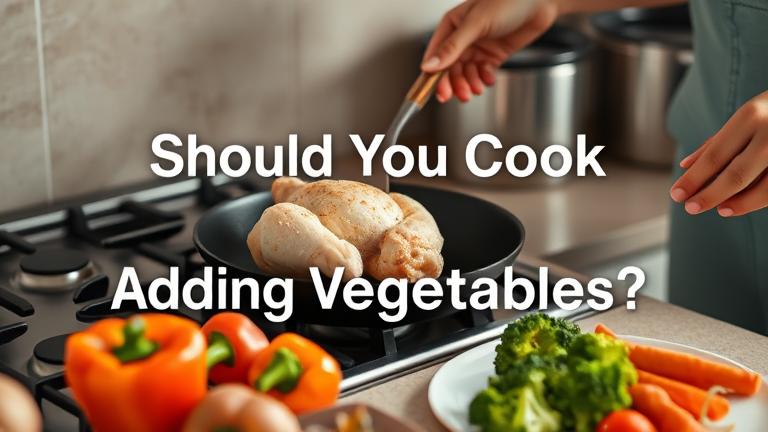
Benefits of Cooking Chicken First
Cooking chicken before adding vegetables has many advantages, especially when aiming for a tasty and safe dish. One key benefit is making sure the chicken is cooked thoroughly. Chicken needs to reach a certain internal temperature to be safe to eat, usually 165°F (75°C). Cooking it first allows you to easily monitor its doneness without rushing or guessing.
When you cook chicken first, you gain better control over its texture and flavor. Searing or browning the chicken brings out rich, savory flavors that can enhance the entire dish. If you add raw chicken to vegetables too early, the chicken may stay undercooked while the vegetables become overcooked or soggy. Cooking the chicken separately or at the beginning helps prevent this problem.
Another advantage is that cooking chicken first allows you to develop a depth of flavor known as the Maillard reaction. This occurs when the chicken’s surface browns, creating complex, caramelized tastes. These flavors can then be absorbed further when you add vegetables, resulting in a more flavorful overall dish. Plus, the browned bits left in the pan, called fond, serve as a tasty base for sauces or gravies.
If you’re making a one-pan meal, cooking the chicken first gives you a chance to cook it evenly. For example, browning chicken breasts or thighs first, then removing them from the pan, helps you control the cooking process. Once the chicken is done, you can cook the vegetables in the flavorful pan juices for extra taste. This technique reduces the risk of undercooked chicken or overcooked vegetables.
Additionally, cooking chicken first reduces the risk of foodborne illness. Chicken can harbor harmful bacteria like Salmonella if not cooked properly. Starting with fully cooked chicken ensures that you’re serving a safe meal, especially if you plan to combine it with other ingredients later. It also prevents cross-contamination that could happen if raw chicken juices touch other foods.
- Tip: Use a digital meat thermometer to check the chicken’s internal temperature for perfect doneness.
- Tip: Sear the chicken in a hot pan for a few minutes on each side to develop flavor and color before adding vegetables.
- Tip: If you’re using previously cooked chicken, you can add it at the end just to heat through, avoiding overcooking.
In summary, cooking chicken first not only ensures your meal is safe but also boosts flavor, improves texture, and helps you control the cooking process more easily. Whether you’re making a stir-fry, casserole, or simple skillet dish, starting with properly cooked chicken sets a strong foundation for a delicious meal.
When to Add Vegetables During Cooking
Timing is key when it comes to adding vegetables during cooking. Knowing the best time to include them can make a big difference in their texture, flavor, and nutritional value. Whether you’re boiling, steaming, sautéing, or roasting, there are simple tips to help you get it just right.
First, consider the type of vegetables you are cooking. Harder vegetables like carrots, potatoes, or broccoli typically need more time to soften. These should be added earlier in the cooking process so they have enough time to cook through. Softer vegetables, such as spinach, zucchini, or bell peppers, cook quickly and are best added later to prevent overcooking and mushiness.
When Boiling or Simmering
If you are boiling vegetables for soups or stews, add the tougher varieties first. As the water heats up, these vegetables will take longer to soften. Usually, add them at the beginning or after the water reaches a boil, depending on how long you want the final texture to be. Softer vegetables, like leafy greens, should be added in the last 5 to 10 minutes to keep their bright color and fresh flavor.
When Steaming
Steaming preserves nutrients and flavor. For vegetables that take longer to cook, such as carrots or potatoes, add them to the steaming tray early on. Softer vegetables like green beans or peas can go in later, or for even quicker cooking, add them when the other vegetables are about halfway done.
Sautéing and Stir-Frying
In sautéing or stir-frying, timing depends on the texture you want. Hard vegetables like carrots and broccoli go into the pan first, giving them a head start to soften and absorb flavors. Add quicker-cooking vegetables like spinach or mushrooms towards the end, usually in the last few minutes. This prevents them from overcooking and becoming soggy.
Roasting
When roasting vegetables, cut them into similar-sized pieces for even cooking. Hard vegetables like potatoes and carrots should go in earlier, since they take longer to become tender. Softer vegetables, such as cherry tomatoes or zucchini, can be added halfway through or towards the end of roasting. This way, they won’t dry out or turn mushy.
Practical Tips for Perfect Timing
- Use your senses: taste and check texture to decide when to add vegetables.
- Cut vegetables into uniform pieces for even cooking.
- Start with harder vegetables and add softer ones later.
- If uncertain, add delicate vegetables just before the dish is finished.
Remember, the goal is to keep vegetables flavorful and enjoyable to eat. Overcooking can cause nutrients to escape and veggies to lose their texture. With these simple timing tips, you can create dishes with perfect vegetables every time!
How Cooking Order Affects Flavor and Texture
The order in which you add ingredients during cooking can have a big impact on the final flavor and texture of your dish. When you understand how different ingredients interact based on when they’re added, you can control the taste, avoid mushiness, and bring out the best in each component.
For example, starting with ingredients that need longer cooking times, like root vegetables or tough cuts of meat, helps them become tender and develop rich flavors. Meanwhile, delicate items like herbs or quick-cooking vegetables should be added later to preserve their fresh taste and crunch.
How you layer your ingredients can also influence the overall balance of flavors. Sautéing onions and garlic first releases their aromatic oils, creating a tasty base for many dishes. If they’re added too late, you might miss out on that deep, savory foundation. Conversely, adding fresh herbs too early can cause them to lose their aroma and vibrant flavor during prolonged cooking.
Consider Cooking Methods and Timing
Different cooking methods demand specific orders for the best results. For roasting, you might start with larger, tougher vegetables like carrots and potatoes. For stir-fries or sautés, add ingredients in stages based on their cooking speeds.
- Longer-cooking ingredients go in first. For example, in a stew, add meat and root vegetables before quicker-cooking items like spinach or peas.
- Quick-cooking ingredients or sensitive items should be added at the end. Fresh herbs, soft fruits, or delicate seafood are best added last to keep their texture and flavor intact.
Practicing Ingredient Sequencing
To perfect your cooking order, think of it as building layers of flavor and texture. For example, when making a hearty soup, start by sautéing aromatics like onions, garlic, and carrots. Once they’re fragrant and slightly softened, add the broth and tougher vegetables. As the soup simmers, introduce quicker-cooking items closer to the end.
Here are some practical tips:
- Read recipes carefully — many specify when to add key ingredients.
- Use visual cues — ingredients that change color or soften should be added later.
- Adjust your order based on the ingredients’ natural cooking times. If unsure, test a small piece first.
Common Mistakes to Avoid
- Adding delicate ingredients too early, causing overcooking or loss of flavor.
- Starting with quick-cooking ingredients, which can turn mushy or lose vibrancy.
- Ignoring the base flavors — building layers in the right sequence enhances depth.
Understanding how cooking order affects flavor and texture helps you create dishes that are flavorful, balanced, and have the perfect mouthfeel. With practice, you’ll learn to tweak the sequence for every recipe and ensure each ingredient shines in your final dish.
Tips for Perfectly Combining Chicken and Vegetables
Cooking chicken with vegetables is a wonderful way to create a flavorful, nutritious meal. Achieving the right balance of flavors and textures can make your dishes taste even better. Here are some practical tips to help you blend chicken and vegetables perfectly every time.
First, consider choosing the right vegetables. Some vegetables cook quickly and pair well with tender chicken, like bell peppers, zucchini, and snap peas. Others, such as carrots or potatoes, need longer cooking times. To make sure everything cooks evenly, it’s helpful to cut vegetables into similar sizes. For example, thin slices or small cubes cook faster and more uniformly than large chunks.
Next, think about the cooking method. Stir-frying is great for quick, colorful dishes. Simply heat a little oil in a pan, add chicken strips, cook until browned, then toss in vegetables and cook until tender. Baking or roasting works well too, especially if you like a flavor-packed, crispy result. Spread chicken and vegetables on a baking sheet, season well, and bake until done. Each method affects flavor and texture differently, so choose based on what taste and consistency you prefer.
Marinating the chicken before cooking is another smart move. Use simple ingredients like olive oil, lemon juice, garlic, and herbs. Marinating for about 30 minutes adds flavor and tenderizes the meat. Remember, don’t over-marinate or leave chicken too long with acidic ingredients, as it can turn mushy.
Seasoning is key for flavor harmony. Use complementary herbs and spices like thyme, rosemary, cumin, or paprika. Salt and pepper are essentials, but adding a splash of soy sauce or balsamic vinegar can deepen the flavor profile. When seasoning, taste as you go so nothing is overpowering.
A useful trick is to add vegetables in stages if they have different cooking times. For example, start with ingredients like carrots or potatoes, and add quicker-cooking items such as zucchini or spinach later. This helps prevent overcooking or undercooking any part of your dish.
Pay attention to color and texture. Bright, colorful vegetables not only look appealing but also retain more nutrients when cooked properly. To keep vegetables crisp and vibrant, cook them until just tender. Overcooked vegetables can become mushy and lose their flavor, which affects the overall harmony of the dish.
Finally, balance is everything. If your chicken tastes a bit bland, a squeeze of fresh lemon or a sprinkle of herbs can brighten the flavors. Likewise, if vegetables seem overpowering, a touch of honey or a dash of soy sauce can help bring everything together smoothly.
Some common mistakes to avoid include overcooking chicken, which can make it dry, and adding too many strong seasonings at once, which can overshadow the natural flavors. Also, skipping proper preparation—like not chopping vegetables evenly—can lead to uneven cooking.
In summary, choosing the right vegetables, using appropriate cooking methods, seasoning thoughtfully, and timing each ingredient properly ensure your chicken and vegetables combine in perfect harmony. With these simple tips, every meal will become a balanced and delicious success.
Common Mistakes to Avoid in Cooking
Cooking chicken and vegetables can be simple and enjoyable, but it’s easy to make some common mistakes that can affect your results. Whether you’re new to cooking or just looking to improve, knowing what to watch out for can save you time and ensure your dishes turn out delicious. Here, we’ll explore some of the most frequent errors and how to prevent them so you can cook with confidence.
Not Properly Thawing Chicken
One of the biggest mistakes is not thawing chicken safely. Thawing chicken at room temperature can lead to bacterial growth, which is unsafe. The best way to thaw chicken is in the refrigerator overnight or using the defrost setting on your microwave. If you’re short on time, you can seal the chicken in a plastic bag and submerge it in cold water, changing the water every 30 minutes until thawed.
Overcrowding the Pan
This is a common error when cooking vegetables or chicken pieces. When you crowd the pan, the food releases moisture instead of searing or browning evenly. To get that nice caramelized color and better flavor, cook in batches if needed. Spread the ingredients out in a single layer and give them space to breathe. This helps achieve crispier vegetables and more flavorful chicken.
Cooking at the Wrong Temperature
Cooking chicken and vegetables at an incorrect temperature can lead to disappointment. Too high, and you risk burning the outside while the inside remains raw. Too low, and the food may end up soggy or undercooked. Use medium heat for most vegetables to get tender yet crispy results, and cook chicken thoroughly at an internal temperature of 165°F (74°C). Using a thermometer can be a game-changer for perfect doneness.
Ignoring Seasoning
Many cooks forget to season their ingredients properly. Salt enhances flavor, so don’t be shy about adding it early in the cooking process. For vegetables, a sprinkle of salt while roasting or sautéing makes a big difference. For chicken, season both sides before cooking to ensure even flavor. Consider adding herbs, spices, or citrus to elevate your dish.
Poor Cutting Techniques
The way you cut your chicken and vegetables matters. Uniform pieces cook more evenly, preventing under or overcooking. When chopping vegetables, aim for similar sizes. For chicken, cut into even pieces if you’re marinating or cooking in chunks. Using sharp knives also reduces the risk of slipping and helps achieve cleaner cuts.
Not Allowing Rest Time
After cooking, resting chicken allows juices to redistribute, making it more tender and flavorful. Avoid slicing it immediately after taking it off the heat. Let the chicken sit for about five minutes before carving. Vegetables can also benefit from a brief rest, especially if they’re cooked in a sauce, to absorb flavors better.
- Tip: Always read your recipe carefully and follow steps. This helps avoid missed details like marinating times or specific cooking temperatures.
- Tip: Keep your workspace organized. It makes cooking more efficient and prevents accidental mistakes.
By avoiding these common mistakes and following simple tips, your chicken and vegetable dishes will turn out better every time. Good preparation and attention to detail make all the difference in the kitchen.
Quick Recipes: Chicken and Vegetables Made Easy
Cooking chicken with vegetables can be both quick and delicious. Whether you’re short on time or just want a simple meal, these recipes show how easy it is to prepare healthy and tasty dishes. The key is using straightforward techniques and common ingredients. Let’s walk through some practical tips and recipes to get dinner on the table fast.
First, choose the right cut of chicken. Chicken breasts are lean and cook quickly, making them perfect for fast meals. You can also use chicken thighs if you prefer a juicier, more flavorful option. For vegetables, classics like bell peppers, broccoli, zucchini, and carrots work well because they cook quickly and add color and nutrition.
Prep Ingredients Efficiently
- Start by chopping vegetables into similar-sized pieces. This helps them cook evenly and faster.
- Pat chicken dry with paper towels. Season with salt, pepper, and any favorite spices or herbs.
- If you’re short on time, buy pre-cut vegetables and pre-cooked chicken strips. This can shave minutes off your prep time.
Cooking Techniques for Speed and Flavor
The most popular methods for quick chicken and vegetable dishes are stir-frying and sheet pan roasting. Both are simple and don’t require complex equipment.
Stir-Frying
This method involves cooking ingredients quickly in a hot pan with little oil. It keeps vegetables crisp and chicken tender.
- Heat a tablespoon of oil in a large skillet or wok over medium-high heat.
- Add chicken pieces and cook, stirring often, until they turn golden and are cooked through, about 5-7 minutes.
- Remove chicken and set aside. In the same pan, add vegetables and cook for 3-5 minutes until they’re slightly tender but still crisp.
- Return the chicken to the pan. Add soy sauce, garlic, ginger, or other seasonings for extra flavor.
- Cook everything together for another 2 minutes. Serve hot over rice or noodles.
Sheet Pan Roast
This method is perfect if you prefer roasting flavors. It involves baking everything on one pan for minimal cleanup.
- Preheat your oven to 400°F (200°C).
- Line a baking sheet with parchment paper. Spread chicken pieces and chopped vegetables evenly.
- Drizzle with oil and sprinkle with your chosen seasonings.
- Bake for about 20-25 minutes, turning halfway through, until the chicken is cooked and vegetables are tender and slightly caramelized.
- Enjoy straight from the pan, perhaps with a squeeze of lemon or a sprinkle of herbs.
Quick Tips for Success
- Cut ingredients into uniform pieces so they cook evenly.
- Don’t overcrowd your pan; give ingredients space to sear properly.
- Use high heat to speed up cooking and develop flavor.
- Experiment with quick marinades using lemon juice, garlic, or soy sauce for extra flavor without extra time.
Common Mistakes to Avoid
- Cooking chicken and vegetables together without proper slicing can lead to uneven cooking.
- Using too much oil in stir-frying can make dishes greasy.
- Not preheating the pan can cause ingredients to stick and increase cooking time.
With these simple techniques, you can whip up a flavorful chicken and vegetable meal in no time. Practice makes perfect, so don’t be afraid to customize recipes with your favorite seasonings or vegetables. Quick, healthy, and tasty — that’s how weeknight cooking should be.
Final Tips for Delicious Chicken and Veggie Dishes
Cooking chicken and vegetables together can create hearty, flavorful meals that everyone will enjoy. To help you achieve consistently delicious and well-balanced dishes, here are some friendly and practical tips to keep in mind.
Choose Quality Ingredients
Start with fresh chicken and vegetables. Fresh ingredients have better flavor and texture. Look for chicken that is moist and firm, with no sour or odd smell. For vegetables, select vibrant, firm produce without blemishes or wilted leaves. Quality ingredients make a big difference in the final taste of your dish.
Mind Your Cooking Times
Chicken and vegetables often require different cooking times. Chicken should be cooked through to reach an internal temperature of 165°F (74°C) to ensure safety. Vegetables, meanwhile, can become mushy if overcooked. To keep everything perfectly cooked, it’s best to add vegetables to the pan at different stages or use techniques like blanching or steaming before adding them to stir-fries or casseroles. This prevents overcooking and preserves their natural flavors and textures.
Use Proper Seasonings
Season your chicken and veggies generously but thoughtfully. Basic seasonings like salt, pepper, garlic, and herbs work well. For a richer flavor, consider marinating the chicken for at least 30 minutes before cooking. A simple marinade of lemon juice, olive oil, garlic, and herbs can do wonders. Remember, taste as you go, and don’t be afraid to experiment with spices to match your preferred flavor profile.
Balance Your Plate
A well-balanced dish has the right proportion of protein, vegetables, and carbs (if you include grains or potatoes). Aim for about one-third chicken, one-third vegetables, and the rest carbs or sides. This not only makes the dish more nutritious but also more satisfying. Including a variety of colorful vegetables ensures you get a range of nutrients and makes your meal visually appealing.
Cook with Good Techniques
Different recipes call for different methods. For quick-cooking dishes like stir-fries, high heat and fast stir movement help keep the veggies crisp and the chicken tender. For roasted dishes, a hot oven and even spreading on a baking sheet can develop rich flavors through caramelization. Steaming preserves nutrients and keeps vegetables tender, while sautéing adds flavor with browning. Pick the right technique for your dish.
Avoid Common Mistakes
- Overcrowding the pan: When cooking chicken and vegetables together, give each piece enough space. Overcrowding causes steaming rather than searing, leading to less flavor.
- Using too high heat too early: Starting with medium heat helps control cooking and prevents burning, especially when using oils like olive or sesame.
- Not tasting as you go: Adjust seasonings during cooking. It’s easier to fix flavors early in the process.
Finish with a Flavorable Touch
Just before serving, consider adding fresh herbs, a squeeze of lemon, or a drizzle of good-quality olive oil. These small finishing touches can brighten flavors and make your dish taste even better.
Practice and Experiment
The more you cook chicken and vegetables together, the better you’ll get at balancing flavors and textures. Don’t be afraid to try new seasonings or cooking methods. Keep notes on what works best for you, and enjoy the process of creating delicious, healthy meals at home.