
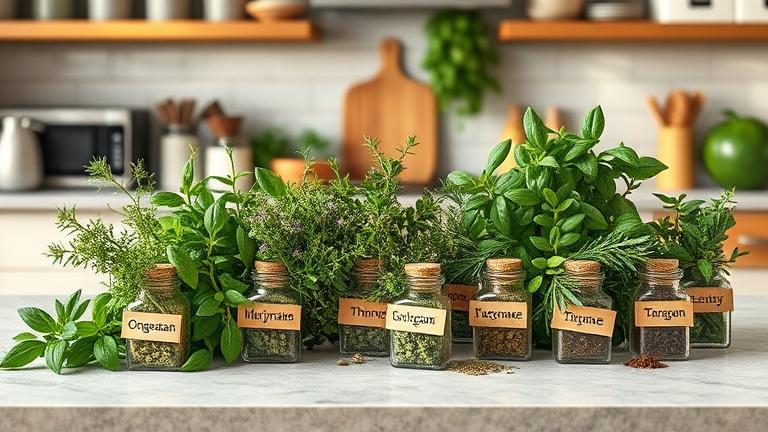
Understanding Marjoram’s Flavor Profile
Marjoram is a popular herb known for its aromatic and delicate flavor. It has a warm, slightly sweet scent that instantly signals freshness and herbs in many recipes. If you’ve ever smelled a garden soon after rain, that light, fragrant aroma is similar to marjoram’s pleasant scent.
This herb belongs to the same family as oregano, but its flavor is milder and more nuanced. It offers a blend of sweet, floral notes with a hint of earthy bitterness. Because of this, it adds depth to dishes without overpowering other ingredients. When using marjoram, think of it as a gentle flavor booster rather than a bold statement herb.
What Does Marjoram Taste Like?
In terms of taste, marjoram is subtle, with hints of mint, pine, and citrus. It provides a slightly sweet and peppery flavor that enhances soups, stews, and roasted vegetables. Its delicate nature means it’s often added at the end of cooking or used fresh for the best taste.
Marjoram’s flavor works well with hearty ingredients like lamb, chicken, eggplant, and tomatoes. Because it’s so mild, it complements rather than competes with these flavors. Many cooks love it for adding a touch of warmth and complexity without making the dish taste ‘herby’ in an overwhelming way.
How Does Its Aroma Influence Cooking?
When you cook with marjoram, its aroma is released quickly, filling your kitchen with a comforting herbal scent. This aroma also signals when the flavor is at its peak, so it’s helpful to add it near the end of the cooking process. Otherwise, heat can diminish its delicate aroma, making the flavor less vibrant.
Fresh marjoram has a more vibrant aroma and flavor than dried. It’s best to use fresh leaves when possible, especially in salads or finishing touches on a dish. Dried marjoram, however, holds its own and is excellent for long-simmering stews or spice blends.
Common Culinary Uses of Marjoram
- Adding flavor to roasted meats and vegetables
- Enhancing tomato-based sauces and soups
- Garnishing salads or cheese platters
- Mixing into herb butter or marinades
- Using in Mediterranean and Middle Eastern dishes
Understanding how marjoram’s flavor works helps you decide when and how to use it for the best results. Its gentle aroma and taste make it a versatile addition to many recipes, especially when you want a hint of fresh, herbal sweetness. If you’re ever unsure about its intensity, start with a small amount and taste as you go.
Knowing the flavor profile also helps if you’re looking for substitutes. Because marjoram’s subtle, sweet qualities are unique, choosing herbs with similar flavors—like oregano or thyme—can help mimic its essence in a pinch. Just remember, the key is to match the mild, floral, and slightly sweet characteristics for the best outcome.
Common Herbs as Marjoram Substitutes
If you don’t have marjoram on hand or want to try a different flavor in your dish, don’t worry. Several herbs can stand in for marjoram and still add a lovely herbal note to your cooking. Each substitute has its own unique taste, so understanding their similarities and differences can help you pick the right one for your recipe.
Marjoram has a mild, sweet, and slightly minty flavor with hints of pine and citrus. It’s often used in Mediterranean, Italian, and pork dishes. When choosing a substitute, consider whether you want a similar flavor or something with a slightly different twist.
Thyme
Thyme is one of the most common substitutes for marjoram. It has a slightly earthier and more pungent flavor but shares the herbaceous and aromatic qualities. Use it in equal amounts as marjoram in most recipes. Keep in mind that thyme’s stronger taste may slightly alter the dish, so for delicate flavors, consider starting with a little less and adjusting.
Oregano
Oregano is another close relative. It’s more robust and has a more pronounced spiciness. However, in milder dishes or when a bold herbal flavor is welcome, oregano can be a good stand-in. Use about half the amount of oregano compared to marjoram to avoid overpowering your dish. It’s especially nice in tomato sauces, grilled meats, and vegetable dishes.
Savory
Savory, especially summer savory, has a peppery, slightly bitter flavor with hints of thyme. It’s an excellent alternative for marjoram in heartier recipes like stews and roasted vegetables. Use it in equal measure or a little less if you prefer a milder taste.
Basil
Basil offers a sweet, aromatic flavor, somewhat different from marjoram but still a good choice in Mediterranean dishes. Use fresh basil sparingly if substituting for dry marjoram, as its freshness can intensify the flavor. It works well in tomato-based sauces and pesto but may change the overall flavor profile slightly.
Herb Blends and Tips
- When substituting, start with slightly less than the original amount and taste as you go. Herbs can quickly change the flavor of a dish.
- If you have dried herbs, remember they are more concentrated than fresh. Use about one-third the amount of dried herbs compared to fresh.
- Consider the dish’s cuisine. For Italian dishes, oregano and basil are excellent choices. For more subtle, herbal flavors, thyme or savory may be better.
- Experiment with combinations. A pinch of thyme combined with a dash of oregano can create a flavor profile close to marjoram.
By understanding these herbs and their flavor profiles, you can easily swap in the best alternative to marjoram. Whether you choose thyme for a similar but slightly earthier taste or oregano for a bolder punch, your dish will still turn out delicious and aromatic.
Best Herbs to Replace Marjoram in Recipes
If you’re out of marjoram or just want to try something different, don’t worry. There are several herbs that make great substitutes and can bring similar flavor and aroma to your dishes. Knowing which herb to use depends on the recipe and the flavor profile you’re aiming for. Here, we’ll explore some of the best options so you can keep cooking without missing a beat.
Understanding Marjoram and Its Flavors
Marjoram has a mild, sweet, and slightly woody flavor with hints of citrus. It’s often used in Mediterranean and Italian recipes, like sauces, roasted vegetables, and meats. Because of its gentle taste, it can be replaced with herbs that share similar qualities without overpowering the dish.
Top Herbs That Replace Marjoram
- Oregano: The closest strong-flavored cousin of marjoram. It has a more robust, spicy taste but can be used as a 1:1 substitute in most savory recipes, especially for pizza or pasta sauces.
- Thyme: Offers a subtle earthiness with hints of mint and lemon. Perfect for soups, stews, and roasted meats. Use it in equal amounts or slightly less if you prefer a milder taste.
- Basil: Adds a sweet and peppery flavor. Best in tomato-based dishes, salads, or when fresh flavor is desired. Use fresh basil as a direct substitute for added brightness.
- Sage: Has a savory, slightly bitter flavor. Use sparingly, especially in Mediterranean dishes, as it can be quite potent compared to marjoram.
- Parsley: While different in flavor, parsley adds a fresh, herbaceous note and can brighten up dishes when marjoram is missing. Use flat-leaf parsley for better flavor match.
Tips for Substituting Herbs
- Start with small amounts when switching herbs, then taste and adjust. Some herbs can be overpowering if used in excess.
- Fresh herbs tend to have a brighter flavor, so consider using more fresh than dried if substituting.
- Think about the other ingredients in your dish. For example, oregano works well in hearty, savory dishes, while basil shines in lighter, fresh recipes.
- If you’re unsure, combine herbs—such as a mix of thyme and parsley—to mimic the subtleness of marjoram better.
Summary
Choosing the right herb to replace marjoram depends on the recipe and your flavor preferences. Oregano and thyme are versatile options that work well in most cooked dishes.
For lighter or fresh dishes, basil and parsley are excellent choices. Sage can be used for a more robust, warm flavor, but use it sparingly. Experiment and find your perfect blend — sometimes hybrid solutions or personal tweaks make a dish truly special.
Tips for Using Marjoram Alternatives
If you don’t have marjoram on hand or want to try a different flavor, there are several good substitutes. Knowing how to use these alternatives can help you maintain the dish’s perfect balance of herbs and spices. Here are practical tips on how to incorporate substitutes into your cooking, adjust quantities, and pair them well.
Selecting the Right Substitute
Popular alternatives to marjoram include oregano, thyme, basil, and sage. Each has a unique flavor profile, so choose based on the dish you’re preparing. For instance, oregano offers a similar earthy and slightly bitter taste, making it a good stand-in for Italian or Mediterranean recipes. Thyme is milder and more floral, suitable for soups and stews. Basil provides a sweeter, aromatic flavor, perfect for tomato-based dishes. Sage has a stronger, savory profile, ideal in hearty meats or stuffing.
Adjusting Quantities
When replacing marjoram, start with a smaller amount and taste as you go. Generally, use about equal amounts of substitute herbs, but remember that some, like sage, can be quite potent, so add less at first. If you’re substituting oregano for marjoram, use the same quantity and taste after a few minutes of cooking. For stronger herbs like sage or basil, reduce the amount by about one-third to prevent overpowering your dish.
Flavor Pairing Tips
Pair herbs wisely to enhance the overall flavor. For example, oregano works well with garlic, tomatoes, and olive oil. Thyme pairs nicely with lemon, chicken, and vegetables. Basil complements ingredients like mozzarella, balsamic vinegar, and cherry tomatoes. Sage is great with pumpkin, hearty meats, and stuffing mixes. Even if you’re improvising, keeping these pairings in mind can help your dish taste balanced and authentic.
Adding Herbs at the Right Time
When adding fresh or dried herbs, timing is key. Dried herbs like oregano or marjoram should be added early in the cooking process to release their flavors. Fresh herbs, on the other hand, are best added near the end to preserve their bright aroma. For example, add fresh basil right before serving, and sprinkle dried thyme early in simmering soups.
Storing and Preserving Herbs
If you have extra herbs, store them properly to keep their flavor. Dried herbs should be kept in a cool, dark place, sealed tightly. Fresh herbs can be stored in the fridge wrapped in a damp paper towel or in a jar with water, like flowers. Use them within a week for the best flavor. For longer storage, consider drying herbs or freezing chopped fresh herbs in ice cube trays with water or olive oil.
Learn by Experimenting
Don’t be afraid to experiment with different substitutes and amounts. Keep notes on what works best for your taste preferences and the dishes you cook most often. With practice, you’ll get a good sense of how each herb impacts flavor and can adapt recipes to your liking. Remember, cooking is about making the dish your own, so enjoy the process of learning and tasting.
How to Choose the Right Substitute
When a recipe calls for a specific herb, but you don’t have it on hand, choosing the right substitute can make a big difference in the final dish. The goal is to find an herb that complements the flavors and matches the role of the original ingredient. Whether you’re aiming for a similar taste or looking to add a new twist, understanding your options helps you achieve delicious results every time.
First, consider the purpose of the herb in your recipe. Is it the main flavor, a background note, or a garnish? For example, herbs like basil or mint often shine as the star, while thyme or oregano tend to support other ingredients. Knowing this helps you pick a substitute that either mimics the flavor or complements the dish in a similar way.
Next, think about the flavor profile. Some herbs have fresh, bright notes, while others are earthier or more pungent. For example, if a recipe calls for fresh basil and you only have dried basil, use about a third of the amount because dried herbs are more concentrated. If you want to replace fresh basil with something else, consider herbs like Italian flat-leaf parsley for freshness or oregano for a more robust flavor. Be mindful that swapping herbs can change the overall taste, so choose based on what suits your dish best.
Availability is also key. Some herbs are seasonal or hard to find fresh in certain areas. When selecting a substitute, think about what’s readily available in your local store or pantry. For instance, if fresh cilantro is unavailable, you might use chopped fresh parsley or a small amount of fresh dill as alternatives, depending on the dish. Dried herbs can also be handy, just remember they are more potent, so use less.
Physical form matters too. Fresh herbs have a bright, lively flavor, while dried herbs tend to be more concentrated and earthy. Use fresh herbs when a light, fresh flavor is needed, and dried herbs for soups, stews, or slow-cooked dishes where they can develop their full flavor. When substituting, adjust quantities accordingly to prevent overpowering your dish or diluting the flavor.
Here are some common herb substitutions and their best uses:
| Original Herb | Good Substitutes | Notes |
|---|---|---|
| Basil | Oregano, thyme, parsley (for freshness) | Adjust quantities as dried herbs are more potent. |
| Cilantro | Parsley, basil, or dill | Parsley provides freshness, dill offers a different flavor profile. |
| Rosemary | Sage, thyme | Use in smaller amounts; rosemary has a strong flavor. |
| Mint | Basil, cilantro (for a different note), or parsley | Choose based on whether a cool, fresh flavor is needed. |
| Thyme | Oregano, marjoram | Oregano offers a similar earthy note, marjoram is milder. |
- Start with less of dried herbs compared to fresh; adjust gradually.
- Think about the overall flavor profile of your dish and choose an herb that enhances it.
- If unsure, experiment with small amounts first to see how the flavors blend.
- Remember that fresh herbs are usually added toward the end of cooking, while dried herbs go in earlier to allow their flavors to develop.
Choosing the right herb substitute is about balancing flavor, availability, and the role the herb plays in your recipe. With these tips, you’ll be able to adapt your recipes easily and enjoy tasty, well-seasoned dishes every time.
FAQs About Marjoram Substitutes
If you love cooking with marjoram but find yourself out of it, don’t worry. There are several good substitutes that can bring similar flavors to your dishes. Here are some common questions and helpful tips to guide you through choosing the right replacement for marjoram.
What is marjoram and what does it taste like?
Marjoram is an aromatic herb closely related to oregano. It has a mild, sweet, and slightly minty flavor with hints of pine and citrus. Its gentle taste makes it popular in Mediterranean and herbal dishes. Because of its delicate flavor, substituting with a herb that has a similar profile is important to maintain the dish’s balance.
Can I substitute oregano for marjoram?
Yes, you can, but with some caution. Oregano has a stronger, more pungent flavor than marjoram. If you decide to use oregano, start with half the amount called for in your recipe, then taste and adjust as needed. Using dried oregano instead of fresh (or vice versa) will also affect the flavor intensity. Keep this in mind to avoid overpowering your dish.
What are some herbs that can replace marjoram in a recipe?
Here are some popular herbs that work well as marjoram substitutes:
- Basil: Offers a sweet, aromatic flavor that complements many dishes. Use a little less than the amount of marjoram required.
- Thyme: Has earthy, slightly minty notes. Works well in stews and roasts.
- Sweet Marjoram (if you have a different variety): Use the same amount for consistency.
- Lovage: An aromatic herb with a taste similar to celery and mild herbal notes. It’s a good optional substitute.
Are there herbs I should avoid as substitutes for marjoram?
Strong-flavored herbs like rosemary or sage are generally not good replacements. They have bold, distinctive flavors that can overpower dishes that call for the subtle sweetness of marjoram. If you’re unsure, start with small amounts and taste as you go.
How do I adjust recipes if I use a substitute herb?
Because different herbs have varying intensities, start with half the amount specified in your recipe. Gradually add more if needed, tasting as you go. This helps you avoid overpowering your dish and ensures the flavor remains balanced.
Can I freeze marjoram substitutes for later use?
Yes, most dried herbs can be stored in an airtight container in a cool, dark place for up to a year. Fresh herbs like basil and thyme can be frozen or stored in a moist paper towel inside a plastic bag. Remember, fresh herbs tend to have a more vibrant flavor right after chopping, so use them sooner rather than later for the best taste.
What are some tips for using herb substitutes effectively?
- Always start with less, then add more to suit your taste.
- Remember that dried herbs are more concentrated than fresh ones.
- Adjust cooking times if necessary, especially when using dried herbs, as their flavors develop over time.
- Use herbs that match the cooking method. For example, sturdier herbs like thyme work well in slow-cooked dishes.
By understanding how different herbs can substitute for marjoram, you can keep your recipes flavorful even when your herb drawer isn’t stocked. Experiment with small amounts to find the perfect fit for your palate and dish.
Practical Tips for Cooking with Alternatives
Using herbs as substitutes in your recipes is a great way to add flavor without relying on the original ingredients. Whether you’re out of a particular herb or looking to try something new, these practical tips will help you cook confidently with alternatives.
First, remember that herbs can vary widely in flavor strength. For example, basil has a sweet, fragrant aroma, while oregano offers a bold, earthy taste. When substituting, start with a smaller amount and adjust to taste. It’s easier to add more than to fix an overpowering flavor if it becomes too strong.
Fresh herbs tend to have a more vibrant flavor compared to dried ones. If you’re using dried herbs as a substitute for fresh, use about one-third of the amount called for, because dried herbs are more concentrated. Conversely, if you want fresh flavor and only have dried herbs, consider rehydrating them in a little water or oil before adding to your dish.
Another useful tip is to combine herbs to mimic the flavor profile of the original. For example, if you’re missing thyme, a mixture of rosemary and marjoram can work well. Keep in mind that some herbs pair better with certain dishes, so think about the overall flavor harmony.
When cooking with herbs, add delicate herbs like basil and parsley towards the end of cooking to preserve their fresh aroma and flavor. Tougher herbs like rosemary and thyme can be added early on to allow their flavors to mellow and infuse into the dish.
If you’re experimenting with herbs as substitutes, start small. For example, try a teaspoon of an herb when replacing a tablespoon of the original. Taste as you go, and add more if necessary. Cooking is about balance; a little extra herb can boost a dish, but too much can overpower it.
Additionally, consider the form of the herb. Finely chopping fresh herbs releases their oils and flavors more effectively, making them a more potent substitute. For dried herbs, crushing or rubbing between your fingers before adding helps to release their essential oils.
Finally, always keep in mind that herbs can also impact the color of your dish. Strong herbs like turmeric or paprika add color as well as flavor, so be mindful when substituting to maintain the visual appeal.
- Use less of dried herbs compared to fresh; adjust gradually.
- Incorporate herbs early or late in cooking based on their tenderness.
- Combine herbs to mimic the original flavor.
- Adjust the amount based on taste and aroma.
- Chop or crush herbs to maximize flavor release.